
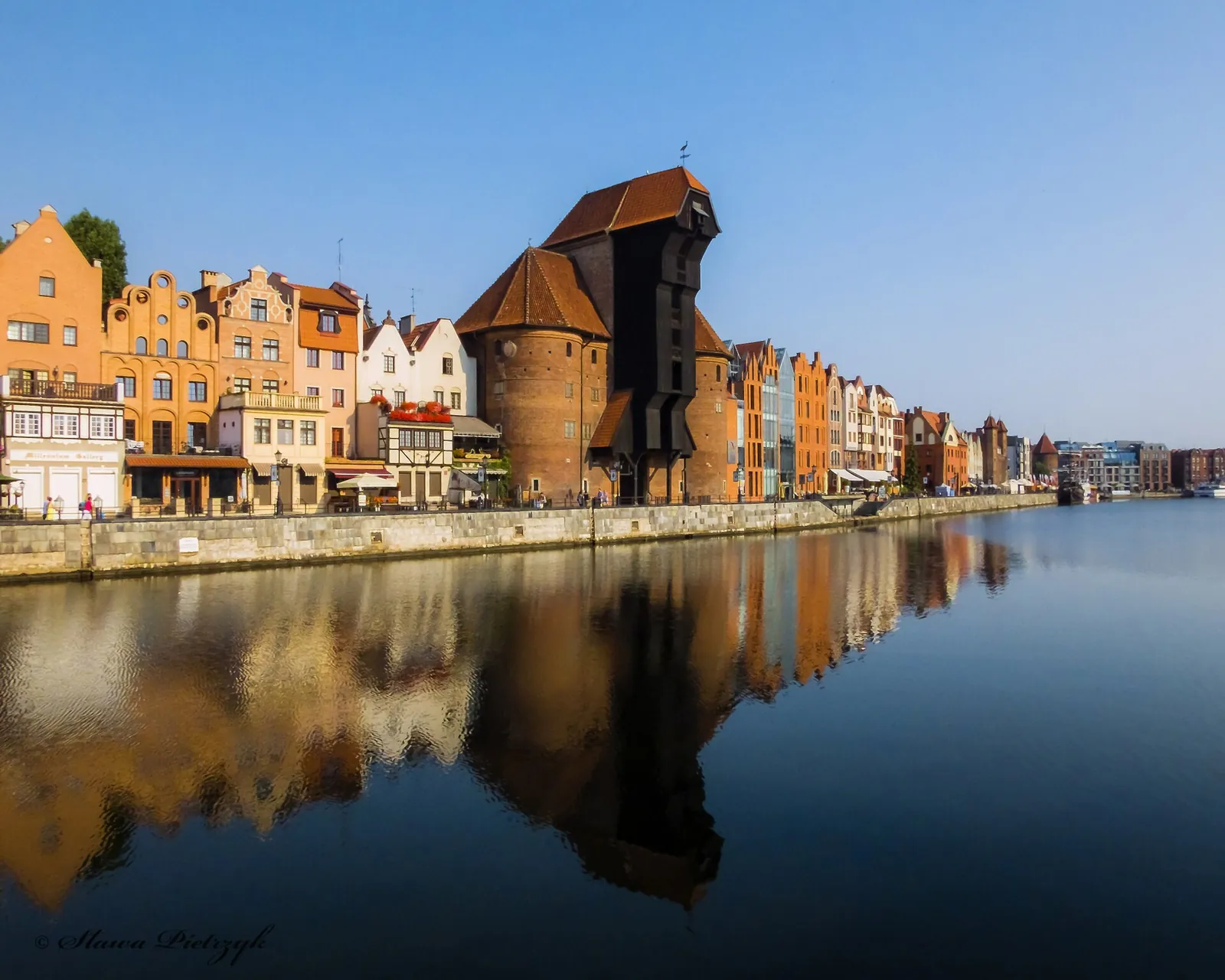
3 Days in Gdańsk: A Day-by-Day Itinerary with Sopot and Gdynia
3 days in Gdańsk, Sopot and Gdynia: the Main Town, WWII and Solidarity museums, the Sopot pier and Gdynia's emigration story, with prices checked.
- 🗓️ Trip length
- 3 days
- ☀️ Best time
- May to September
- 💰 Daily spend
- PLN 60-130 for sights and transport (excl. hotel and meals)
- ✅ Facts checked
- 1 November 2026
Get ready for one of the Baltic’s most rewarding city breaks. Gdańsk has a rebuilt Main Town of tall merchant houses and Gothic churches, a riverfront that glows at dusk, and two of Europe’s most powerful modern history museums: one on the Second World War, which started on its doorstep, and one on Solidarity, the movement that began in its shipyard. Add the seaside resort of Sopot and the modernist port city of Gdynia, all linked by one fast local train, and three days feels just right.
This plan suits first-timers, couples, friends and families with older children who like a comfortable pace. Days 1 and 2 are on foot in Gdańsk, with a short tram or bus ride if you want one. Day 3 takes the train up the coast to Sopot and Gdynia. Prices and hours below were checked on official sites on 1 November 2026. Many museums here close one weekday and offer free entry on another, so the order of your days matters. We flag those details as we go.
At a glance
| Day | Area | Highlights |
|---|---|---|
| 1 | Main Town (Główne Miasto) | Golden Gate, Long Lane, Main Town Hall, Artus Court, St Mary’s Basilica tower, the Motława riverfront |
| 2 | 20th-century Gdańsk | Museum of the Second World War, Polish Post Office museum, European Solidarity Centre, shipyard gate |
| 3 | Sopot and Gdynia | Sopot pier and beach, Emigration Museum, the tall ship Dar Pomorza, Gdynia waterfront |
Day 1: The Main Town and the river
Morning
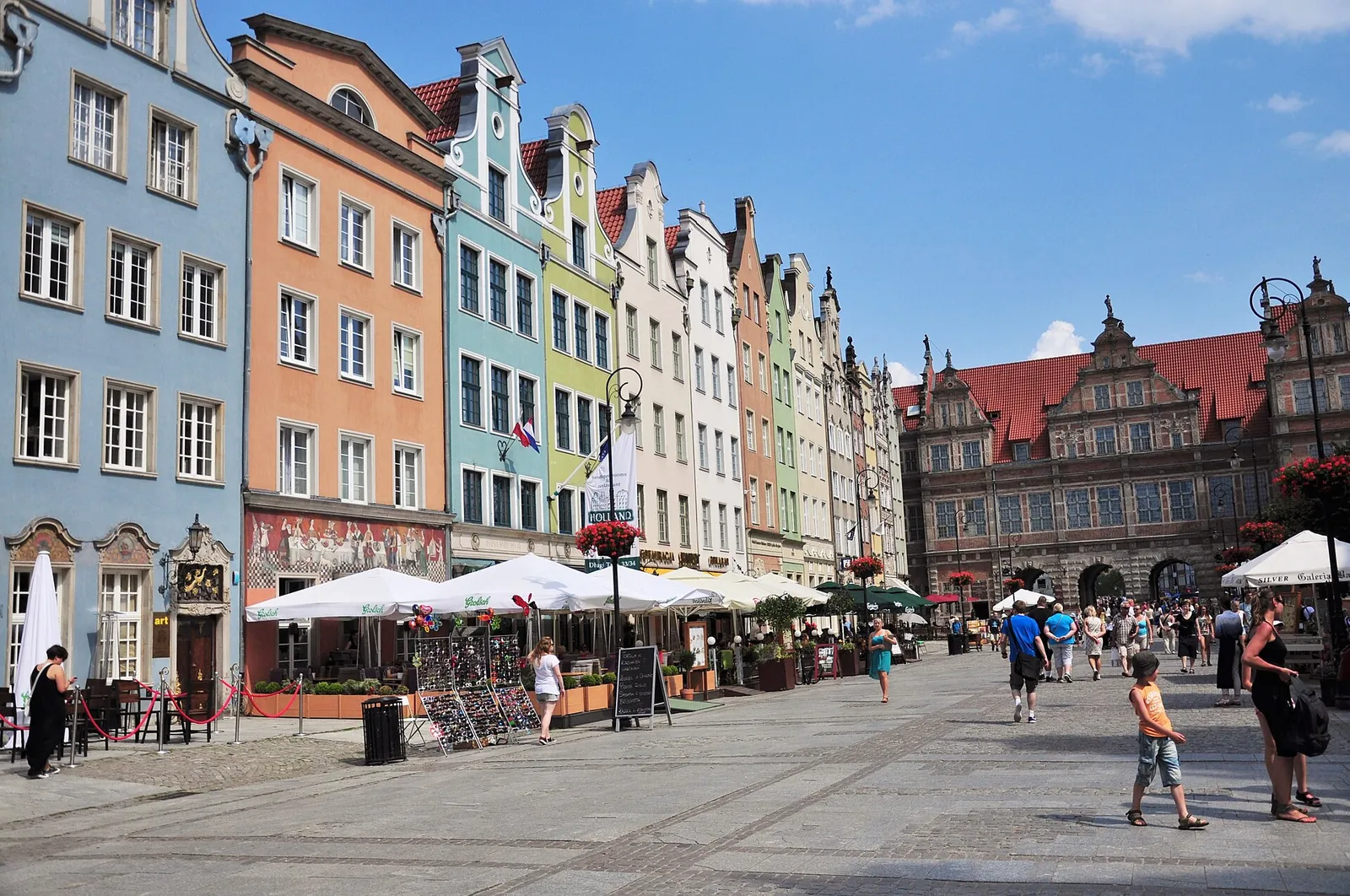
This is the day for falling in love with Gdańsk. Start at the Golden Gate at the western end of the Royal Route. Walk through it onto Long Lane (ulica Długa) and its continuation, the Long Market (Długi Targ). This is the postcard Gdańsk: narrow, colourful facades, carved stone portals and the Neptune Fountain in front of Artus Court. The whole Royal Route is only a few hundred metres, so take it slowly.
Go inside the Main Town Hall, home to a branch of the Museum of Gdańsk. Its grand council rooms are the highlight. Under the current schedule the Town Hall opens 10:00 to 16:00 on Monday, Wednesday, Friday, Saturday and Sunday, and 10:00 to 18:00 on Thursday. It is closed on Tuesday. Tickets cost 26 PLN regular and 19 PLN reduced. Admission is free on Mondays. The museum notes that the tower viewpoint opens in summer, so don’t count on it in the colder months.
A couple of minutes’ walk away is Artus Court, the old meeting hall of the city’s merchants, with a huge tiled stove and ship models hanging from the vaulted ceiling. It keeps the same days and hours as the Town Hall, the same prices (26 PLN regular, 19 PLN reduced) and the same free Monday. Note the museum’s listed closure from 30 November to 2 December 2026.
Afternoon
Walk north through the side streets to St Mary’s Basilica, one of the largest brick churches in the world. Its official tourist page lists visiting hours of 8:30 to 17:30 on weekdays (outside July and August), and 11:00 to 12:00 plus 13:00 to 17:30 on Sundays and holidays. Visiting pauses during Masses. The church page does not mention an entry fee for the nave.
If your legs are willing, climb the tower for the best view over the red roofs. It is a long climb on stairs with no lift. The basilica lists the climb as a donation ticket of 20 PLN normal and 10 PLN reduced, with the money going to the upkeep of the church. The tower closes in bad weather, especially storms, and the listed hours vary by season, so check the official page on the day.
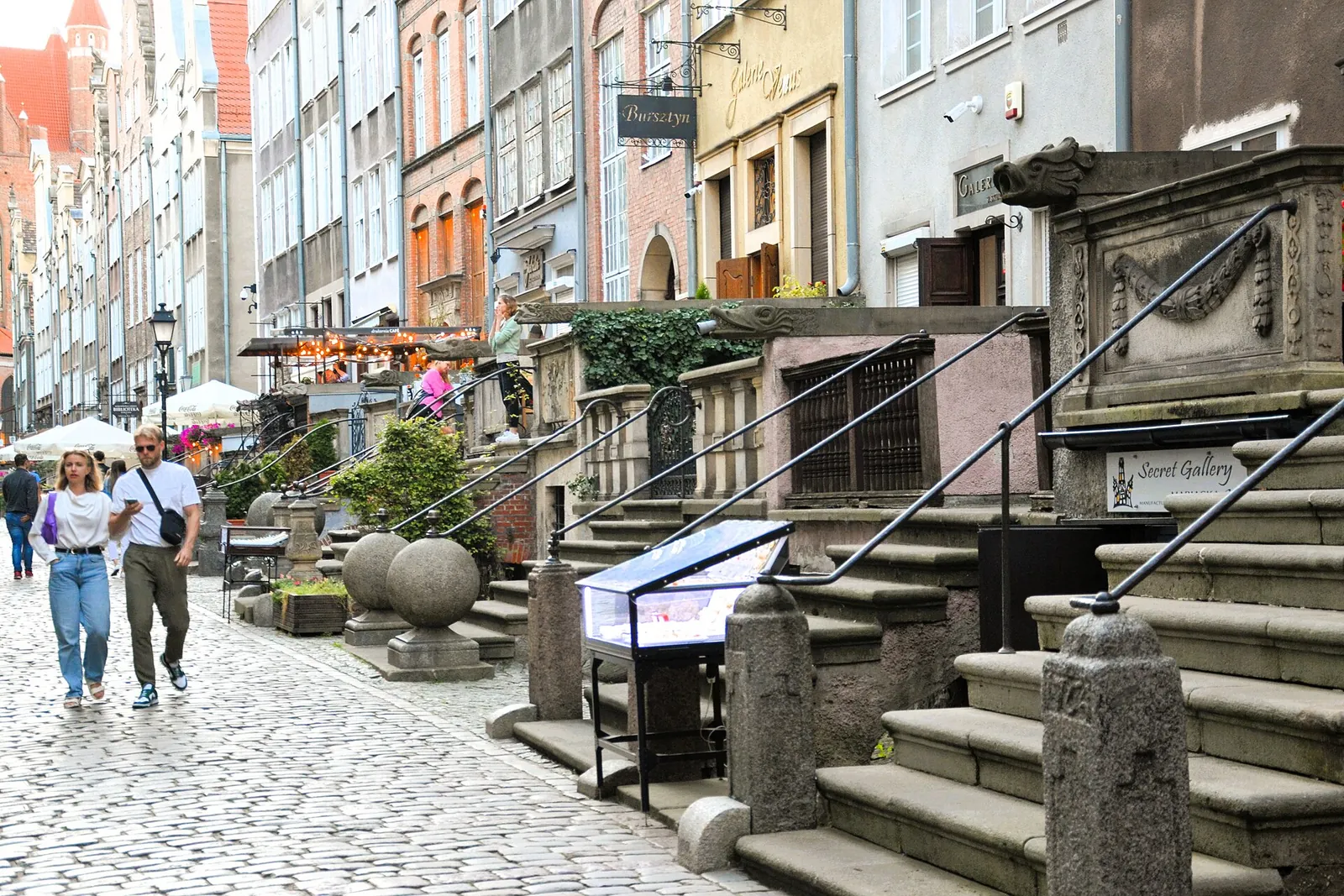
From the basilica, wander down Mariacka Street, with its stone terraces and amber shops, and out through the gate to the river. Gdańsk is famous for amber. If you want to see it properly, the Museum of Amber (Museum of Gdańsk branch) opens 10:00 to 18:00 and is closed on Tuesday. Tickets cost 37 PLN regular and 26 PLN reduced, and Monday is free. The museum notes that some rooms are closed from late October through November 2026, so check before you go.
Evening
Stroll the Motława riverfront (Długie Pobrzeże). You’ll pass the medieval wooden crane gate, one of the city’s symbols, and look across the water to the rebuilt granaries on Granary Island. Cross the footbridge for a different angle on the skyline at sunset. The riverbank is lined with places to eat, so dinner is easy.
Day 2: Where the 20th century happened
Today is about the stories that shaped modern Europe, right here in Gdańsk. Plan this day for Wednesday to Sunday if you can. The WWII museum is closed on Mondays, and the Solidarity exhibition is closed on Tuesdays.
Morning
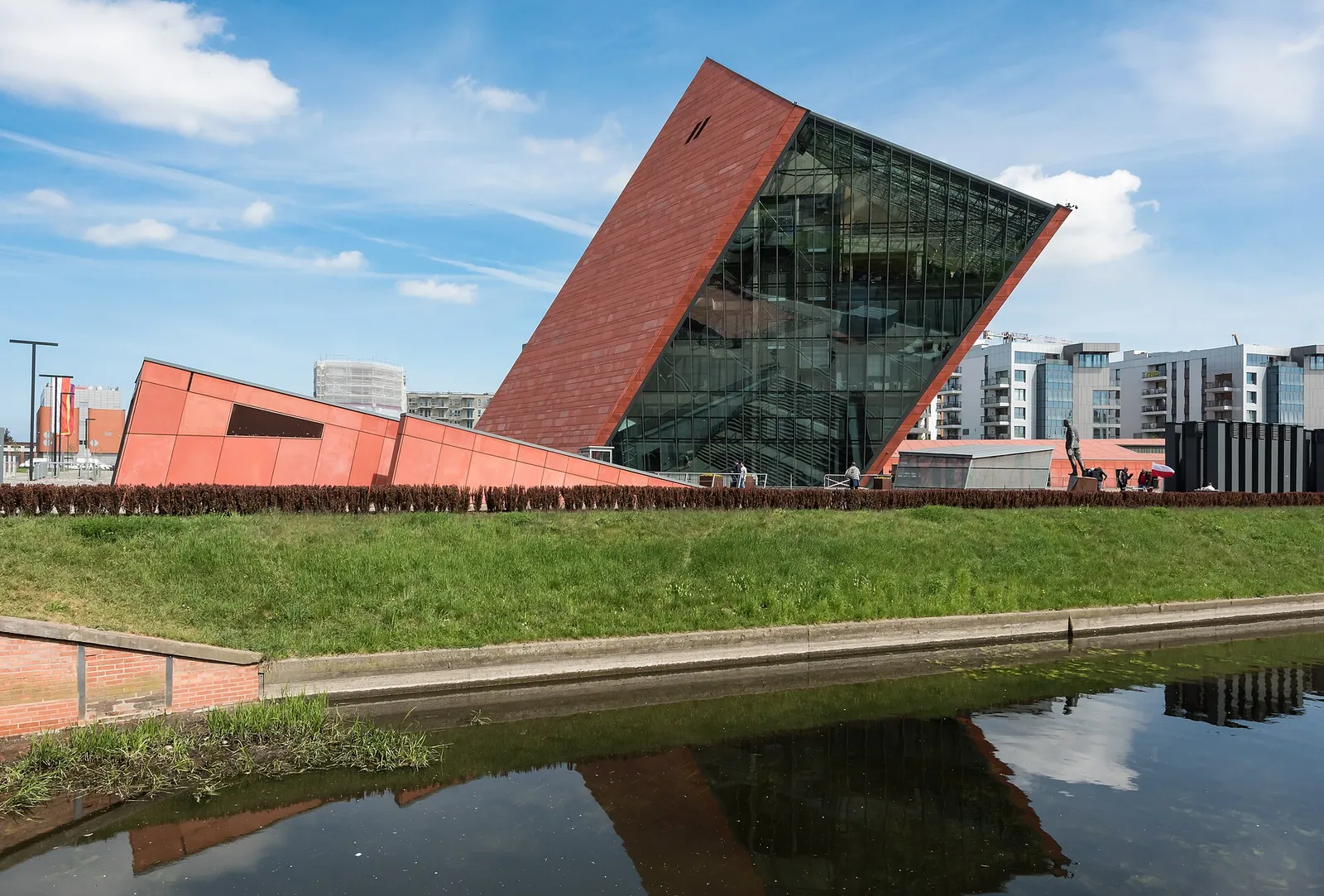
Start at the Museum of the Second World War, about a 15-minute walk north of the Long Market along the river. It’s a vast, intense museum that tells the war through civilians’ lives as well as soldiers’. Give it at least three hours.
The museum’s ticket page lists the main exhibition at 33 PLN normal and 23 PLN reduced, with a family ticket at 72 PLN (up to five people). An audio guide costs 12 PLN. On Tuesdays admission is free, with tickets collected at the ticket office and a daily limit of 2,500 visitors; advance reservations are not taken. The museum is closed on Mondays. The ticket office opens 9:30 to 17:00 from Wednesday to Sunday and 9:30 to 14:30 on Tuesday. Arrive early, especially on free Tuesdays.
Afternoon
Walk about ten minutes west to the Museum of the Polish Post Office. On 1 September 1939 the postal workers here defended the building against German forces for many hours, one of the first battles of the war. It’s small and moving. The Museum of Gdańsk lists it as open 10:00 to 18:00 daily, with tickets at 15 PLN regular and 10 PLN reduced, and free entry on Mondays.
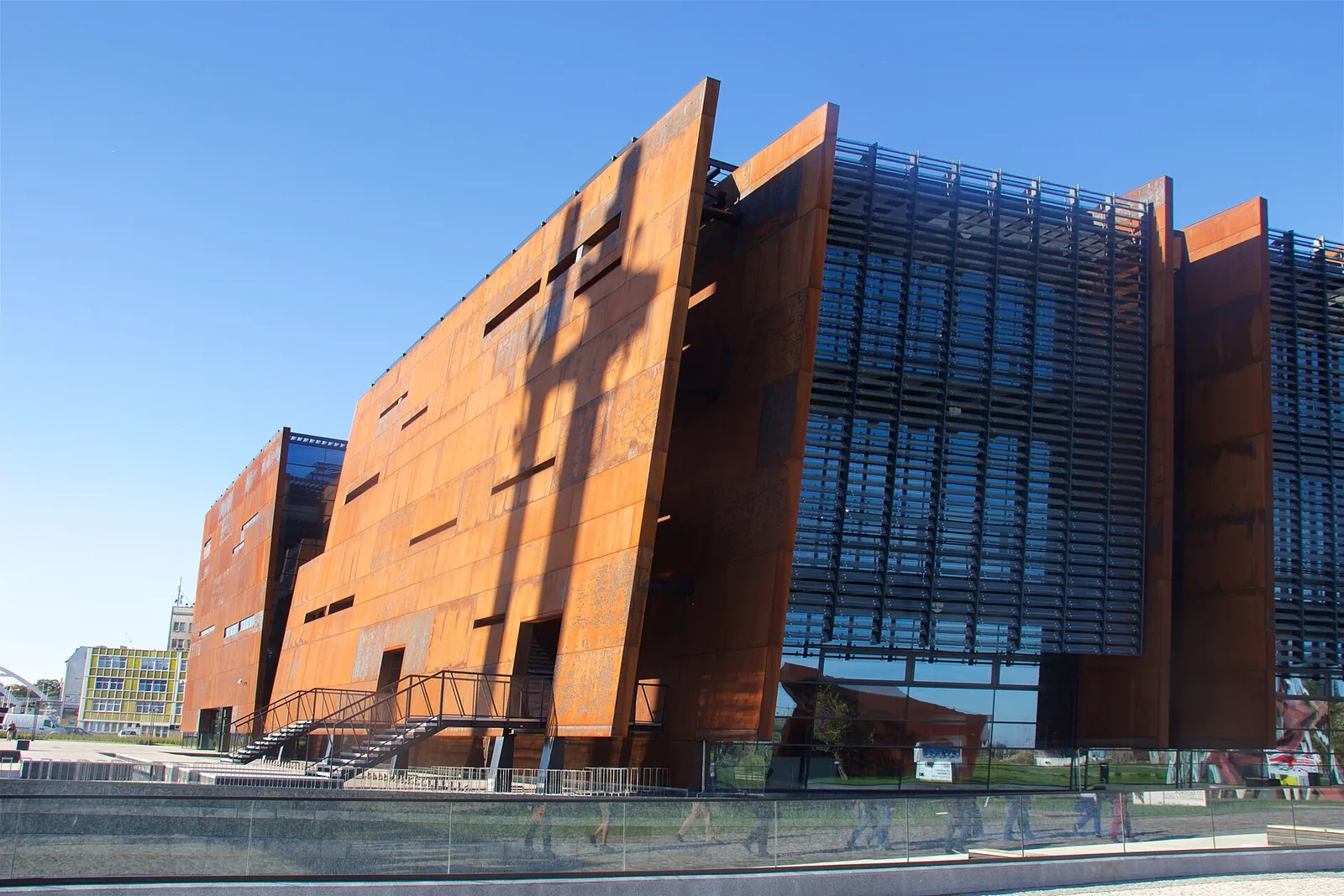
Then head north to the European Solidarity Centre (ECS), about 20 minutes on foot or a short tram ride. The rust-coloured building stands beside the historic shipyard gate where the 1980 strikes began. The permanent exhibition tells how a trade union of shipyard workers helped bring down communism across Central Europe.
ECS lists these hours for the October to April season:
- Permanent exhibition: Monday and Wednesday to Friday 10:00 to 17:00, Saturday and Sunday 10:00 to 18:00, closed Tuesday
- Observation deck (weather permitting): Monday to Friday 10:00 to 17:00, Saturday and Sunday 10:00 to 20:00
- Building: Monday to Friday 10:00 to 18:00, Saturday and Sunday 10:00 to 19:00
Entry to the building itself is free, and tickets for the exhibitions are sold online at bilety.ecs.gda.pl and at the ticket desk. We could not confirm current exhibition prices on the official site, so check the ticket page before you go. ECS notes that entry times are limited, so booking a slot online is a good idea at weekends.
Evening
Walk out through the shipyard gate and look at the Monument to the Fallen Shipyard Workers of 1970, three tall crosses topped with anchors. Then return to the Main Town for dinner, or explore the quieter streets of the Old Town (Stare Miasto) north of the main tourist strip.
Day 3: Sopot and Gdynia by train
Morning
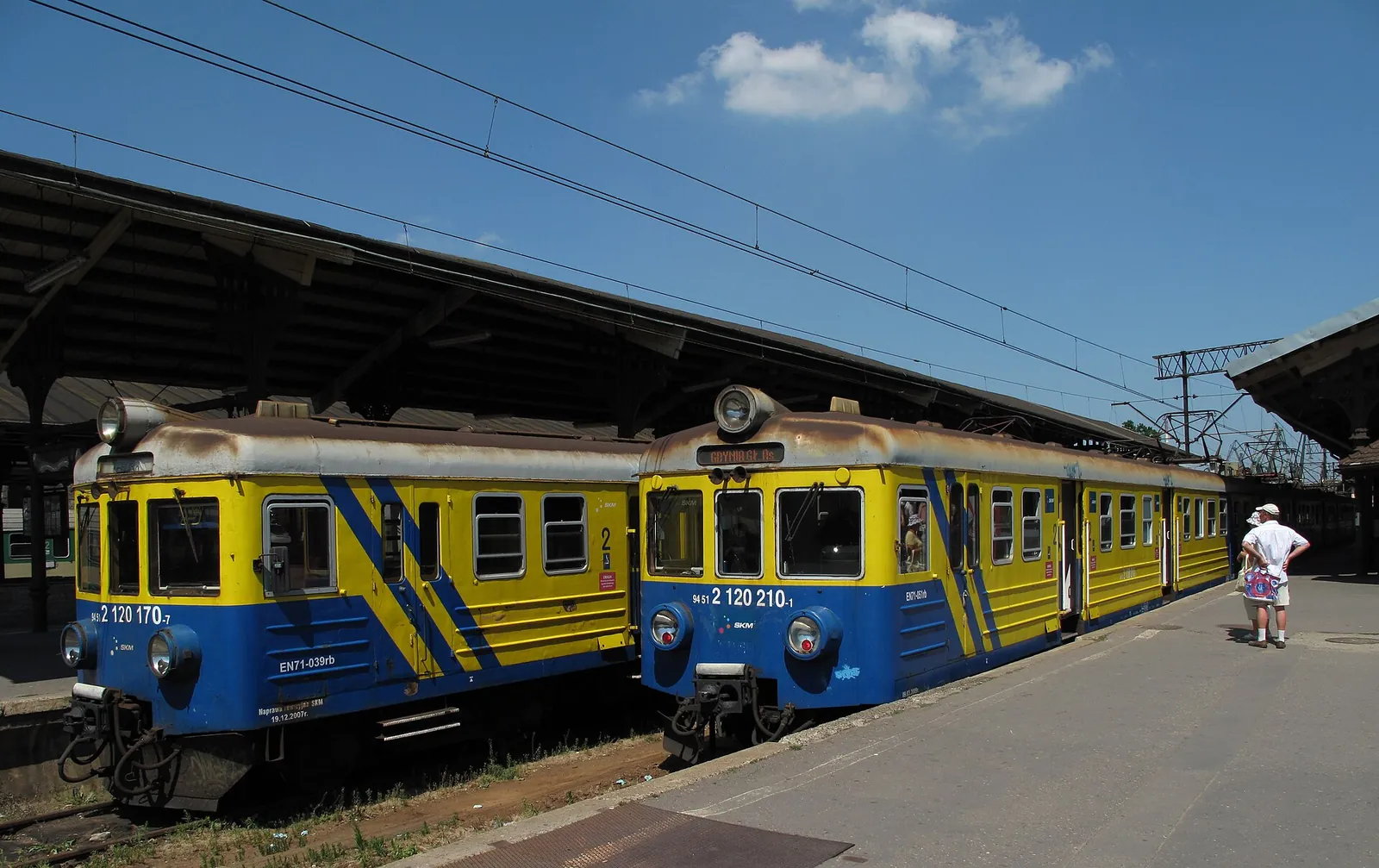
Sea air, a seaside pier and a tall ship: get ready for a coastal day out. Take the SKM suburban train north from Gdańsk Główny (the main station) or Gdańsk Śródmieście. It runs up the coast through Gdańsk to Sopot and on to Gdynia, so you can hop off at each. Buy an SKM ticket before you board: from a machine on the platform or in an app. We could not confirm the current SKM fare on an official page, so check the SKM ticket machine or app for the price.
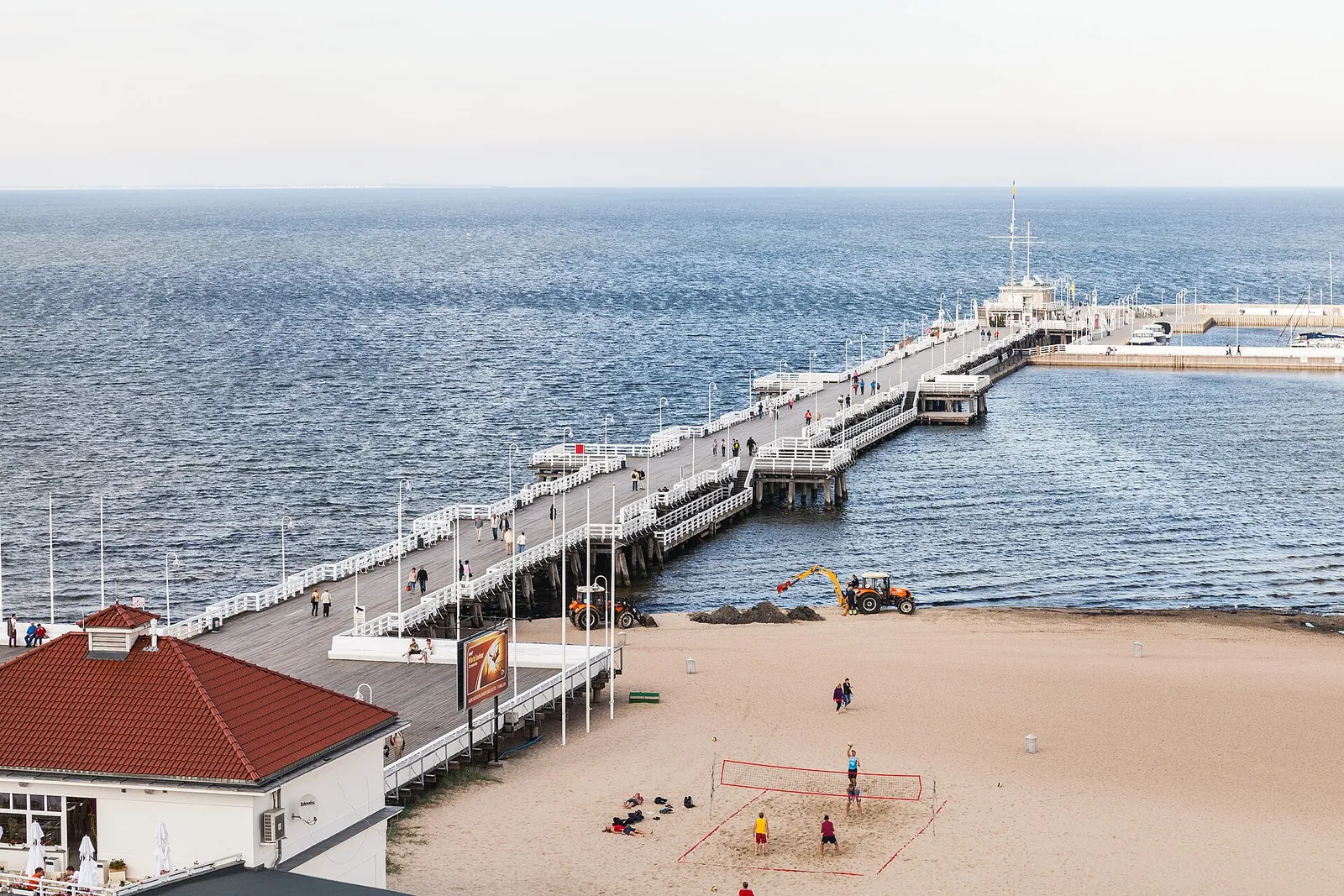
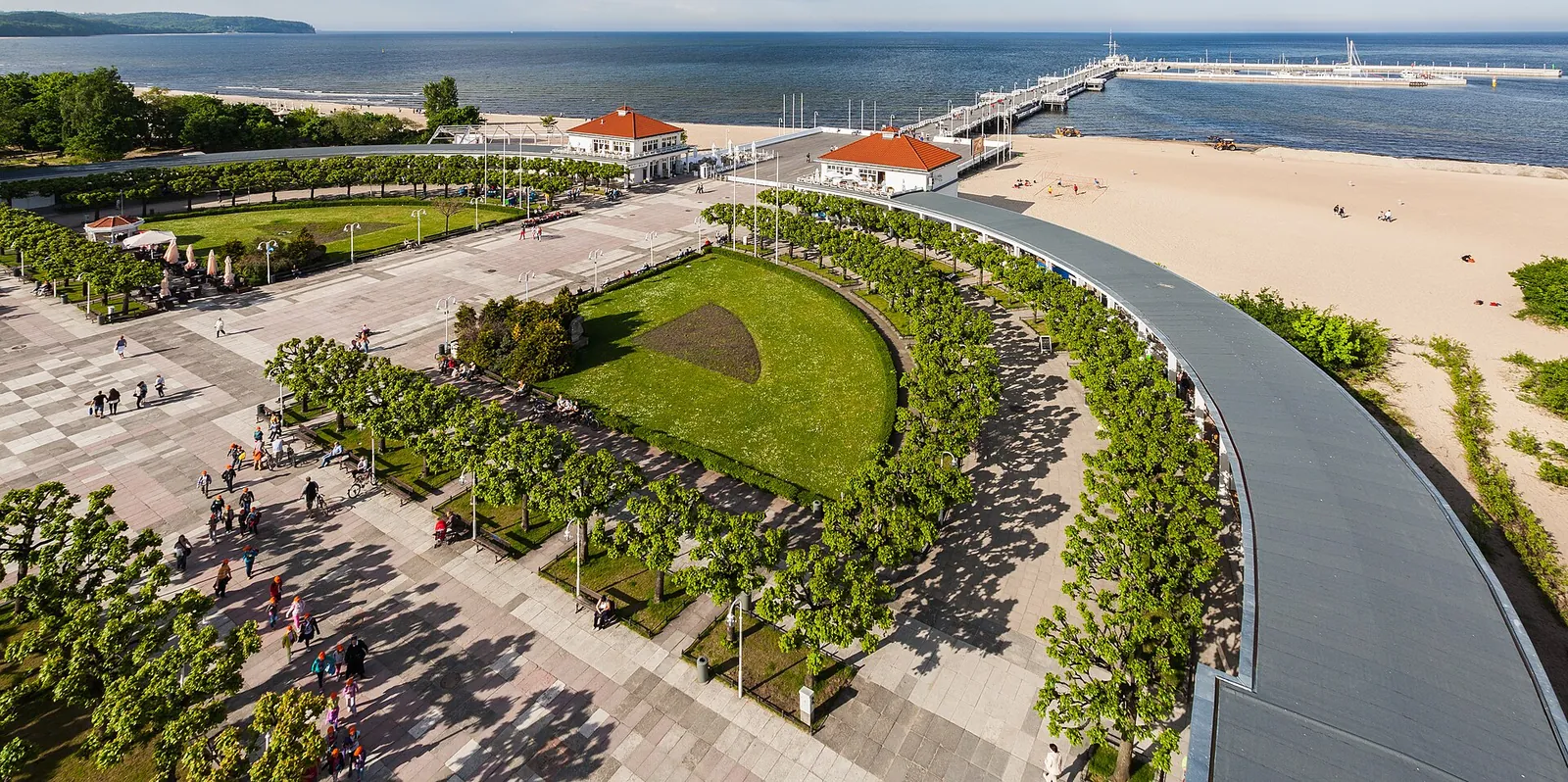
In Sopot, walk down Monte Cassino Street (Bohaterów Monte Cassino), the lively pedestrian street that runs to the sea, and out onto the famous wooden pier (molo). Sopot’s official tourism site lists the 2026 paid season for the pier from 10 April to 30 September, with a regular ticket of 10 PLN and reduced 5 PLN. The paid season does not cover November, but the city’s page does not state the off-season terms explicitly, so look for signs at the entrance.
Afterwards, walk along the sandy beach and the seafront promenade.
Afternoon
Continue by SKM to Gdynia Główna, then walk about 20 minutes (or take a short bus ride) to the Emigration Museum, in the former maritime station where ocean liners once left for the Americas. The permanent exhibition follows the stories of Poles who emigrated over two centuries.
The museum lists the permanent exhibition as open 10:00 to 18:00 Wednesday to Sunday and 12:00 to 20:00 on Tuesday, closed on Monday. Tickets cost 28 PLN regular and 20 PLN reduced. Entry is free on Wednesdays, with free tickets collected on the day. Ticket sales end one hour before closing, and the museum suggests allowing about 1.5 to 2 hours.
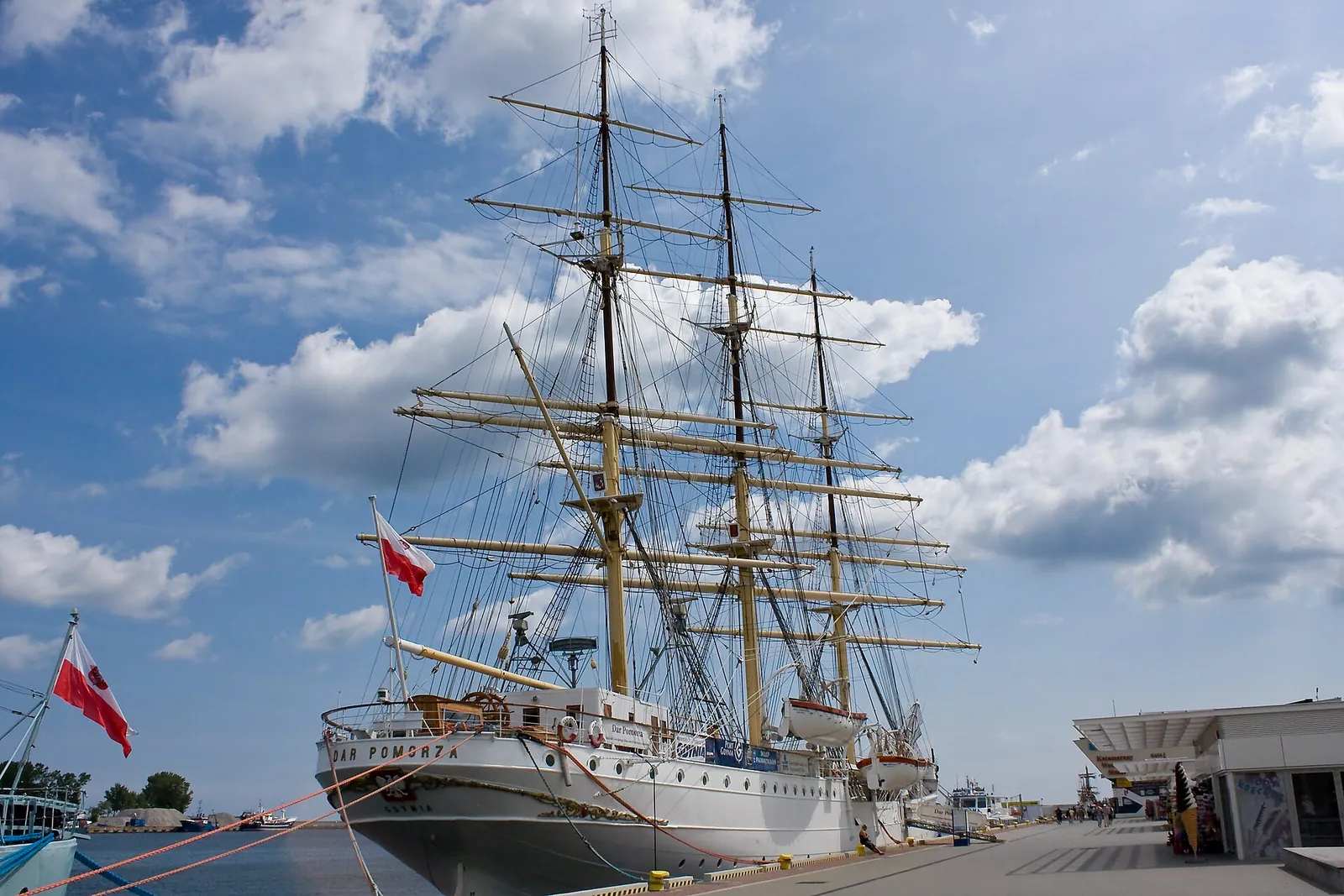
Then head to the waterfront by Kościuszko Square and the long pier, Nabrzeże Pomorskie. Here you’ll find the white tall ship Dar Pomorza, now a museum ship of the National Maritime Museum. Its listed hours of Tuesday to Sunday 10:00 to 17:00 were valid until 31 October 2026, so check the museum’s site for November hours and prices. All branches of the National Maritime Museum close on 1 November.
Evening
Walk the seafront boulevard in Gdynia for sea views, then take the SKM back to Gdańsk.
Getting there and getting around
From the airport. Gdańsk Lech Wałęsa Airport is west of the city. According to the airport, your main options are:
- Bus 210 runs daily between the airport and Gdańsk Główny (the main railway station), passing through central Gdańsk. The airport gives a travel time of about 40 minutes. The stop is opposite the terminal, next to parking lot P1.
- Night bus N3 covers roughly 23:00 to 04:00, about 50 minutes to the main station.
- Train: POLREGIO runs trains from the airport. To reach the city centre (Gdańsk Główny or Śródmieście) you change at Gdańsk Wrzeszcz onto the fast urban railway from platform 3. For Sopot and Gdynia there are direct services or a change at Wrzeszcz. Check times on the POLREGIO website.
- Taxi: the airport names Neptun Taxi as its partner company (phone +48 585 111 555, card payment accepted). The airport does not publish fares, so ask for an estimate when you book.
City transport. ZTM Gdańsk runs the trams and buses. Its official price list shows a single-ride ticket at 4.80 PLN (2.40 PLN reduced) and a 75-minute ticket at 6.00 PLN (3.00 PLN reduced). The airport bus uses the same single-ride fare. Buy tickets from machines at stops (cash or card), through apps such as jakdojade.pl or moBiLET, or in the Fala system. ZTM city tickets are not the same as SKM train tickets, so buy separately for the train to Sopot and Gdynia.
Entry rules. Poland is in the Schengen area. Visa rules depend on your passport, so check the official visa page of Poland’s Ministry of Foreign Affairs well before you book.
Where to stay
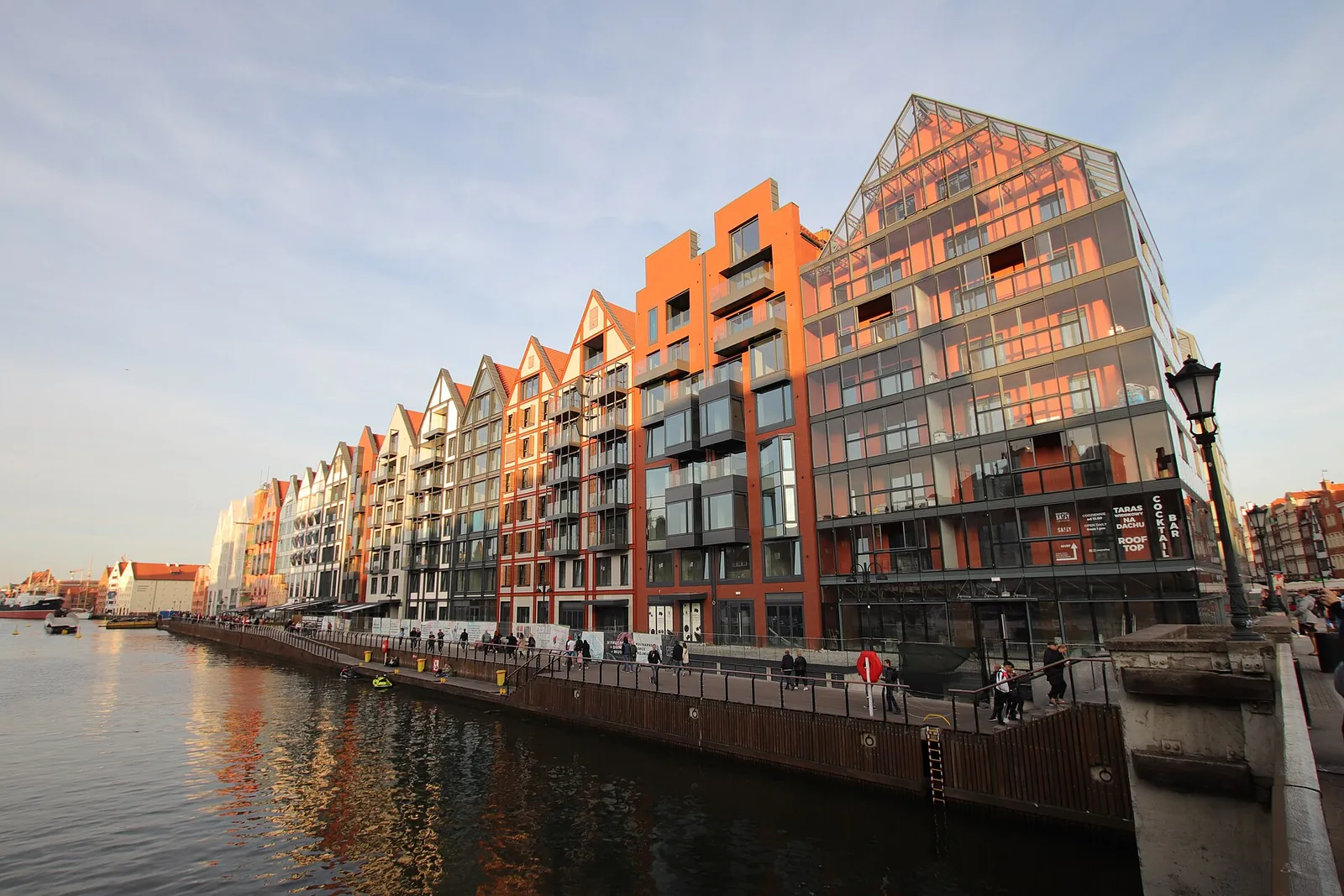
- Main Town (Główne Miasto): the best choice for first-timers. You’re steps from the Royal Route, St Mary’s and the river, and Day 1 needs no transport at all.
- Granary Island and the riverside: newer buildings with views across the Motława, a short walk from the Main Town. Good for couples who want a quieter evening.
- Wrzeszcz: a lively residential district on the SKM line, handy for the airport bus 110 and for trains to Sopot and Gdynia. Often better value.
- Sopot: pick this if the beach matters more than museums. It’s on the SKM line, so Gdańsk’s Main Town is an easy day trip.
Budget

These are typical costs from official price lists, per person. Hotels, meals and drinks are not included.
| Item | Typical cost |
|---|---|
| ZTM single ride / 75-minute ticket | 4.80 PLN / 6.00 PLN |
| Main Town Hall or Artus Court | 26 PLN (19 PLN reduced), free on Mondays |
| Museum of Amber | 37 PLN (26 PLN reduced), free on Mondays |
| St Mary’s Basilica tower (donation) | 20 PLN (10 PLN reduced) |
| Museum of the Second World War | 33 PLN (23 PLN reduced), free on Tuesdays |
| WWII museum audio guide | 12 PLN |
| Museum of the Polish Post Office | 15 PLN (10 PLN reduced) |
| European Solidarity Centre exhibition | check the official site |
| Sopot pier (paid season 10 Apr to 30 Sep) | 10 PLN (5 PLN reduced) |
| Emigration Museum, Gdynia | 28 PLN (20 PLN reduced), free on Wednesdays |
| SKM train Gdańsk to Sopot and Gdynia | check the SKM ticket machine or app |
If you visit every paid sight on this list, expect roughly 60 to 130 PLN per day for sights and local transport, depending on how many free days you can line up.
Heads-up
Gdańsk is a relaxed, welcoming city, and a little planning keeps it that way:
- Use official taxis only. The UK government’s travel advice warns that unofficial taxis in Poland often overcharge and that passengers have been attacked, and it advises against them, including cars booked through ride-share apps. Official taxis show the company name and phone number on the door and roof and display a rate card in the window.
- Check bar bills. The same advice reports visitors being overcharged when paying by card at the end of a night out, and drinks being spiked in bars and clubs. Don’t accept drinks from strangers or leave yours unattended.
- Watch your bag. Petty theft is the main risk, especially at stations, on trains and in crowded tourist areas.
- No drinking in public. Drinking alcohol in public places is illegal in Poland and can bring a fine.
- Mind the weekly closures. Several museums close on Monday or Tuesday (see each day above), so lay out your days before you arrive.
- Holiday closures. On 1 November (All Saints’ Day) Museum of Gdańsk branches, ECS and the National Maritime Museum are closed. Check other public holidays on each official site.
- Seasonal sights. The Westerplatte Guardhouse No. 1 (Museum of Gdańsk) is closed during the winter season, and the Town Hall tower is a summer viewpoint. The St Mary’s tower shuts in storms.
Practical tips
- Money: Poland uses the złoty (PLN). Cards are widely accepted, and museum ticket offices take cards; the Emigration Museum, for example, accepts cash and cards.
- Free days: they can be busy, so arrive early.
- Church visits: St Mary’s is a working church. Visiting stops during Masses, so time your visit outside service times and keep your voice down inside.
- Weather: the Baltic coast can be windy and cool even in summer. Bring a warm layer for the Sopot pier and the shipyard.
- Getting online: EU mobile networks are easy to use; an eSIM bought before you fly is the simplest option for most non-EU visitors.
FAQ
Is 3 days enough for Gdańsk, Sopot and Gdynia?
Yes. Two days cover Gdańsk’s Main Town and its two big museums, and one day is enough for Sopot and Gdynia by train. Add a fourth day if you want Westerplatte in summer or more beach time.
Which day should I avoid for museums?
Tuesday closes the Main Town Hall, Artus Court, the Amber Museum and the ECS exhibition, but it’s the free day at the WWII museum. Monday closes the WWII museum and the Emigration Museum. Wednesday to Sunday is the easiest stretch.
How do I get from the airport to the Main Town?
Bus 210 goes to the main railway station in about 40 minutes for a 4.80 PLN single ticket. Or take a POLREGIO train and change at Gdańsk Wrzeszcz.
Do I need to pre-book the museums?
The WWII museum does not take advance reservations; just buy at the ticket office. ECS has limited entry times and sells tickets online, so booking ahead is sensible at weekends.
Is the Sopot pier free?
Paid entry runs from 10 April to 30 September in 2026, at 10 PLN regular. Outside that season, check the signs at the entrance or the Sopot tourism website.
Sources
Prices, hours and rules change. We checked these on 1 November 2026; please confirm on the official page before you book.
- Museum of Gdańsk: Opening hours and prices (all branches)
- Museum of the Second World War in Gdańsk: Tickets and prices
- European Solidarity Centre: Opening hours
- St Mary's Basilica in Gdańsk: Information for tourists
- Visit Sopot (official): Paid entry to the pier, 2026 prices and hours
- Emigration Museum in Gdynia: Opening hours
- Emigration Museum in Gdynia: Tickets
- National Maritime Museum: Opening hours (Dar Pomorza)
- Gdańsk Airport: Getting to the airport by bus
- Gdańsk Airport: Getting to the airport by train
- Gdańsk Airport: Taxi
- ZTM Gdańsk: Single and time tickets
- Ministry of Foreign Affairs of Poland: Visas
- GOV.UK Foreign travel advice: Poland, safety and security
Photo credits (11)
- Gdańsk's medieval crane reflected in the calm Motława: Sława Pietrzyk, CC BY 3.0, via Wikimedia Commons
- Colourful merchant houses along the Long Market in Gdańsk: Nieszka, CC BY-SA 3.0 pl, via Wikimedia Commons
- Stone terraces and gabled houses on Mariacka Street: Silar, CC BY-SA 4.0, via Wikimedia Commons
- The leaning red tower of the Museum of the Second World War: Adrian Grycuk, CC BY 3.0 pl, via Wikimedia Commons
- Rust-coloured facade of the European Solidarity Centre in sunshine: Photograph by Mike Peel (www.mikepeel.net)., CC BY-SA 4.0, via Wikimedia Commons
- Sopot's long wooden pier stretching into the Baltic: Diego Delso, CC BY-SA 3.0, via Wikimedia Commons
- The white tall ship Dar Pomorza moored in Gdynia: Jacek Nowak, CC BY-SA 3.0, via Wikimedia Commons
- Blue and yellow SKM trains waiting at a Gdańsk platform: User:Juan de Vojníkov, CC BY-SA 3.0, via Wikimedia Commons
- Granary Island apartments glowing in evening light: Andrzej Otrębski, CC BY-SA 4.0, via Wikimedia Commons
- A plate of potato dumplings with sour cream: DemieK07, CC BY-SA 4.0, via Wikimedia Commons
- Sopot's sandy beach, gardens and pier from above: Diego Delso, CC BY-SA 3.0, via Wikimedia Commons
More Poland itineraries
 3 days
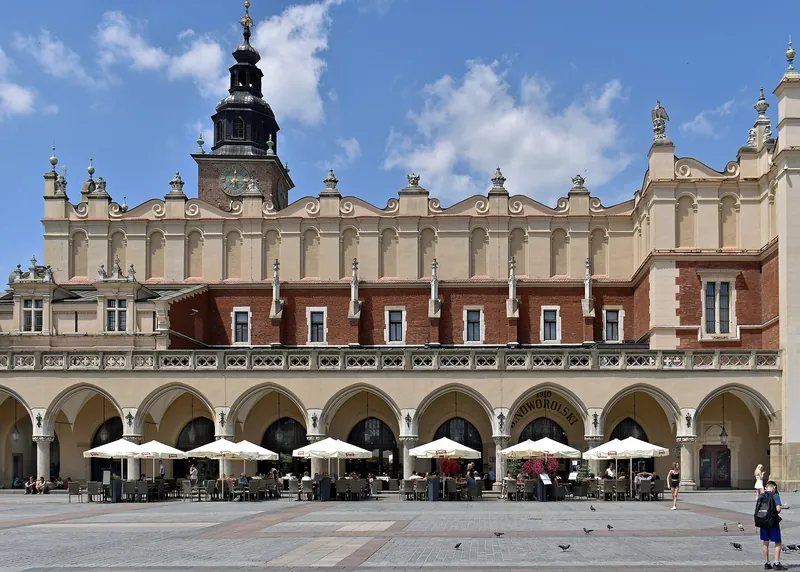
3 Days in Krakow: A Day-by-Day Itinerary
3 days in Krakow, well paced: Wawel, the Old Town, Kazimierz and Podgórze, plus Auschwitz-Birkenau or Wieliczka, with checked prices.
 3 days
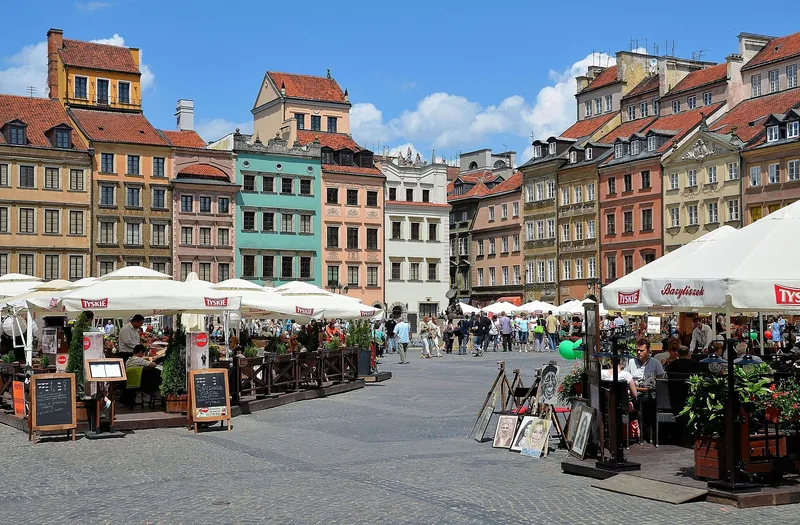
3 Days in Warsaw: A Day-by-Day Itinerary
A 3-day Warsaw itinerary: Royal Castle and Old Town, POLIN, the Rising Museum, Łazienki park, the Palace of Culture terrace and Praga.
 3 days
3 Days in Amsterdam: A Day-by-Day Itinerary
A 3-day Amsterdam itinerary: Anne Frank House and the Jordaan, Rijksmuseum, Van Gogh Museum and free ferries to Noord, with verified 2026 prices.
Compare all Poland itineraries →
This is a researched plan, not a personal trip report. How we research · Affiliate disclosure