
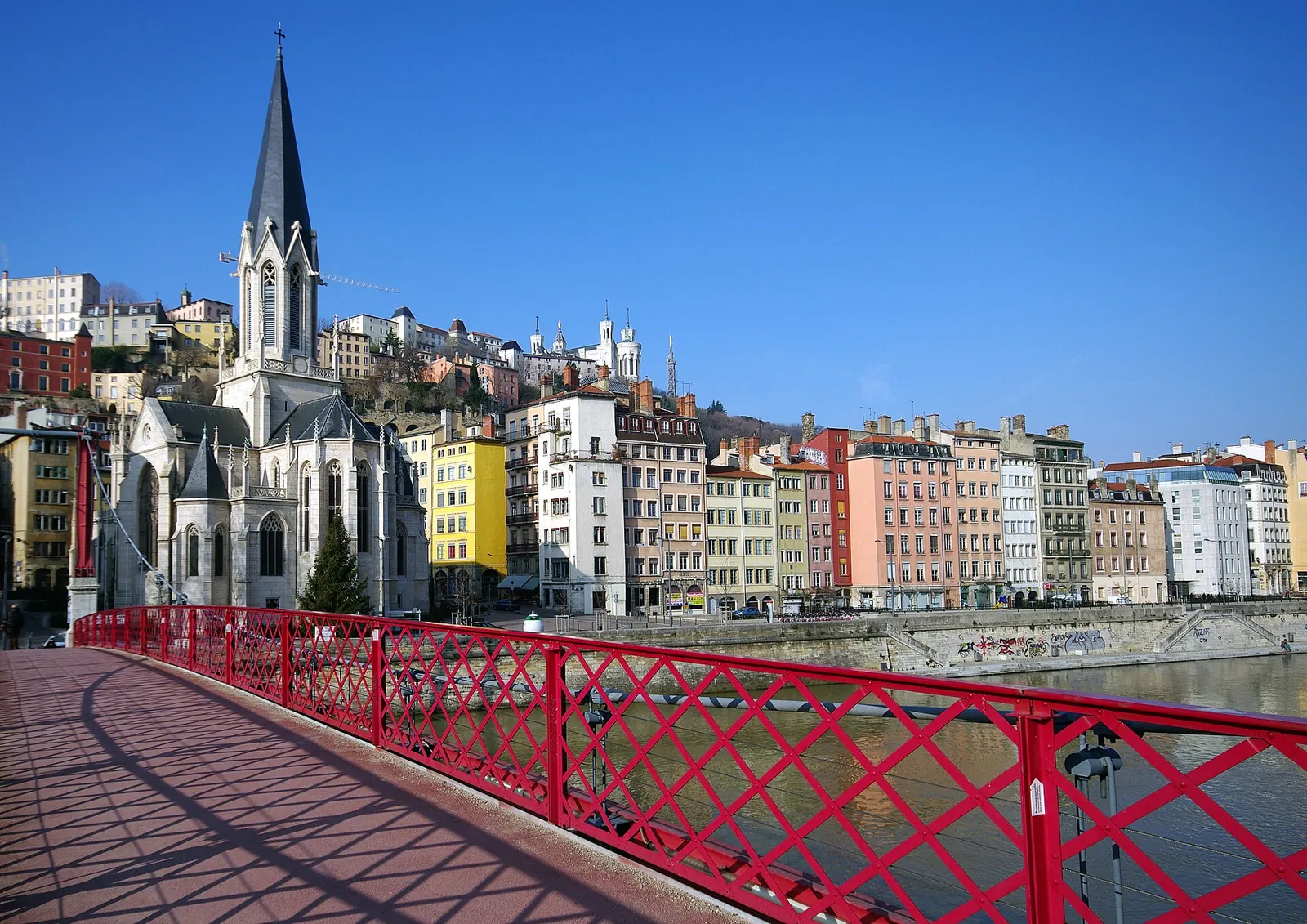
3 Days in Lyon: A Day-by-Day Itinerary
A 3-day Lyon itinerary: Vieux Lyon traboules and Fourvière hill, the Presqu'île and Croix-Rousse, then Les Halles, Tête d'Or park and Confluences.
- 🗓️ Trip length
- 3 days
- ☀️ Best time
- April to June, September to October
- 💰 Daily spend
- EUR 15-30 for sights and local transport (excl. stay and meals)
- ✅ Facts checked
- 1 November 2026
Get ready for France’s food capital. Lyon packs Roman ruins, Renaissance lanes, secret passageways, a hilltop basilica and two rivers into a city you can cover on foot and by metro in three days. This plan suits first-timers who want the big sights without rushing, plus plenty of time at the table, because in Lyon lunch is an event.
You will love the rhythm here, steady but relaxed: one neighbourhood each morning, another each afternoon, and evenings by the Saône or the Rhône. Expect hills and stairs on Day 1 and Day 2, so bring comfortable shoes. Everything here uses Lyon’s metro, trams and funiculars, so you will not need a car.
At a glance
| Day | Area | Highlights |
|---|---|---|
| 1 | Vieux Lyon and Fourvière | Renaissance traboules, funicular up Fourvière hill, the basilica, Roman theatres and the Lugdunum museum |
| 2 | Presqu’île and Croix-Rousse | Place Bellecour, Musée des Beaux-Arts, Place des Terreaux, the silk weavers’ traboules and Cour des Voraces |
| 3 | Left bank and Confluence | Halles de Lyon Paul Bocuse, Parc de la Tête d’Or, Musée des Confluences by tram |
One planning rule before you start: closing days clash. The Lugdunum museum and the Musée des Confluences are closed on Mondays, and the Musée des Beaux-Arts is closed on Tuesdays. So avoid starting this plan on a Monday, and make sure Day 2 does not fall on a Tuesday. Swap days if needed. The Beaux-Arts also closes on several public holidays, including 11 November, so check before you go if you are visiting around then.
Day 1: Vieux Lyon and Fourvière hill
Morning
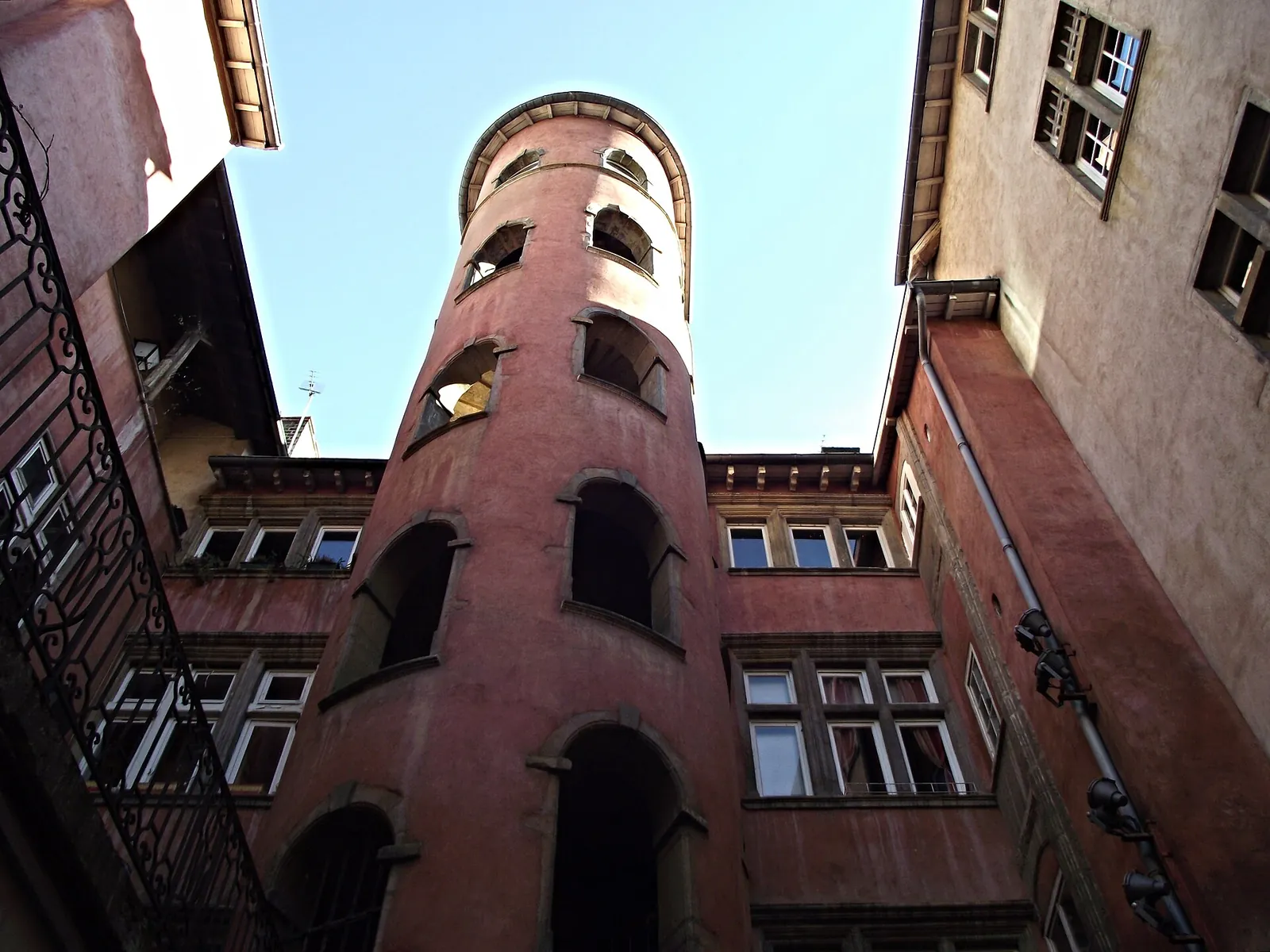
Welcome to Lyon! Start in Vieux Lyon, the old town tucked between the Saône and the foot of Fourvière hill. It is part of the city’s UNESCO World Heritage area, and its cobbled streets, pastel facades and spiral staircases make it one of the best-preserved Renaissance quarters in Europe.
The star attraction here is the traboule: a covered passage that cuts through buildings and courtyards from one street to the next. According to the Lyon Tourist Office, the city has around 500 of them, with roughly 200 in Vieux Lyon, but only a small share are open to the public during the day. The best known is the Longue Traboule, which runs from 54 rue Saint-Jean to 27 rue du Bœuf, crossing four courtyards and four buildings. Other good ones listed by the tourist office include La Maison du Chamarier courtyard at 37 rue Saint-Jean and the Galerie Philibert de l’Orme at 8 rue Juiverie.
Please remember that people live behind these doors. The tourist office asks visitors not to talk loudly, shout, run or litter. Push the door gently, look, and move on quietly.
Afternoon
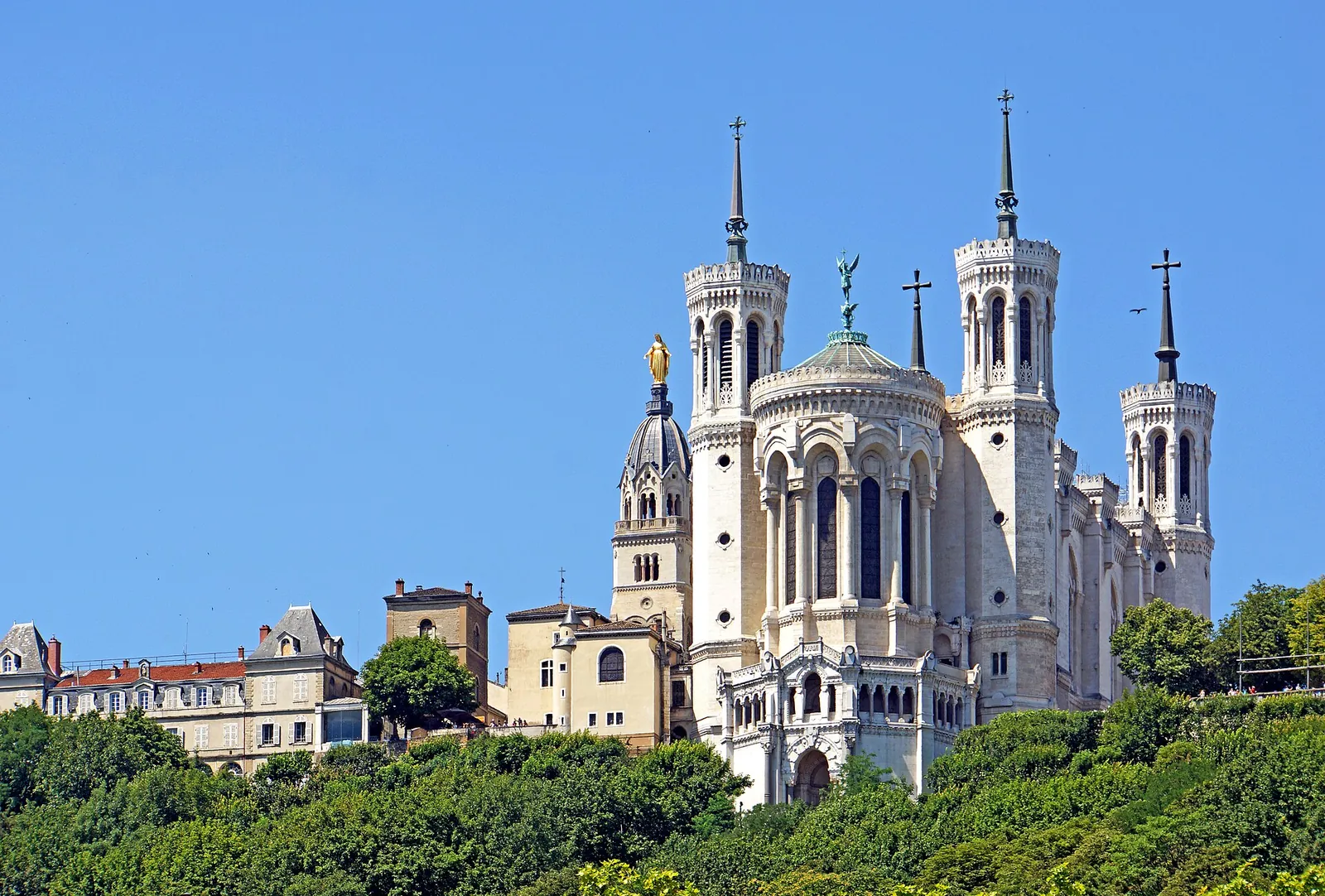
From Vieux Lyon, take the F2 funicular up to Fourvière. The ride is short and saves a steep climb. At the top stands the Basilique Notre-Dame de Fourvière, the white basilica you see from all over the city. It opens at 7:00 am and closes at 8:00 pm Monday to Saturday and 9:00 pm on Sunday. Guided visits are sold through the basilica’s own ticketing site, so check fourviere.org if you want a tour. Step out onto the esplanade beside it for the classic panorama over the red rooftops, the two rivers and, on clear days, the distant Alps.
Then walk down the hill to the Roman theatres of Lugdunum, the ancient city that was once the capital of Roman Gaul. From 1 October to 30 April the theatres are open from 7:00 am to 7:00 pm, and from 2 May to 30 September until 9:00 pm.
Right next door is the Lugdunum Musée et théâtres romains, built into the hillside. It opens Tuesday to Friday from 11:00 am to 6:00 pm and weekends from 10:00 am to 6:00 pm. Full-price museum entry is EUR 4 outside temporary exhibition periods and EUR 7 during them, and entry is free for everyone on the first Sunday of the month. Heads-up: the museum says online ticket sales are temporarily unavailable and that only cash and cheque are accepted at the reception desk, so bring some euros.
To get back down, walk the stepped lanes to Vieux Lyon, or take the F1 funicular from Saint-Just.
Evening
Treat yourself to an evening back in Vieux Lyon or along the Saône quays. This is the moment for your first bouchon, the traditional Lyon bistro serving hearty local dishes such as quenelles and saucisson. Bouchons are small and popular, so reserving a table, especially on weekends, is a good idea.
Day 2: Presqu’île and Croix-Rousse
Morning
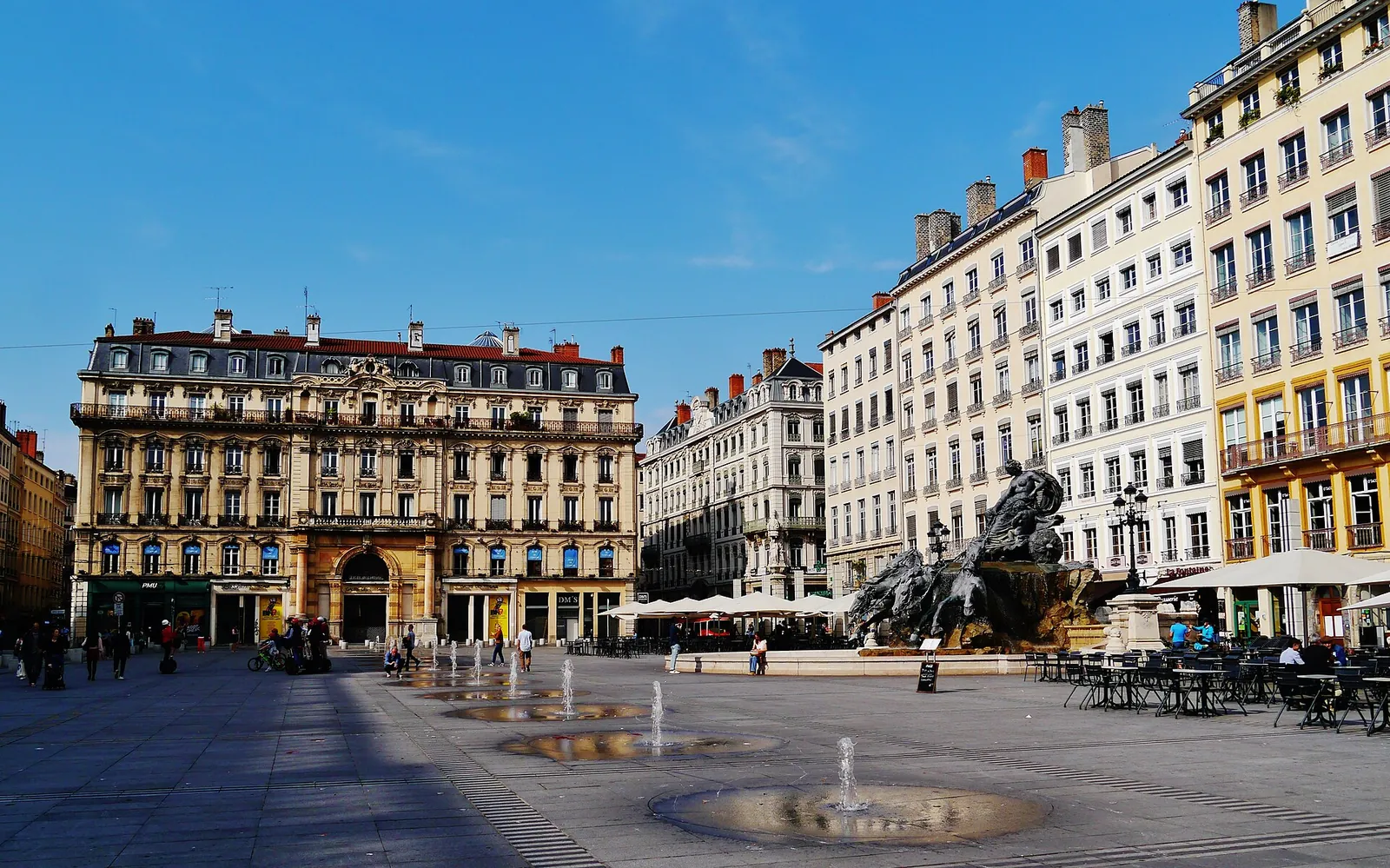
This is the day for grand squares and the silk weavers’ hill! Cross the Saône to the Presqu’île, the peninsula between the two rivers that forms the city centre. Start at Place Bellecour, one of the largest squares in Europe. The Lyon Tourist Office team is temporarily based in the Rectangle building on the square, a handy stop for maps and questions.
Walk north along the pedestrian rue de la République for about 15 to 20 minutes to Place des Terreaux, home to the City Hall and the Bartholdi fountain. On one side of the square is the Musée des Beaux-Arts de Lyon, housed in a former abbey with a peaceful garden courtyard. Its collections run from Egyptian antiquities to Impressionists and modern art.
The museum opens Wednesday to Monday from 10:00 am to 6:00 pm, and from 10:30 am on Fridays. Full price is EUR 8 for the collections and EUR 12 for exhibitions, with a separately priced major exhibition at times. The museum asks visitors to book a timed ticket online before arriving, even for free admissions such as Lyon City Card holders, though its online ticketing was showing a technical issue on our check, with tickets sold on site instead. Give it two to three hours.
Afternoon
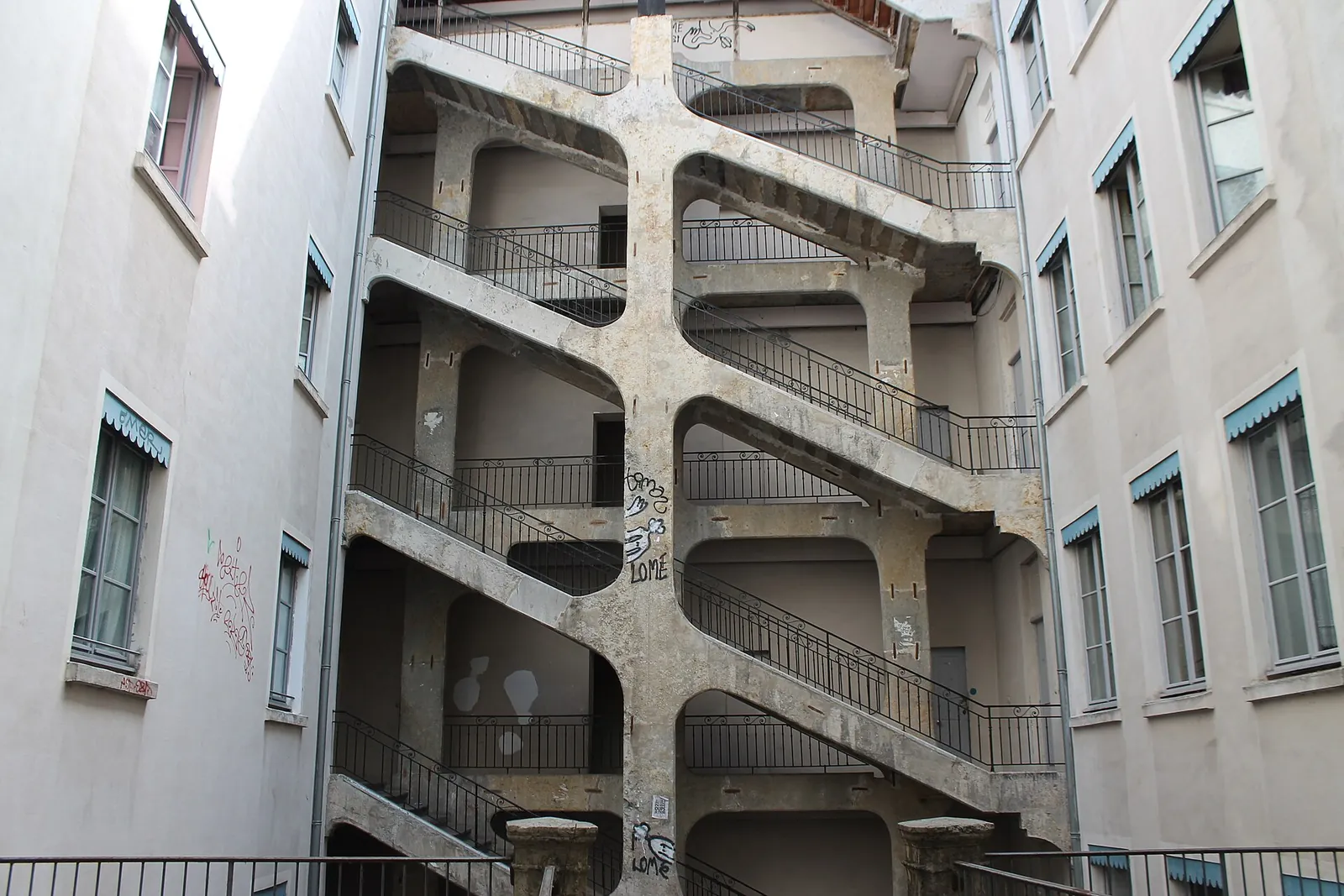
After lunch, get ready to climb the slopes of Croix-Rousse, the hill just north of Terreaux. In the 19th century this was the district of the canuts, Lyon’s silk weavers, and its traboules were used to carry silk down to the merchants at the foot of the hill. The tourist office notes that they also sheltered the canuts during their 1831 revolt and the Lyon Resistance during the Second World War.
The highlight is the Cour des Voraces, whose traboule starts at 9 Place Colbert and leads to 29 rue Imbert-Colomès and 14 bis montée Saint-Sébastien. Look up at its monumental six-storey staircase. Nearby, Passage Thiaffait (between 30 rue Burdeau and 19 rue Leynaud) is the liveliest traboule, home to independent designers, and the Cour du Moirage (5 Place Croix-Paquet to 3 bis Petite Rue des Feuillants) is one of the most elegant.
Keep climbing to the plateau at the top of Croix-Rousse, which feels like a village of its own with cafés and small shops. If your legs are tired, check the TCL journey planner for the metro up the hill.
Evening
Head back down to the Presqu’île for dinner. The streets around Terreaux and the quays of the Rhône are good for an evening stroll, and the bridges give lovely views of Fourvière lit up after dark.
Day 3: Les Halles, Tête d’Or park and Confluence
Morning
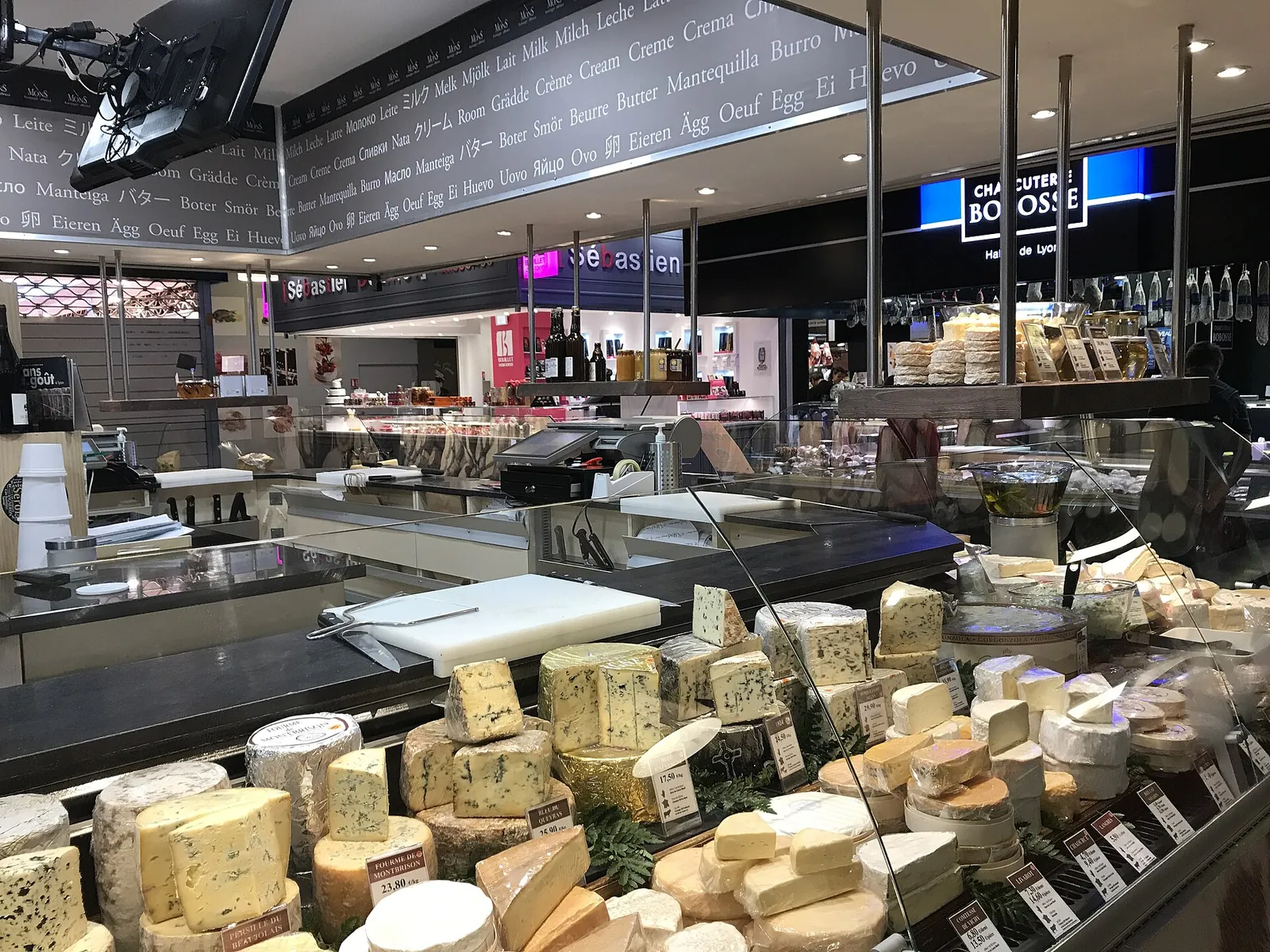
Save your appetite for this one: today you cross to the left bank of the Rhône. Start at the Halles de Lyon Paul Bocuse, the city’s famous covered food market at 102 Cours Lafayette (metro Place Guichard, or tram T1 at Mairie du 3ème). Most stalls open Monday to Saturday from 7:30 am to 7:30 pm and Sunday from 7:30 am to 1:00 pm. Wander past cheese counters, charcuterie, pastries and oyster bars. The market’s restaurants serve lunch from 11:30 am to 2:30 pm, Monday to Saturday, so an early lunch here works perfectly. Individual stalls keep their own hours, so check the market website if one in particular matters to you.
From Les Halles, head north to the Parc de la Tête d’Or, a huge city park with a lake, rose gardens and greenhouses. It is about a 25-minute walk, or a short metro or bus ride. Entry is free. From 15 October to 14 April the park opens from 6:30 am to 8:30 pm, and from 15 April to 14 October until 10:30 pm. Entry stops 15 minutes before closing. The park also has a zoo, whose hours can differ from the park’s, so check lyon.fr.
Afternoon
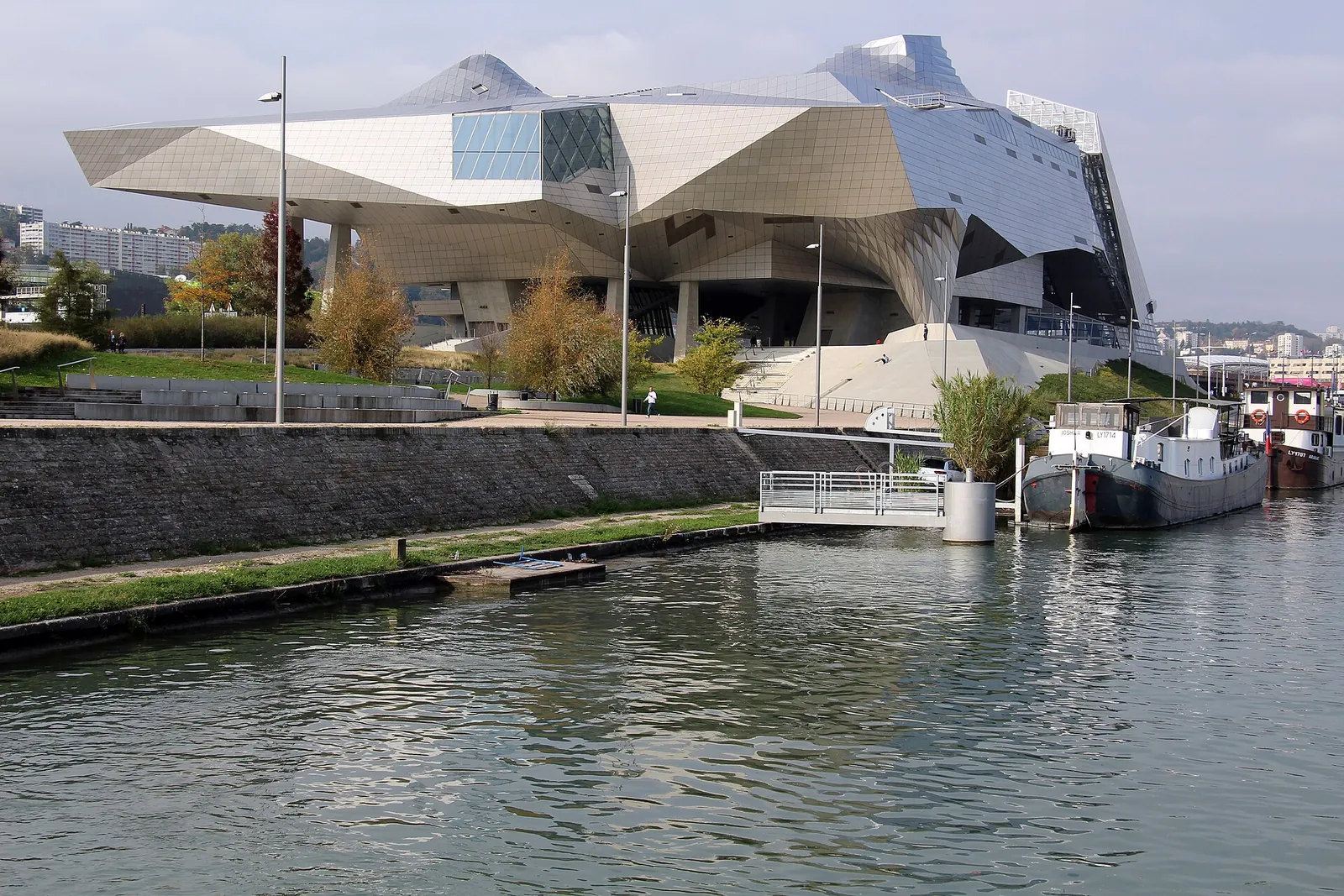
Take tram T1 south to the Musée des Confluences stop. The museum sits where the Rhône and Saône meet, in a striking glass and steel building. Inside, exhibitions cover natural history, anthropology and the story of life on Earth, and kids love it.
It opens Tuesday to Sunday from 10:30 am to 6:30 pm, with late opening until 10:00 pm on the first Thursday of the month. Full price is EUR 12, concessions EUR 7, and entry is free for under-18s. Allow two to three hours, then walk out to the tip of the peninsula to see the two rivers join.
Evening
The Confluence district around the museum is Lyon’s modern waterfront, with contemporary architecture along the docks. Stay for sunset by the water, then take tram T1 back towards Perrache and the centre for a final Lyonnais dinner.
Getting there and getting around
From Lyon-Saint-Exupéry Airport: The Rhônexpress tram links the airport and central Lyon in about 30 minutes, with a departure every 15 minutes, seven days a week from 4:25 am to midnight. An adult single costs EUR 16.30 online or EUR 17.40 from the ticket machine, and a return EUR 28.50 online or EUR 30.30 at the machine. Children under 12 travel free. The operator notes that some ticket machines are currently out of service, so buying online is the safer bet. Taxis and ride-hailing are also available; check the official airport site for current fixed fares.
By train: Lyon has two main stations, Part-Dieu and Perrache, with high-speed TGV links to Paris and other cities. Check SNCF for timetables and fares.
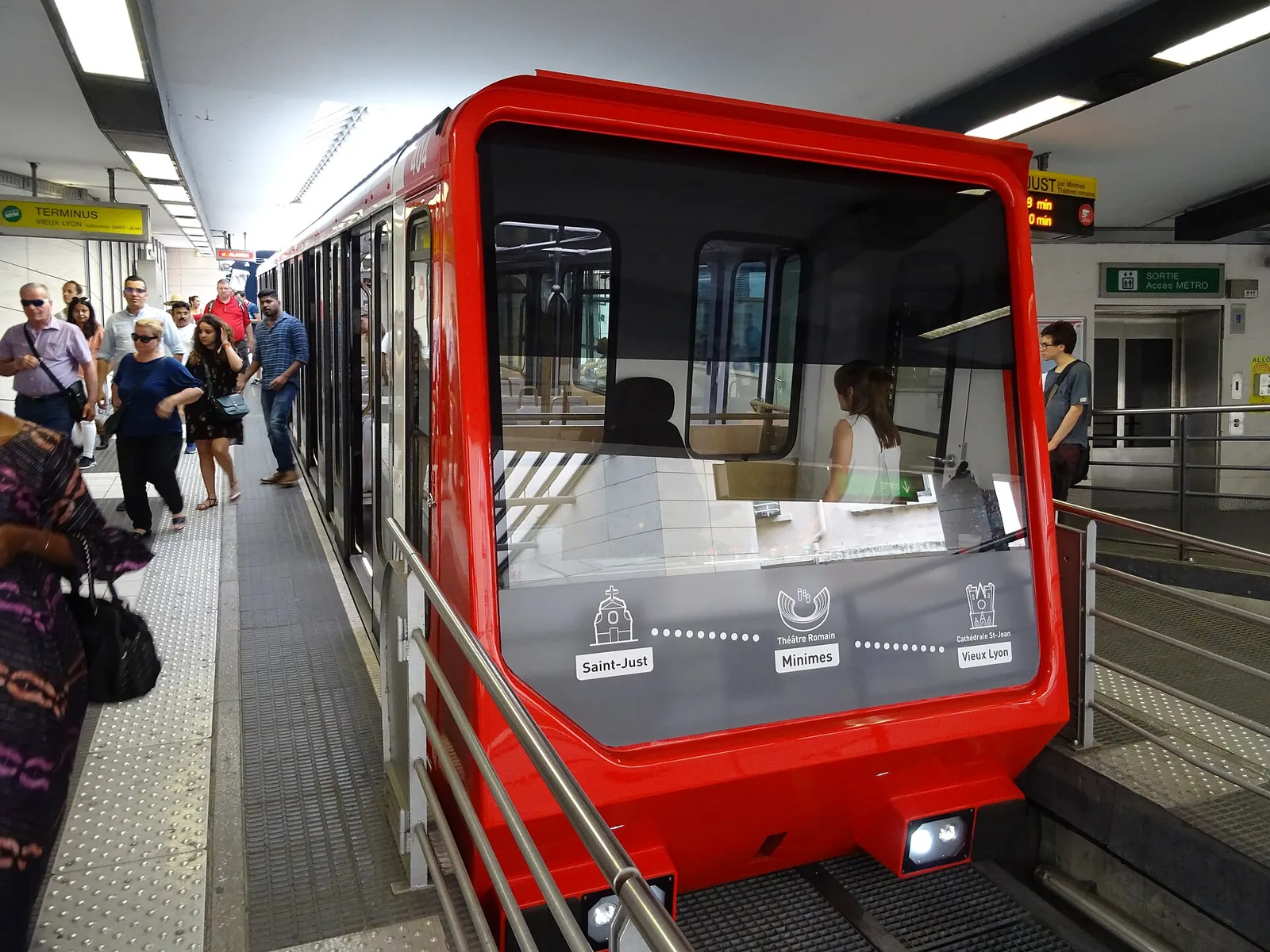
Getting around: The TCL network runs four metro lines (A, B, C and D), trams, buses and two funiculars: F1 to Saint-Just and F2 to Fourvière. A single ticket is valid for one hour across two zones, including connections, and 24, 48 and 72-hour unlimited passes are available. You must validate every time you board a bus or tram or enter a metro or funicular station. Contactless bank cards are accepted for eligible journeys in zones 1 and 2. For current fares, check the official TCL site (tcl.fr), as prices change.
Lyon City Card: The tourist office’s card bundles unlimited TCL transport in zones 1 and 2 (metro, tram, bus and funicular) with free entry to 26 museums, a guided tour and a Saône river cruise (included in winter; a sightseeing bus tour is offered in summer instead). Current adult prices: EUR 29.90 for 24 hours, EUR 41.90 for 48 hours and EUR 52.90 for 72 hours. A version with a return Rhônexpress trip costs EUR 77 for 72 hours. All three museums in this plan are among the classic City Card museums, but confirm the list on the card’s page before buying.
Where to stay
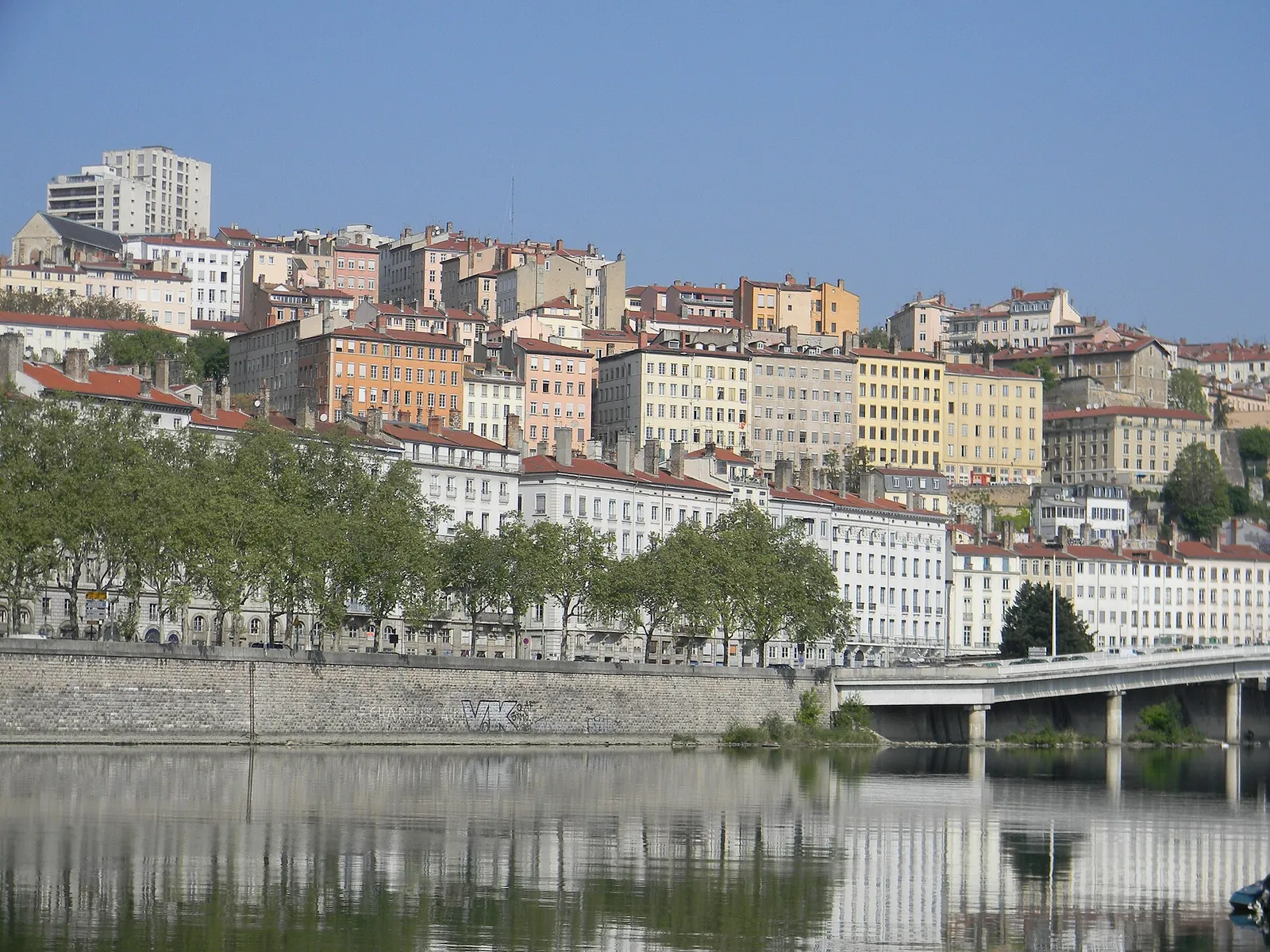
- Presqu’île (Bellecour to Terreaux): The most central base, flat, walkable and well connected by metro. Ideal for first-timers who want shops, restaurants and both rivers on the doorstep.
- Vieux Lyon: Atmospheric and romantic, right under Fourvière with the funicular on hand. Streets are cobbled and can be noisy in the evening, and some buildings have stairs and no lift.
- Part-Dieu and the 3rd arrondissement: Practical if you arrive by train or Rhônexpress, close to Les Halles, with good transport links, though less charming.
- Croix-Rousse: A calmer, village-like hill with a local feel. Great for repeat visitors and slower travellers, with metro line C down to the centre.
Budget
| Item | Typical cost |
|---|---|
| Rhônexpress airport tram, adult single | EUR 16.30 online / EUR 17.40 at machine |
| Rhônexpress return | EUR 28.50 online / EUR 30.30 at machine |
| Lyon City Card, 72 hours | EUR 52.90 |
| Lyon City Card, 72 hours with Rhônexpress return | EUR 77 |
| Lugdunum museum, full price | EUR 4 (EUR 7 during temporary exhibitions) |
| Musée des Beaux-Arts, full price | EUR 8 collections / EUR 12 exhibitions |
| Musée des Confluences, full price | EUR 12 |
| Basilica of Fourvière, Roman theatres, traboules, Tête d’Or park | Free |
| TCL tickets and passes | Check the official site |
Without the City Card, the three museums come to about EUR 24 to 31 per adult, plus local transport. With the card, sights and transport for three days are covered for EUR 52.90. The daily figure in our summary covers sights and local transport only. It excludes accommodation, meals, drinks, flights and the airport transfer.
Practical tips
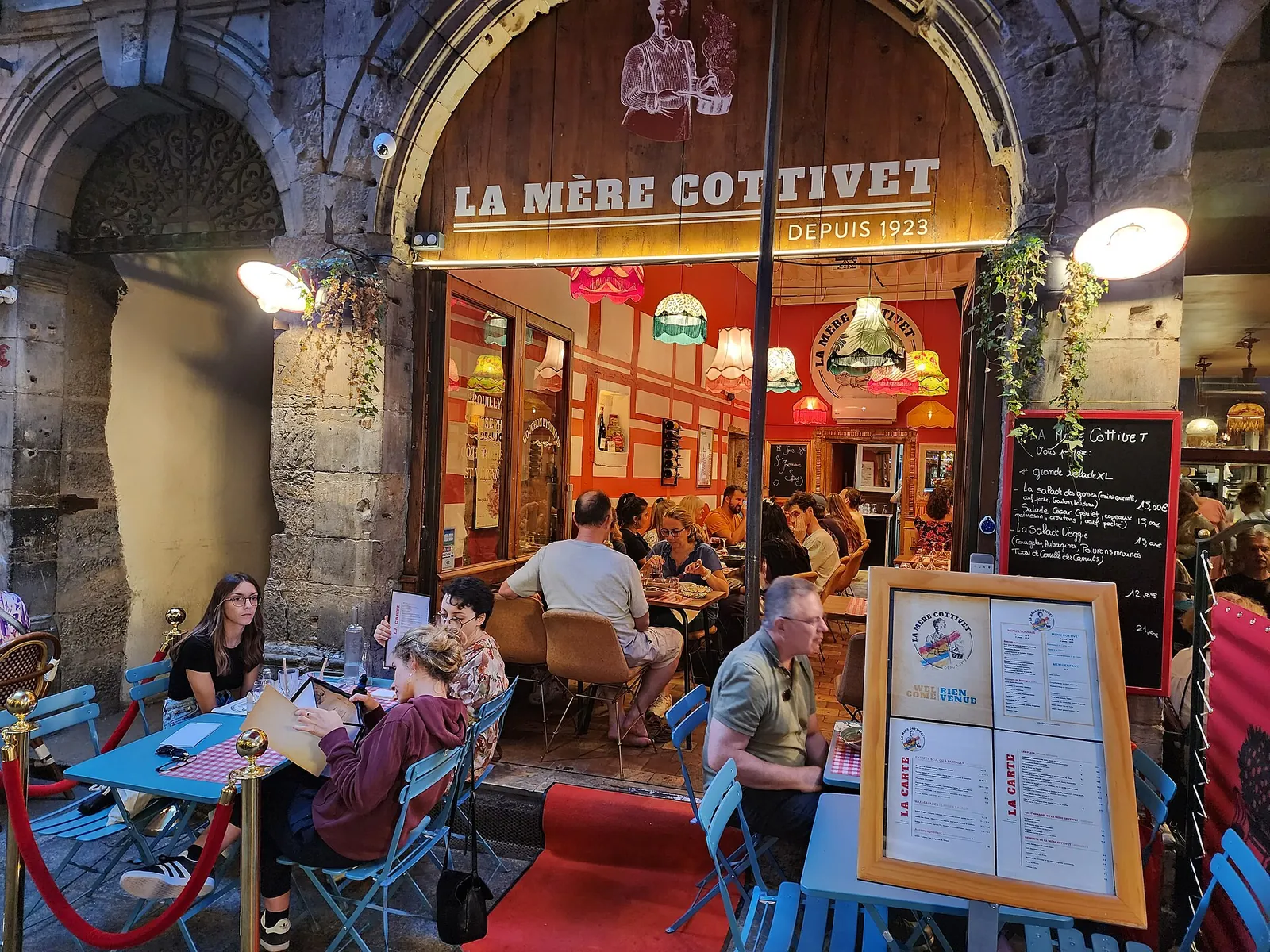
- Plan around closing days: Beaux-Arts closed Tuesdays; Lugdunum and Confluences closed Mondays. Many museums also close on French public holidays.
- Book timed tickets at the Musée des Beaux-Arts when online sales are working, and reserve bouchon tables, especially for Friday and Saturday.
- Carry some cash. Most places take cards, but the Lugdunum museum desk is currently cash and cheque only.
- Wear good shoes. Fourvière and Croix-Rousse are steep, and Vieux Lyon is cobbled.
- Use the funiculars to save your legs on the way up, then walk down.
- SIM and eSIM: EU roaming applies for European SIMs. Other visitors can buy a local SIM or an eSIM before arrival.
- Visa and entry: Rules depend on your nationality. Check the official France-Visas website (france-visas.gouv.fr) well before you travel.
Heads-up
Lyon is a welcoming, easygoing city, but a few things are worth knowing so nothing spoils your trip:
- Pickpockets: The UK government’s travel advice for France warns that thieves often work in pairs, one distracting you while the other takes from your bag, around transport, stations, cash machines and tourist sites. Carry your bag across your body and keep valuables in separate pockets.
- Security: The same advice rates the terrorism threat in France as high, with crowded places, transport hubs and nightlife venues as possible targets. Stay alert in big crowds and follow police instructions.
- Strikes and protests: These can start with little warning in French cities and disrupt transport. Check the news and allow extra time for airport and train connections.
- Drink spiking: The advice also mentions drink spiking. Keep your glass in view on nights out.
- Windy days: The City of Lyon closes its large parks, including Tête d’Or, when winds exceed 70 km/h. Have a museum as a backup.
- Emergencies: Call 112 for emergency services.
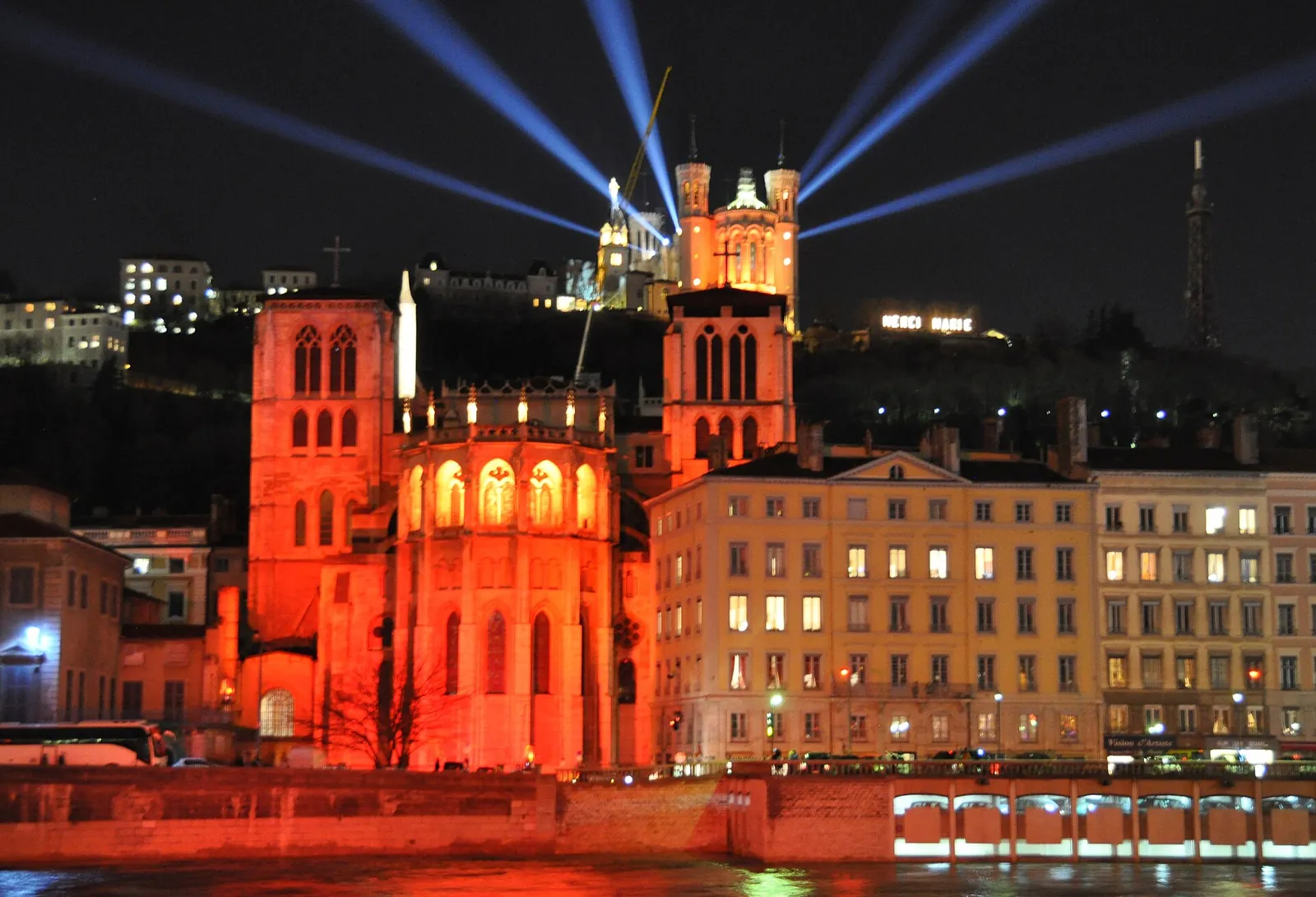
- Fête des Lumières: The famous Festival of Lights runs from Saturday 5 to Tuesday 8 December 2026. It is magical, but expect big crowds and book accommodation early if your dates overlap.
FAQ
Is 3 days enough for Lyon?
Yes. Three days covers Vieux Lyon, Fourvière, the Presqu’île, Croix-Rousse and the Confluence at a comfortable pace, with time for long lunches. Add a fourth day if you want a day trip or more museums.
Is the Lyon City Card worth it?
If you visit the three museums in this plan and use public transport daily, the 72-hour card at EUR 52.90 usually works out well, and it adds a river cruise and a guided tour. If you plan mostly free sights and walking, pay as you go instead.
How do I get from Lyon airport to the city centre?
Take the Rhônexpress tram: about 30 minutes, a departure every 15 minutes, EUR 16.30 single online. Buy online, as some ticket machines are out of service.
Do I need to book anything in advance?
Book a timed ticket for the Musée des Beaux-Arts when its online system is working, and reserve your bouchon dinners. Fourvière basilica, the Roman theatres and the traboules need no booking.
Can I visit the traboules for free?
Yes, the publicly accessible traboules are free during the day. Only some are open, and they pass through private homes, so keep your voice down and respect closed doors.
When is the best time to visit Lyon?
Spring (April to June) and autumn (September to October) are pleasant for walking. Early December brings the Fête des Lumières, the city’s biggest event.
Sources
Prices, hours and rules change. We checked these on 1 November 2026; please confirm on the official page before you book.
- Rhônexpress, the Lyon airport tram (official site)
- Rhônexpress fares (official site)
- Lyon City Card (Lyon Tourist Office shop)
- Public transport in Lyon: travelling with TCL (Lyon Tourist Office)
- Practical information (Basilique Notre-Dame de Fourvière)
- Opening hours and rates (Lugdunum, Musée et théâtres romains)
- Lugdunum, Musée et théâtres romains (official site)
- Ticketing and admission (Musée des Beaux-Arts de Lyon)
- Musée des Beaux-Arts de Lyon (official site)
- Musée des Confluences (official site)
- Getting here (Musée des Confluences)
- Lyon's traboules and courtyards (Lyon Tourist Office)
- Vieux Lyon traboules and courtyards (Lyon Tourist Office)
- Courtyards and traboules of Croix-Rousse (Lyon Tourist Office)
- Parc de la Tête d'Or (Ville de Lyon)
- Informations utiles (Halles de Lyon Paul Bocuse)
- Fête des Lumières (Ville de Lyon official site)
- Safety and security: France travel advice (GOV.UK, FCDO)
Photo credits (11)
- Red footbridge and colourful Saône quays at Saint-Georges, Lyon: Phinou, CC BY-SA 3.0, via Wikimedia Commons
- Pink Renaissance tower courtyard off rue du Bœuf, Vieux Lyon: Fred Romero from Paris, France, CC BY 2.0, via Wikimedia Commons
- The white Fourvière basilica above green hillside, Lyon: Dennis G. Jarvis, CC BY-SA 2.0, via Wikimedia Commons
- Fountains and grand facades on sunny Place des Terreaux: Zairon, CC BY-SA 4.0, via Wikimedia Commons
- The monumental staircase of the Cour des Voraces, Croix-Rousse: John Samuel, CC BY-SA 4.0, via Wikimedia Commons
- Cheese counter piled high at Les Halles Paul Bocuse: Benoît Prieur, CC0, via Wikimedia Commons
- Musée des Confluences beside the water at Confluence: Fred Romero from Paris, France, CC BY 2.0, via Wikimedia Commons
- Bright red funicular waiting at Vieux Lyon station: Remontees, CC BY-SA 4.0, via Wikimedia Commons
- Croix-Rousse hillside homes seen across the Rhône: Xavier Caré / Wikimedia Commons, CC BY-SA 3.0, via Wikimedia Commons
- Lively bouchon terrace on rue Mercière, Lyon: Lyon-plaisirs, CC BY 4.0, via Wikimedia Commons
- Saint-Jean cathedral glowing red during the Fête des Lumières: Gérald Martinez, CC BY-SA 3.0, via Wikimedia Commons
More France itineraries
 3 days
3 Days in Nice and the French Riviera: Itinerary
A 3-day Nice itinerary: Old Town and Castle Hill, Matisse and Chagall in Cimiez, Villefranche, then Èze and Monaco by bus and train.
 3 days
3 Days in Paris: A Day-by-Day Itinerary
A 3-day Paris itinerary: Notre-Dame and Sainte-Chapelle, the Louvre, the Arc de Triomphe, the Eiffel Tower and Montmartre.
 3 days
3 Days in Bordeaux: A Day-by-Day Itinerary
A 3-day Bordeaux plan: the UNESCO old town and water mirror, Chartrons and the Cité du Vin, then a train day trip to medieval Saint-Émilion.
Compare all France itineraries →
This is a researched plan, not a personal trip report. How we research · Affiliate disclosure