
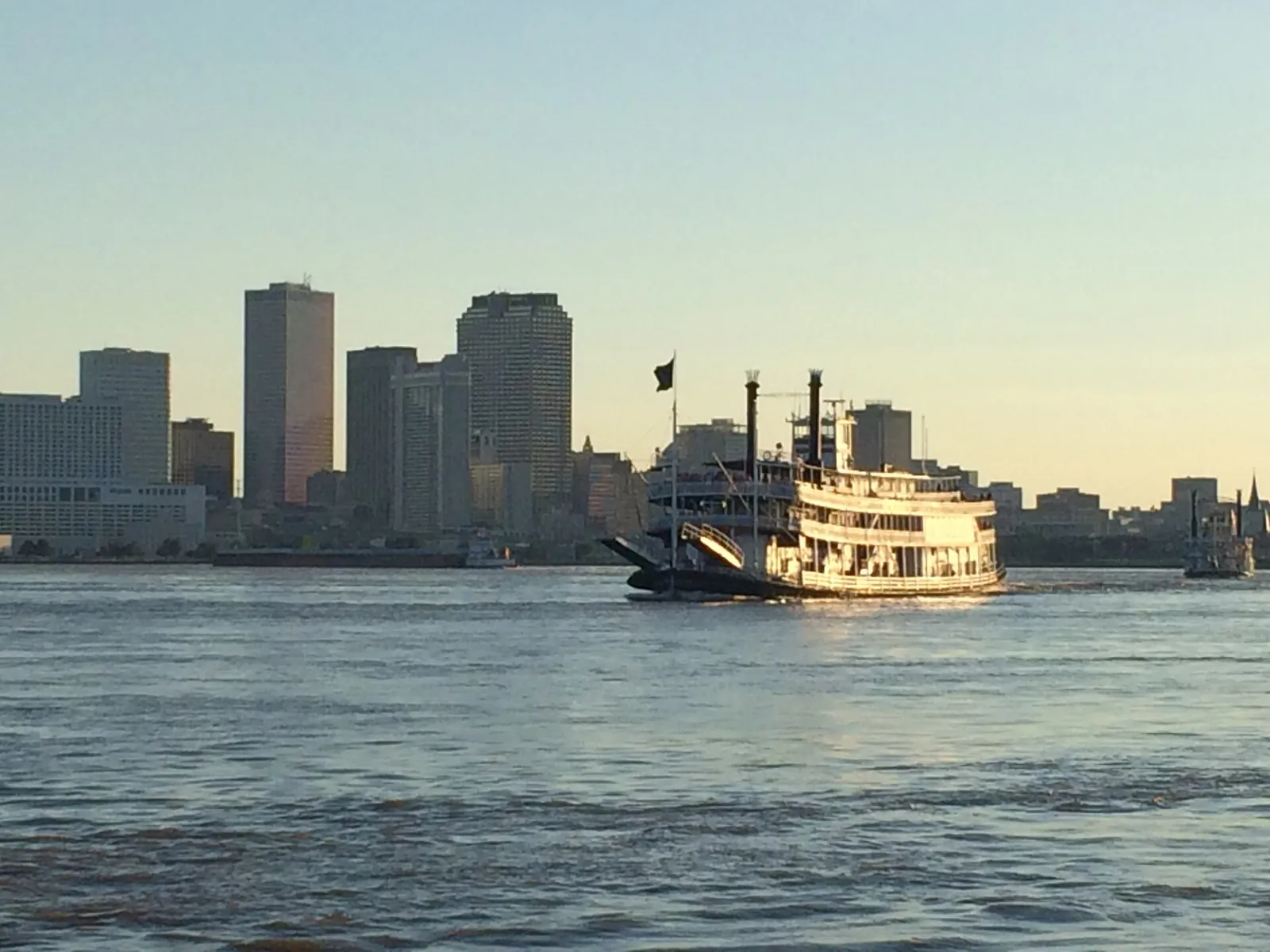
3 Days in New Orleans: A Day-by-Day Itinerary
A 3-day New Orleans plan: the French Quarter, the St. Charles streetcar to the Garden District, the WWII Museum, Frenchmen Street music and a swamp or plantation day.
- 🗓️ Trip length
- 3 days
- ☀️ Best time
- February to May, and late October to November (hurricane season runs June to November)
- 💰 Daily spend
- Varies by choices, see the Budget section for verified prices (USD)
- ✅ Facts checked
- 1 November 2026
Get ready for a city that runs on music, food and good manners. New Orleans packs a lot into a small footprint: iron balconies and Creole cottages in the French Quarter, oak-shaded mansions along St. Charles Avenue, one of the best history museums in the country, and live bands playing most nights of the week. Three days is enough to see the highlights and still leave room for a long lunch.
This plan is made for first-time visitors who love to explore on foot. Each day is grouped by area: the French Quarter on Day 1, the streetcar ride to the Garden District plus the National WWII Museum on Day 2, and a choice of a wetlands trip or the Whitney Plantation on Day 3, with Frenchmen Street music in the evenings. It was written on 1 November 2026, so it leans on autumn details and flags where seasonal changes matter.
3 days in New Orleans at a glance
| Day | Area | Highlights |
|---|---|---|
| 1 | French Quarter | Jackson Square, the Cabildo, the French Market, Royal Street, Preservation Hall |
| 2 | Garden District and Warehouse District | St. Charles streetcar, Garden District homes, Lafayette Cemetery No. 1 tour, National WWII Museum |
| 3 | Out of town, then the Marigny | A swamp or wetlands trip, or the Whitney Plantation, then Frenchmen Street |
Day 1: The French Quarter
Morning
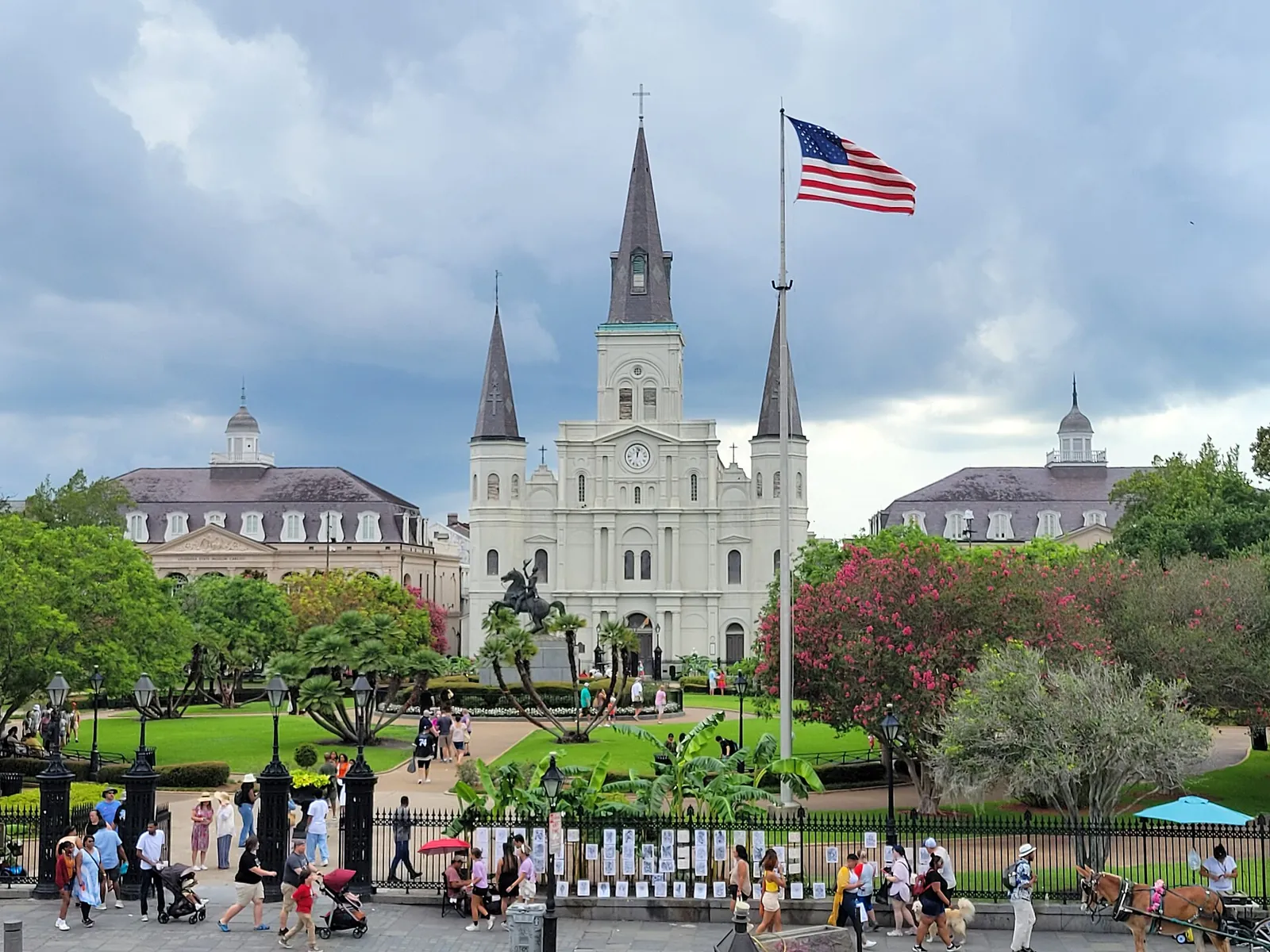
This is the day to fall for the French Quarter. Start at Jackson Square, the old parade ground at the heart of the French Quarter. The square is framed by St. Louis Cathedral and two historic civic buildings, and street artists often set up along its iron fence. We could not open the cathedral’s own site to confirm visiting hours, so check stlouiscathedral.org before you go, and remember that it is an active church with regular services.
Next door to the cathedral is the Cabildo (701 Chartres Street), the building where the Louisiana Purchase was formalized in 1803 and now part of the Louisiana State Museum. It is open daily 9:00 a.m. to 4:00 p.m., with the last ticket sold at 3:30 p.m. Admission is $15 for adults and $13 for Louisiana residents, and children 6 and under are free. Seniors, military and students with ID get $2 off. Note the November closures listed on the museum site: an early 1:00 p.m. close on Wednesday 4 November 2026 and a full closure on Thursday 5 November 2026 for private events. The museum also closes on Mondays in the summer season.
Afternoon
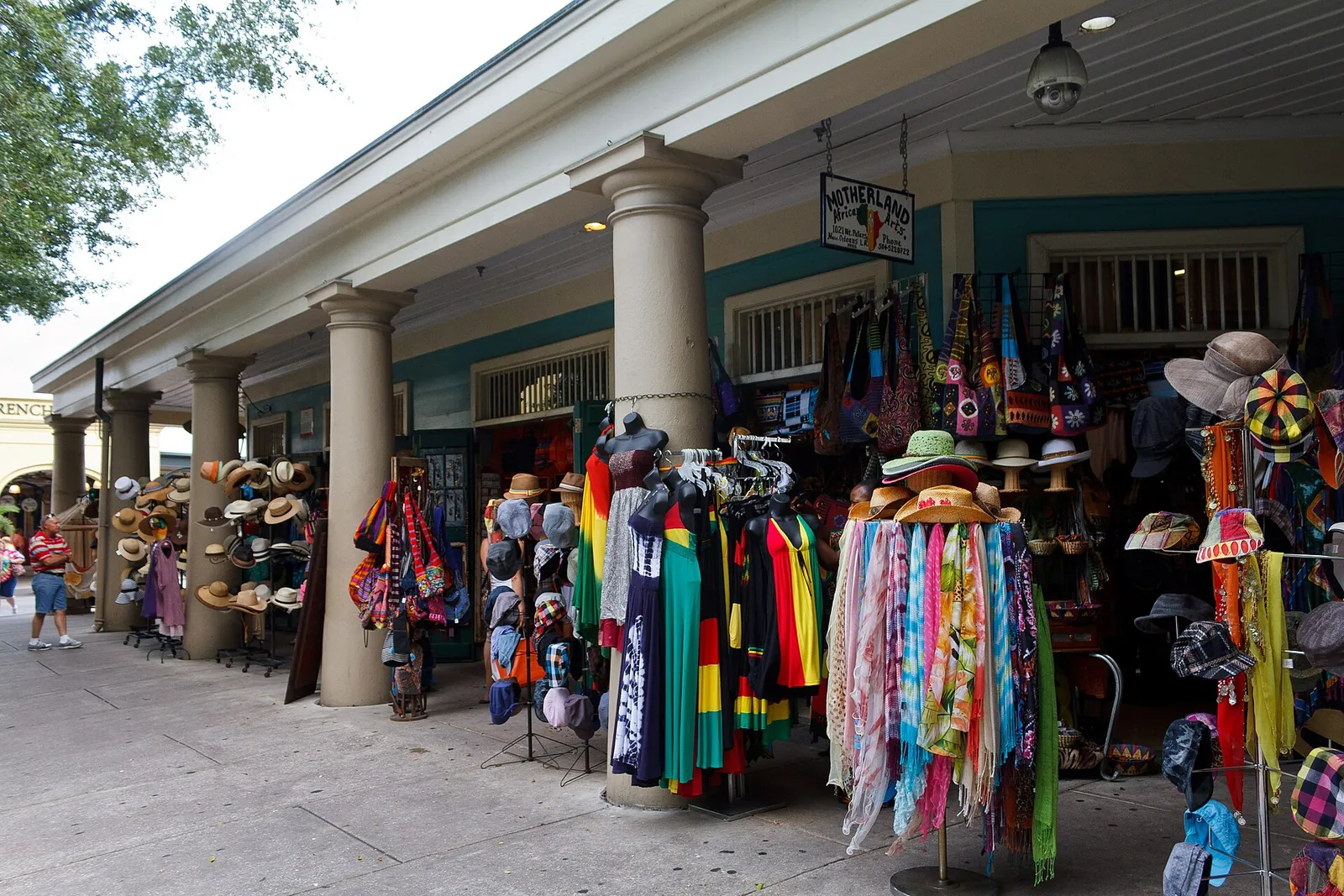
Walk a few blocks downriver to the French Market (1008 North Peters Street). The market’s official site says it has been trading since 1791 and is open 10 a.m. to 6 p.m. daily, including holidays, with flea market vendors typically packing up around 5 p.m. It is a good place for snacks, local hot sauce and small souvenirs.
The famous beignets at Cafe du Monde are close by on Decatur Street. We could not open the cafe’s website to confirm current hours or payment options, so check before you go. Expect a queue at busy times.
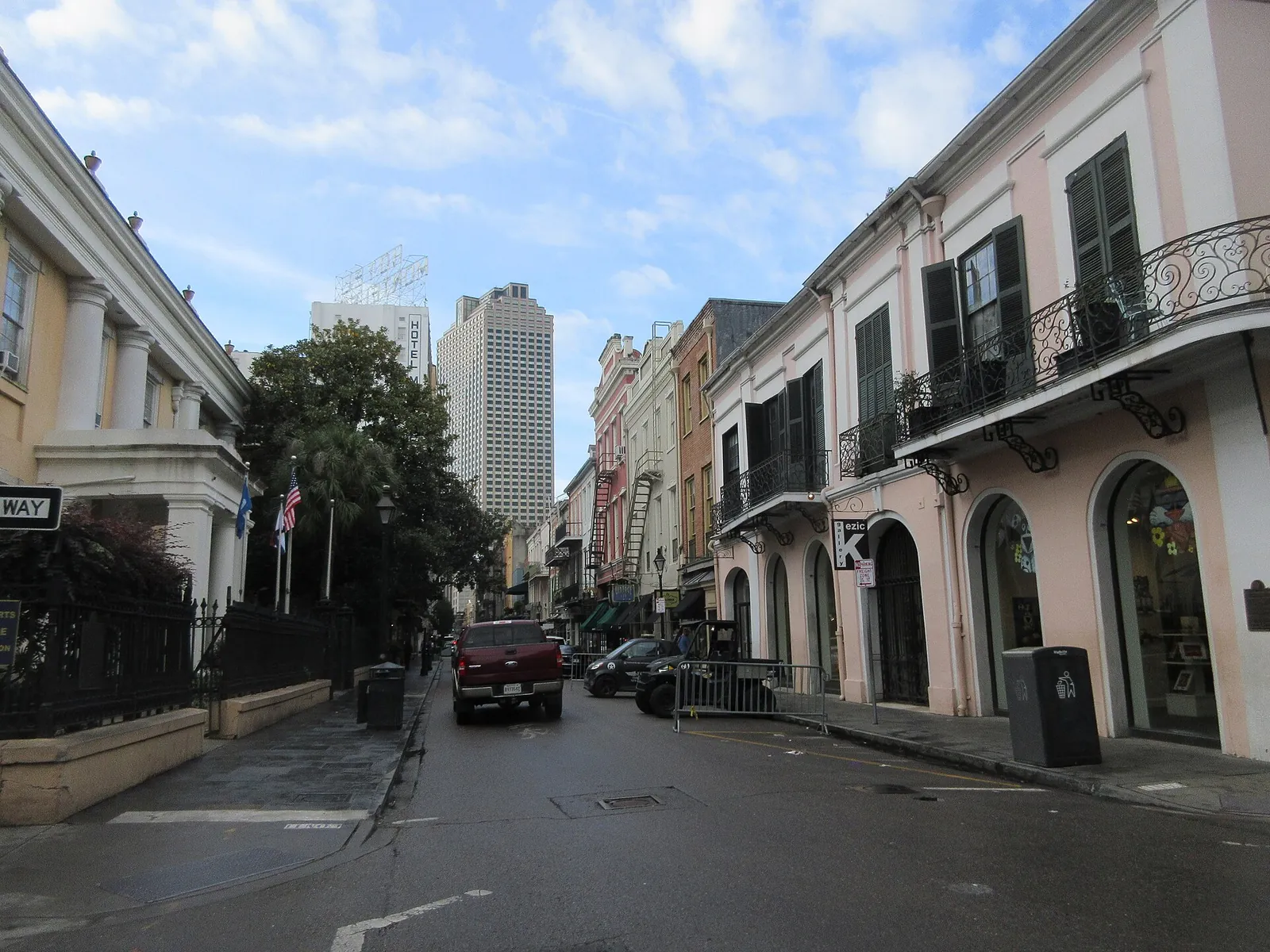
Spend the rest of the afternoon wandering Royal Street and Chartres Street, where galleries, antique shops and wrought-iron balconies make the Quarter’s best people-watching. Bourbon Street is a block away if you want to see it, though it is louder and busier after dark.
Evening
Book an early show at Preservation Hall (726 St. Peter Street), the small hall dedicated to traditional New Orleans jazz. Each performance lasts 45 minutes and your ticket covers one show only. Tickets must be bought online in advance, are non-refundable, and cash is not accepted at the door. The hall says shows are usually scheduled about two weeks before each month starts, so check the calendar early. It is an all-ages venue. Doors open about 20 minutes before showtime, and the hall suggests arriving at least 15 minutes early. Ticket prices were not listed on the pages we opened, so check preservationhall.com.
Have dinner in the Quarter afterwards. Gumbo, red beans and rice, po’boys and shrimp creole are all easy to find.
Day 2: The St. Charles streetcar, Garden District and the WWII Museum
Morning
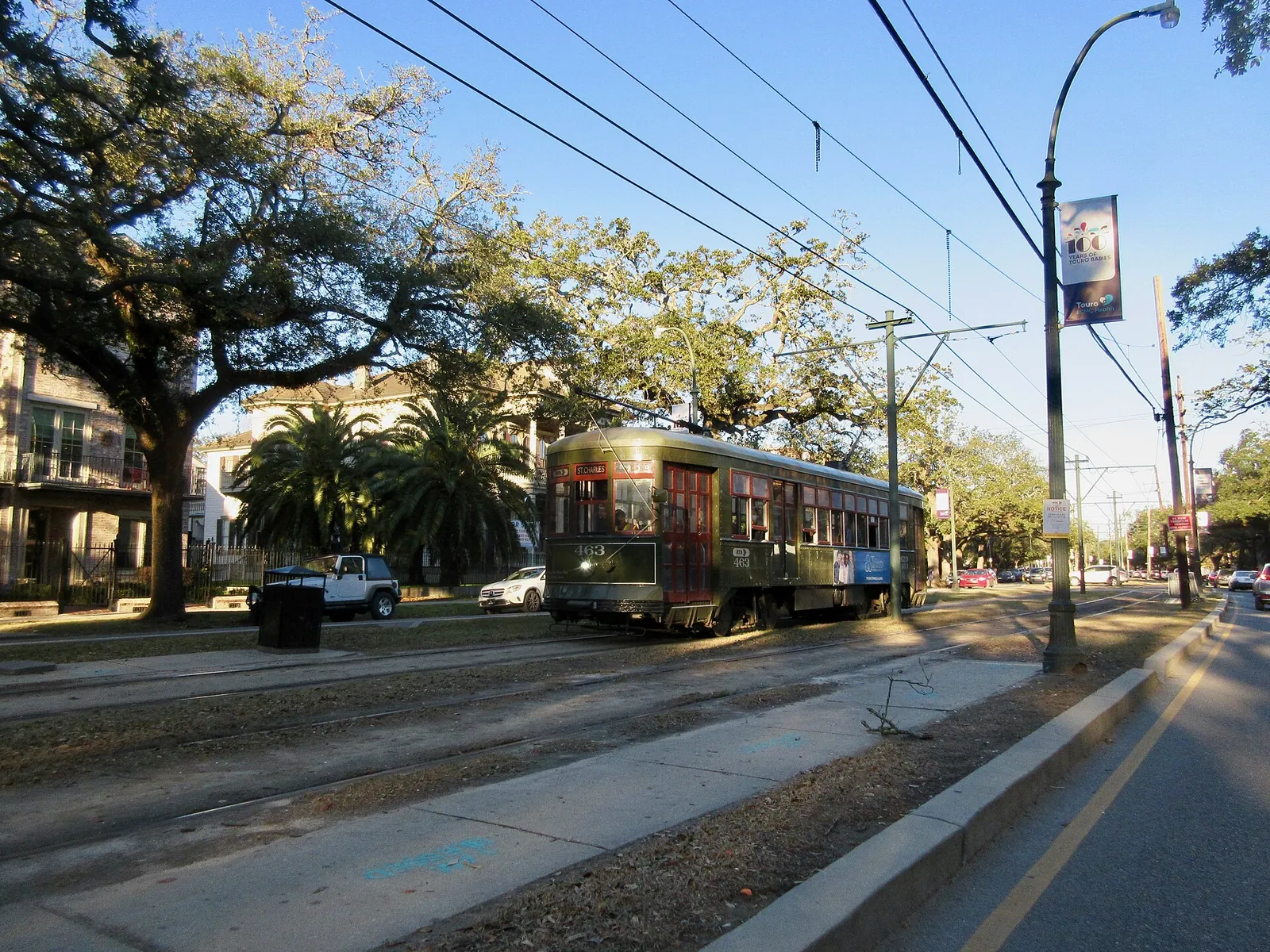
Today starts with one of the city’s most charming rides. Hop on the St. Charles streetcar (RTA Route 12), the line with the classic green streetcars that runs along oak-lined St. Charles Avenue from the edge of the French Quarter and the Central Business District toward Uptown. A single ride is $1.25, or use a Jazzy Pass (see Getting around). Check the RTA’s site or the Le Pass app for the current timetable and the stop nearest your hotel, and have exact fare ready if you pay cash on board. We did not verify the timetable or journey times.
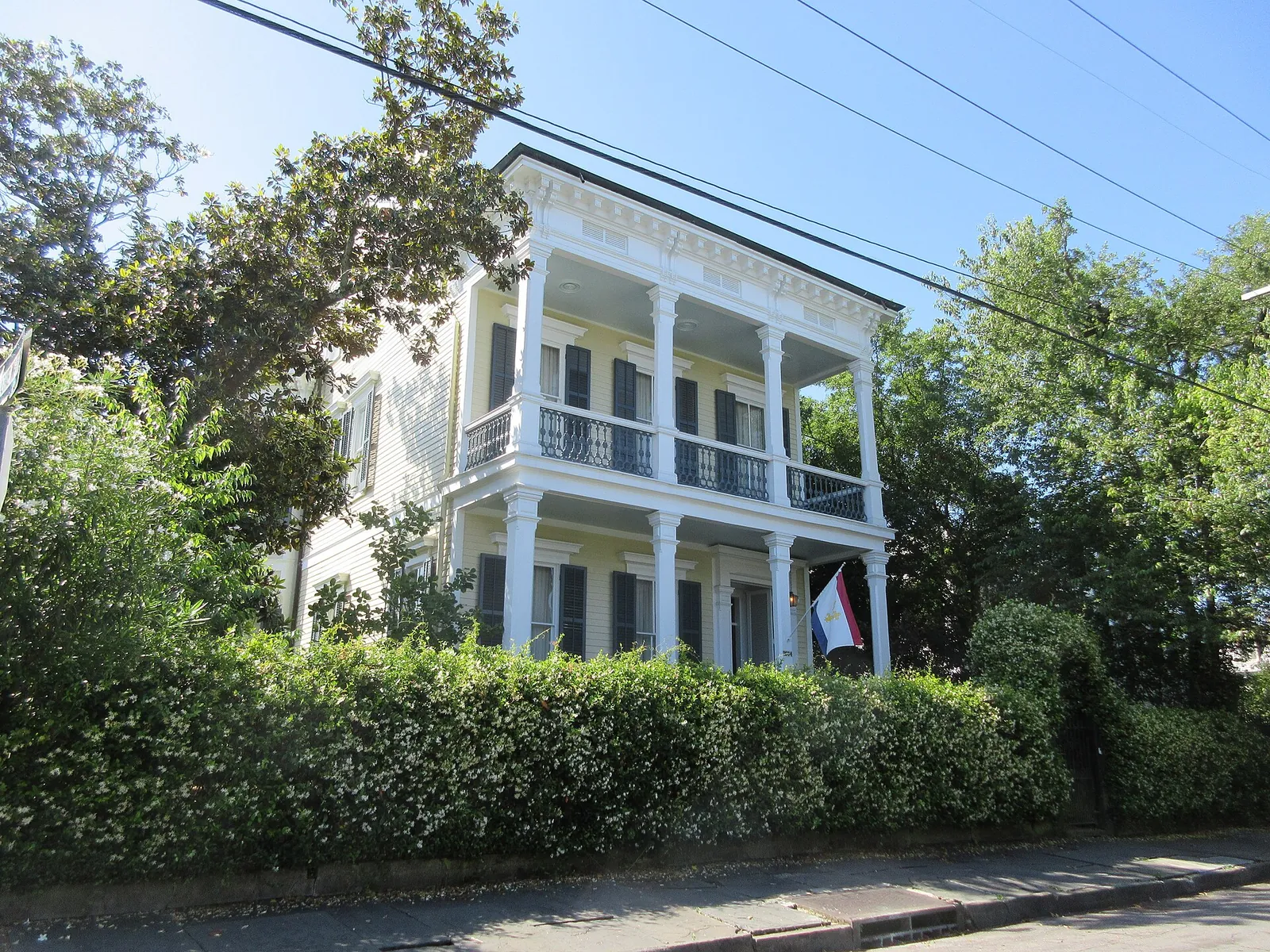
Get off around Washington Avenue to explore the Garden District, a neighbourhood of 19th-century mansions, wide porches and lush gardens. It is a pleasant place to stroll at your own pace. The houses are private homes, so admire them from the sidewalk.
Big news for 2026: Lafayette Cemetery No. 1, on Washington Avenue, reopened to visitors on 1 October 2026 after a seven-year closure. According to the WLOX report, visits are by small guided tours only, six sessions a day with groups of 16 or fewer, booked through the Preservation Resource Center at prcno.org. The tour price was not stated in the report, so check prcno.org and book ahead rather than turning up at the gate.
Afternoon
Take a lunch break along Magazine Street, which runs parallel to St. Charles and is lined with shops and cafes. Then head back toward downtown for The National WWII Museum (945 Magazine Street, in the Warehouse District).
The museum is open daily 9:00 a.m. to 5:00 p.m. and closed on Mardi Gras Day, Thanksgiving Day, Christmas Eve and Christmas Day. General admission is $37 for adults, $34 for seniors (65 and over) and $27 for students (K-12 and college), with children under 5 free. The campus spreads across several buildings, so allow at least three to four hours and decide which galleries matter most to you before arriving. Extras such as films may cost more, so check the museum’s site when you book.

Evening
The museum is in the Warehouse District, which is a short walk from the Central Business District and has plenty of restaurants for an early dinner. If you still have energy, take a cab or the streetcar back toward the Quarter and walk along the riverfront near Jackson Square after dark.
Day 3: Swamp or plantation, then Frenchmen Street

Morning and afternoon: pick one
Today you pick your own adventure, then wrap up the trip with live music in the Marigny.
Option A: a swamp or wetlands trip. Louisiana’s bayous are a big part of the region’s identity, and many commercial swamp tours run from New Orleans by boat, often with hotel pickup. We did not verify prices or operators, so compare reviews, check what is included, and book with a licensed company.
If you plan to drive, the National Park Service’s Barataria Preserve (part of Jean Lafitte National Historical Park and Preserve, outside Marrero) is the classic free option, but check before you go. From 2 February 2026 its visitor center and most trails are closed for about two years of repairs after Hurricane Ida. The NPS says the Twin Canals parking lot, trail and canoe launch stay open as a day-use area with no restrooms. Rangers staff the Wetland Trace Boardwalk at the Louisiana Wetlands Education Center (4917 City Park Drive, Jean Lafitte) 10 a.m. to 2 p.m. on Wednesdays and Thursdays, with a guided walk at 1 p.m. The education center charges $10 for adults and $5 for seniors and ages 13 to 17, with children under 12 free with a parent. The NPS reminds visitors never to approach or feed alligators.
Option B: the Whitney Plantation. The Whitney, at 5099 Louisiana Highway 18 in Wallace, is a museum focused on the lives of enslaved people. It is a sobering and important visit. It is open 9:30 a.m. to 4:30 p.m., with last entry at 3:00 p.m., and is closed on Tuesdays and on several holidays, including Thanksgiving and 20 to 25 December. The self-guided audio tour (in six languages) costs $25 for adults and $11 for ages 6 to 18. The guided tour, which includes the upstairs of the Big House, costs $32 for adults and $15 for ages 6 to 18. Children under 6 are free. Plan about two hours on site.
The Whitney’s directions start with about 39 miles on I-10 West from downtown New Orleans, then local roads along the river. The museum warns that Uber and Lyft are generally not available on demand nearby, so arrange your return in advance, rent a car, or book a tour that includes transport. Most of the visit is outdoors on gravel, so wear comfortable shoes and bring bug spray.
Evening
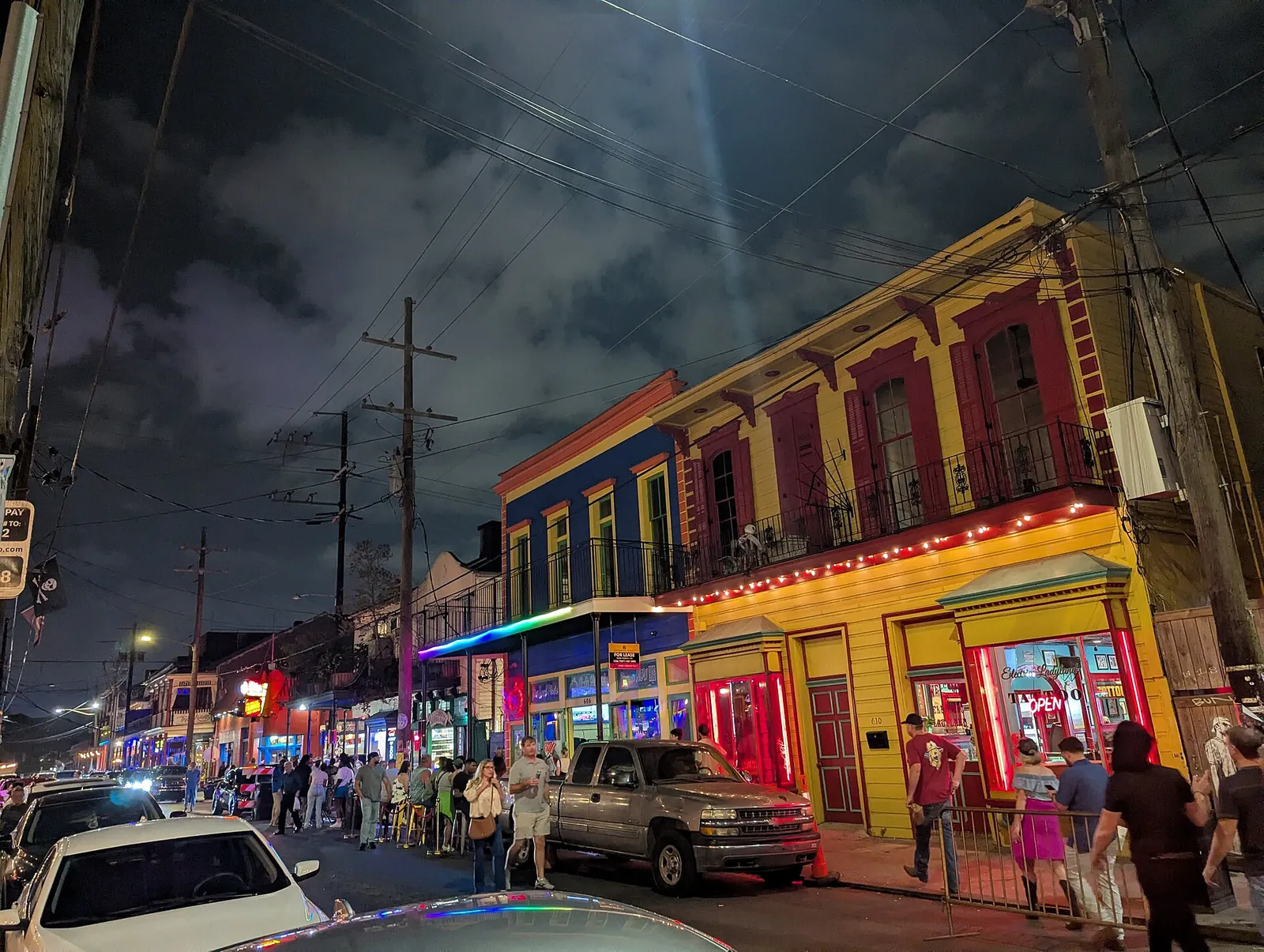
Save your energy for a grand finale on Frenchmen Street, in the Marigny just beyond the French Quarter. According to New Orleans & Company, most of the live music is between Esplanade Avenue and Royal Street, with clubs such as Snug Harbor, The Spotted Cat, d.b.a., Blue Nile and Cafe Negril. Most venues are 21 and over, though a few let younger guests in until a set time, so check ahead if you travel with teens.
The Frenchmen Art Bazaar sells paintings, jewelry and crafts by local artists. It opens at 7 p.m. nightly and closes at midnight Sunday to Wednesday and 1 a.m. at weekends. Cover charges and drink minimums vary by club and night, so bring some cash and tip the bands.
Getting there and getting around
From the airport (MSY): Louis Armstrong New Orleans International Airport lists the RTA 202 Airport Express at $1.25, with downtown stops at Elk Place at Cleveland or the Union Passenger Terminal (Bus Bay 2). Buses board at Level 1 Baggage Claim, outside Door 2 (Zones B4 and B5). The airport also lists Jefferson Transit’s E1 bus, which costs $2.00 into New Orleans and ends at City Park Avenue. Check the timetable on norta.com, since service is limited.
Taxi: the airport lists a flat taxi rate of $36 for up to two passengers to the Central Business District or the French Quarter (west of Elysian Fields), and $15 per passenger for three or more. Taxis load outside Level 1 Baggage Claim, Door 7, and must accept credit cards.
Local fares (per the RTA fare page): a single ride on bus or streetcar is $1.25. Jazzy Passes cover unlimited rides: $3 for 1 day, $8 for 3 days, $15 for 7 days and $45 for 31 days. A Regional Ride pass, which also works on Jefferson Transit, is $6. The RTA ferry costs $2. The page layout was hard to read for some pass prices, so confirm in the Le Pass app before buying.
How to pay: the RTA’s Le Pass app lets you pay for buses, streetcars and ferries without carrying change. The RTA also lists ticket vending machines and retail outlets. For a three-day trip with several streetcar rides, the 3-day Jazzy Pass is the simple choice.
Where to stay
- French Quarter: walkable to Jackson Square, Preservation Hall and Frenchmen Street. Best for a first visit, though some streets are noisy at night.
- Central Business District and Warehouse District: close to the WWII Museum, the streetcar and the airport bus. Often good value.
- Marigny: quieter, with Creole cottages and the Frenchmen Street clubs on your doorstep.
- Garden District and Uptown: leafy and residential along the St. Charles streetcar. A good fit if you prefer a neighbourhood feel.
Budget

All prices in USD, from official pages opened on 1 November 2026. Use the figures as a guide.
| Item | Typical cost |
|---|---|
| National WWII Museum | $37 adults; $34 seniors; $27 students |
| The Cabildo | $15 adults; $13 Louisiana residents |
| Whitney Plantation | $25 self-guided; $32 guided (adults) |
| Louisiana Wetlands Education Center | $10 adults; $5 seniors and ages 13 to 17 |
| RTA single ride (bus or streetcar) | $1.25 |
| Jazzy Pass | $3 (1 day), $8 (3 days), $15 (7 days) |
| RTA 202 Airport Express | $1.25 |
| Airport taxi to French Quarter or CBD | $36 for up to two; $15 each for three or more |
| Preservation Hall | Check the official site |
| Lafayette Cemetery No. 1 tour | Check prcno.org |
| Swamp boat tour | Varies by operator |
Not included: flights, accommodation, meals, drinks, cover charges, car hire and commercial tours.
Heads-up
New Orleans is warm and welcoming, and a few official notes help you plan.
- Hurricane season: GOV.UK says the Atlantic hurricane season normally runs from June to November and that hurricanes can affect coastal regions. Watch forecasts if you travel in these months and follow local authorities’ instructions.
- Personal safety: GOV.UK’s general advice for the USA says violent crime rarely affects tourists, but suggests taking care in unfamiliar areas and not walking through quieter areas alone, especially at night. Stick to busy streets after dark and take a cab back late at night.
- Rental cars: the same advice warns that vehicles driven by tourists may be targeted, so do not leave passports or valuables in a parked car. This matters if you drive to the Whitney or Barataria.
- Wildlife: the NPS warns visitors never to approach, harass or feed alligators.
- Closures: the WWII Museum closes on Mardi Gras Day and some holidays, the Whitney closes on Tuesdays, and the Cabildo has listed closures on 4 and 5 November 2026. Check before you set your days.
- Cemetery access: Lafayette Cemetery No. 1 reopened for small guided tours only, so book ahead rather than turning up.
Practical tips
- Entry: Visitors to the U.S. need a visa or an approved travel authorization. If your country is part of the Visa Waiver Program, the official application is ESTA at esta.cbp.dhs.gov. CBP’s page at cbp.gov says you can apply any time before travel and recommends applying as soon as you start planning. News reports say the fee rose to $40 from 30 September 2025, so check the current amount on the official site and apply only through official government pages.
- Book ahead: Preservation Hall, the Lafayette Cemetery tour and weekend swamp tours can sell out.
- Dress for the weather: it can be humid even in autumn, and outdoor sights like the Whitney and the wetlands need comfortable shoes and bug spray.
- Cash: handy for tips, cover charges and some market stalls, even though many places take cards.
- Check seasonal changes: hours and schedules shift around holidays and Mardi Gras, so confirm each official page the week of your trip.
FAQ
Is three days enough for New Orleans?
Yes, for the highlights: the French Quarter, the Garden District, the WWII Museum, a day out of town and two or three nights of live music. A fourth day lets you add City Park, more museums or a second out-of-town trip.
How do I get from the airport to the French Quarter?
The cheapest option is the RTA 202 Airport Express at $1.25 to downtown, then a short walk or ride. A taxi costs a flat $36 for up to two people to the French Quarter or the Central Business District.
Is the Jazzy Pass worth it?
If you will ride the streetcar more than twice a day, yes. The 1-day pass is $3 against $1.25 a ride, and the 3-day pass is $8.
Can I visit Lafayette Cemetery No. 1?
Yes, since 1 October 2026, but only on small guided tours booked through the Preservation Resource Center at prcno.org.
Swamp tour or Whitney Plantation?
Choose the swamp tour for wildlife and scenery, and the Whitney for history. The Whitney is closed on Tuesdays, and you need to arrange transport both ways, since ride-hailing is not reliably available there.
When is the best time to visit?
Spring and autumn are usually the most comfortable. The Atlantic hurricane season runs from June to November, so keep an eye on forecasts if you travel then, and expect bigger crowds and higher prices around Mardi Gras.
Sources
Prices, hours and rules change. We checked these on 1 November 2026; please confirm on the official page before you book.
- The National WWII Museum: Plan your visit
- Louisiana State Museum: The Cabildo
- French Market District (official site)
- Preservation Hall: FAQ
- New Orleans & Company: Frenchmen Street
- Whitney Plantation: Plan your visit
- Jean Lafitte National Historical Park and Preserve: Barataria Preserve (NPS)
- New Orleans RTA: Fares
- New Orleans RTA: Le Pass app
- Louis Armstrong New Orleans International Airport: Public transportation
- Louis Armstrong New Orleans International Airport: Taxis
- WLOX: Historic New Orleans cemetery reopens for tours after 7-year closure
- GOV.UK: USA travel advice, safety and security
- U.S. Customs and Border Protection: ESTA
Photo credits (10)
- Paddle steamer on the Mississippi with the New Orleans skyline: Bridget Coila, CC BY 2.0, via Wikimedia Commons
- St. Louis Cathedral rising over leafy Jackson Square: Spatms, CC BY-SA 4.0, via Wikimedia Commons
- Colourful hats and scarves at the French Market stalls: Gary J. Wood, CC BY-SA 2.0, via Wikimedia Commons
- White-columned mansion on Coliseum Street in the Garden District: Infrogmation of New Orleans, CC BY-SA 4.0, via Wikimedia Commons
- Aircraft on display inside the National WWII Museum: Jim Bahn, CC BY 2.0, via Wikimedia Commons
- Moss-draped cypress trees reflected in a Louisiana swamp: Pierre5018, CC BY-SA 4.0, via Wikimedia Commons
- Bright club fronts on Frenchmen Street at night: Jeremy Thompson, CC BY 4.0, via Wikimedia Commons
- Green streetcar under the oaks on St. Charles Avenue: Infrogmation of New Orleans, CC BY-SA 4.0, via Wikimedia Commons
- Pastel buildings and iron balconies on Royal Street: Infrogmation of New Orleans, CC BY-SA 4.0, via Wikimedia Commons
- Beignets and café au lait at Cafe du Monde: Pburka, CC BY-SA 4.0, via Wikimedia Commons
More United States itineraries
 3 days
3 Days in Chicago: A Day-by-Day Itinerary
A 3-day Chicago plan: Millennium Park, the Art Institute, the river and architecture, Museum Campus, Skydeck, 360 Chicago and Lincoln Park, with checked prices.
 3 days
3 Days in Washington, D.C.: A Day-by-Day Itinerary
A 3-day Washington, D.C. plan: Capitol tour, Library of Congress, Mall memorials, Washington Monument and Smithsonian museums, with checked tickets and Metro fares.
 3 days
3 Days in Boston: A Day-by-Day Itinerary
A 3-day Boston plan: the Freedom Trail and North End, Harvard and the Gardner or MFA, then Fenway Park and the Seaport, with checked prices and MBTA fares.
Compare all United States itineraries →
This is a researched plan, not a personal trip report. How we research · Affiliate disclosure