
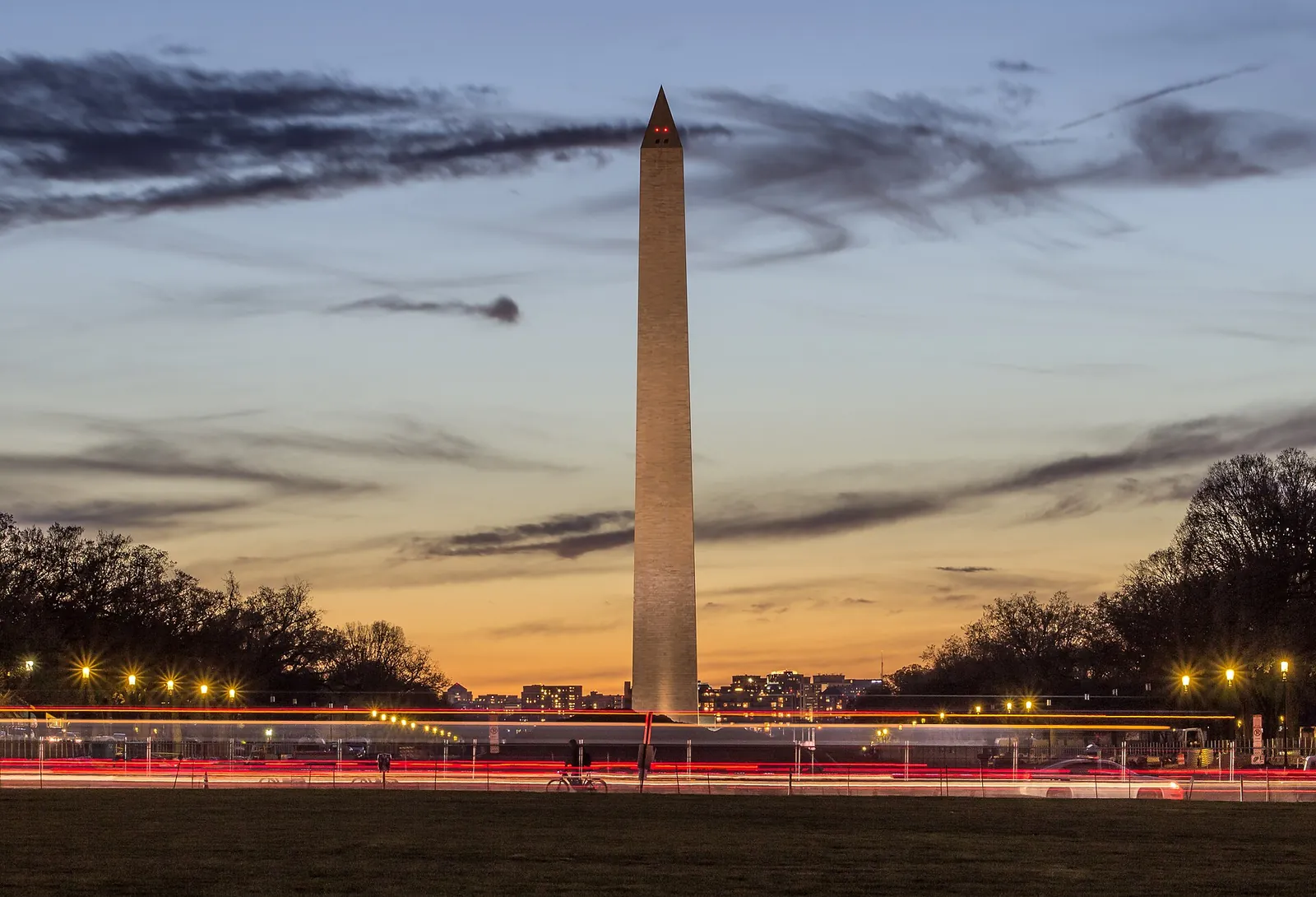
3 Days in Washington, D.C.: A Day-by-Day Itinerary
A 3-day Washington, D.C. plan: Capitol tour, Library of Congress, Mall memorials, Washington Monument and Smithsonian museums, with checked tickets and Metro fares.
- 🗓️ Trip length
- 3 days
- ☀️ Best time
- Spring and autumn for comfortable walking (museums work year-round)
- 💰 Daily spend
- Most major sights are free, see the Budget section for verified fares and fees (USD)
- ✅ Facts checked
- 1 November 2026
Get ready for a capital city where the best things to do are free. Washington, D.C. packs the Capitol, a long ribbon of monuments, and a row of Smithsonian museums into one walkable stretch, so three days can feel full without feeling rushed. Most of the work is planning ahead: a few of the best experiences use free timed tickets, and they are worth booking before you land.
This plan is perfect for first-time visitors who like a steady pace. Day 1 covers Capitol Hill and the National Gallery of Art, Day 2 follows the National Mall from the Washington Monument to the Lincoln Memorial, and Day 3 is for Smithsonian museums. It was researched on 1 November 2026 from official pages, so it reflects late-autumn conditions. Wherever an official page was silent or unavailable, the plan says “check the official site” rather than guess.
3 days in Washington, D.C. at a glance
| Day | Area | Highlights |
|---|---|---|
| 1 | Capitol Hill and the east end of the Mall | Capitol Visitor Center tour, Library of Congress, National Gallery of Art |
| 2 | The National Mall | Washington Monument, National Archives, Natural History museum, Lincoln Memorial at dusk |
| 3 | Smithsonian museums | National Air and Space Museum, National Museum of African American History and Culture |
Schedule note: the Library of Congress is closed on Sundays and Mondays, and the Capitol Visitor Center is open Monday to Saturday. Put Day 1 on a Tuesday to Saturday if you can.
Day 1: Capitol Hill and the National Gallery of Art
Morning
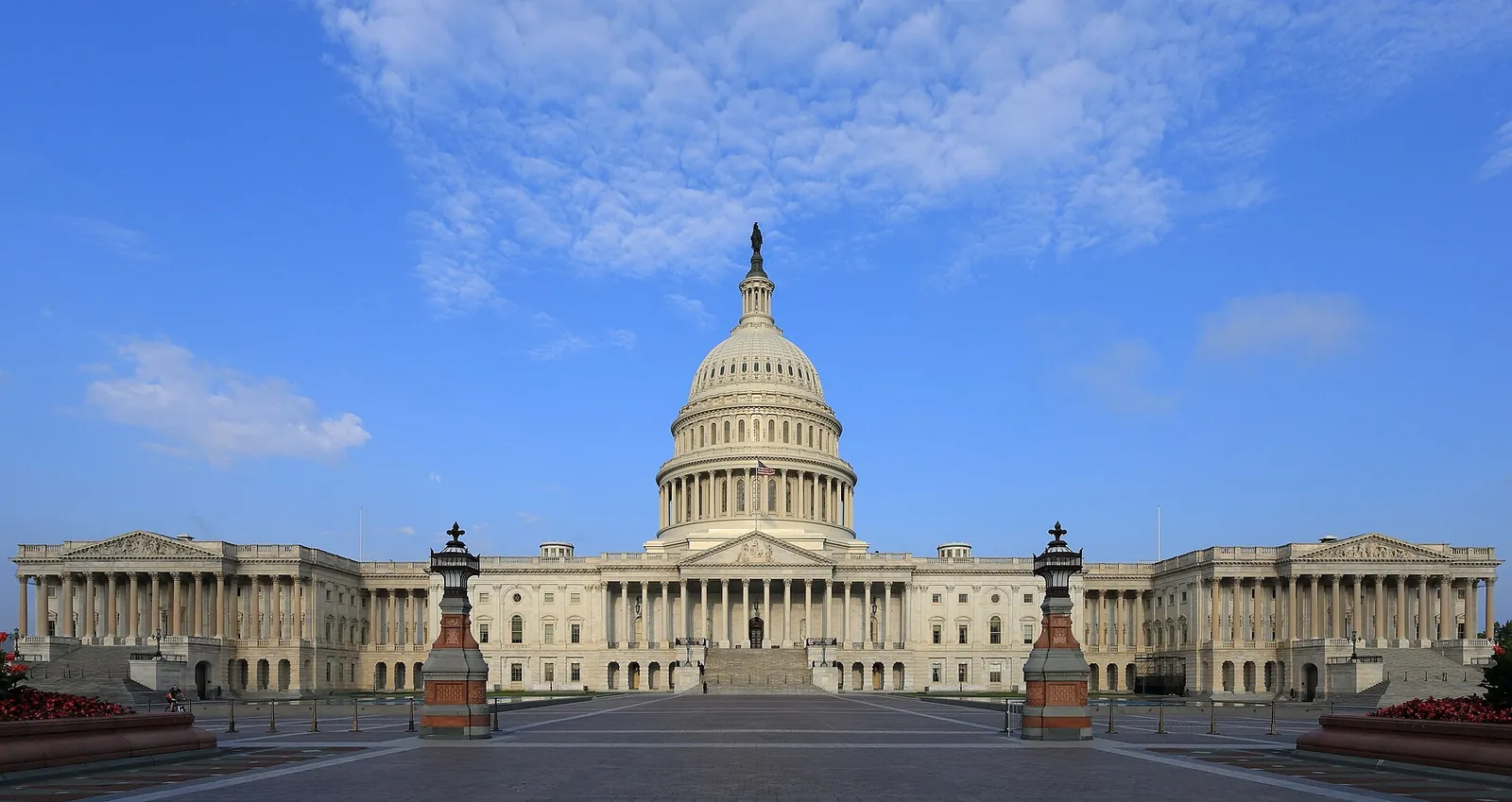
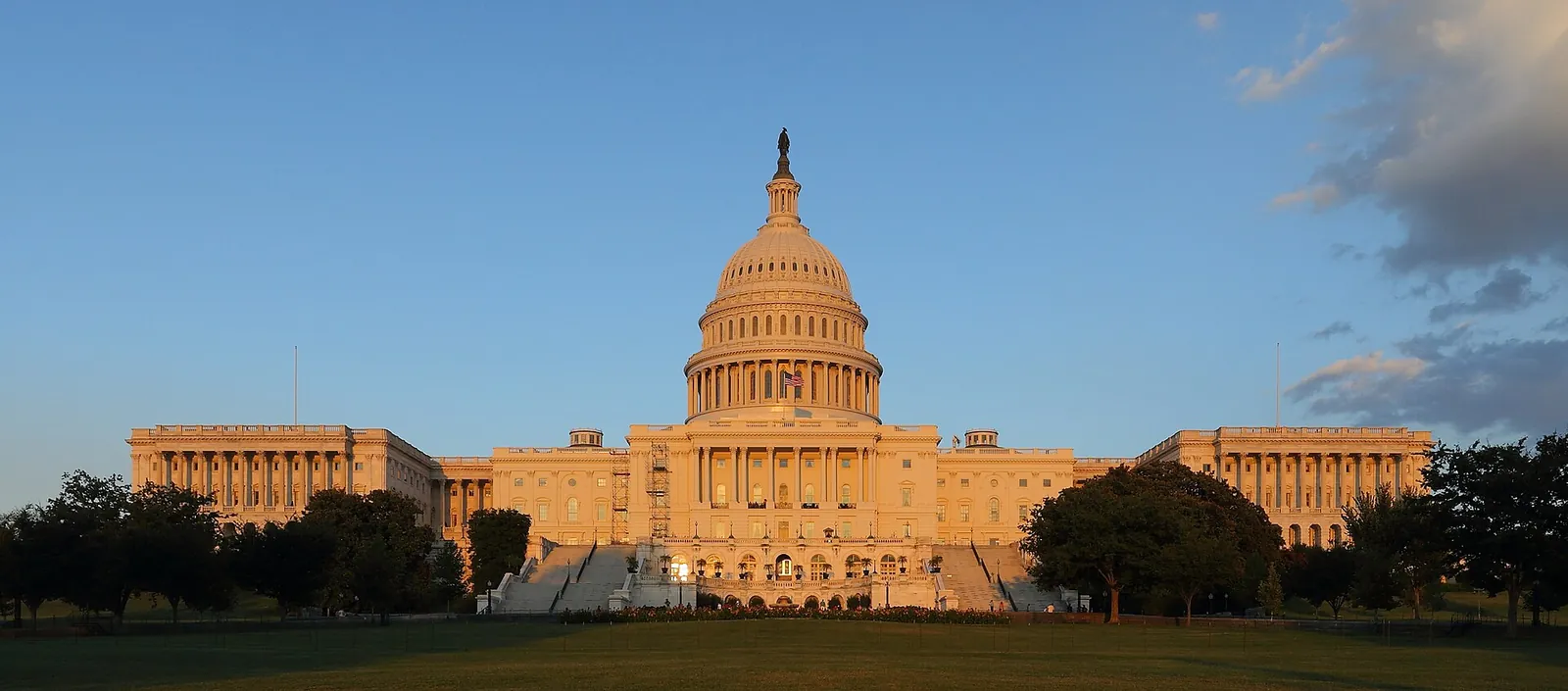
Kick off your trip in style at the U.S. Capitol Visitor Center, which sits underground beneath the East Front plaza at First Street and East Capitol Street. To see inside the Capitol you join a guided tour, because self-guided tours are not offered. The tour covers the Crypt, the Rotunda and National Statuary Hall. It does not include the Senate and House Galleries, and the route can change.
All tours, programs and activities are free. Reservations are recommended, and you can book on the Visitor Center website or through the office of your senator or representative. Walk-ins are welcome and join the next available tour, but the official page suggests arriving no later than 2:30 p.m. if you have no reservation. The Visitor Center is open 8:30 a.m. to 4:30 p.m. Monday to Saturday for visitors with tour reservations, and the last tour of the day is at 3:20 p.m. It is closed on Thanksgiving Day, Christmas Day, New Year’s Day and Inauguration Day.
Allow extra time for security screening, and read the prohibited items list before you leave your hotel (details in the Heads-up section).
Afternoon
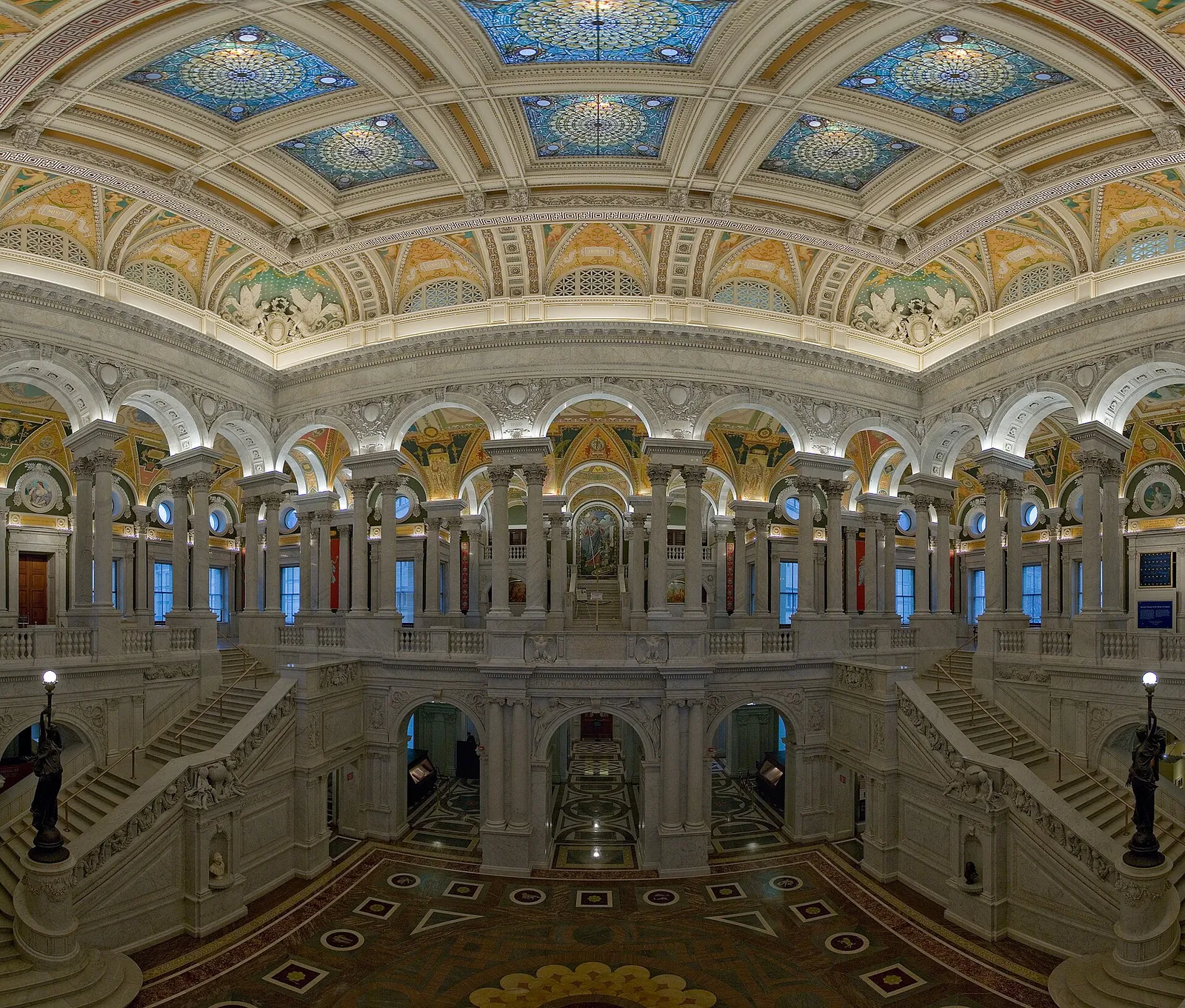
The Library of Congress Thomas Jefferson Building (10 First Street SE) is next to the Capitol. Free timed-entry tickets are required. Reserve online, up to 20 per person, and tickets are released 30 days in advance. Free same-day tickets are posted online each day at 9 a.m. Eastern time. The Library is closed on Sundays, Mondays and select federal holidays. The official page lists hours of 10 a.m. to 5 p.m. on Tuesday, Wednesday, Friday and Saturday and 10 a.m. to 8 p.m. on Thursday, but a later section of the same page gives different details, so check the Library’s page for your date.
Then head west to the National Gallery of Art, along Constitution Avenue NW on the National Mall. The West Building (6th Street) holds European works dating to the 13th century and American art. The I.M. Pei-designed East Building (4th Street) focuses on modern and contemporary art. Admission is always free, and hours are 10 a.m. to 5 p.m. daily, except December 25 and January 1, according to Washington.org. Pick one building and one or two themes rather than trying to see everything.
Evening
The 6.1-acre Sculpture Garden next to the West Building has 17 sculptures, and its central fountain typically becomes an ice rink from late November through early March, weather permitting. The Pavilion Café is open year-round. Check the National Gallery’s official site for the current rink dates and the garden’s evening hours before you plan dinner around it.
Day 2: The National Mall, from monument to memorial
Morning
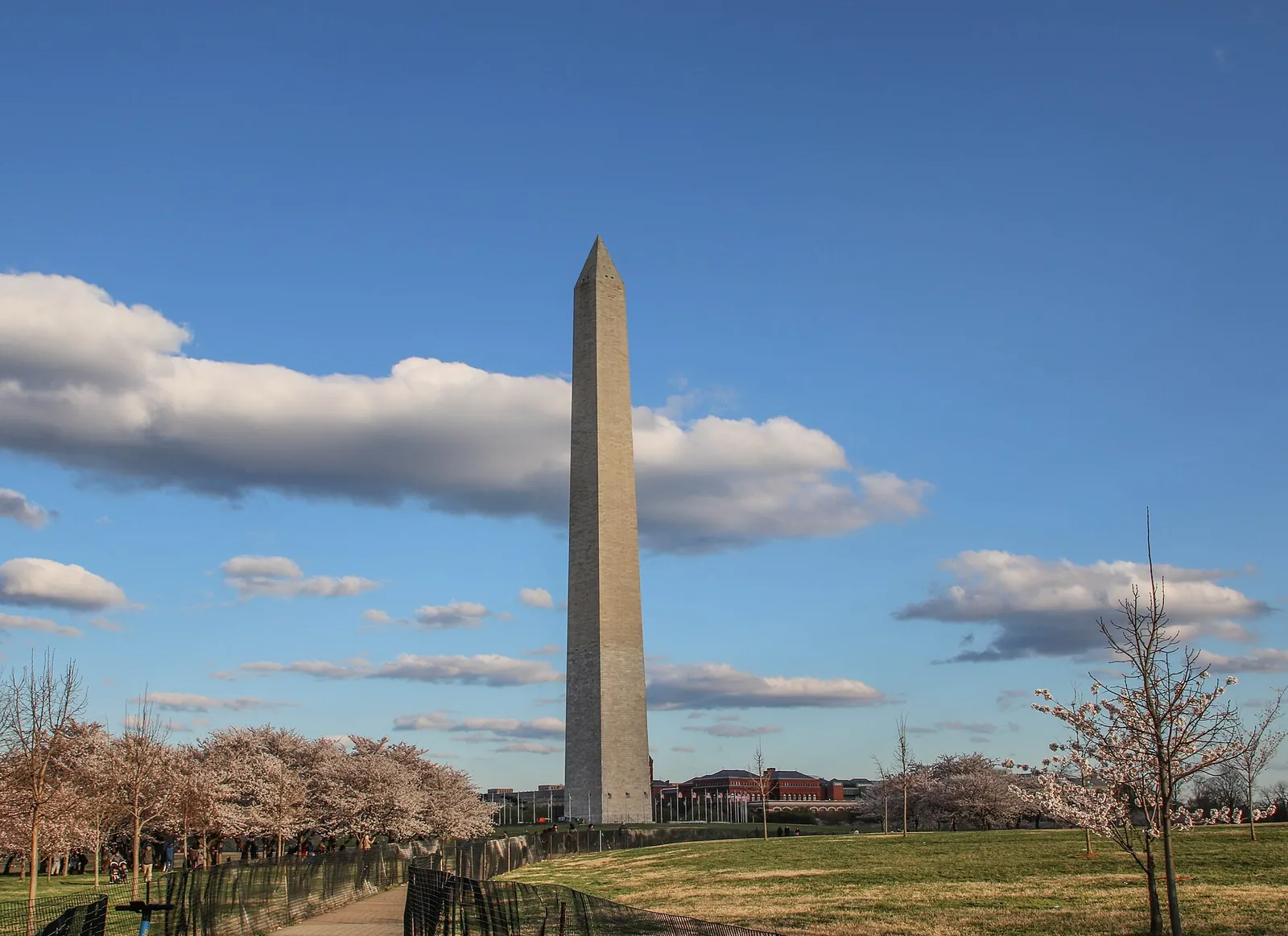
This is the day for the big icons, starting with the Washington Monument, which needs a timed-entry ticket. There is no admission fee, but advance tickets carry a non-refundable $1.00 service charge each. Advance tickets are sold on Recreation.gov and are typically released 30 days in advance of the visit date, with new tickets released daily at 10 a.m. Same-day tickets are free, first come, first served, and distributed at the Washington Monument Lodge on 15th Street between Madison and Jefferson Drives. The ticket window opens at 8:45 a.m., and supplies are limited.
Arrive at the screening area at least 15 minutes before your entry time. The monument can close for dangerous weather, including high wind and thunderstorms, and tickets are voided for affected entry times. The National Park Service also lists 2026 closure dates for maintenance and holidays. Two of them fall in November: November 11 and November 26. The NPS page does not state daily opening hours, so check it when you book.
Afternoon
Walk to the National Archives Museum (701 Constitution Avenue NW). Entry is free, and you can reserve a free general admission ticket or a $1 timed-entry ticket online. Tickets are not required but are recommended: without a timed-entry ticket, waits can reach an hour or more during busy periods. The museum is open daily from 10 a.m. to 5:30 p.m. General admission ticket holders can arrive from 10 a.m. to 5 p.m., and the page recommends arriving at least 45 minutes before closing. Arrive 15 minutes before your entry time if you are in a group of six or fewer.
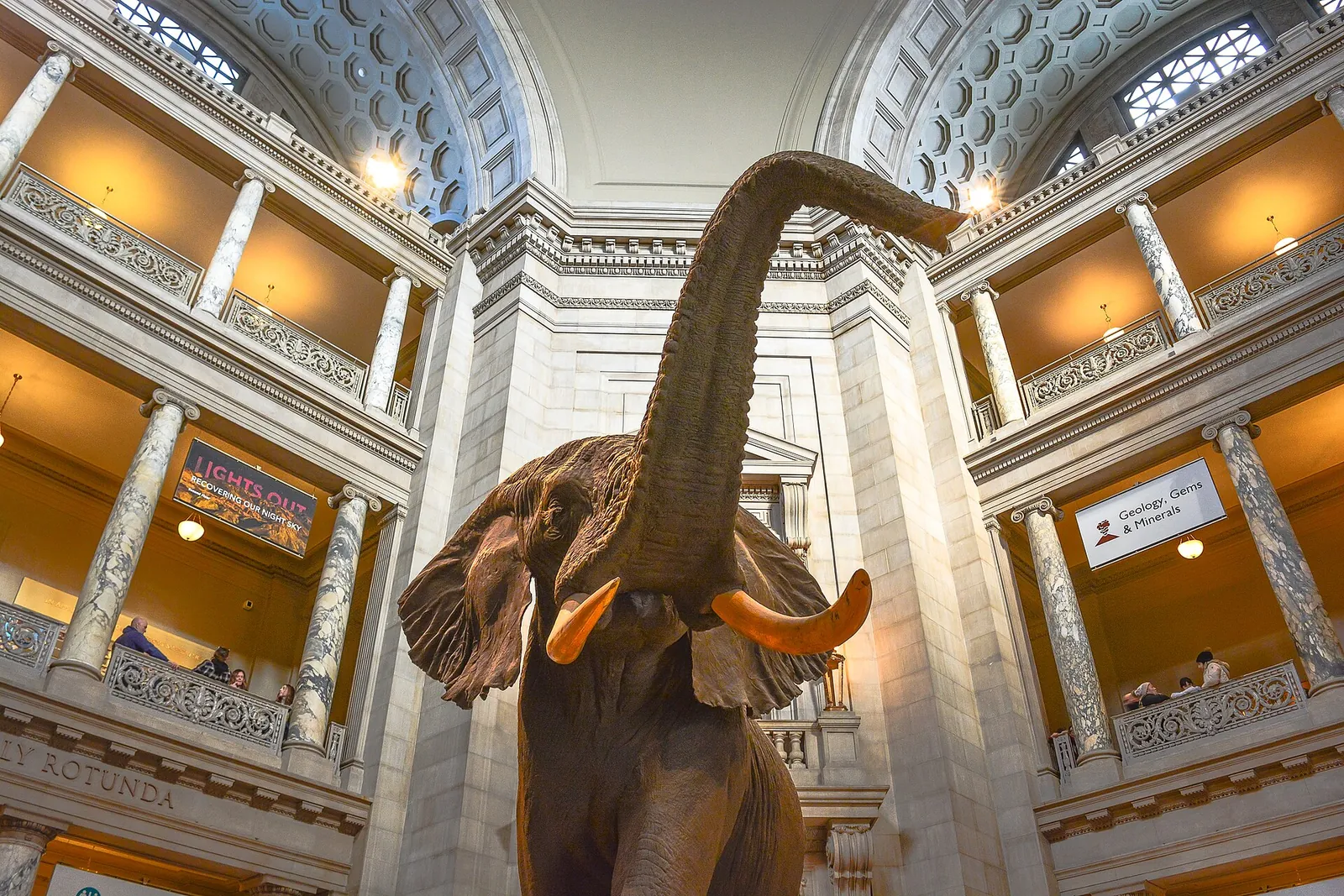
The Smithsonian National Museum of Natural History is on the Mall between 9th and 12th Streets NW. Admission is free and no tickets are required, with regular hours of 10 a.m. to 5:30 p.m., and the museum is open every day of the year except December 25. For Metro, Washington.org suggests the Silver, Orange or Blue lines to the Smithsonian station, then the Mall exit.
Evening
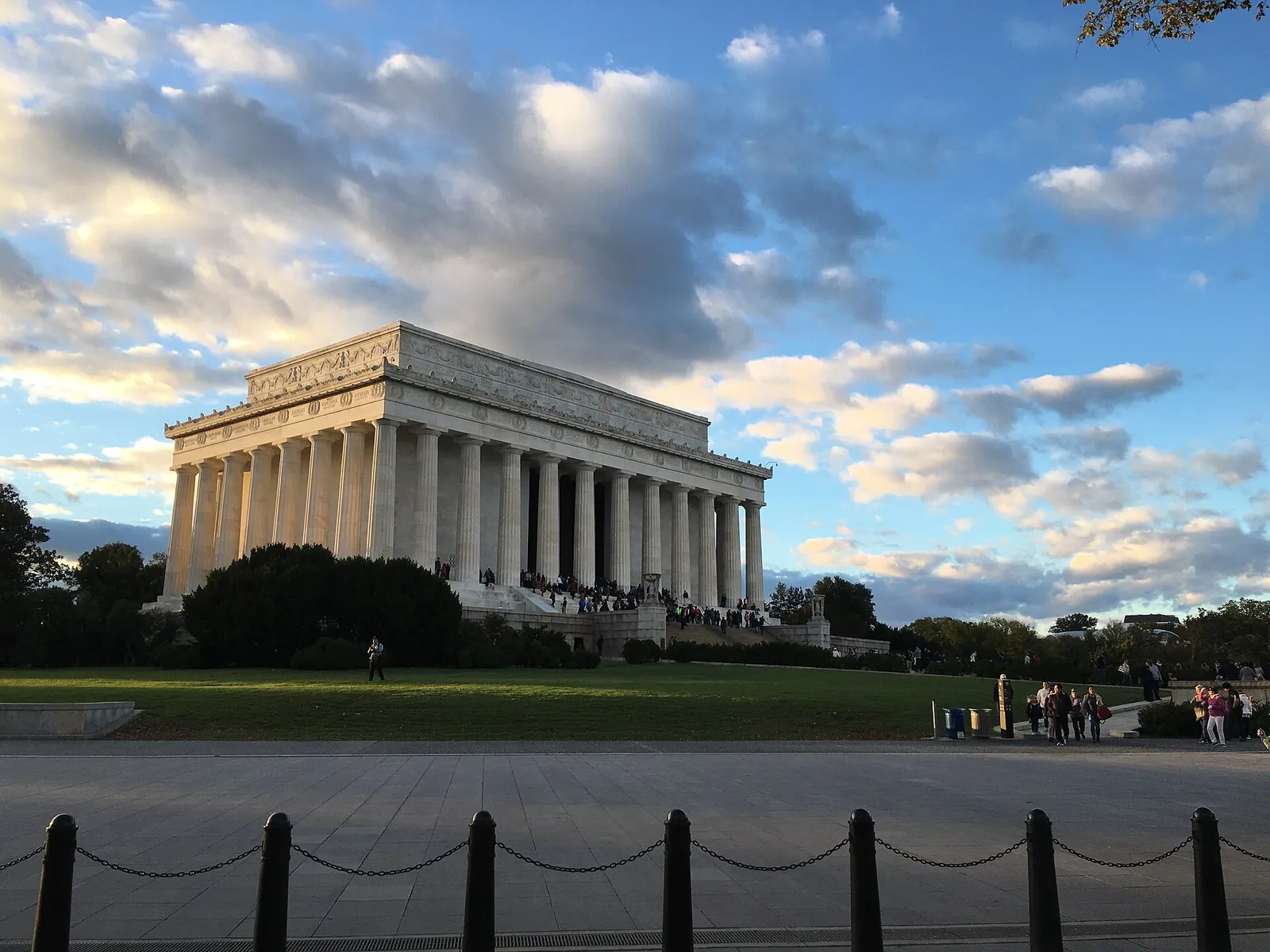
Finish at the Lincoln Memorial. The chamber and exterior are free and open to the public. The National Park Service says the sites of National Mall and Memorial Parks can be visited 24 hours per day, with rangers on duty from 9:30 a.m. to 10:00 p.m. daily. A separate Undercroft experience needs tickets, so look at the Lincoln Memorial page if that interests you.
Day 3: Smithsonian museums
Morning
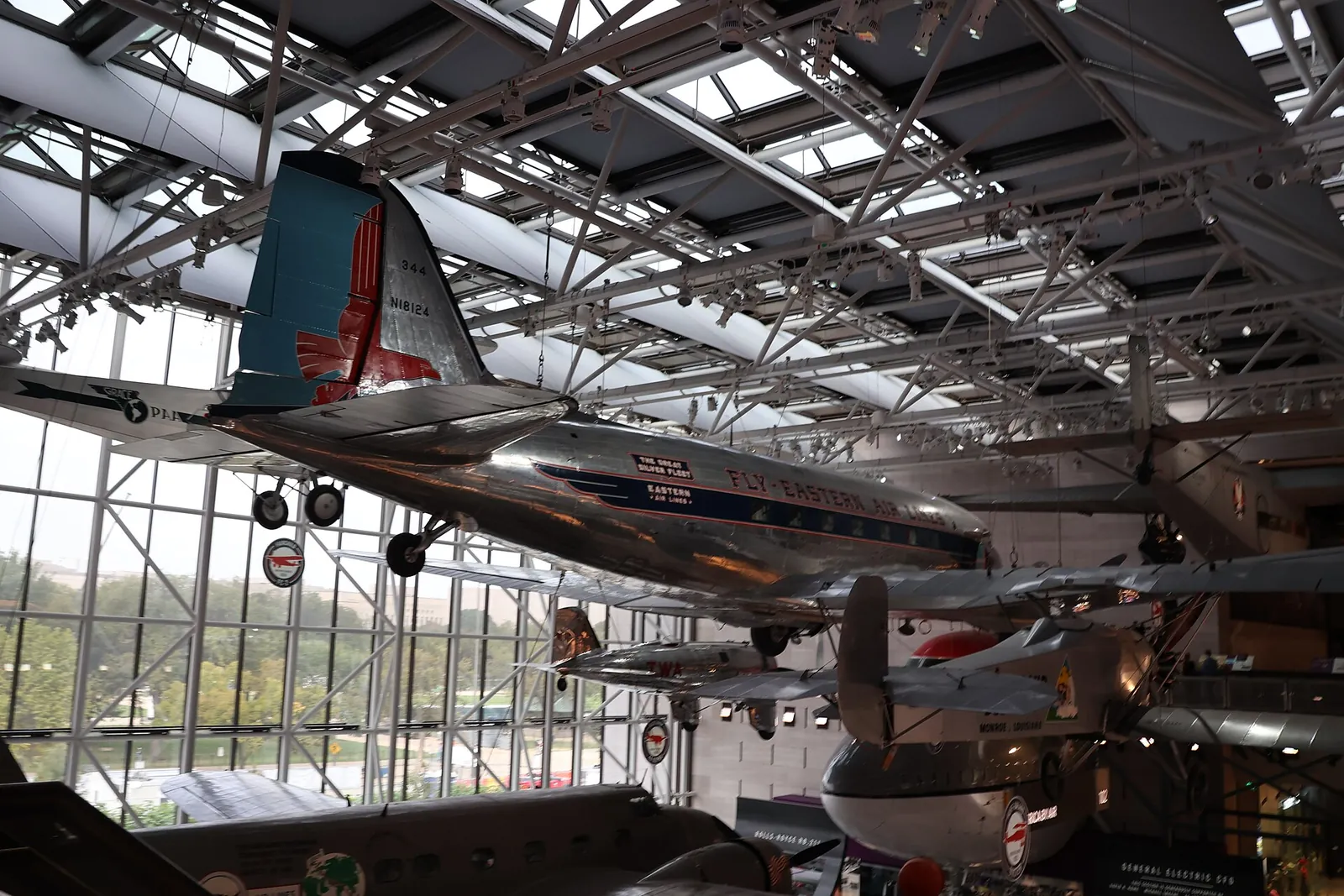
Get ready for a museum feast, starting with the National Air and Space Museum, which is open daily from 10 a.m. to 5:30 p.m. (closed December 25). Admission is always free, but free timed-entry passes are required for all visitors regardless of age. You can reserve up to nine passes at once. The pass sets the start of your entry window and does not limit how long you stay, but if you leave you cannot re-enter without another pass. A large section of the museum is closed for renovation, so look at the official page before you set expectations for what you will see.
Afternoon
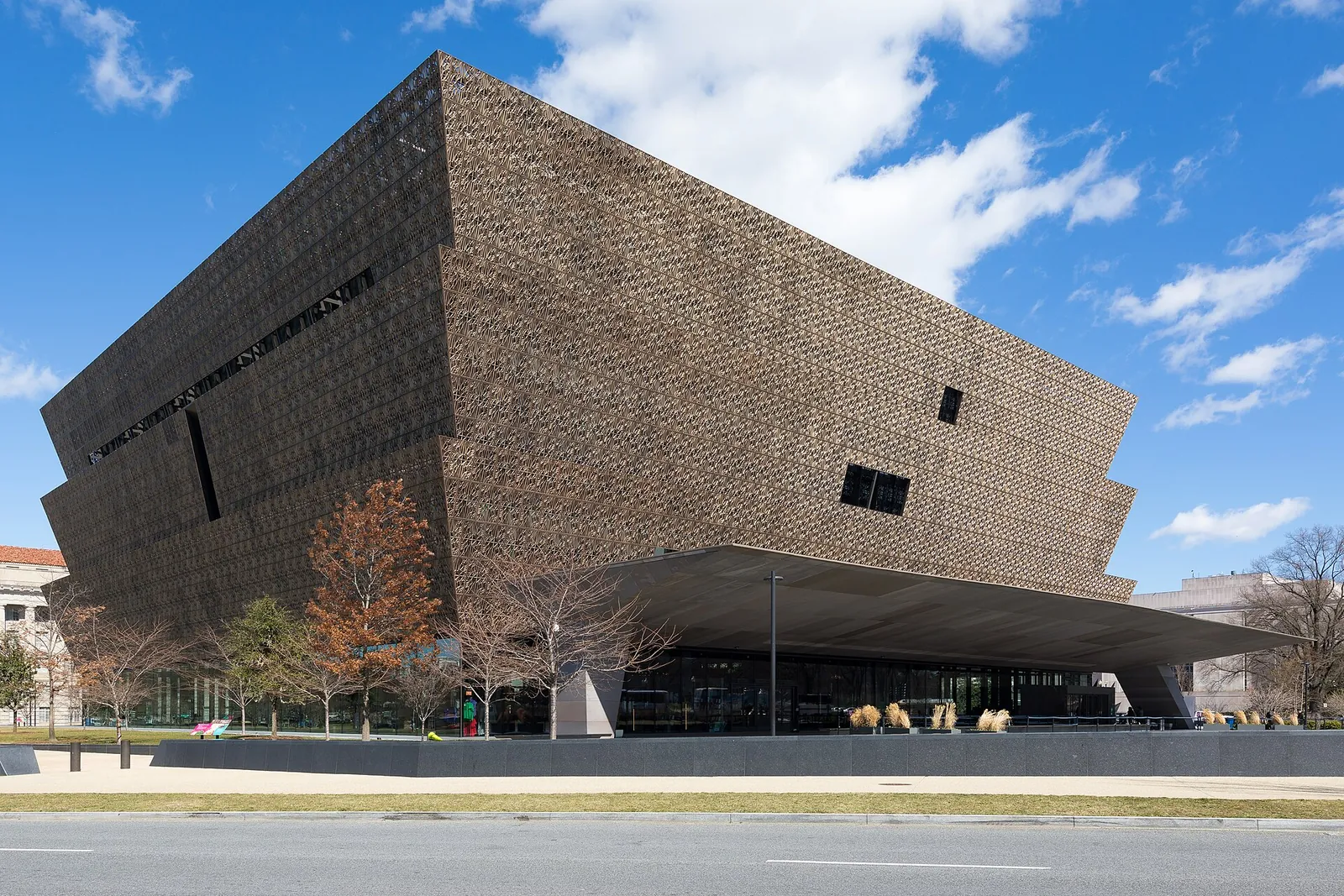
The National Museum of African American History and Culture is at 14th Street and Constitution Avenue NW. Washington.org says free timed-entry passes are required for all visitors, passes can be reserved up to 30 days ahead, and same-day passes are released online by 8:15 a.m. each day. It lists Tuesday to Sunday hours of 10 a.m. to 5:30 p.m. and Monday hours of noon to 5:30 p.m. The nearest Metro stops are Federal Triangle or Smithsonian (Mall exit), served by the Blue, Orange and Silver lines. Because museum pass details change, confirm them on the museum’s own site before you book.
Evening
Use the last evening for the one thing you skipped. If the Library of Congress or the Natural History museum felt rushed, loop back. Otherwise, the Lincoln Memorial and the Mall are open around the clock, and a quiet evening walk is a good way to end the trip.
Getting there and getting around
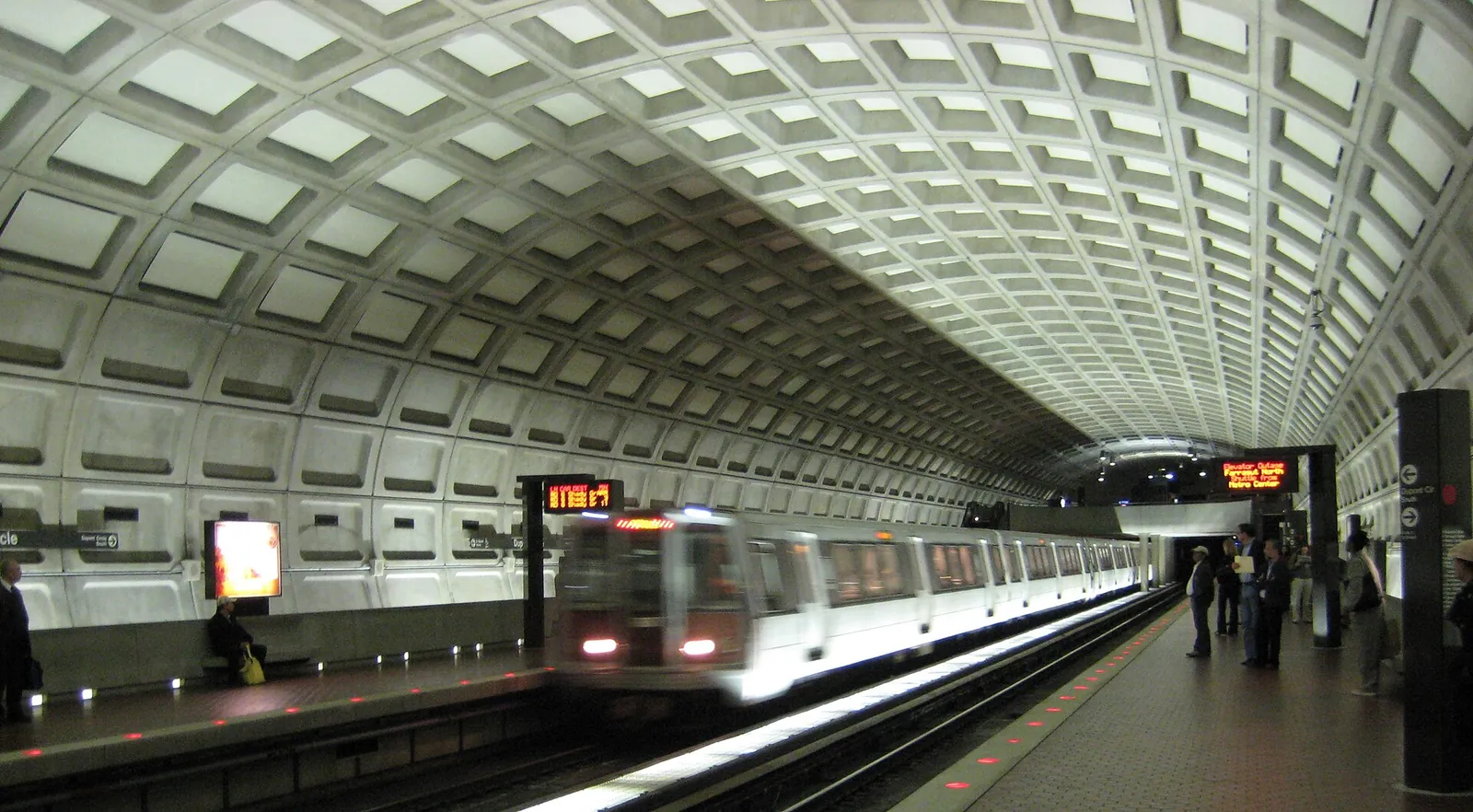
From Reagan National Airport (DCA): a Metrorail station is connected to the Terminal 2 concourse level. From Terminal 2, use either of two enclosed pedestrian bridges. From Terminal 1, take the “Airport Shuttle” bus to the Terminal 2 stop. Daytime fares range from $2.25 to $6.75, and after 9:30 p.m. and on weekends they range from $2.25 to $2.50. The airport page does not give a journey time, so use the WMATA Trip Planner.
From Dulles (IAD): the Silver Line runs to the airport. The airport’s FAQ lists $6.75 for a trip to Metro Center in downtown D.C. (the weekday fare), and the walk from the terminal to the station is about 600 feet, roughly 5 minutes. The page does not state a journey time to downtown.
Metro in the city: Metrorail has six lines (Red, Blue, Orange, Yellow, Green and Silver). You can tap a contactless credit or debit card at the faregate, or use a SmarTrip card or SmarTrip in a phone wallet. WMATA’s general hours are Monday to Thursday 5:00 a.m. to 12:00 a.m., Friday 5:00 a.m. to 2:00 a.m., Saturday 6:00 a.m. to 2:00 a.m. and Sunday 6:00 a.m. to 12:00 a.m. For first and last trains, use the Rider Tools.
On foot: the Mall is the main walking spine. The National Park Service notes it is open around the clock. Between stops on the Mall, a mix of walking and one or two Metro hops keeps legs fresh. Check journey times in the Trip Planner rather than trusting a rule of thumb.
Where to stay
- Near the Mall and Penn Quarter: closest to the sights in this plan and convenient for the Smithsonian station. Best for first-timers who want to walk to the museums.
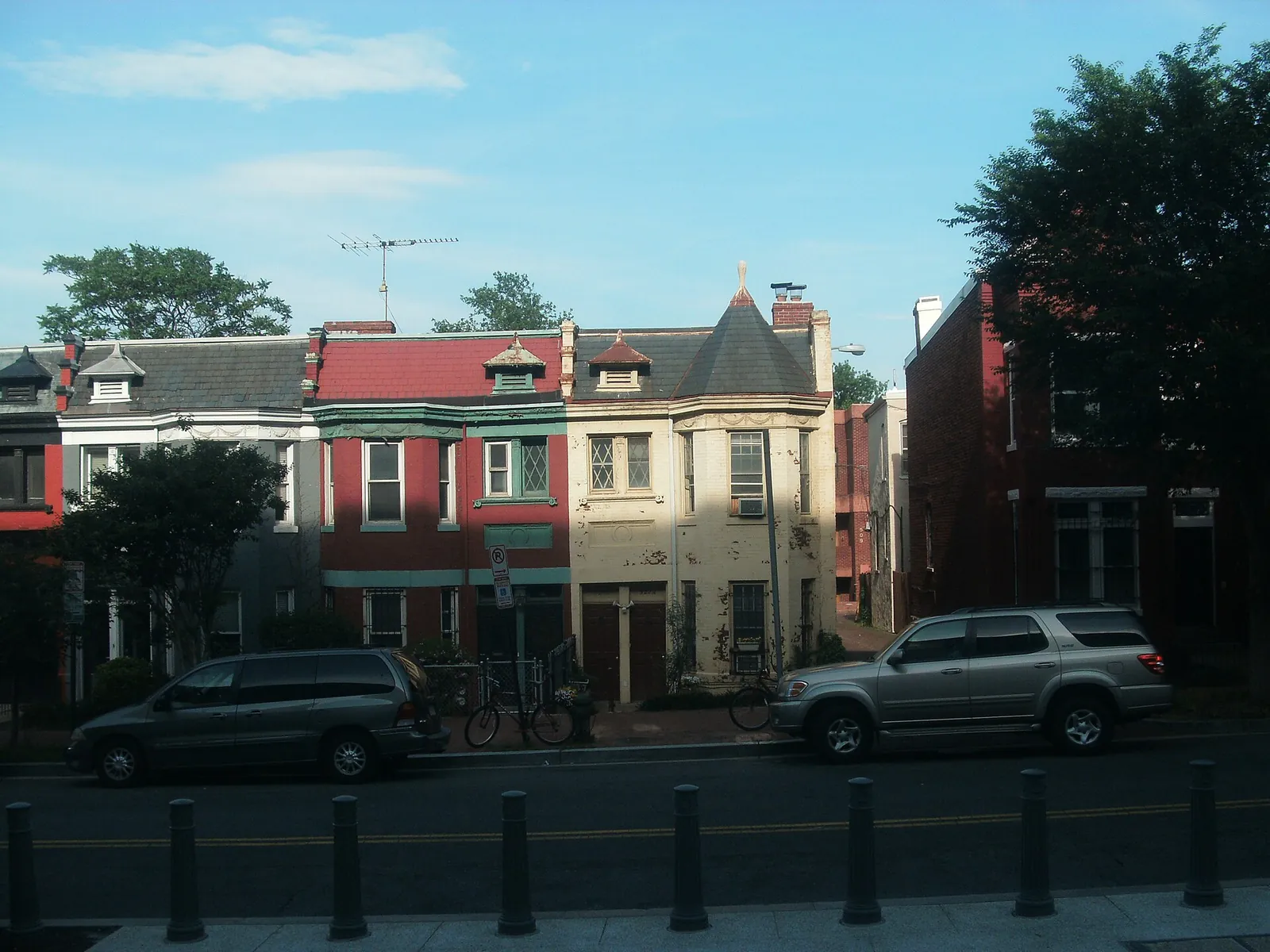
- Capitol Hill: a residential area close to the Capitol and the Library of Congress. Good for travellers who want an early Capitol tour start.
- Foggy Bottom and the west side of the city: a base for the Lincoln Memorial end of the Mall, and a good choice if you prefer a quieter evening.
Whichever area you choose, check that the hotel is near a Metro station, since Metro hours are long but not 24 hours.
Budget
| Item | Typical cost |
|---|---|
| Capitol Visitor Center tour | Free |
| Library of Congress timed tickets | Free |
| National Gallery of Art | Free |
| Washington Monument advance ticket | No admission fee, $1.00 non-refundable service charge per advance ticket |
| Washington Monument same-day ticket | Free |
| National Archives Museum | Free (optional $1 timed-entry ticket) |
| Smithsonian museums (Natural History, Air and Space, African American History and Culture) | Free (timed passes required for the latter two) |
| Metrorail single trip, daytime | $2.25 to $6.75 depending on distance |
| Metrorail evenings and weekends | $2.25 to $2.50 |
| Metrorail 1-day unlimited bus and rail pass | $13.50 |
| Dulles Airport to Metro Center | $6.75 |
Excluded: flights, hotels, food and ride-share or taxi fares. We did not verify those prices, so check current rates. The SmarTrip card price was not stated on the pages opened, so check at the station machine.
Heads-up
Washington is a safe and easy city to enjoy when you plan around its rules. A few practical points from official sources:
- Security screening is real. Everyone entering the Capitol Visitor Center is screened, and carried items are inspected. Bags larger than 18 inches wide, 14 inches high and 8.5 inches deep are prohibited. Food and beverages are not allowed in the Capitol or the Visitor Center, and the Visitor Center has no storage for prohibited items. Travel light.
- Air and Space Museum: screening can include extra bag inspection. The museum’s page lists food and drink, selfie sticks, tripods, knives, scissors, tools, aerosol cans and signs as not allowed. Bottled water is allowed.
- Washington Monument: food, beverages and large backpacks are not permitted inside, and weather can close it at short notice.
- Library of Congress: expect longer than normal screening waits from March through July.
- Metro: do not buy a farecard or pass from people on the street, as counterfeits exist. Keep valuables out of sight and stand away from the platform edge. If your pocket is picked, yell out and tell the train operator. Metro Transit Police can be reached at 202-962-2121 or by text to MYMTPD (696873).
- Timed passes: a pass is for a specific entry. At the Air and Space Museum you cannot re-enter after you exit without a new pass.
- Third-party tickets: official Washington Monument tickets are sold on Recreation.gov. Treat any other seller with caution, and use the NPS page to find the official link.
Practical tips
- Entry: visitors to the U.S. need a visa or an approved travel authorization. If your country takes part in the Visa Waiver Program, the official application is ESTA at esta.cbp.dhs.gov. CBP’s page at cbp.gov explains that you must hold an e-Passport, and that approval does not decide admissibility, which CBP officers decide on arrival. Otherwise, start with the U.S. State Department’s visa information at travel.state.gov. Apply only through official government sites, and check the fee on the official site.
- Book ahead: reserve Capitol and Library of Congress slots, and plan for Air and Space and African American History and Culture passes. Check each museum’s official page for when passes are released.
- Comfortable shoes: the Mall is long, and most days involve a lot of walking between museums.
- Layers: museums can be cool inside and exposed outside. Check the forecast the day before.
- Phone and money: contactless cards and phone wallets work at Metro faregates. All Metro stations have free Wi-Fi, and tunnels have cell service.
- Check closures: the Washington Monument has listed closure dates, the Capitol Visitor Center closes on certain holidays, and many sights close on December 25.
FAQ
Do I need tickets for the Washington Monument?
Yes. Visitors must have a timed-entry ticket. There is no admission fee, but advance tickets on Recreation.gov carry a $1.00 non-refundable service charge. Free same-day tickets are distributed at the Washington Monument Lodge from 8:45 a.m., first come, first served.
Is the Capitol free to visit?
Yes. All tours, programs and activities at the Capitol Visitor Center are free of charge. Reservations are recommended, and walk-ins join the next available tour.
Are the Smithsonian museums free?
Yes. The Smithsonian museums on the Mall are free. The Natural History museum needs no tickets, while the Air and Space Museum and the African American History and Culture museum require free timed-entry passes.
What is the cheapest way to get around?
Metro single trips range from $2.25 to $6.75 in the daytime, and a 1-day unlimited bus and rail pass is $13.50. On evenings and weekends, trips are $2.50 or less. Compare the numbers against how many rides you expect each day.
Can I visit on a Monday?
Some things work, some do not. The Capitol Visitor Center is open Monday to Saturday, but the Library of Congress is closed on Mondays. The National Gallery of Art, the National Archives Museum, the Natural History museum and the Air and Space Museum are open daily, and the African American History and Culture museum opens at noon on Mondays. Plan your Day 1 for a Tuesday to Saturday if possible.
Do I need a Metro card?
No. You can tap a contactless credit or debit card at the faregates. A SmarTrip card is needed for 1-, 3- or 7-day passes.
Sources
Prices, hours and rules change. We checked these on 1 November 2026; please confirm on the official page before you book.
- U.S. Customs and Border Protection: ESTA
- Capitol Visitor Center: Plan your visit (tours, reservations)
- Capitol Visitor Center: Hours and info
- Capitol Visitor Center: Prohibited items
- Library of Congress: Visit
- National Park Service: Washington Monument, Fees and passes
- National Park Service: Washington Monument, Plan your visit
- National Park Service: National Mall and Memorial Parks, Operating hours
- National Park Service: Lincoln Memorial, Plan your visit
- National Archives Museum: Tickets
- Washington.org: Smithsonian National Museum of Natural History
- Smithsonian National Air and Space Museum: Visit the Museum in DC
- Smithsonian National Air and Space Museum: Entry and guidelines
- Washington.org: National Museum of African American History and Culture
- Washington.org: National Gallery of Art
- Washington.org: Navigating Washington, DC's Metro system
- WMATA: New riders (fares, passes, hours)
- WMATA: Safety and security on bus and rail
- Reagan National Airport: Metrorail station
- Dulles International Airport: Silver Line FAQs
Photo credits (11)
- Washington Monument glowing at sunset over the National Mall: Diegolpz9, CC BY-SA 4.0, via Wikimedia Commons
- The U.S. Capitol's East Front under a bright blue sky: Martin Falbisoner, CC BY-SA 3.0, via Wikimedia Commons
- The dazzling Great Hall of the Library of Congress: Diliff, CC BY-SA 3.0, via Wikimedia Commons
- Washington Monument rising into a sunny sky: Victoria Stauffenberg, Public domain, via Wikimedia Commons
- The Lincoln Memorial in warm late-afternoon light: Ares989, CC BY-SA 4.0, via Wikimedia Commons
- Historic aircraft hanging inside the National Air and Space Museum: DiscoA340, CC BY-SA 4.0, via Wikimedia Commons
- The bronze-toned National Museum of African American History and Culture: Frank Schulenburg, CC BY-SA 4.0, via Wikimedia Commons
- A Metro train pulling into a vaulted D.C. station: J. Miers - User: (WT-shared) Jtesla16 at wts wikivoyage, CC BY-SA 4.0, via Wikimedia Commons
- Colourful rowhouses on a Capitol Hill street: self, CC BY 3.0, via Wikimedia Commons
- The famous elephant in the Natural History museum rotunda: Syed07, CC BY 4.0, via Wikimedia Commons
- The Capitol's west side glowing at dusk: Martin Falbisoner, CC BY-SA 3.0, via Wikimedia Commons
More United States itineraries
 3 days
3 Days in Chicago: A Day-by-Day Itinerary
A 3-day Chicago plan: Millennium Park, the Art Institute, the river and architecture, Museum Campus, Skydeck, 360 Chicago and Lincoln Park, with checked prices.
 3 days
3 Days in Boston: A Day-by-Day Itinerary
A 3-day Boston plan: the Freedom Trail and North End, Harvard and the Gardner or MFA, then Fenway Park and the Seaport, with checked prices and MBTA fares.
 3 days
3 Days in New Orleans: A Day-by-Day Itinerary
A 3-day New Orleans plan: the French Quarter, the St. Charles streetcar to the Garden District, the WWII Museum, Frenchmen Street music and a swamp or plantation day.
Compare all United States itineraries →
This is a researched plan, not a personal trip report. How we research · Affiliate disclosure