

4 Days in Rio de Janeiro: A Day-by-Day Itinerary
A 4-day Rio plan: Christ the Redeemer by train, Sugarloaf, Museu do Amanhã, beaches and metro tips, with fares and hours checked on official sites in Nov 2026.
- 🗓️ Trip length
- 4 days
- ☀️ Best time
- Year-round, but check the forecast before booking the viewpoints
- 💰 Daily spend
- About BRL 110 per day in verified entry fees and metro rides, plus lodging and food
- ✅ Facts checked
- 1 November 2026
Get ready for one of the most dramatic city settings on the planet: granite peaks dropping straight into the sea, a giant statue watching over the bay, and long city beaches where the whole of Rio seems to gather at the weekend. This four-day plan gives you the big three (Christ the Redeemer, Sugarloaf Mountain and the beaches) plus a modern museum, the historic centre and a bohemian hillside neighbourhood.
The pace is full but not frantic, and every day has a highlight to look forward to. Each day is built around one headline sight that needs a timed ticket, with flexible, mostly free things around it. It suits first-timers, couples and friends who want a mix of views, culture and beach time. Two of the days start early, because the viewpoints are best before the clouds and crowds build up. Rio is a big, hilly city, so we’ve grouped each day by neighbourhood to keep transfers short.
4 days in Rio de Janeiro at a glance
| Day | Area | Highlights |
|---|---|---|
| 1 | Centro and the port | Museu do Amanhã, VLT ride, historic downtown, Lapa arches |
| 2 | Cosme Velho and the Zona Sul | Trem do Corcovado to Christ the Redeemer, Ipanema and Arpoador |
| 3 | Urca | Praia Vermelha, Sugarloaf cable cars, an evening on the summit |
| 4 | Santa Teresa and Copacabana | Hillside wander, a slow beach morning, flexible last day |
Entry requirements
Brazil’s entry rules depend on your passport, and they have been changing, so please don’t rely on a blog (including this one). Check the current rules, and apply only through the official channel, on the Brazilian Ministry of Foreign Affairs website. Look for the visa or e-Visa section, and be wary of lookalike sites that add extra fees.
Day 1: Centro and the port
Morning
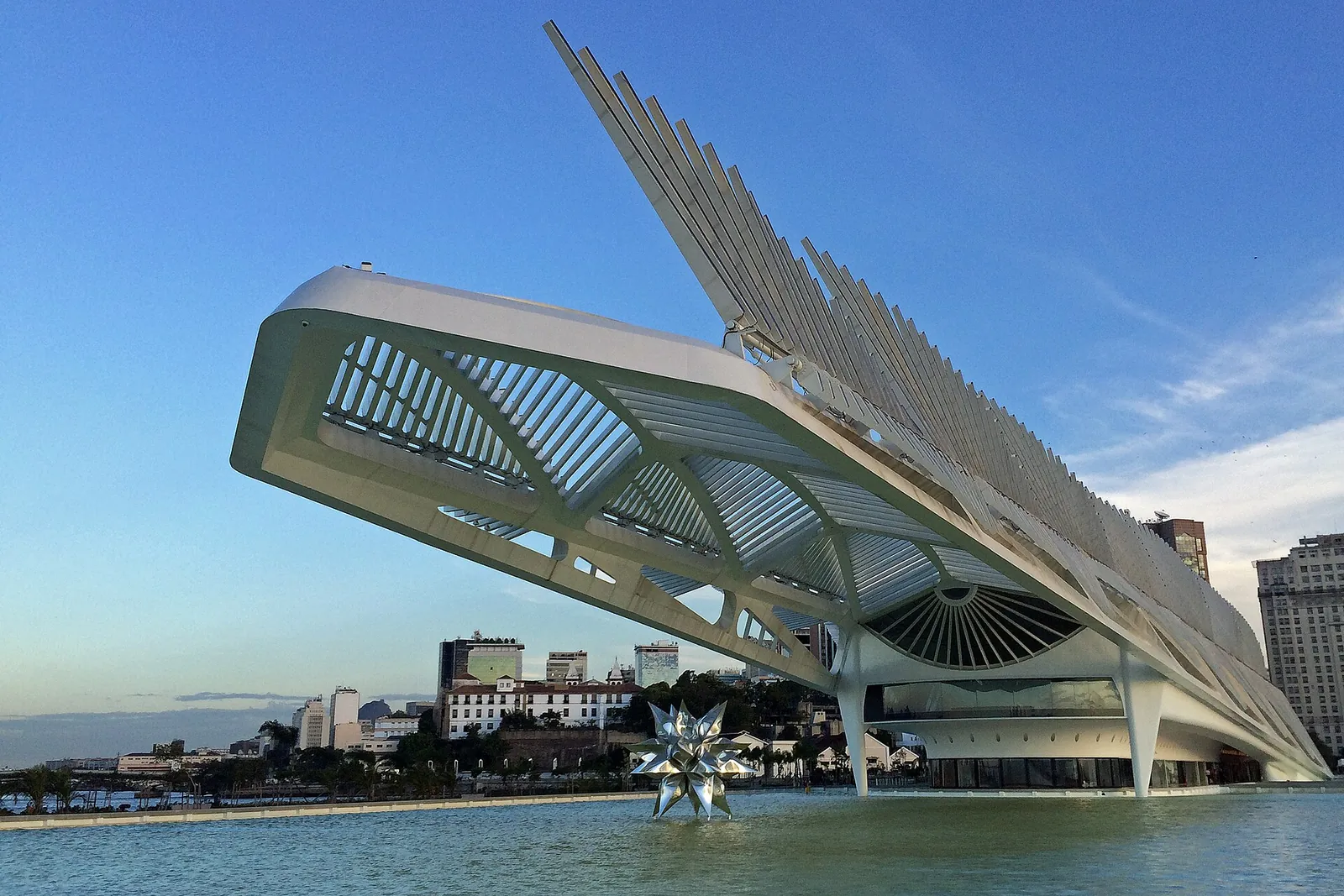
Kick off your trip on the waterfront with the building that has become Rio’s modern landmark: the Museu do Amanhã, a science museum on the waterfront. The museum’s official page lists opening Thursday to Tuesday, 10:00 to 18:00, last entry at 17:00, including public holidays. That means Wednesday is the closing day. If you land on a Wednesday, swap Day 1 with another day.
Tickets on the official page are BRL 40 full price and BRL 20 half price. On the 10th of each month the price is BRL 10, and that promotional price cannot be combined with the half-price discount. Entries are by timed slot: the page gives the example that a ticket reserved for 10:00 can be used between 10:00 and 10:59. Book your slot on the official site before you go.
The museum’s page also describes a free-admission category, but it only says that supporting documents are required, so check it before assuming you qualify.
Afternoon
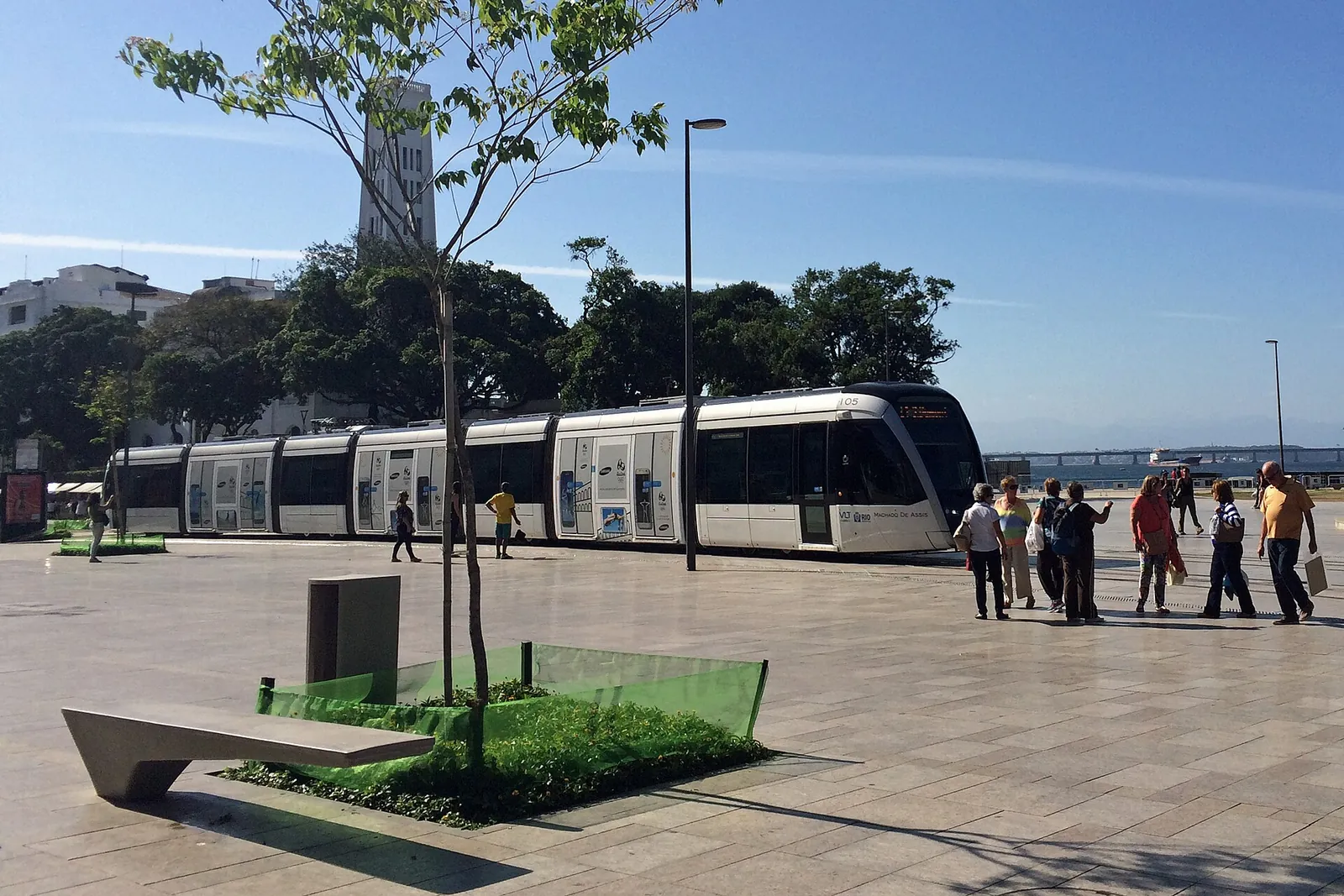
From the port, ride the VLT Carioca, the light rail that links the waterfront with the city centre. The operator lists a unit fare of BRL 5.00 and daily service from 05:00 to 23:00. It names four lines, including Santos Dumont to Central and Praça XV to Praia Formosa. Check the operator’s page for the stop closest to the museum before you go.
Spend the afternoon on foot in the historic centre. Churches, old squares and grand buildings sit close together, and it is an easy area to wander without a plan. Keep your phone tucked away on the street (see Heads-up below).
Evening
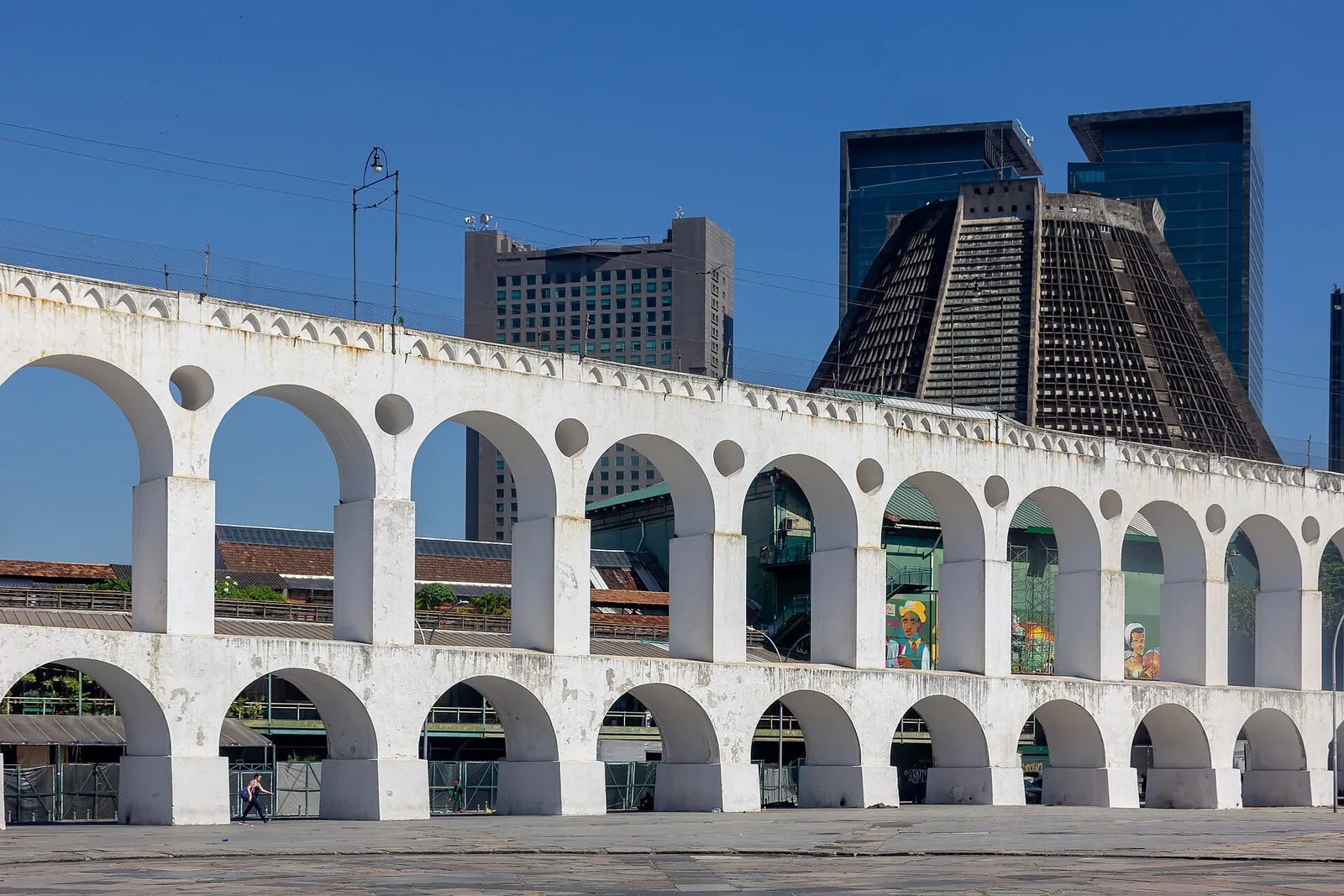
Head to Lapa for dinner and a first taste of Rio’s music scene. The famous white aqueduct arches are a good landmark. Take a ride-hailing car back to your hotel rather than walking, and avoid wandering late with valuables.
Day 2: Christ the Redeemer and Ipanema

Morning
This is the big one: the day you meet Christ the Redeemer, so book the earliest timed slot you can. The Trem do Corcovado departs from Cosme Velho station, climbs through the Tijuca National Park and includes access to the Christ the Redeemer monument. The operator states it runs every day from 08:00 to 18:00, with departures every twenty minutes, and that extra times may be listed in the sales grid. Schedules can change without notice because of technical or weather problems.
Prices on the official site for a visit today were BRL 139 for adults (valid for any nationality) and BRL 112 for children aged 7 to 11. Children up to 6 don’t pay with proof of age, riding on a guardian’s lap. Senior and student discounts are for Brazilians only. Buy only from the official site, tremdocorcovado.rio.
Some practical points straight from the operator:
- Check in at the station at least 40 minutes before your time.
- Bring a photo ID and the card you paid with.
- There is no luggage storage, so travel light.
- Folding strollers must stay closed for the whole ride.
To reach Cosme Velho by public transport, the operator suggests getting off the metro at Largo do Machado and taking bus 583 or 422 towards Cosme Velho. Get off in front of the station at Rua Cosme Velho 513. Buses also run from Copacabana (583) and Central do Brasil (117).
Afternoon
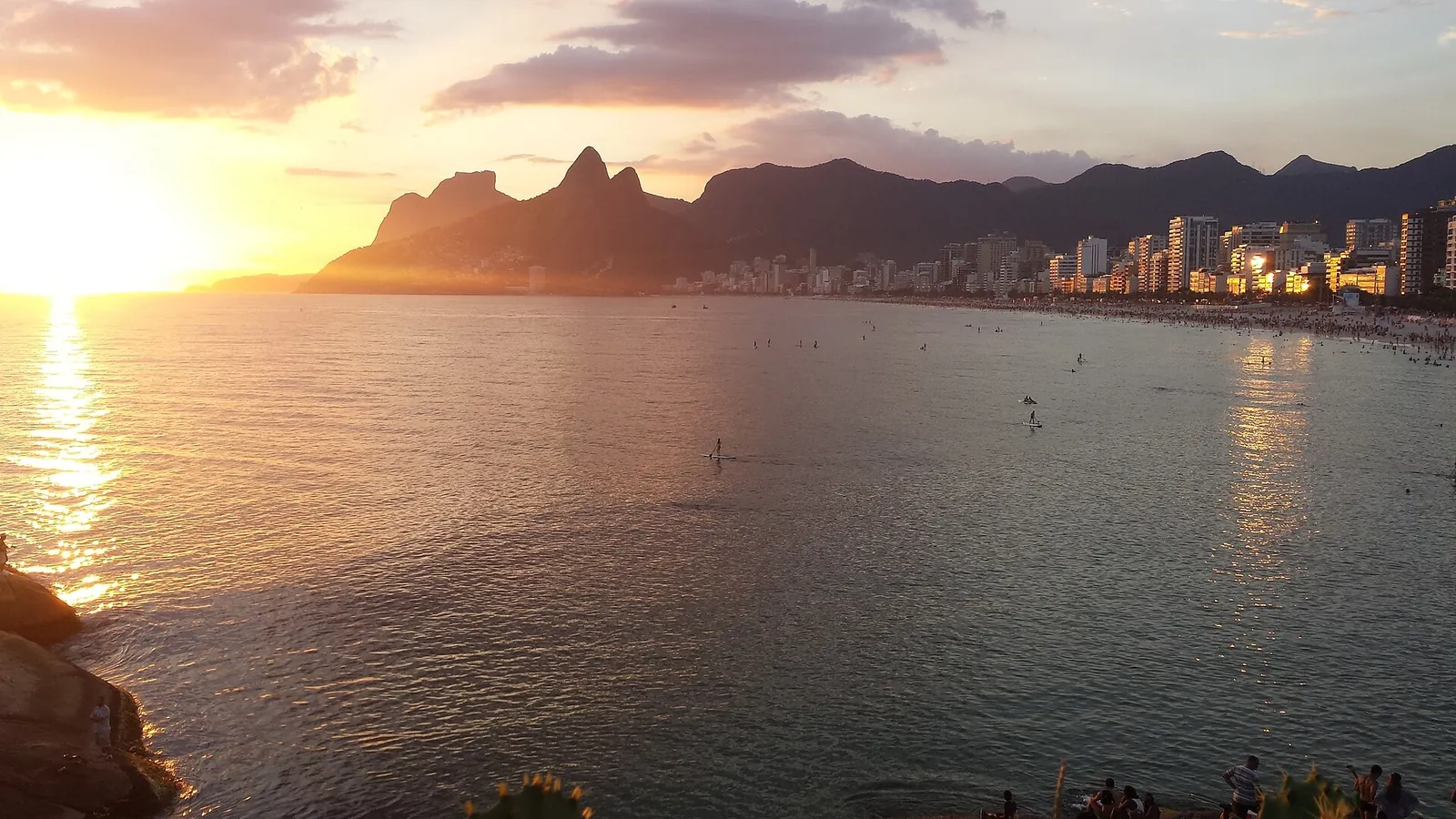
Return to the Zona Sul for lunch and a slow afternoon. Ride Metro Line 1 to General Osório station in Ipanema (Line 1 runs from Uruguai in Tijuca to General Osório). Walk to the beach and settle in. Ipanema is the classic place to people-watch, and the rock at Arpoador at the end of the beach is a popular spot to watch the sun go down.
Evening
Dinner in Ipanema or Leblon. Leave the beach before dark: official advice is not to go onto city beaches after dark. Ride-hail home.
Day 3: Sugarloaf Mountain
Morning
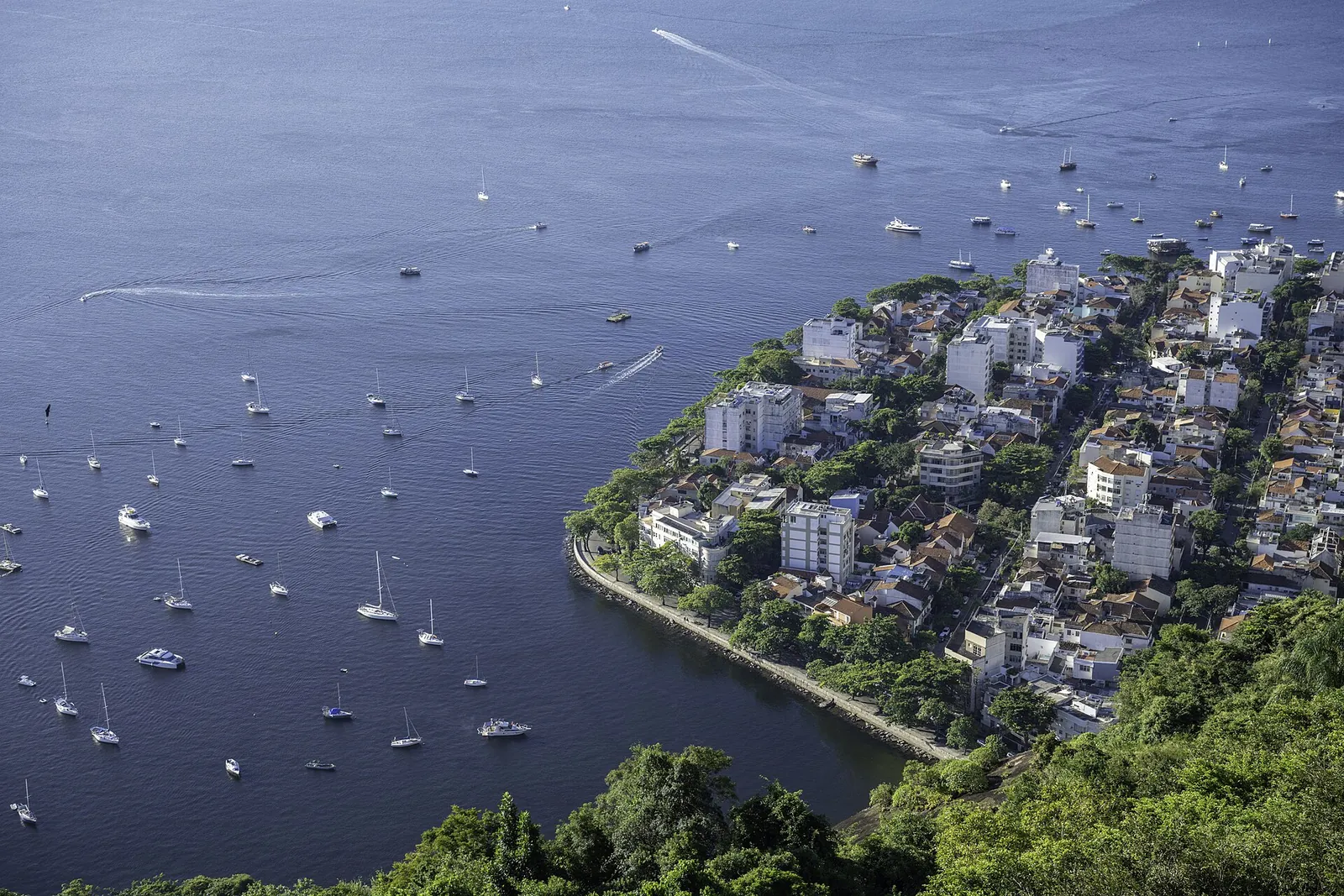
Today is relaxed, with the best views saved for later. Take the metro to Botafogo (Lines 1 and 2 both serve it) and a ride-hail car or bus from there to Urca, the quiet neighbourhood at the foot of Sugarloaf. The park’s address is Av. Pasteur 520, Urca. Take a stroll along the waterfront promenade and enjoy a coffee before the park gets busy.

Afternoon
Buy your ticket on the official site before you travel. The full ticket costs BRL 205 and covers both cable car legs, from Praia Vermelha to Morro da Urca and from Morro da Urca to Pão de Açúcar, plus access to the whole park. Children aged 0 to 2 don’t pay, and ages 3 to 12 qualify for half price. Buying online also gives you a promotional parking rate of BRL 20 for up to six hours, if you arrive by car.
Hours: the official site’s banner lists Monday to Friday 08:30 to 21:00 and Saturday and Sunday 07:30 to 21:00, with last boarding at 19:30. The FAQ page gives different figures (Monday to Thursday 09:00 to 20:00, last boarding 18:30), so check the official page on the day of your visit and don’t cut it close.
The park operates normally on rainy days, with covered areas, shops and restaurants, but the operator says the cable cars can pause temporarily in strong winds or lightning. If the sky looks clear, go up in the late afternoon to see the city lights come on. If the forecast is bad, swap this with a museum day.
Evening
Dinner back in Botafogo or Flamengo, and an early night. Your last day is gentler.
Day 4: Santa Teresa and Copacabana
Morning
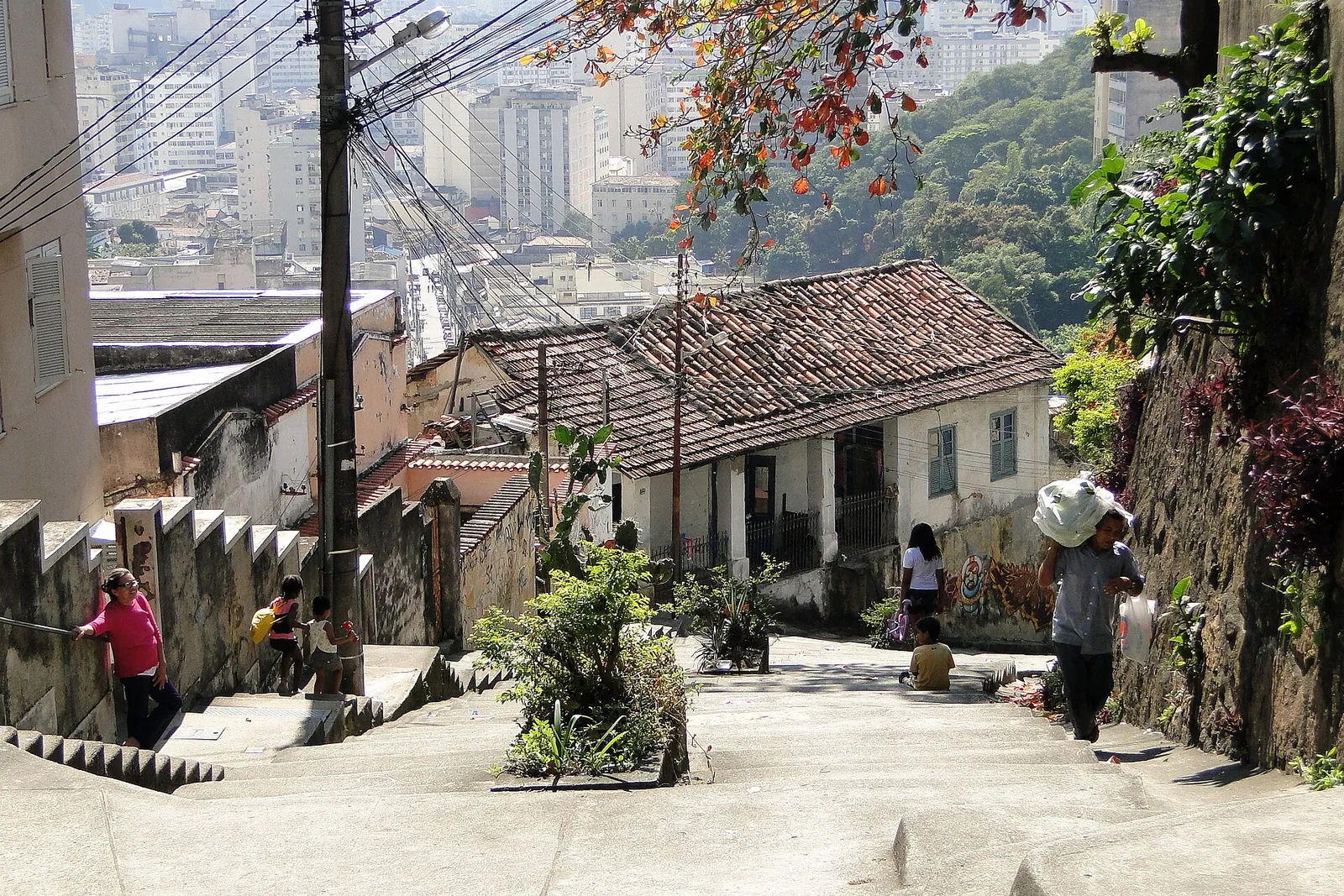
Save some energy for a happy last morning in Santa Teresa, the hillside neighbourhood known for old mansions, small galleries and cafés. Keep your phone’s map on a route through the main streets and check that your GPS isn’t taking you through a favela (see Heads-up). Take a ride-hail car up and walk down, or the other way round.
Afternoon
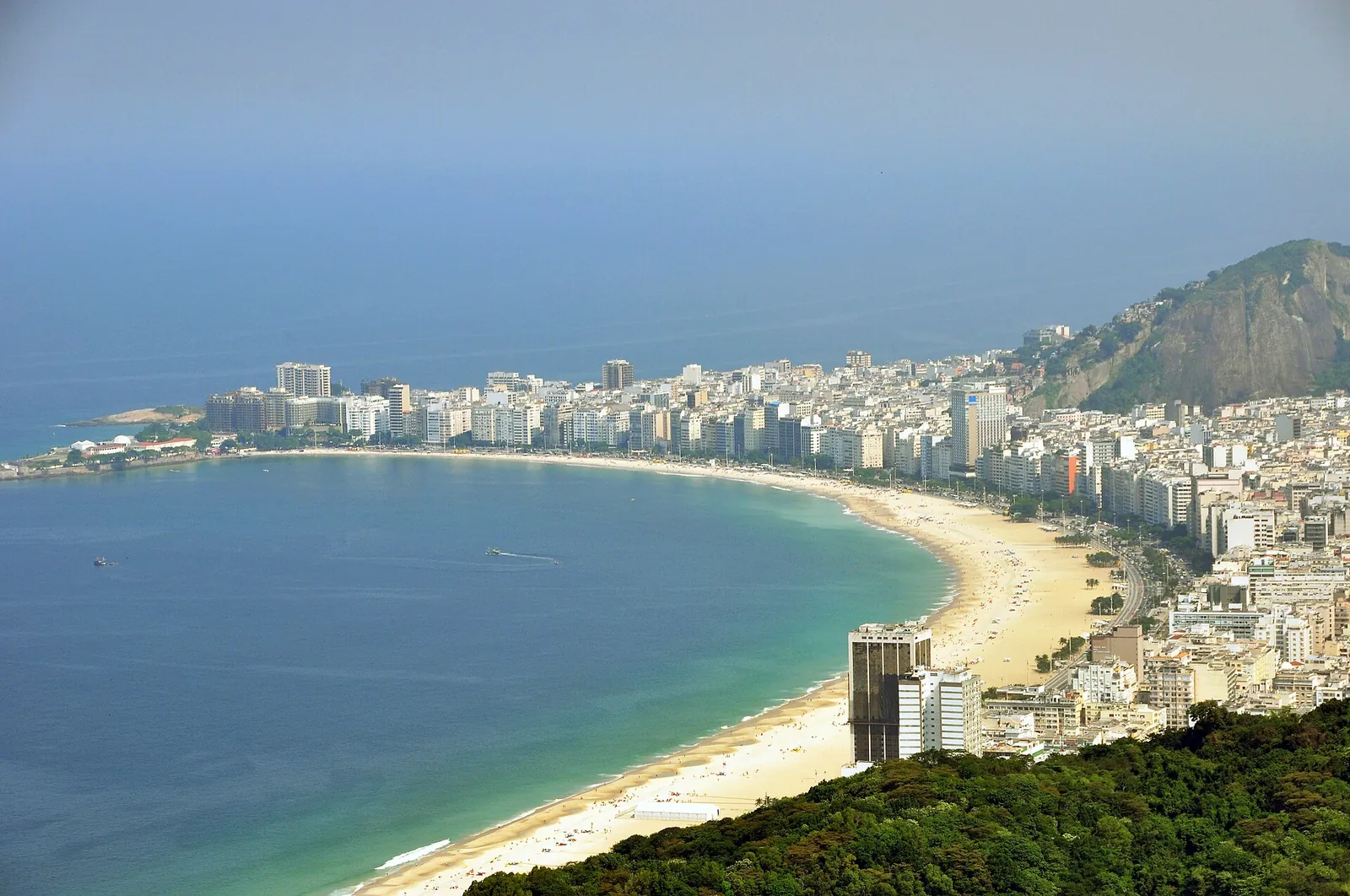
Head for Copacabana, the iconic crescent of sand. It’s a good place for a final swim and a long lunch. Keep valuables to a minimum on the sand and check the beach flags before swimming, as there can be strong currents off some beaches.
Evening
Use the last evening for something unhurried: a quiet dinner and a last look at the bay from your neighbourhood. If you fly out the next morning, pack tonight and arrange your airport transfer in advance.
Getting there and getting around
Rio’s main international gateway is Galeão airport (GIG). The airport’s official site covers taxis and ride apps, buses and BRT services. We couldn’t open those pages today, so we’re not quoting fares or journey times: check the official RIOgaleão pages for the current options. Whichever you choose, use an official taxi or a ride-hailing app (see Heads-up).
Once you’re in the city, the metro is the easiest way to move between Centro and the Zona Sul:
- Fare: BRL 7.90 for a single ride. MetrôRio says the public fare stays at BRL 7.90 from 12 April 2026, despite an approved effective fare of BRL 8.20.
- Hours: Monday to Saturday 05:00 to 00:00, Sundays and holidays 07:00 to 23:00.
- Payment: you can tap a contactless Visa, Mastercard or Elo card (or a phone) on the turnstile, or use a Jaé, Riocard or Giro card or a QR code ticket.
- Lines: Line 1 runs from Uruguai in Tijuca to General Osório in Ipanema, Line 2 from Pavuna to Botafogo, and Line 4 from Nossa Senhora da Paz in Ipanema to Jardim Oceânico in Barra da Tijuca. Check the operator’s notices for weekend changes.
The VLT covers the waterfront and downtown. Everywhere else, use official taxis or ride-hailing apps, particularly after dark.
Where to stay
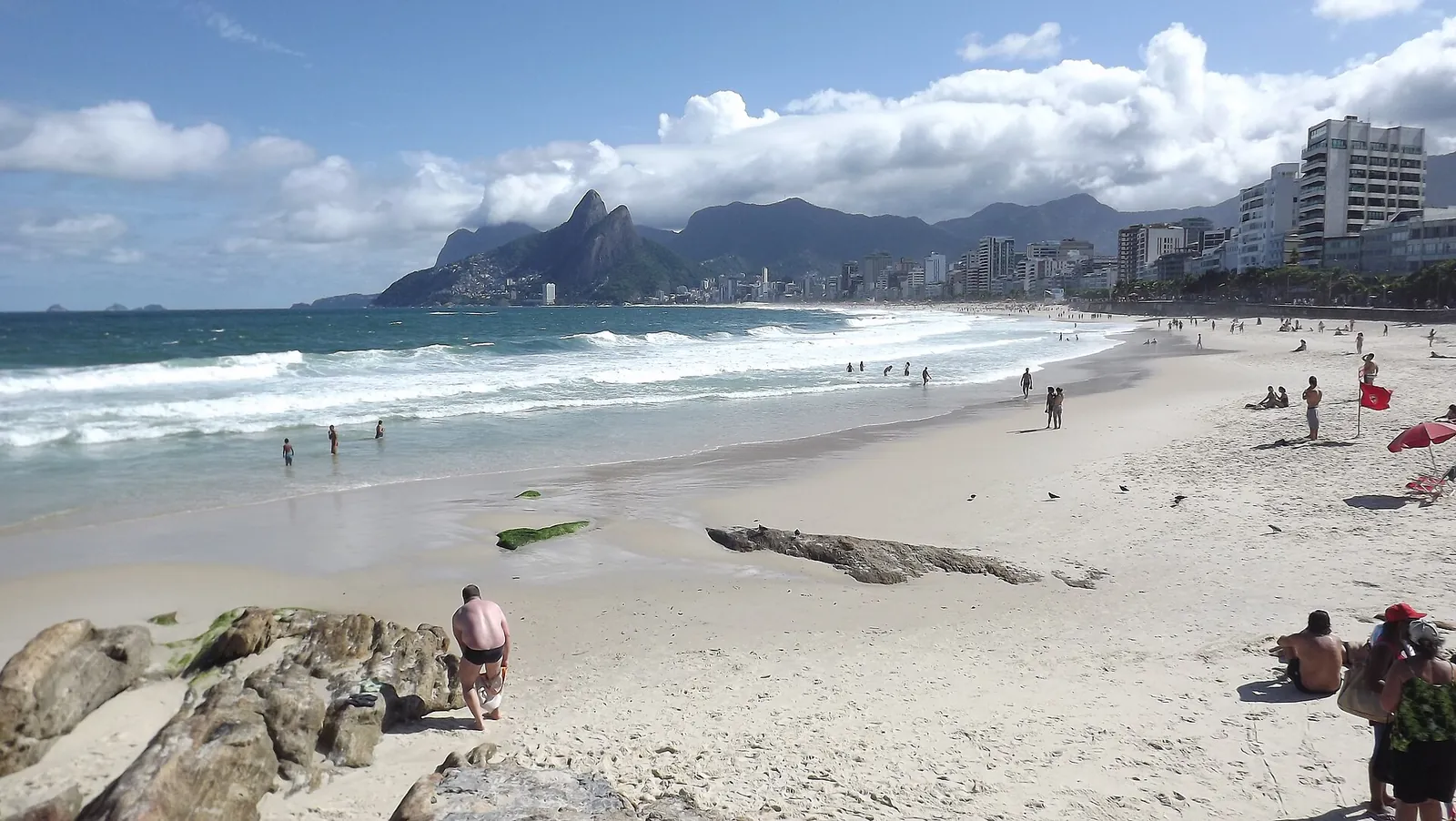
- Ipanema and Leblon: beachfront, restaurants, and a metro station at General Osório. A good first-timer base if you want to walk to the sand.
- Botafogo and Flamengo: a more local feel, with metro access on both Lines 1 and 2 (Botafogo). Good for Urca and for Largo do Machado, the stop for the Cosme Velho station.
- Santa Teresa: atmospheric hillside streets and mansions. It suits travellers who like a quiet, characterful base and don’t mind taking ride-hail cars up the hill.
Budget
| Item | Typical cost |
|---|---|
| Trem do Corcovado, adult (includes access to Christ the Redeemer) | BRL 139 (children 7 to 11: BRL 112) |
| Sugarloaf, full ticket | BRL 205 |
| Museu do Amanhã, full / half | BRL 40 / BRL 20 (BRL 10 on the 10th of each month) |
| Metro single ride | BRL 7.90 |
| VLT single ride | BRL 5.00 |
Together, the three attractions come to BRL 384 for one adult. We haven’t verified hotel, food or airport-transfer prices on official sources, so they are not included. Expect the sums above to change, and confirm each price on the official site when you book.
Heads-up
Rio is a joy, and a few smart habits will keep you relaxed. This section follows the UK government’s official travel advice for Brazil, so check the latest version before you go.
- Phones and robbery: the advice says robbery is common and that thieves often target phones between 4pm and 9pm. If you are confronted, do not resist. Avoid using your phone in the street, and avoid expensive jewellery and watches.
- Beaches: thefts are particularly common on public beaches, so keep your belongings close and avoid taking valuables. Do not go onto city beaches after dark. Strong currents can be a danger off some beaches, so check local advice and warning flags before swimming.
- Taxis: the advice is not to hail taxis on the street, and it reports serious incidents involving unlicensed taxis. Use the official app, wait somewhere safe, and check that the car and driver match the app.
- Favelas: the advice is to avoid all favelas, including favela tours marketed to tourists, because the security situation can be unpredictable. Check that your GPS route doesn’t pass through one.
- Protests: avoid political rallies and demonstrations, as even peaceful events can turn confrontational.
- Weather: the advice notes that flash floods and landslides are common in regions where mountains are close to the coast, such as Rio.
- Emergencies: the local police number is 190.
- Not on this plan: wandering at night, beach evenings and unplanned favela visits, for the reasons above.
Practical tips

- Timed tickets: Christ the Redeemer’s train and Sugarloaf both work best when booked ahead on the official sites. Don’t buy from street sellers.
- Weather: clear mornings give the best views, and conditions can change quickly. Check the forecast the day before and keep Days 2 and 3 swappable.
- What to carry: a small bag, sun protection and water. There’s no luggage storage at the train station.
- Closing days: the Museu do Amanhã is closed on Wednesdays according to its official page.
- Money and phone: check your bank’s foreign card fees, and get an eSIM or SIM before you land so a ride-hailing app works from the arrival hall.
- Dress: casual, comfortable shoes, and a light layer for the mountain tops.
FAQ
Do I need to book Christ the Redeemer in advance?
Yes. The official site sells timed tickets and you choose a date and time when you buy. Check in at least 40 minutes early.
Is four days enough for Rio?
It is enough for the big sights and a taste of the city. This plan keeps each day to one headline sight and leaves the rest flexible.
How much does the Sugarloaf cable car cost?
The full ticket is BRL 205 on the park’s official page and includes both cable car legs. Children aged 0 to 2 are free and ages 3 to 12 pay half price.
Can I use my bank card on the metro?
MetrôRio says you can tap a contactless Visa, Mastercard or Elo card, or a phone, at the turnstile. It also accepts Jaé, Riocard and Giro cards.
What if it rains?
Sugarloaf’s park operates normally on rainy days, though the cable cars may pause in strong winds or lightning. The Museu do Amanhã is a good indoor alternative.
Is it safe to go to the beach in the evening?
Official advice is not to go onto city beaches after dark. Enjoy the beach by day and finish the evening in a restaurant instead.
Sources
Prices, hours and rules change. We checked these on 1 November 2026; please confirm on the official page before you book.
- Trem do Corcovado: official ticket site (prices and booking)
- Trem do Corcovado: Informações úteis (hours, check-in, luggage)
- Trem do Corcovado: Como chegar (metro and bus to Cosme Velho)
- Parque Bondinho Pão de Açúcar: official site
- Parque Bondinho Pão de Açúcar: Bilhete Bondinho
- Parque Bondinho Pão de Açúcar: Perguntas frequentes
- Museu do Amanhã: Programe sua visita (tickets)
- Museu do Amanhã: opening hours
- MetrôRio: Meios e tarifas
- MetrôRio: Sua viagem (operating hours)
- VLT Carioca (Motiva): fare and hours
- GOV.UK: Brazil travel advice, safety and security
Photo credits (12)
- Sunrise over Sugarloaf Mountain and Guanabara Bay: Donatas Dabravolskas, CC BY-SA 4.0, via Wikimedia Commons
- Museu do Amanhã on the waterfront under blue sky: Mariordo (Mario Roberto Durán Ortiz), CC BY-SA 4.0, via Wikimedia Commons
- The white Arcos da Lapa on a sunny day: Photograph by Mike Peel (www.mikepeel.net)., CC BY-SA 4.0, via Wikimedia Commons
- Christ the Redeemer above a sea of clouds at sunrise: Donatas Dabravolskas, CC BY-SA 4.0, via Wikimedia Commons
- Golden sunset over Ipanema seen from Arpoador: Brunno Rôlo, CC BY-SA 3.0, via Wikimedia Commons
- Urca's leafy streets and boat-dotted bay from above: Wilfredor, CC0, via Wikimedia Commons
- Sugarloaf cable car gliding toward the summit: Diego Baravelli, CC BY-SA 4.0, via Wikimedia Commons
- Old houses and steps on a Santa Teresa street: Adam Jones, Ph.D., CC BY-SA 3.0, via Wikimedia Commons
- The sweeping crescent of Copacabana beach: chensiyuan, CC BY-SA 4.0, via Wikimedia Commons
- A VLT Carioca light rail tram downtown: Mariordo (Mario Roberto Durán Ortiz), CC BY-SA 4.0, via Wikimedia Commons
- Ipanema beach with Morro Dois Irmãos behind: Mteixeira62, CC BY-SA 3.0, via Wikimedia Commons
- Copacabana's wavy promenade mosaic and palm trees: Donatas Dabravolskas, CC BY-SA 4.0, via Wikimedia Commons
More Latin America itineraries
 4 days
4 Days in Mexico City: A Day-by-Day Itinerary
A 4-day Mexico City itinerary: Centro Histórico, Chapultepec and the Anthropology Museum, Teotihuacan, then Coyoacán and Xochimilco.
 4 days
4 Days in Buenos Aires: A Day-by-Day Itinerary
A 4-day Buenos Aires plan: Plaza de Mayo, Teatro Colón, Recoleta, MALBA and the Costanera Sur reserve, with hours and fares checked on official sites in Nov 2026.
 4 days
4 Days in Puerto Rico: A Day-by-Day Itinerary
A 4-day Puerto Rico itinerary: Old San Juan's forts, El Yunque rainforest, a glowing bio bay in Fajardo and a ferry day to Flamenco Beach on Culebra.
This is a researched plan, not a personal trip report. How we research · Affiliate disclosure