
7 Days in Sicily: A Day-by-Day Itinerary by Train
A 7-day Sicily itinerary from Palermo to Taormina via Cefalù, Agrigento and Siracusa, with checked ticket prices, train times and booking tips.
- 🗓️ Trip length
- 7 days
- ☀️ Best time
- April to June, September to October
- 💰 Daily spend
- Sight tickets and trains about EUR 125 per adult for the week; rooms, food and Etna extra
- ✅ Facts checked
- 1 November 2026
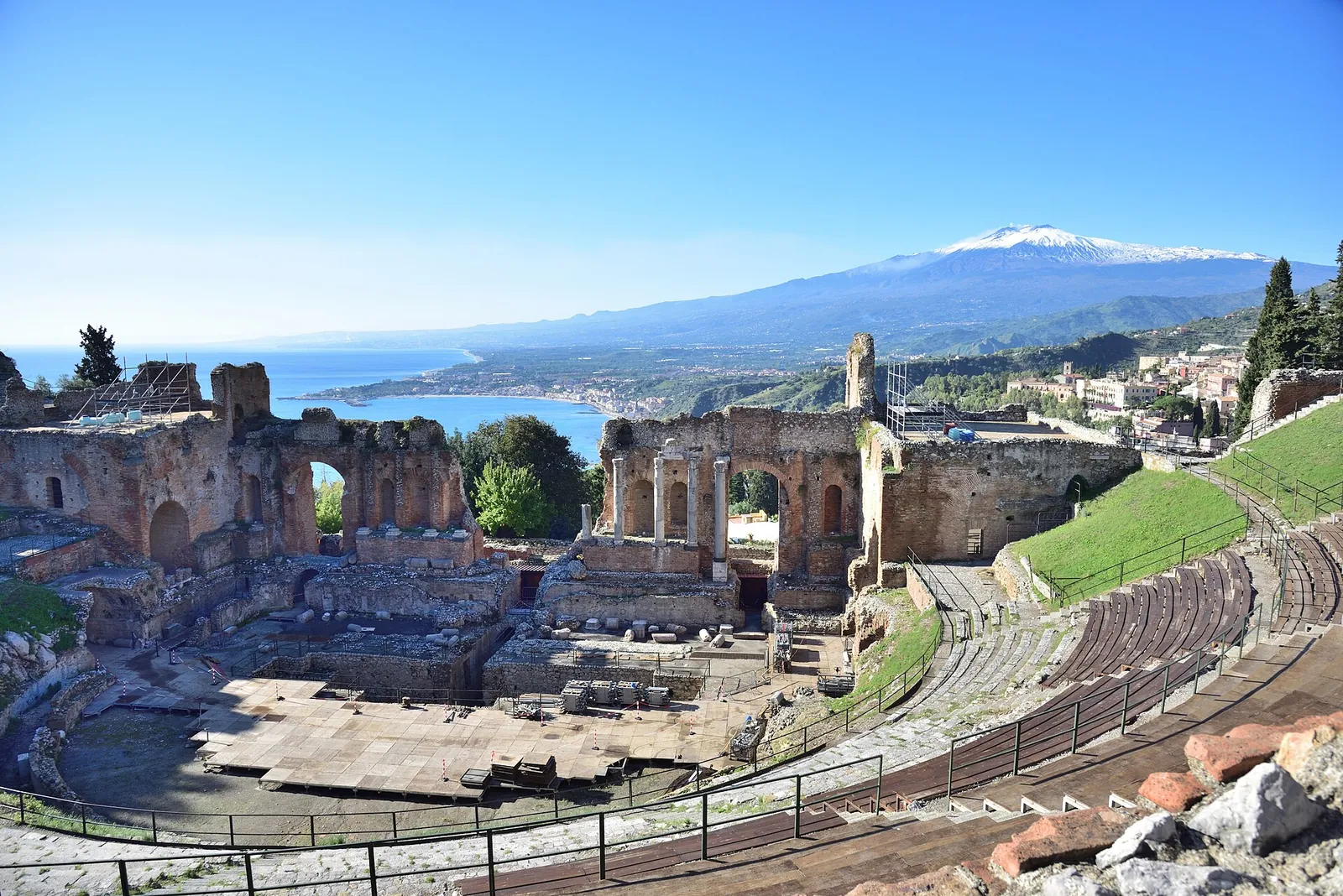
Get ready for golden Norman mosaics in Palermo, a beach town tucked under a giant rock, Greek temples glowing at sunset, a honey-stoned island old town in Siracusa and a theatre in Taormina with Mount Etna as its backdrop. This seven-day plan crosses Sicily from west to east by train. You fly into Palermo and out of Catania, so you never have to double back.
The plan suits first-timers, couples and friends who want the island’s headline sights without driving. Each day has one big anchor visit and plenty of time for street food, slow lunches and evening strolls. Day 4 is the one long travel day, timed so you still get an afternoon in Ortigia.
7 days in Sicily at a glance
| Day | Area | Highlights |
|---|---|---|
| 1 | Palermo | Palazzo dei Normanni and Cappella Palatina, Cathedral, Quattro Canti, Ballarò market |
| 2 | Cefalù day trip | Old town, Norman cathedral, beach, evening back in Palermo |
| 3 | Palermo to Agrigento | Train south, Valley of the Temples in the afternoon light |
| 4 | Agrigento to Siracusa | Cross-island train, first evening in Ortigia |
| 5 | Siracusa | Neapolis Greek Theatre, Paolo Orsi Museum, Ortigia sunset |
| 6 | Siracusa to Taormina | Train via Catania, Teatro Antico, Corso Umberto |
| 7 | Mount Etna, fly home | Morning on the volcano, transfer to Catania airport |
Day 1: Palermo’s golden mosaics and markets
Morning
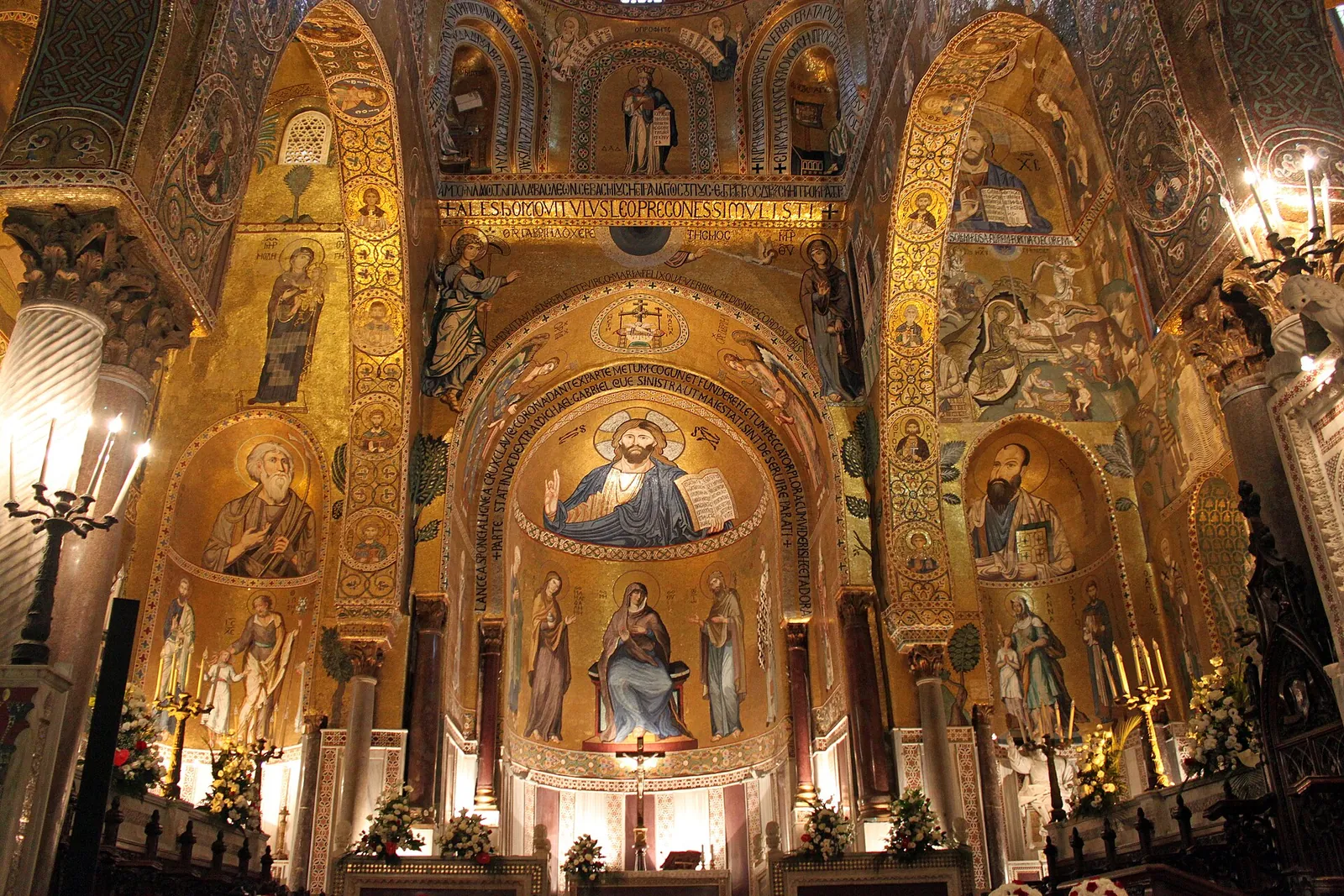
Start your Sicilian adventure with the island’s most dazzling interior: the Cappella Palatina, a Norman chapel covered in gold mosaics inside the Palazzo dei Normanni (Palazzo Reale). The Fondazione Federico II, which runs the visit, lists opening hours of Monday to Saturday 08:30 to 16:30 and Sunday and public holidays 08:30 to 12:30 (those are last-entry times). The complex closes on 25 December and 1 January.
Pick your day carefully, because the ticket changes with it:
- Thursday to Monday and holidays: Cappella Palatina, Royal Apartments and Royal Gardens. Full ticket EUR 14.50, reduced EUR 12.50 (teachers and EU residents aged 18 to 25), EUR 11 (EU citizens over 65), EUR 9 (ages 14 to 17).
- Tuesday and Wednesday: Cappella Palatina and Royal Gardens only, no Royal Apartments. Full ticket EUR 10.
An audio or video guide costs EUR 5. Two things to know: the chapel closes to visitors every Sunday from 09:30 to 11:00, and because the palace houses the Sicilian Parliament, the Fondazione warns that it can close fully or partly without notice. Book online through the official site and arrive early.
Afternoon
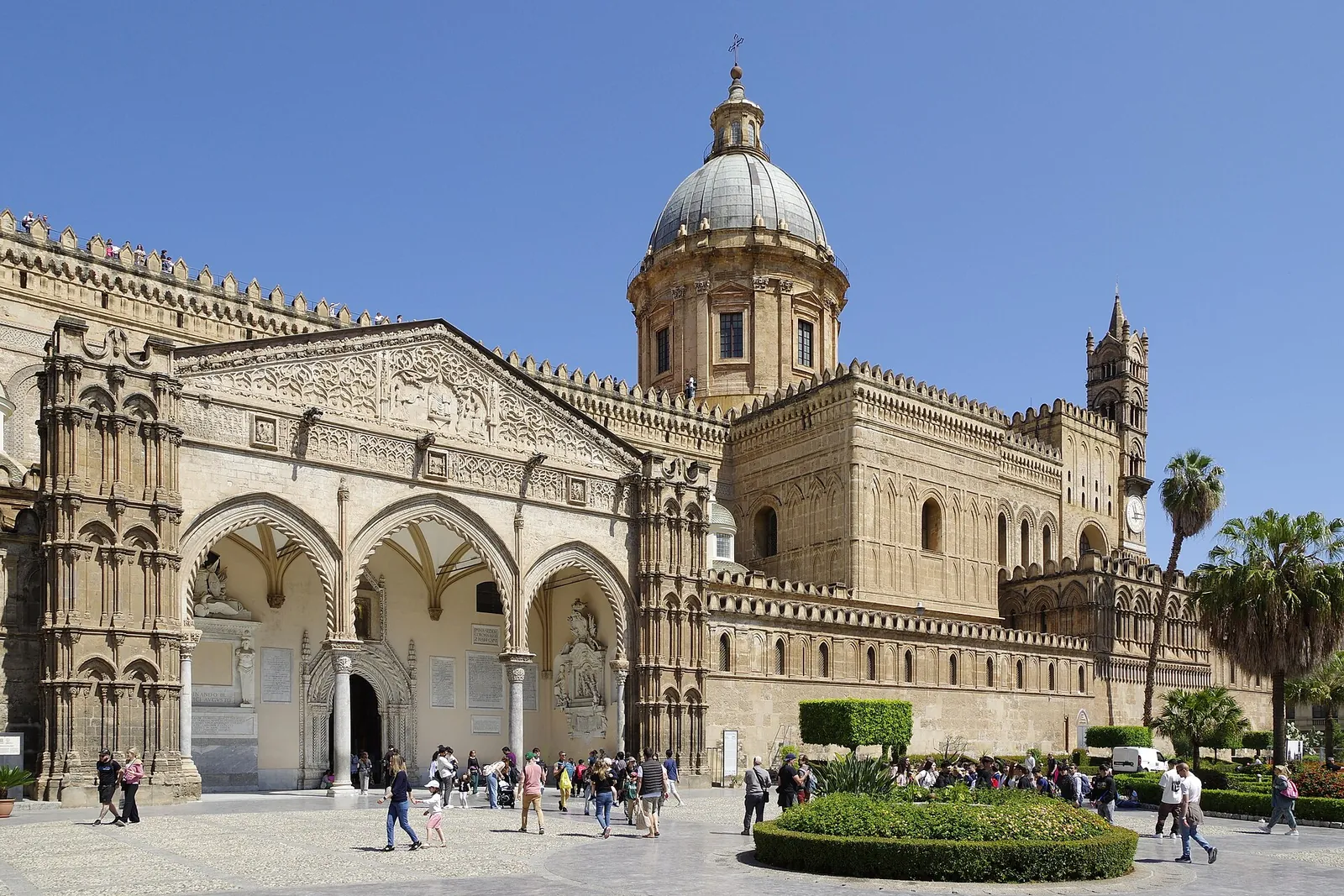
From the palace, stroll down Corso Vittorio Emanuele to Palermo Cathedral, a striking mix of Norman, Gothic and later styles (check the official site for rooftop tickets). Continue to the Quattro Canti, the baroque crossroads at the heart of the old town, and Piazza Pretoria with its fountain.
Then plunge into Ballarò market, a short walk south, for arancine (fried rice balls) and panelle (chickpea fritters).
Evening
Wander up pedestrian Via Maqueda towards the Teatro Massimo opera house and soak up the evening buzz. Sicilians dine late, so take your time.
Day 2: Cefalù, beach and Norman cathedral
Morning
This is the day for sea views and a lazy lunch. Trains link Palermo Centrale and Cefalù all morning. On Trenitalia’s journey planner for a sample November weekday, the trip took 44 to 57 minutes, with regional fares of EUR 7.10 and Intercity fares of EUR 9.00 one way. Buy a return or two singles, and validate paper tickets before boarding.
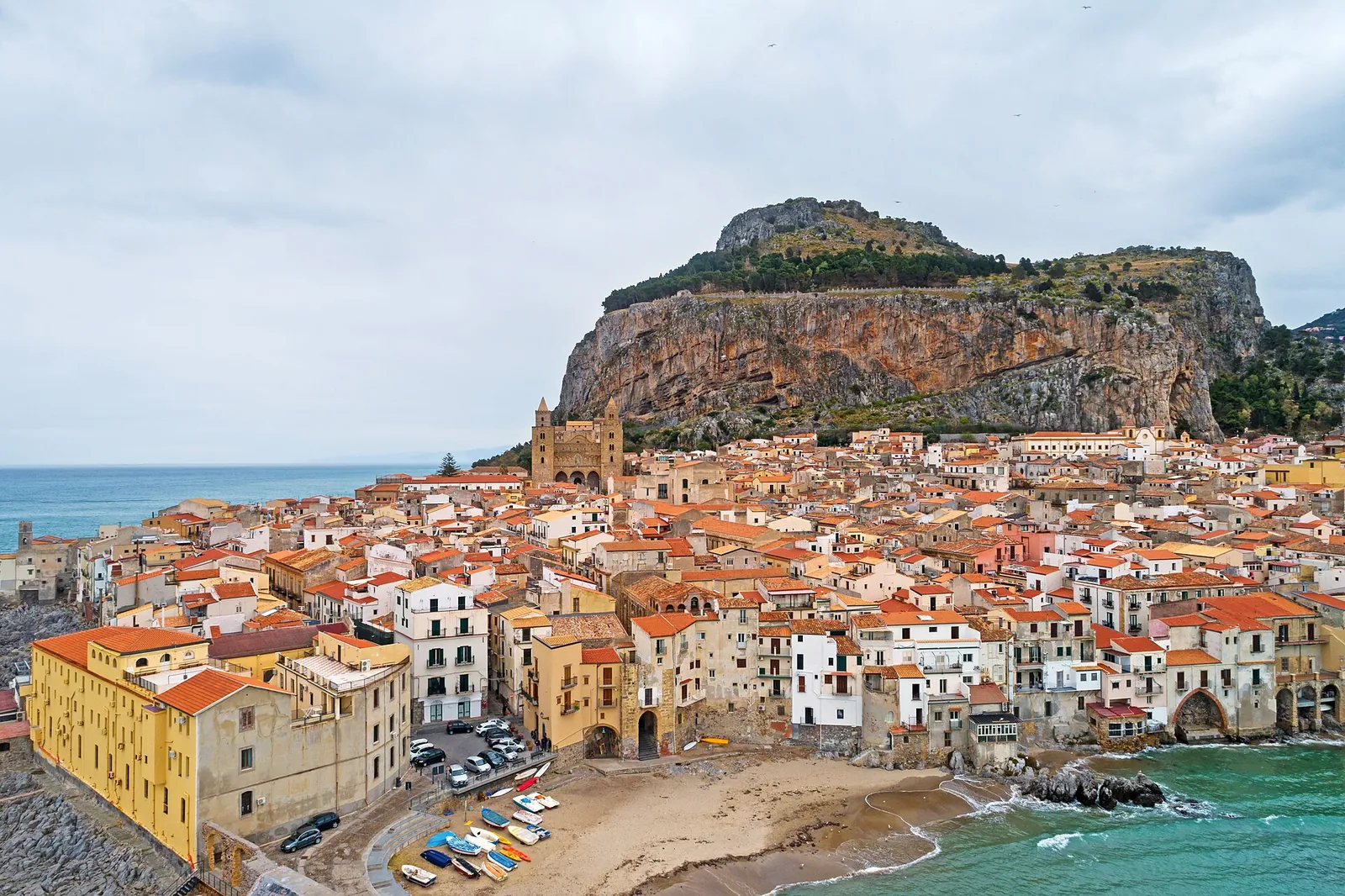
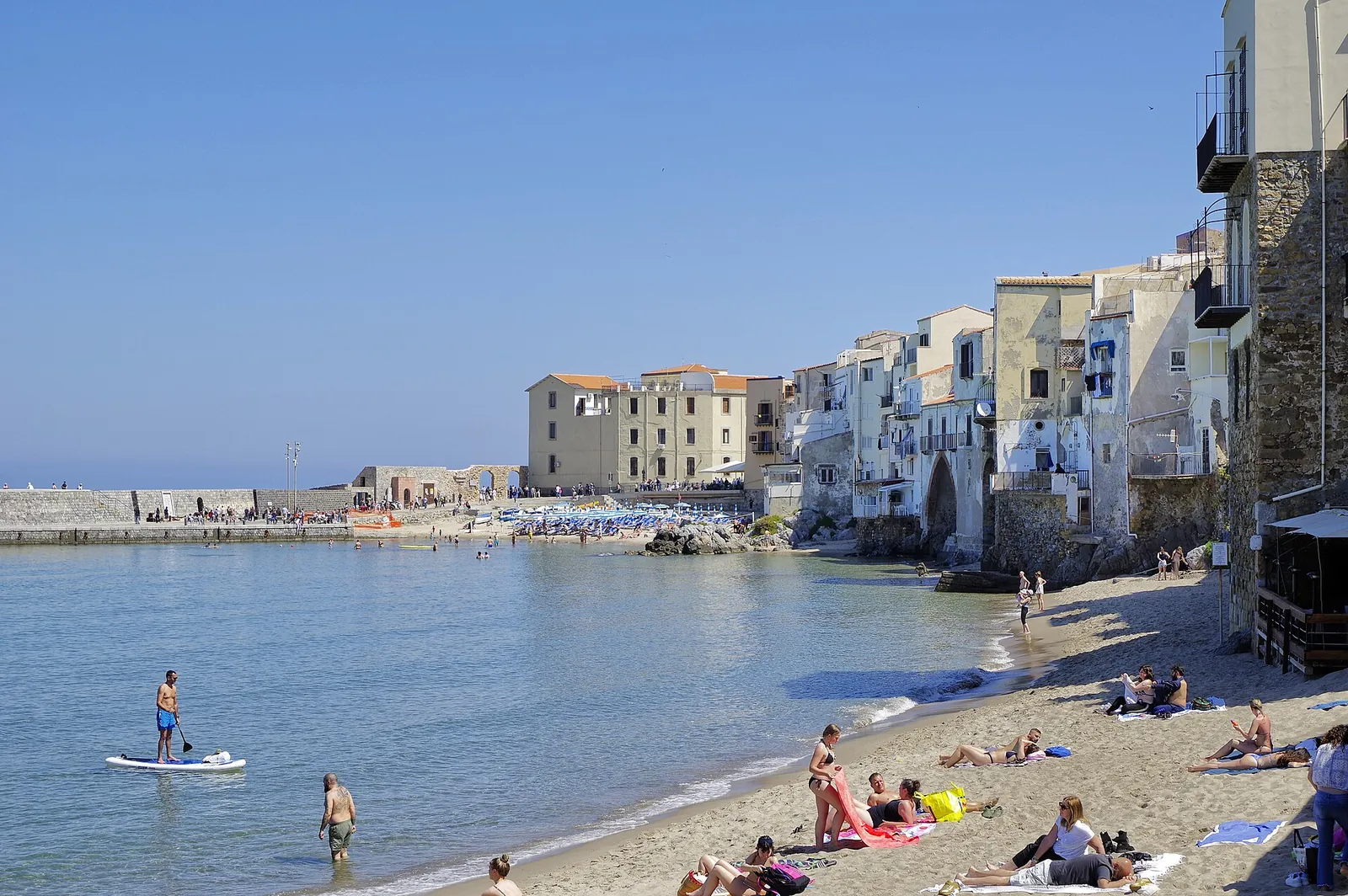
From the station, walk into the old town, a grid of lanes sloping down to the sea under the great rock of La Rocca.
Afternoon
Visit the Cefalù Cathedral, founded by the Norman king Roger II, with its twin towers and golden apse mosaic of Christ Pantocrator. Check the official site for current hours, tickets and access to the terraces. Then spend the rest of the afternoon on the sandy town beach, or climb La Rocca for views over the rooftops if you have the energy (check opening times locally before you start).
Evening
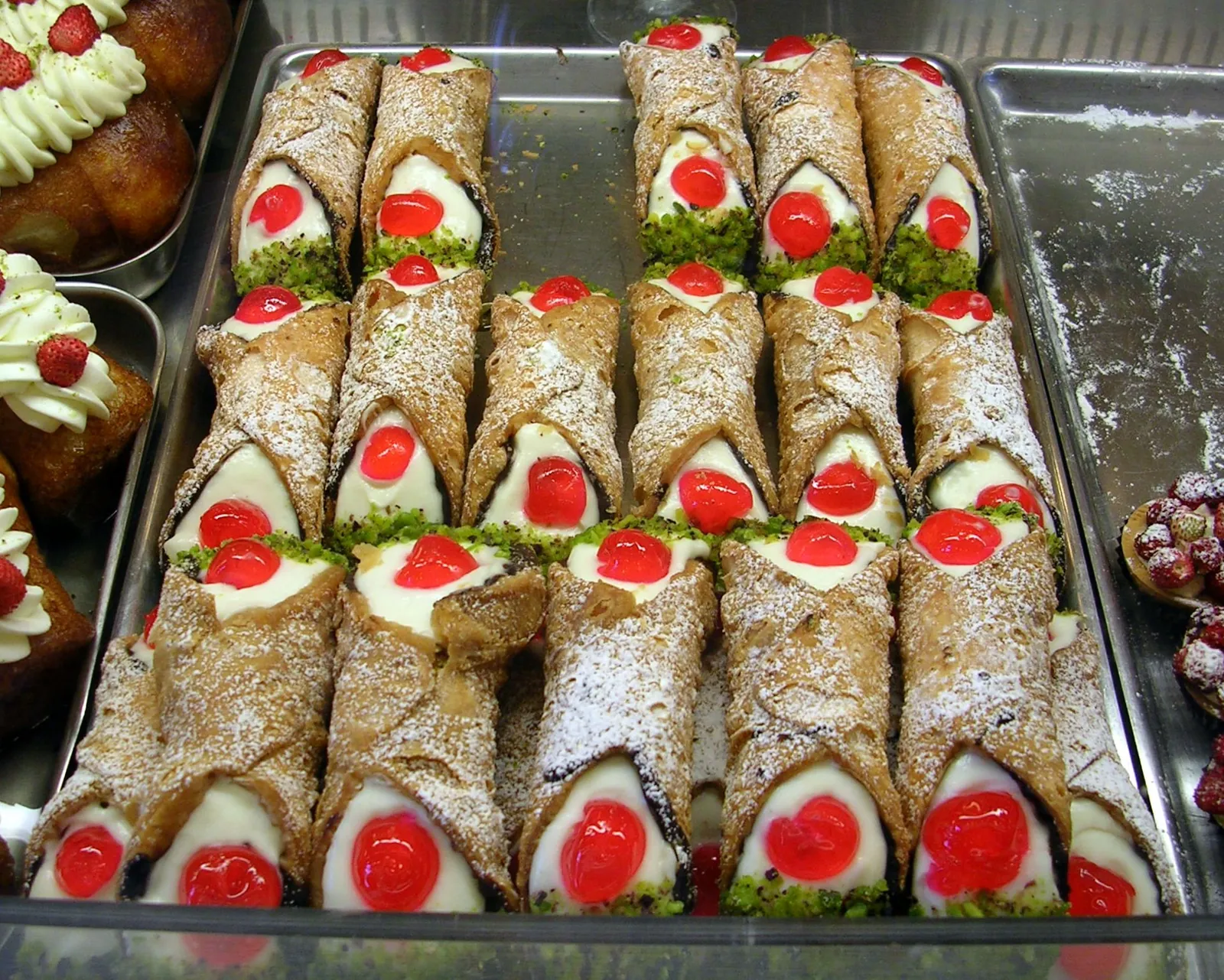
Catch an early evening train back and treat yourself to a cannolo in Palermo’s old town.
Day 3: Palermo to Agrigento and the Valley of the Temples
Morning
Today you cross the island from the north coast to the south. Direct regional trains run from Palermo Centrale to Agrigento Centrale. On Trenitalia’s planner for a sample weekday, journeys took about 2 hours 4 minutes to 2 hours 18 minutes, at EUR 11.40 one way. A morning departure gets you to Agrigento before lunch. Drop your bags and have lunch.
Afternoon
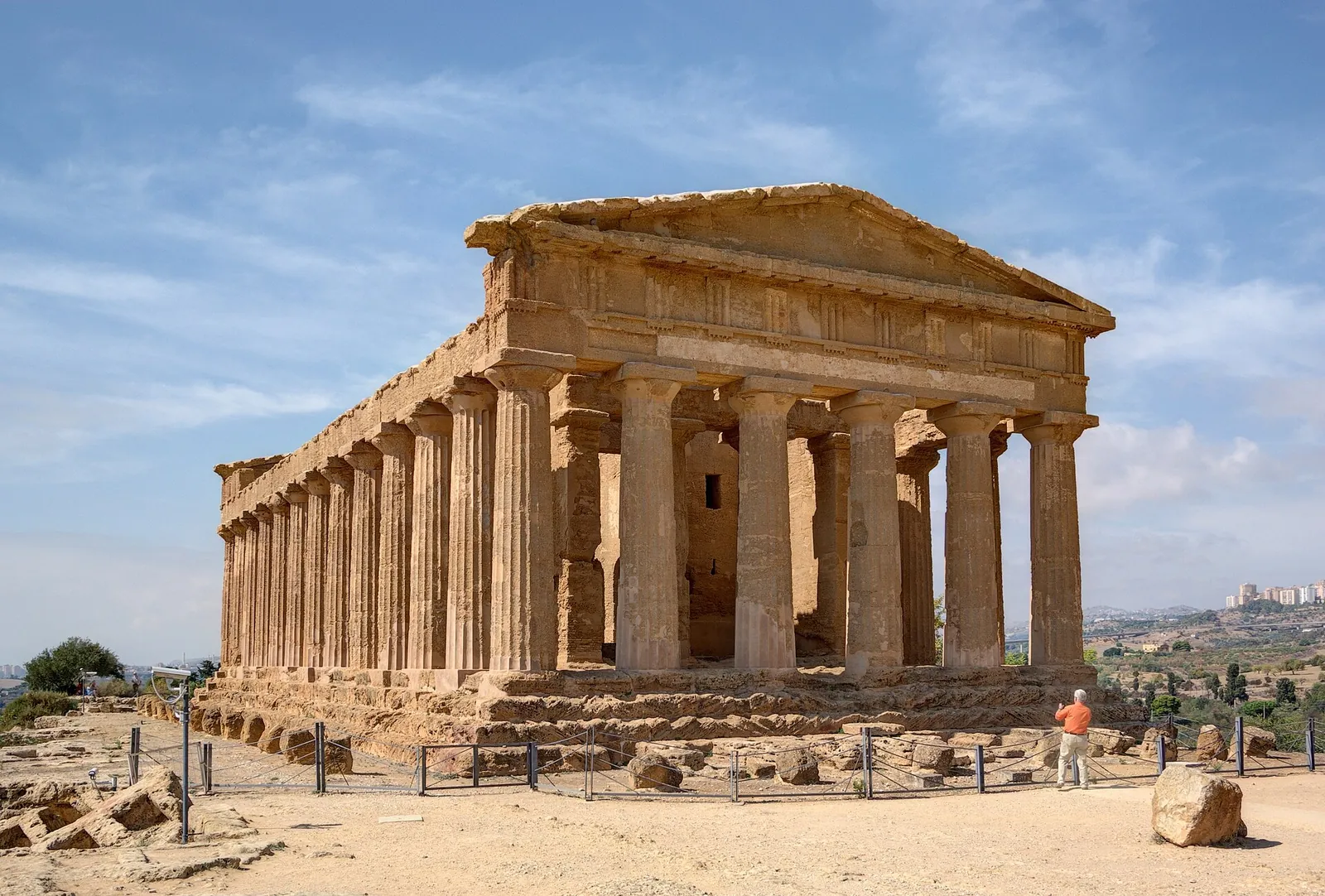
The Valley of the Temples is a UNESCO World Heritage Site and the remains of ancient Akragas. The official ticket office lists a full ticket at EUR 14 and a reduced ticket at EUR 7 (EU citizens aged 18 to 25). Under-18s enter free. Combined tickets cost EUR 19.20 with the Museo Pietro Griffo and EUR 20 with the Giardino della Kolymbethra. The park says it is open every day of the year, and the ticket page lists standard hours of 08:30 to 20:00 with last entry at 19:00. Hours change in summer and for events, so check the official site for your date.
The official ticket page recommends booking online in advance because entry is capped. Of the three ticket offices, the one at the Teatro Ellenistico is closed from November to March, so use the Tempio di Giunone or Porta V entrances in winter. Agrigento’s centre sits on a hill above the valley, so take a taxi or local bus down to the entrance.
Walk the ridge from the Temple of Juno to the beautifully preserved Temple of Concordia. The Kolymbethra garden is a lush detour; in November and December it opens 10:00 to 16:00, with last tickets sold at 13:15.
Evening
Stay for the late light on the honey-coloured columns, then dine in the old town around Via Atenea.
Day 4: Across Sicily to Siracusa and Ortigia
Morning
Today is your big island crossing, so pack snacks and a good book. Trenitalia’s planner for a sample weekday showed an 08:15 departure from Agrigento Centrale reaching Siracusa at 13:38, a journey of about 5 hours 23 minutes with changes, for EUR 20.00. On that date the last leg from Catania ran as a Trenitalia replacement bus, which the planner shows clearly when you book. Check the planner for your own date, since connections and engineering works change.
Afternoon
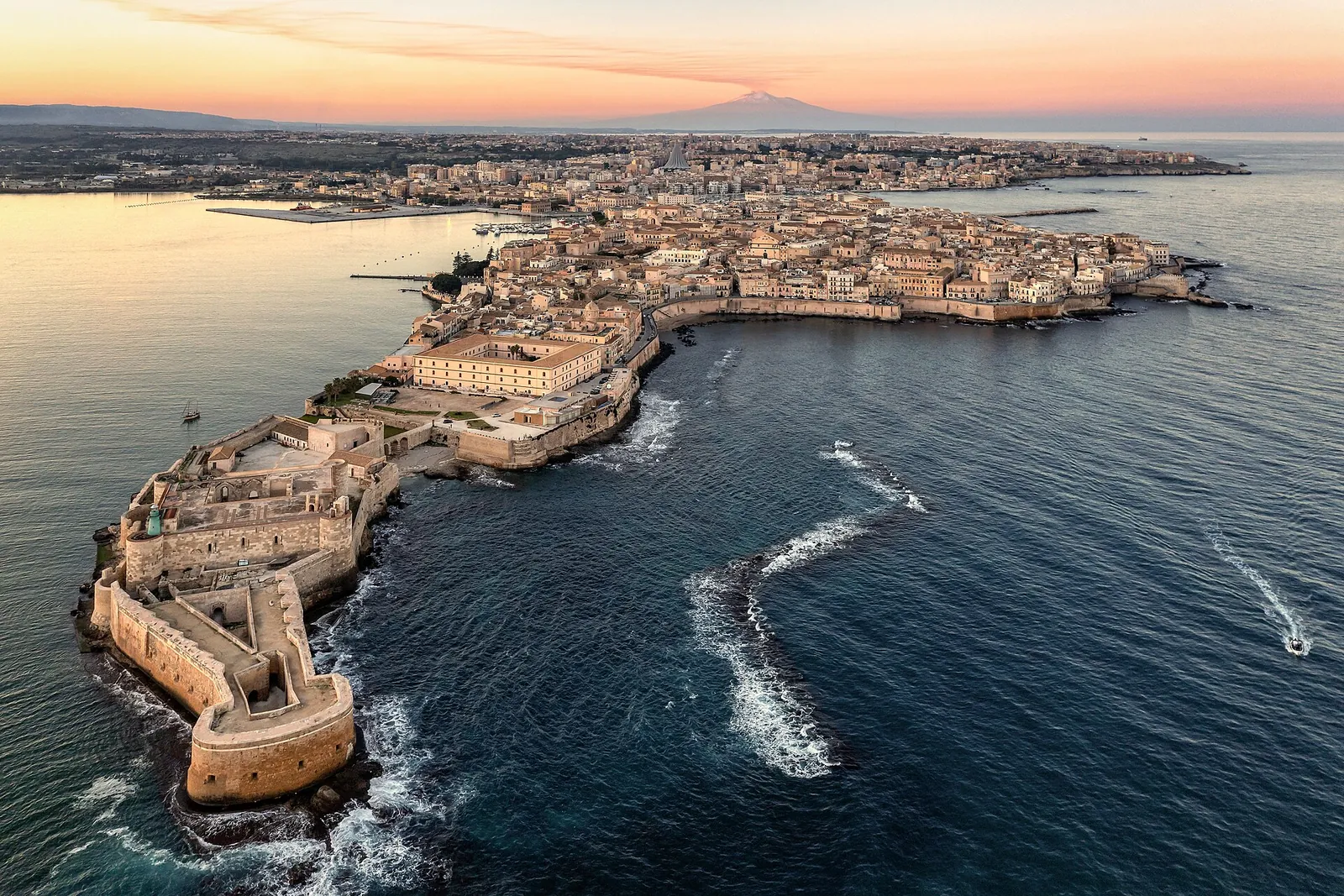
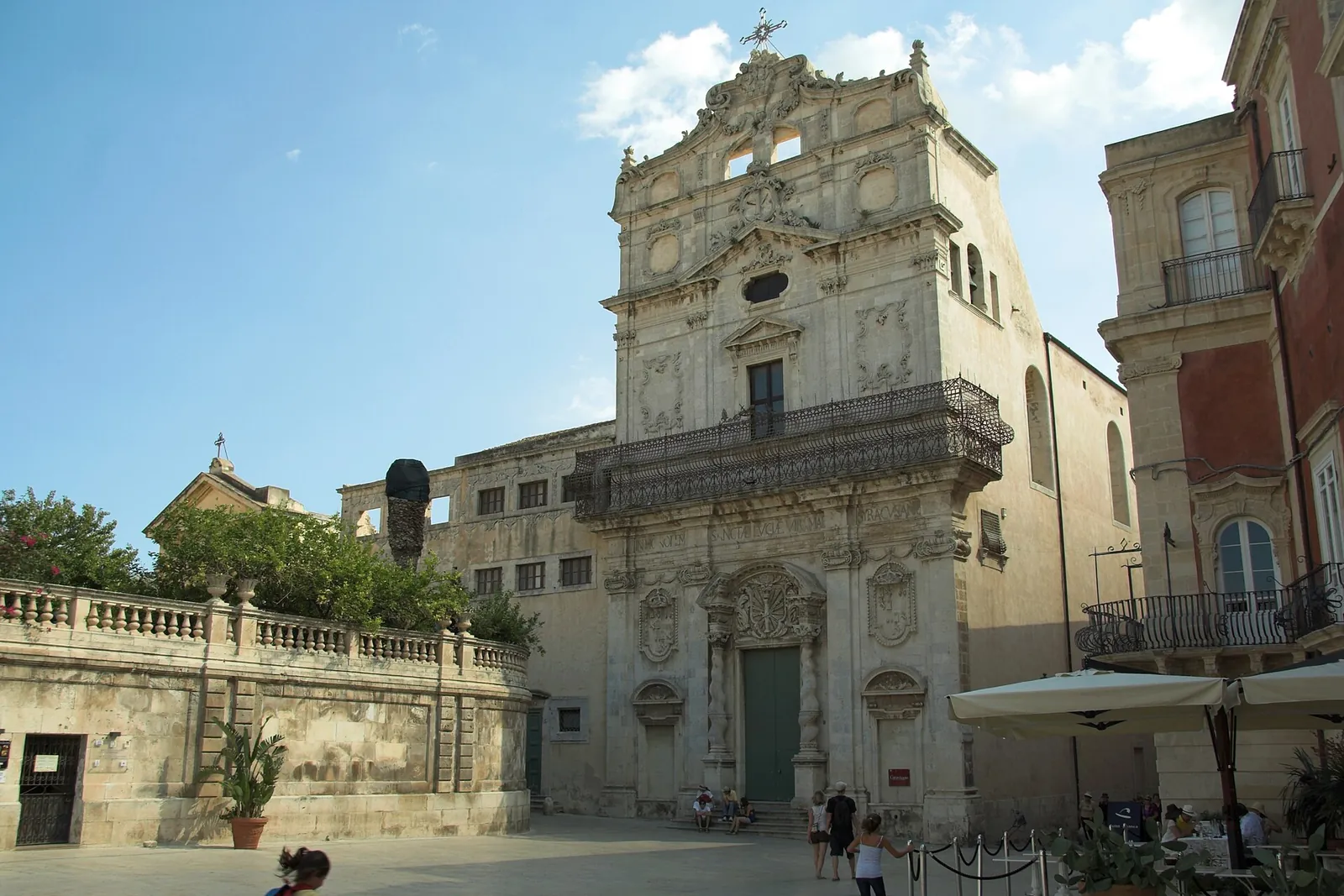
Settle into Ortigia, the little island that is Siracusa’s old town. Walk to Piazza Duomo, where the cathedral was built around the columns of a Greek temple (check the official site for hours and tickets), and on to the Fountain of Arethusa, a freshwater spring right by the sea.
Evening
Watch the sunset from Ortigia’s seafront, then find seafood in the lanes.
Day 5: Siracusa’s Greek theatre and museum
Morning
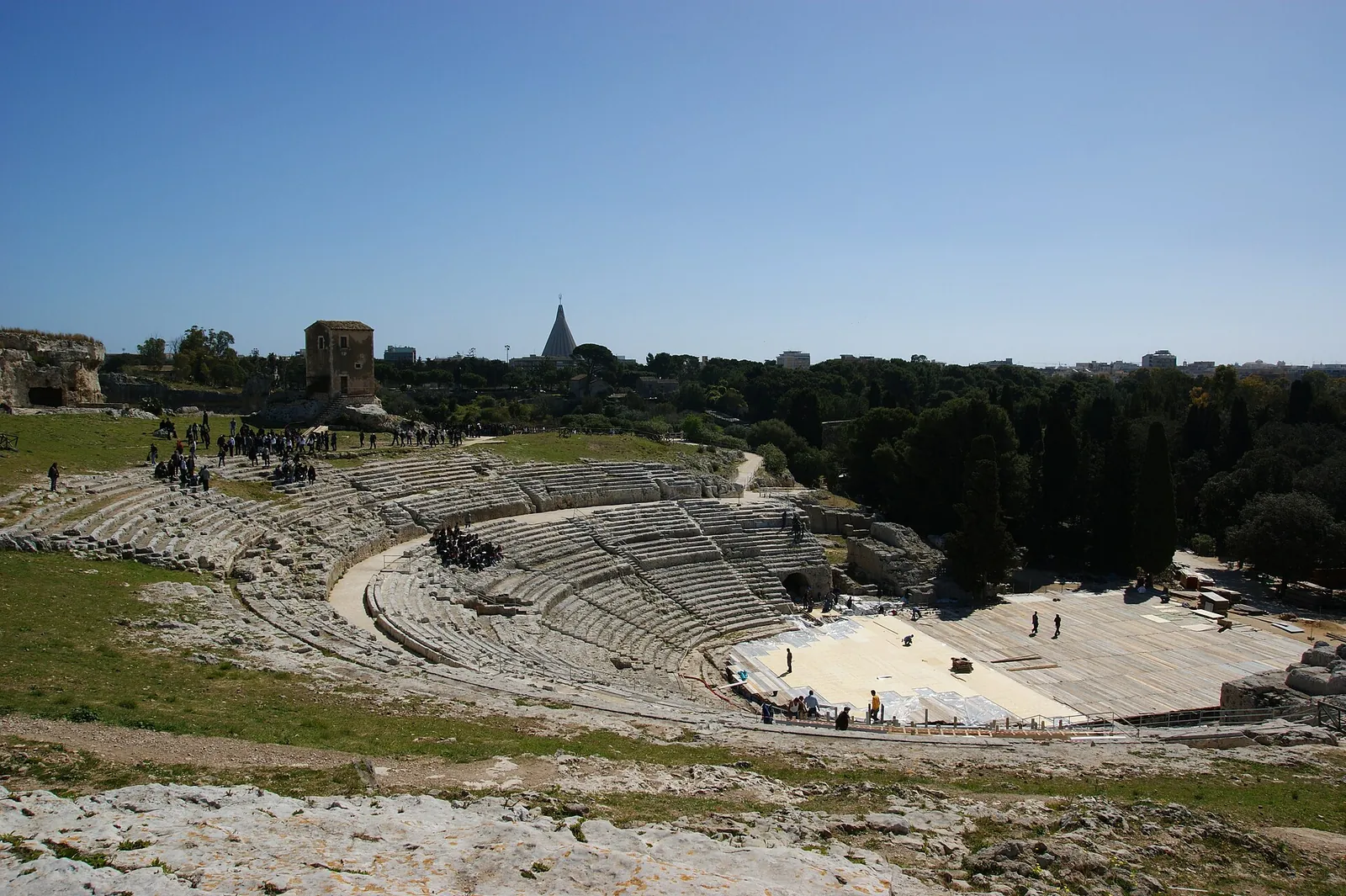
Save your energy for one of the great theatres of the Greek world. The Neapolis Archaeological Area holds the Greek Theatre, the Roman amphitheatre and the limestone quarry with the cave known as the Ear of Dionysius. The Parco archeologico di Siracusa lists a full ticket at EUR 14 and a reduced ticket at EUR 7. In late October the official hours were 08:30 to 17:15, with the ticket office closing at 16:00. The site’s hours change through the year, so check the official site for November and winter hours before you go.
Go early and wear good shoes: the ground is uneven ancient stone.
Afternoon
The Museo Archeologico Regionale Paolo Orsi is a short trip from the Neapolis and holds one of Sicily’s finest archaeological collections. The official hours are Tuesday to Saturday 09:00 to 19:00 (ticket office closes at 18:00) and holidays 09:00 to 13:45. It is closed on Mondays, so plan Day 5 for a Tuesday to Saturday if you can. Check the official site for the current museum ticket price.
Evening
Back in Ortigia, walk the waterfront to the Castello Maniace at the island’s tip, then join the evening passeggiata.
Day 6: Siracusa to Taormina
Morning
Time to head north towards Etna, in two easy legs. First, Siracusa to Catania Centrale: on Trenitalia’s planner for a sample weekday, this ran by bus (either a Trenitalia replacement bus or a regular bus line) in about 2 hours 3 minutes, for EUR 7.70 to 8.80. Then Catania Centrale to Taormina-Giardini station by regional train, in about 39 to 68 minutes for EUR 5.50.
Taormina-Giardini station is down by the sea, and the town sits high on the cliff above it, so take a taxi or local bus up.
Afternoon
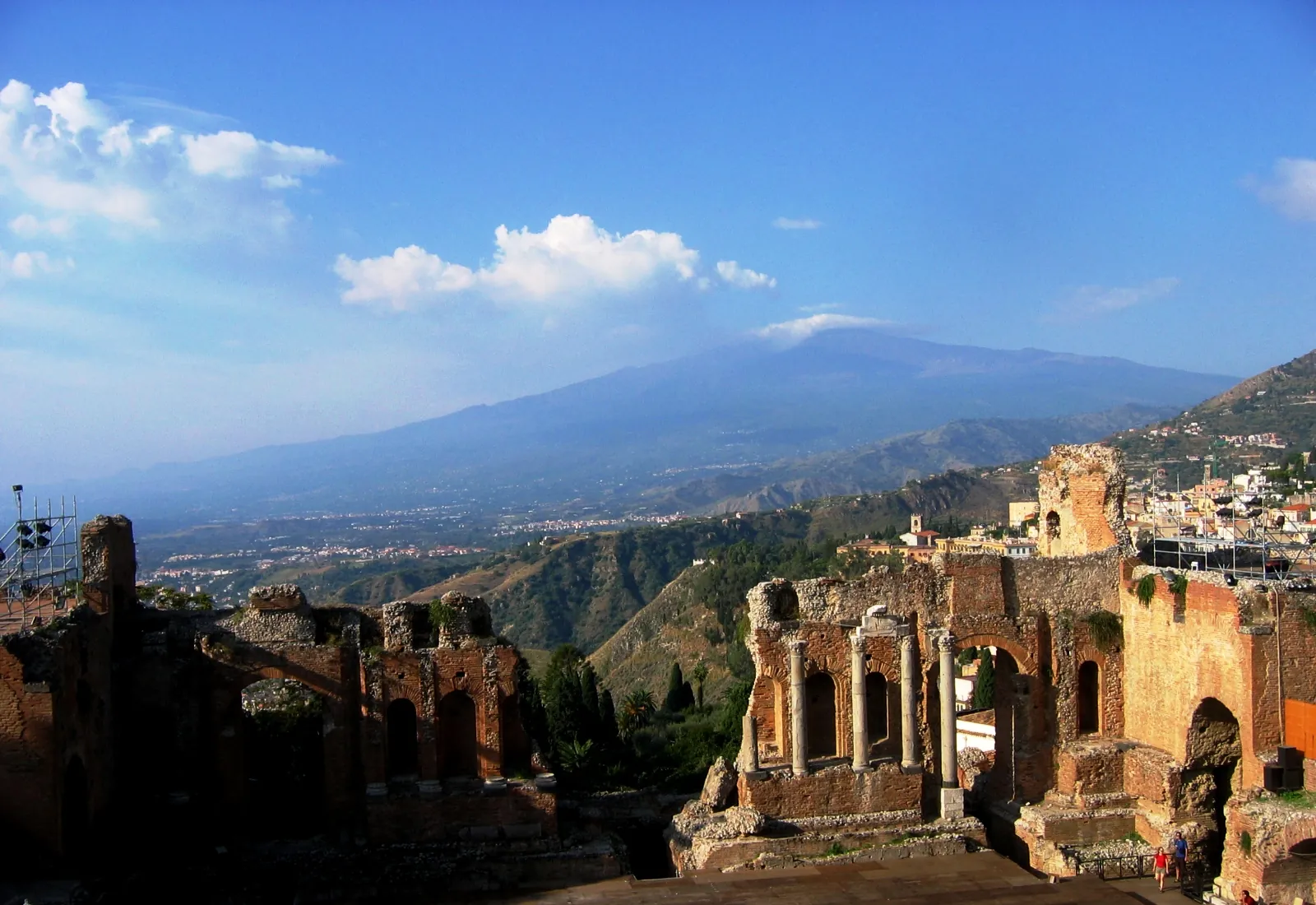
Head straight to the Teatro Antico di Taormina, an ancient theatre with sweeping views of the coast and Mount Etna. The Parco archeologico di Naxos e Taormina lists a full ticket at EUR 14 and a reduced ticket at EUR 7, open every day from 09:00 to 19:45, with last entry at 19:00. Late afternoon is lovely for photos.
Evening
Stroll Corso Umberto, Taormina’s elegant main street, and stop at Piazza IX Aprile for views over the bay before a terrace dinner.
Day 7: Mount Etna, then fly home
Morning
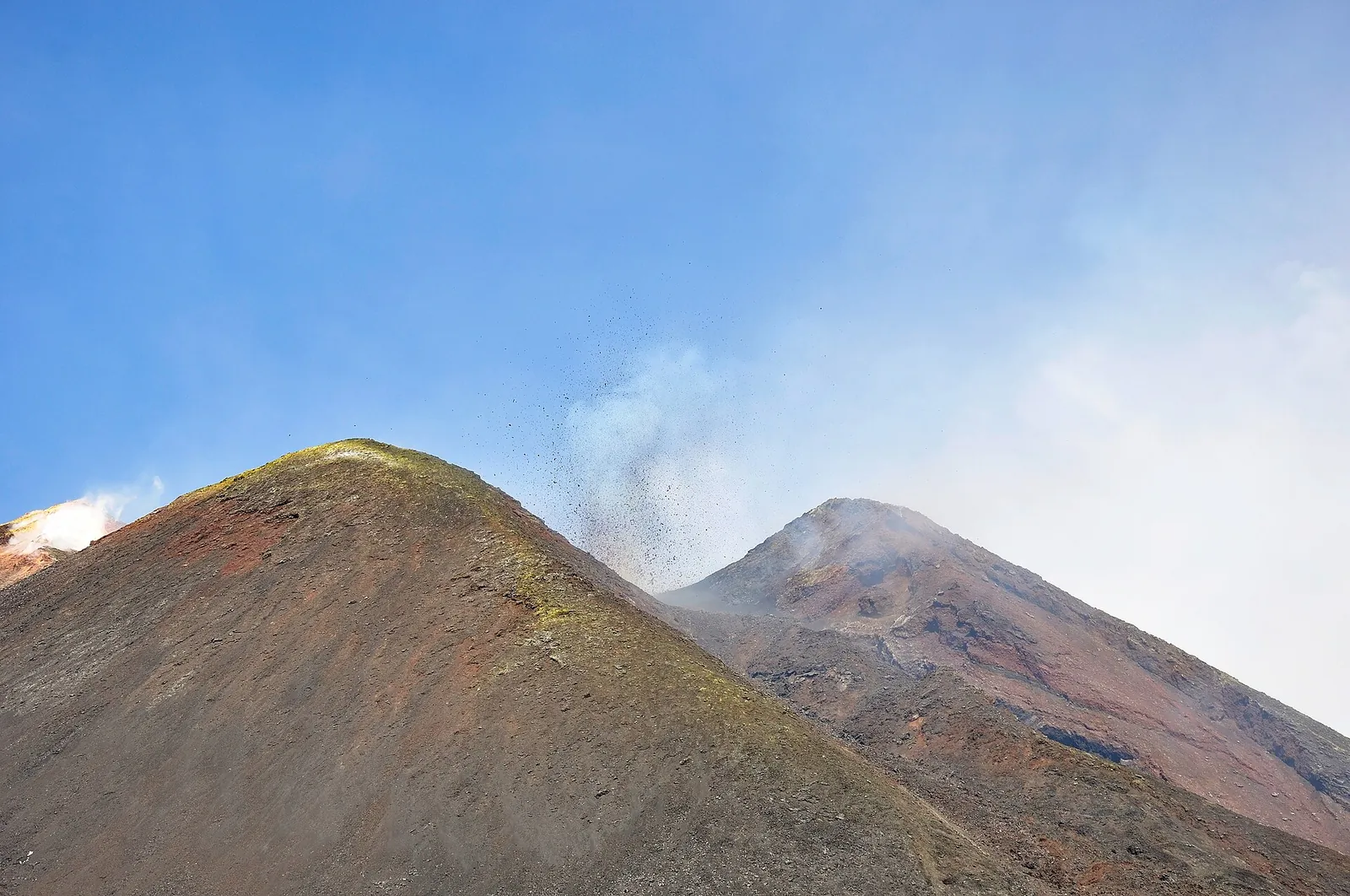
Finish on a high, literally. Mount Etna is Europe’s highest active volcano. The official Funivia dell’Etna cable car runs from its 1,920 m station to 2,500 m on the southern side. Its “Tour 3000” adds a 4x4 bus (a snowcat in winter) up to about 2,800 m and a short walk with a volcano guide to around 3,000 m. Prices and departure times are shown on the official booking system, so check the official site.
Without a car, the simplest option from Taormina is a booked half-day tour that includes transport. Bring warm layers, and remember that eruptions or weather can close the upper slopes.
Afternoon
Head to Catania airport for your flight. Interbus runs a direct Taormina to Catania airport bus (check its website for times and fares), or take the train to Catania Centrale and the Alibus. Leave extra time if Etna is active.
Getting there and getting around
Palermo airport to the city. The Prestia e Comandè shuttle bus runs from the airport to Palermo Stazione Centrale every 30 minutes, taking about 50 minutes. Its 2026 fare sheet lists EUR 6.00 one way and EUR 10.00 return when bought online, or EUR 6.50 one way and EUR 11.00 return on board (cash or card). Trains also connect Palermo airport and Palermo Centrale; on Trenitalia’s planner for a sample weekday the trip took about 51 to 69 minutes for EUR 6.80.
Trains between cities. Every rail leg is on Trenitalia; book on its website or app, and check the planner for your date, since replacement buses sometimes run.
Catania airport. AMTS’s Alibus links Catania airport with the city and Catania Centrale. A ticket costs EUR 4.00 and is also valid on other AMT city lines for 90 minutes in total. You can pay on the bus by cash or card, or use the AMT Catania app.
Driving instead? Many historic centres are ZTL (limited traffic zones). GOV.UK says you need a pass to drive in, or you will be fined.
Where to stay
- Palermo, historic centre (around Via Maqueda and the Quattro Canti): Best for first-timers. Markets, monuments and street food are all on foot.
- Palermo, Politeama and Libertà: Calmer, more modern streets, a walk from the old town.
- Agrigento old town: Hilltop lanes with dinner options. Alternatively, stay closer to the Valley if you want quiet evenings and easy temple access.
- Siracusa, Ortigia: The obvious pick for its romantic lanes and seafront. Stay here for both nights.
- Taormina centre: Beautiful but busy, with views and evening atmosphere. Giardini Naxos by the sea is a quieter, beachy alternative near the train station.
Budget
These are per-adult costs for the plan’s tickets and trains, from the official sources. Rooms, meals, the Etna tour and airport transfer on the last day are excluded.
| Item | Typical cost |
|---|---|
| Palazzo dei Normanni (Thu to Mon) | EUR 14.50 |
| Valley of the Temples | EUR 14 |
| Neapolis Archaeological Area, Siracusa | EUR 14 |
| Teatro Antico di Taormina | EUR 14 |
| Palermo airport bus (online, one way) | EUR 6.00 |
| Palermo to Cefalù and back (regional) | EUR 14.20 |
| Palermo to Agrigento | EUR 11.40 |
| Agrigento to Siracusa | about EUR 20 |
| Siracusa to Catania | EUR 7.70 to 8.80 |
| Catania to Taormina-Giardini | EUR 5.50 |
| Alibus, Catania airport | EUR 4.00 |
| Total, sights and transport | about EUR 125 |
Train fares come from Trenitalia’s planner for a sample weekday and can differ on your date.
Practical tips
- Entry rules: Italy is in the Schengen area. Visa rules depend on your nationality, so check the official Italian visa portal or your nearest Italian embassy or consulate. Non-EU visitors should also read the official EU Entry/Exit System site for what to expect at the border.
- Closing days: The Paolo Orsi Museum closes on Mondays. Palermo’s Palazzo dei Normanni opens only in the morning on Sundays and holidays, and the Cappella Palatina pauses from 09:30 to 11:00 on Sundays.
- Validate your ticket: GOV.UK’s travel advice says officials patrol public transport and issue on-the-spot fines if your ticket isn’t validated.
- Dress code: Palermo, Cefalù and Siracusa cathedrals are active churches. Cover shoulders and knees, and carry a light scarf.
- SIM and eSIM: A travel eSIM set up before you fly gives you maps and the Trenitalia app as soon as you land. The emergency number in Italy is 112.
Heads-up
A few sensible habits keep your trip carefree. These points come from the UK government’s travel advice for Italy and the attractions’ own websites.
- Pickpockets and bag snatchers: GOV.UK warns of higher petty crime in city centres and at major attractions, and of thieves using distraction techniques. Keep valuables close in markets and on busy streets.
- Fake car faults: Beware of people pointing out a fictional fault with your car.
- Unlicensed taxis: Only use officially licensed taxis with a sign on the roof, booked by phone or app or from an official rank.
- Sea safety: Some beaches have strong undercurrents. A red flag means you must not enter the water, and you shouldn’t dive into unknown water.
- Wildfires and earthquakes: Wildfires are a risk in the long summer months, so follow local alerts. Minor tremors happen regularly in Italy.
- Etna eruptions: Eruptions can affect airspace. If you fly to or from Catania during heightened activity, check with your airline or the airport.
- Monument rules: Sitting on monument steps, littering and taking sand, shells or pebbles from beaches can all bring fines.
- Palazzo dei Normanni: Because the Sicilian Parliament meets there, it can close without notice. Have a backup plan for that morning.
FAQ
Can I do this trip without a car?
Yes. Every transfer is by Trenitalia train or bus, and the cities are walkable. You’ll only need a taxi or local bus for short hops, such as to the Valley of the Temples or up to Taormina.
Is the Agrigento to Siracusa train really that long?
On Trenitalia’s planner for a sample weekday it took about five and a half hours with changes. A one-day hire car is the faster alternative.
Do I need to book tickets in advance?
Book the Valley of the Temples online, because entry is capped. Book the Palazzo dei Normanni on the official site and an Etna tour ahead. Regional train fares are fixed, so you can buy those closer to the day.
Which day is best for the Palazzo dei Normanni?
Thursday to Monday, when the ticket includes the Royal Apartments. Avoid Sunday morning between 09:30 and 11:00, when the Cappella Palatina is closed to visitors.
Sources
Prices, hours and rules change. We checked these on 1 November 2026; please confirm on the official page before you book.
- Fondazione Federico II: Visita il Palazzo Reale di Palermo (official)
- Parco Valle dei Templi Agrigento: Orari (official)
- CoopCulture: Biglietto Parco Archeologico e Paesaggistico della Valle dei Templi (official ticket office)
- Parco archeologico di Siracusa: Area archeologica della Neapolis, tickets (Regione Siciliana)
- Parco archeologico di Siracusa: Orari (Regione Siciliana)
- Parco archeologico di Naxos e Taormina: Teatro Antico di Taormina, tickets (Regione Siciliana)
- Funivia dell'Etna: Tickets (official)
- Trenitalia: journey planner and fares (official)
- Prestia e Comandè: Linea Palermo Aeroporto timetable and fares (PDF)
- Aeroporto di Palermo: By bus
- AMTS Catania: Alibus
- GOV.UK: Italy travel advice, Safety and security
- Ministero degli Affari Esteri: Il visto per l'Italia (official visa portal)
- European Union: Entry/Exit System (EES)
Photo credits (12)
- Taormina's ancient theatre with snowy Mount Etna beyond: Grey48, CC0, via Wikimedia Commons
- Golden mosaics inside the Cappella Palatina, Palermo: Liilia Moroz, CC BY-SA 4.0, via Wikimedia Commons
- Palermo Cathedral and its palm-lined square: Berthold Werner, CC BY-SA 4.0, via Wikimedia Commons
- Cefalù's rooftops beneath the great rock of La Rocca: Ludvig14, CC BY-SA 4.0, via Wikimedia Commons
- Sunny beach and old houses on Cefalù's waterfront: Berthold Werner, CC BY-SA 4.0, via Wikimedia Commons
- Temple of Concordia in the Valley of the Temples: Berthold Werner, CC BY-SA 3.0, via Wikimedia Commons
- Ortigia island at sunset, with Etna on the horizon: AndreaCT78, CC BY-SA 2.0, via Wikimedia Commons
- Baroque church facade on Piazza Duomo, Ortigia: Zde, CC BY-SA 4.0, via Wikimedia Commons
- The Greek Theatre in Siracusa's Neapolis park: Allie_Caulfield, CC BY 2.0, via Wikimedia Commons
- Ruins of Taormina's Teatro Antico facing Mount Etna: Hein56didden, CC BY-SA 3.0, via Wikimedia Commons
- Volcanic cones on Mount Etna under a blue sky: Walter Isack (isiwal), CC BY-SA 3.0 at, via Wikimedia Commons
- Trays of Sicilian cannoli with candied cherries: Stefano Mortellaro from Catania, Italy, CC BY 2.0, via Wikimedia Commons
More Italy itineraries
 7 days
7 Days in Rome: Itinerary with Ostia, Tivoli and Orvieto
A 7-day Rome itinerary: Colosseum, Vatican, Pantheon and Borghese, plus day trips to Ostia Antica, Tivoli's villas and Orvieto.
 6 days
6 Days in Sardinia: A Road-Trip Itinerary from Cagliari to Alghero
A 6-day Sardinia road trip: Cagliari, Nora, the Su Nuraxi nuraghe, Tharros and the Sinis coast, Bosa, Alghero, Neptune's Grotto and La Pelosa beach.
 6 days
6 Days in Puglia: A Day-by-Day Itinerary by Train
A 6-day Puglia itinerary from Bari to Lecce via Polignano a Mare, Alberobello, Matera and Ostuni, with checked train fares, times and ticket prices.
Compare all Italy itineraries →
This is a researched plan, not a personal trip report. How we research · Affiliate disclosure