
8 Days in Tokyo, Kyoto and Osaka: A Day-by-Day Itinerary
An 8-day Japan plan: 3 days of Tokyo, 3 days of Kyoto's shrines, temples and gardens, then 2 days of Osaka's food streets and skyline views.
- 🗓️ Trip length
- 8 days
- ☀️ Best time
- March to May and October to November
- 💰 Daily spend
- JPY 2,500-7,000 for sights and local transport, excl. Shinkansen, rooms and meals
- ✅ Facts checked
- 18 November 2026
Get ready for Japan’s classic triangle. Tokyo dazzles with ancient temples beside glass towers, Kyoto slows everything down with shrines, gardens and wooden lanes, and Osaka finishes things off with neon food streets and sky-high views. The Shinkansen links Tokyo with Kyoto, and Kyoto and Osaka are close neighbours, so you spend your time exploring rather than travelling.
This plan suits first-time visitors who want the big three without rushing. You get three days in Tokyo, take the bullet train on the morning of Day 4, spend three days in Kyoto and finish with two days in Osaka, flying home from Kansai Airport. Spring and autumn are the most comfortable seasons, and some Tokyo sights close on Mondays (and the East Gardens also on Fridays), so check the notes below against your start day.
At a glance
| Day | Area | Highlights |
|---|---|---|
| 1 | Tokyo: Asakusa and Ueno | Senso-ji, Tokyo Skytree, Tokyo National Museum |
| 2 | Tokyo: Imperial Palace and Shinjuku | East Gardens, Shinjuku Gyoen, Shinjuku by night |
| 3 | Tokyo: Meiji Jingu and Shibuya | Meiji Jingu, Harajuku, Shibuya Crossing |
| 4 | Shinkansen to Kyoto | Fushimi Inari, Gion at dusk |
| 5 | Kyoto: Higashiyama | Kiyomizu-dera, old lanes, Ginkaku-ji |
| 6 | Kyoto: Arashiyama and the north | Tenryu-ji, Kinkaku-ji, Nijo Castle |
| 7 | Osaka: Umeda and Dotonbori | Umeda Sky Building, Dotonbori food street |
| 8 | Osaka: Sumiyoshi and Abeno | Sumiyoshi Taisha, Harukas 300, flight home |
Day 1: Asakusa, Skytree and Ueno
Morning
Start early at Senso-ji, Tokyo’s oldest temple, before the crowds arrive. From October to March the main hall opens at 6:30. Walk through the great lantern gate and along Nakamise shopping street, then wander the quieter lanes behind the temple.
Afternoon
Cross the river to Tokyo Skytree. Adult tickets start from JPY 1,800 for the Tembo Deck and from JPY 3,000 for the combo ticket with the higher Tembo Galleria. Prices depend on the date, so check the official online reservation site; buying at the counter or machines on site adds a JPY 500 service fee per ticket.
Evening
Head to Ueno. If you arrive in time, the Tokyo National Museum charges JPY 1,000 for adults (collection exhibitions) and opens 9:30 to 17:00, later on some Fridays and Saturdays. It’s closed on Mondays (or the next day when Monday is a holiday). Otherwise, enjoy an evening stroll in Ueno Park and dinner in the lively streets near the station.
Day 2: The Imperial Palace and Shinjuku
Morning
Visit the East Gardens of the Imperial Palace, a peaceful park on the old castle grounds. Entry is free. From November to February they open 9:00 to 16:00 (last entry 15:30). They are closed every Monday and Friday (with exceptions for national holidays), so plan this day accordingly. Bags are checked at the entrance.
Afternoon
Take the train to Shinjuku Gyoen National Garden, a beautiful mix of Japanese, English and French gardens. Adults pay JPY 500, and from 1 October to 14 March it opens 9:00 to 16:30 (last entry 16:00). It’s closed on Mondays.
Evening
Enjoy Shinjuku after dark: neon lights, tiny bars and endless restaurants. See the Heads-up section about bar touts in Kabukicho.
Day 3: Meiji Jingu, Harajuku and Shibuya
Morning
Walk through the forest to Meiji Jingu, one of Tokyo’s most important shrines. In November it opens at 6:10 and closes at 16:10, following sunrise and sunset. The shrine grounds have no listed admission fee; the inner garden and the museum cost JPY 500 each.
Afternoon
Next door is Harajuku, famous for street fashion, crêpes and Takeshita Street, then the leafy Omotesando avenue.
Evening
Finish in Shibuya: watch the famous scramble crossing light up, then pick from the area’s many restaurants.
Day 4: Bullet train to Kyoto, Fushimi Inari and Gion
Morning
Take the Tokaido Shinkansen from Tokyo to Kyoto. Check times and fares and book on the official JR Central or Shinkansen online reservation sites; Nozomi tickets go on sale at 10:00 one month before departure, and during major peak periods all Nozomi seats are reserved. If your luggage measures 161 to 250 cm in total (length plus width plus height), you must reserve a seat with an oversized baggage area, at no extra charge; bringing such a bag without a reservation costs JPY 1,000. Bags over 250 cm cannot be taken on board.
Afternoon
Drop your bags and ride the JR Nara Line two stops (about 5 minutes) to Inari Station, right next to Fushimi Inari Taisha. Walk up through the famous tunnels of vermilion torii gates as far as you like; the higher you go, the quieter it gets.
Evening
Stroll through Gion at dusk. Kyoto’s guidelines ask you not to touch, chase or photograph geiko and maiko without permission, not to enter private property, and to take photos only where it’s allowed. Respect the signs and the neighbourhood will reward you with its magic.
Day 5: Higashiyama and the Silver Pavilion
Morning
Start early at Kiyomizu-dera, famous for its wooden stage above the trees. It opens at 6:00; check the current admission fee on the official site. From 21 to 30 November there are evening openings until 21:30. From Kyoto Station, the Sightseeing Limited Express bus (EX100) goes to Gojozaka for JPY 500.
Afternoon
Walk down through the preserved lanes of Sannenzaka and Ninenzaka towards Gion, then continue to Ginkaku-ji (the Silver Pavilion) with its raked sand garden. It’s open 8:30 to 17:00 until 30 November and 9:00 to 16:30 from 1 December to the end of February; check the admission fee on the official site. The Philosopher’s Path starts nearby and is lovely for a slow walk.
Evening
Have dinner near Pontocho or along the Kamo River.
Day 6: Arashiyama, the Golden Pavilion and Nijo Castle
Morning
Head west to Arashiyama. Tenryu-ji is a Zen temple with one of Kyoto’s most beautiful gardens: JPY 500 for the garden, plus JPY 300 to enter the buildings, open 8:30 to 17:00. The bamboo grove is right next to it. Kyoto’s guidelines are clear: carving into bamboo is a criminal offence, with fines of up to JPY 300,000.
Afternoon
Continue to Kinkaku-ji (the Golden Pavilion), open 9:00 to 17:00; check the admission fee on the official site. Then visit Nijo Castle, home of the “nightingale floors”. Admission is JPY 800, or JPY 1,300 including the Ninomaru Palace. The castle is open 8:45 to 16:00 (grounds close at 17:00). Photography isn’t allowed inside the palaces.
Evening
Enjoy your last Kyoto dinner, perhaps with a traditional multi-course kaiseki meal.
Day 7: Osaka, Umeda and Dotonbori
Morning
Kyoto to Osaka is a short train ride; check the JR West or private railway sites for times. Drop your bags and start in Umeda.
Afternoon
Visit the Umeda Sky Building’s Kuchu Teien Observatory, a rooftop deck between two towers. Adults pay JPY 2,000, and it opens 9:30 to 22:30 (last admission 22:00).
Evening
Head to Dotonbori, Osaka’s famous neon canal street, for takoyaki, okonomiyaki and endless snacks. Osaka is called the nation’s kitchen for a reason, so arrive hungry.
Day 8: Sumiyoshi Taisha and Abeno Harukas
Morning
Visit Sumiyoshi Taisha, one of Japan’s oldest shrines, with its arched red bridge. Entry is free, and from October to March it’s open 6:30 to 17:00. The shop accepts cash only.
Afternoon
Ride up to Harukas 300, the observatory at the top of Abeno Harukas, open 9:00 to 22:00 every day, for a final view over Osaka. Adult same-day tickets cost JPY 2,000.
Evening
Take the Nankai Rapi:t from Namba to Kansai Airport: a regular seat costs JPY 700, and the journey takes from 34 minutes. Have a safe flight home.
Getting there and getting around
Narita Airport to Tokyo. The Keisei Skyliner runs from Narita to Ueno for JPY 2,470, in about 40 minutes.
Around Tokyo. Trains and subways cover everything. Use an IC card for easy tap-in travel; check Tokyo Metro’s official site for tourist subway passes.
Tokyo to Kyoto. The Tokaido Shinkansen. Book through the official JR Central or Shinkansen online reservation sites, and reserve an oversized-baggage seat if your case is 161 to 250 cm in total.
Around Kyoto. City buses charge a flat JPY 230 within the central zone. The Subway and Bus 1-day pass costs JPY 1,100 and is valid on the calendar day you first use it (not 24 hours). The Sightseeing Limited Express bus (EX100, EX101) costs JPY 500 per ride and is included in the 1-day pass.
Osaka and Kansai Airport. The Nankai Rapi:t links Kansai Airport with Namba (regular seat JPY 700, from 34 minutes). For Kyoto, JR West’s Haruka is the direct airport express; its fares changed for tickets sold from 1 November 2026, so check JR West’s site. Visitors entering Japan on a temporary visitor status can buy a special ICOCA card for JPY 2,000 (including a JPY 500 deposit) at Kansai Airport station; it works on trains and buses across Japan.
Where to stay
Tokyo: Shinjuku or Shibuya for nightlife and transport; Ueno or Asakusa for traditional atmosphere and value. Kyoto: around Kyoto Station for convenience; Higashiyama or Gion for atmosphere. Osaka: Namba for food and the Rapi:t to the airport; Umeda for transport links.
Kyoto’s accommodation tax changed on 1 March 2026 and is charged per person per night: JPY 200 under JPY 6,000, JPY 400 from JPY 6,000 to 19,999, JPY 1,000 from JPY 20,000 to 49,999, and more for luxury rooms.
Budget
| Item | Typical cost |
|---|---|
| Keisei Skyliner, Narita to Ueno | JPY 2,470 |
| Tokyo Skytree, Tembo Deck / combo | from JPY 1,800 / from JPY 3,000 |
| Tokyo National Museum | JPY 1,000 |
| Shinjuku Gyoen | JPY 500 |
| East Gardens of the Imperial Palace | free |
| Kyoto Subway and Bus 1-day pass | JPY 1,100 |
| Tenryu-ji garden (+ buildings) | JPY 500 (+ JPY 300) |
| Nijo Castle (with Ninomaru Palace) | JPY 800 (JPY 1,300) |
| Umeda Sky Building observatory | JPY 2,000 |
| Harukas 300 observatory | JPY 2,000 |
| Nankai Rapi:t to Kansai Airport | JPY 700 |
| ICOCA card (incl. JPY 500 deposit) | JPY 2,000 |
Sights and local transport come to roughly JPY 2,500-7,000 per person per day. Excluded: flights, the Shinkansen, accommodation and city taxes, meals, and admission fees we couldn’t confirm today (Kiyomizu-dera, Ginkaku-ji, Kinkaku-ji).
Practical tips
- Closing days. East Gardens: Mondays and Fridays. Tokyo National Museum and Shinjuku Gyoen: Mondays. Nijo Castle’s Ninomaru Palace also closes on Tuesdays in some months.
- Book ahead. Skytree tickets online, and Shinkansen seats in busy periods.
- Luggage. Large suitcases need a reserved oversized-baggage seat on the Shinkansen.
- Cash. Many shrines and small shops accept cash only.
- Arrival forms. Visit Japan Web lets you complete immigration and customs procedures online before arrival. Check visa requirements for your nationality on Japan’s Ministry of Foreign Affairs website.
- Taxis in Kyoto. Use licensed green-plate taxis or official apps; white-plate cars offering paid rides are illegal, except approved ride-share services.
Heads-up
- Bar touts and drink spiking. The UK government reports increased drink spiking and card fraud in Tokyo’s entertainment districts, especially Kabukicho, Roppongi, Shibuya and Ikebukuro. Don’t follow street touts into bars, check menu prices before you enter, and never accept drinks from strangers.
- Earthquakes. Japan is in a major earthquake zone. Learn your hotel’s evacuation route and follow tsunami warnings from the Japan Meteorological Agency.
- Typhoons. The season runs from June to December, peaking from July to September; check forecasts if you travel then.
- Summer heat. Temperatures can exceed 35 °C in July and August, so plan outdoor sightseeing for mornings and evenings.
- Respect in Kyoto. Don’t photograph geiko or maiko without permission, stay out of private property and only take photos where allowed. Fines apply for violations.
FAQ
Is 8 days enough for Tokyo, Kyoto and Osaka?
Yes, for a first visit. Three days in Tokyo, three in Kyoto and two in Osaka covers the highlights at a comfortable pace.
How do I travel from Tokyo to Kyoto?
By Tokaido Shinkansen. Check times and book on the official JR Central or Shinkansen online reservation sites.
Do I need to reserve a seat for my suitcase on the Shinkansen?
If its total size is 161 to 250 cm, yes: reserve a seat with an oversized baggage area, at no extra charge. Bags up to 160 cm need no reservation.
Is the Kyoto 1-day bus and subway pass worth it?
If you take three or more bus rides, yes. It costs JPY 1,100 and also covers the EX100 and EX101 sightseeing buses, which cost JPY 500 per ride otherwise. It’s valid for the calendar day, not 24 hours.
Which days are the Tokyo sights closed?
The East Gardens close on Mondays and Fridays, the Tokyo National Museum and Shinjuku Gyoen on Mondays.
How do I get from Osaka to Kansai Airport?
The Nankai Rapi:t from Namba takes from 34 minutes, with regular seats at JPY 700.
Sources
Prices, hours and rules change. We checked these on 18 November 2026; please confirm on the official page before you book.
- Senso-ji: About (opening hours)
- Tokyo Skytree: Tickets
- Tokyo National Museum: Admission and hours
- Imperial Household Agency: East Gardens of the Imperial Palace
- Shinjuku Gyoen National Garden: Information
- Meiji Jingu: Opening hours
- Keisei Skyliner: Fares
- JR Central: Oversized baggage on the Tokaido Shinkansen
- JR Central: Nozomi seat information
- Fushimi Inari Taisha: Access
- Kiyomizu-dera: Visit
- Ginkaku-ji: Official site (hours)
- Kinkaku-ji: FAQ (hours)
- Tenryu-ji: Visit
- Nijo Castle: Admission fees
- Nijo Castle: Hours and closures
- Kyoto City Transportation Bureau: Bus fares
- Kyoto City Transportation Bureau: Subway and bus 1-day pass
- Kyoto City Transportation Bureau: Sightseeing Limited Express bus
- Kyoto City Official Travel Guide: Accommodation tax change (March 2026)
- Kyoto City Official Travel Guide: Sightseeing guidelines
- Umeda Sky Building: Kuchu Teien Observatory
- Harukas 300: Observatory information
- Sumiyoshi Taisha: FAQ
- Nankai: Limited Express Rapi:t
- JR West: ICOCA
- Digital Agency: Visit Japan Web
- UK FCDO: Japan travel advice, safety and security
More Japan itineraries
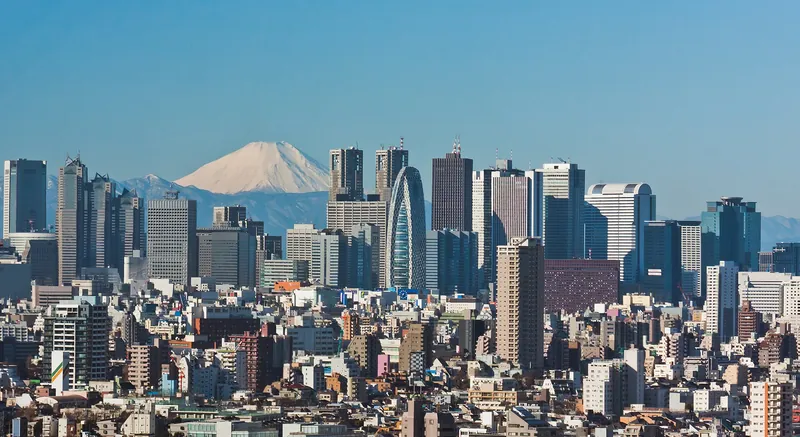 7 days
7 Days in Tokyo: Itinerary with Nikko, Kamakura and Fuji
A 7-day Tokyo itinerary: Asakusa, Ueno, Shibuya and Shinjuku, plus day trips to Nikko, Kamakura and Mt Fuji, with official fares and hours.
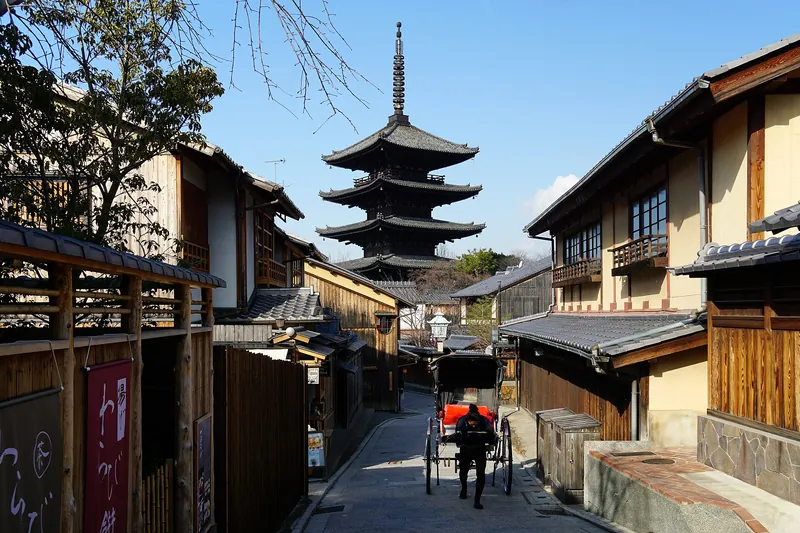 10 days
10 Days in Japan: Tokyo, Kyoto, Osaka and Hiroshima
A 10-day Japan itinerary by rail: Tokyo, a Hakone onsen night, Kyoto, Nara, Osaka, Hiroshima and Miyajima, with verified fares and entry fees.
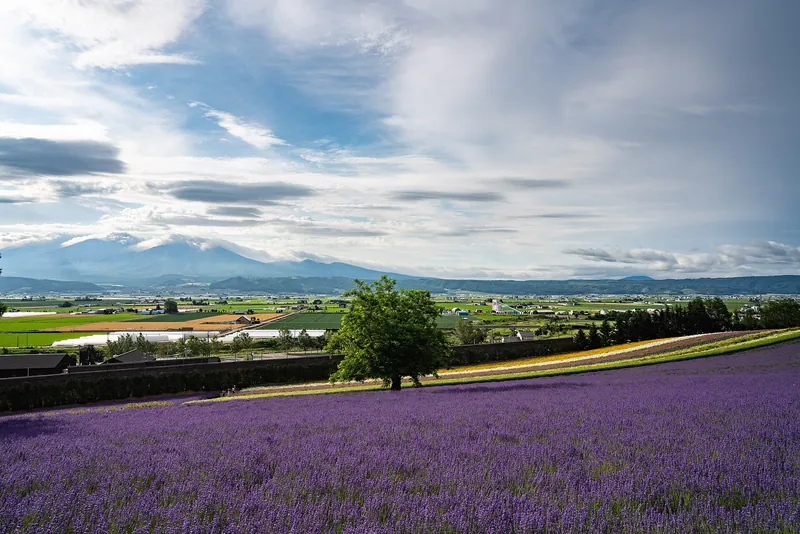 5 days
5 Days in Hokkaido: Sapporo, Otaru and Furano Day by Day
A 5-day Hokkaido itinerary: Sapporo food and night views, a day in Otaru by the canal, and a Furano lavender or snow day, JR fares checked.
Compare all Japan itineraries →
This is a researched plan, not a personal trip report. How we research · Affiliate disclosure