
3 Days in Valencia: A Day-by-Day Itinerary
3 days in Valencia: the Cathedral and Holy Grail, the Silk Exchange, the Turia gardens, the City of Arts and Sciences, the beach and Albufera, with checked 2026 prices.
- 🗓️ Trip length
- 3 days
- ☀️ Best time
- Spring and autumn
- 💰 Daily spend
- About EUR 20 a day for core sights and transport, plus room, meals and the Oceanogràfic
- ✅ Facts checked
- 1 November 2026
Get ready for a city that does a little bit of everything, and does it in the sunshine. Valencia mixes a Gothic old town and a cathedral that guards a cup venerated as the Holy Grail with a 9 km riverbed park, futuristic white architecture, a long sandy beach and the rice fields where paella was born. This 3-day plan suits first-time visitors, couples, families and friends who want the icons plus a taste of everyday Valencian life.
The pace is happily easygoing: the old town on foot on day 1, a long green walk to the City of Arts and Sciences on day 2, and the sea and the Albufera lagoon on day 3. The centre is flat and compact, so comfortable shoes and a reusable water bottle will take you far. We suggest pre-booking only one thing, the Oceanogràfic, if you plan to visit it.
At a glance
| Day | Area | Highlights |
|---|---|---|
| 1 | Ciutat Vella (old town) | Mercado Central, Lonja de la Seda, Cathedral and Miguelete tower, Plaza de la Virgen, Torres de Serranos, Barrio del Carmen |
| 2 | Turia Gardens and the City of Arts and Sciences | Turia riverbed park, Museu de les Ciències, Hemisfèric or Oceanogràfic, Ruzafa in the evening |
| 3 | The coast and the Albufera | Cabanyal and Malvarrosa beach, a seaside lunch, El Palmar and a sunset boat on the lagoon |
Day 1: The old town, silk and the Holy Grail
Morning
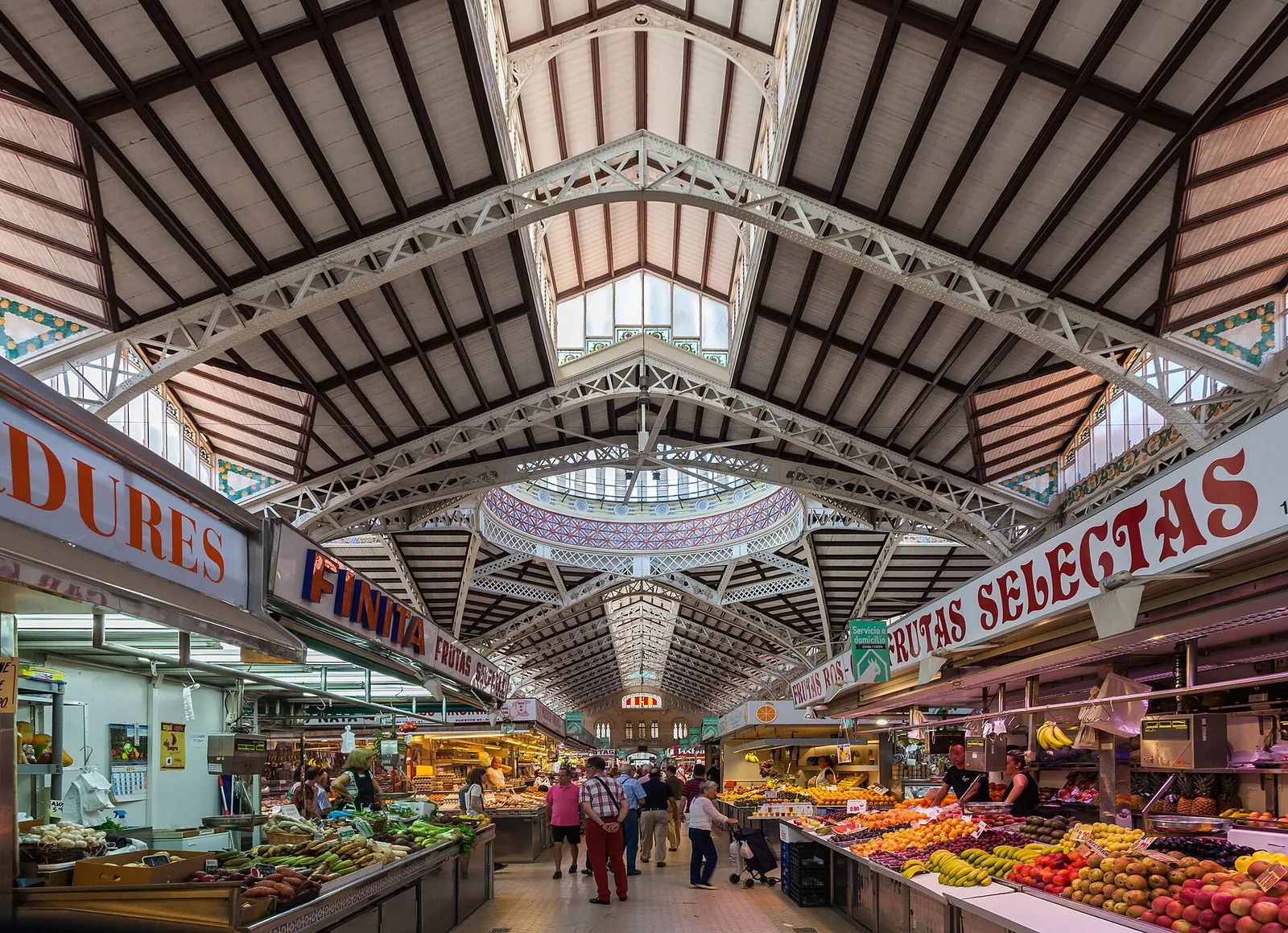
Kick off your trip where Valencians shop: the Mercado Central, a huge modernist market hall of iron, glass and tiles. It opens Monday to Saturday from 07:30 to 15:00 and is closed on Sundays, so plan this day for a weekday or Saturday. Come hungry: stalls sell fruit, cured ham, cheese and horchata, the local tiger-nut drink. Allow about an hour, and go before noon when it is at its liveliest.
Directly opposite, across the square, stands the Lonja de la Seda (Silk Exchange), a UNESCO World Heritage site and one of the finest civic Gothic buildings in Europe. Its hall of twisted columns looks like a stone palm grove. According to Visit València, it opens Monday to Saturday 10:00 to 19:00 and Sundays and public holidays 10:00 to 14:00. Standard admission is EUR 2, reduced EUR 1, and entry is free on Sundays and public holidays and with the Valencia Tourist Card. An audioguide costs EUR 2.25 at the ticket office. Plan 45 minutes, including the orange-tree courtyard.
Afternoon
Walk about 5 minutes east through Plaza Redonda, a little circular square of craft stalls, to the Cathedral of Valencia. Grab lunch on the way: the streets around the Cathedral are full of tapas bars.
The Cathedral’s cultural visit includes the cathedral museum and an audioguide in 10 languages, English included. From 1 October to 30 June it runs Monday to Friday 10:30 to 18:30, Saturday 10:30 to 17:30 and Sunday 14:00 to 17:30 (last entry 17:30 on weekdays, 16:30 at weekends). From 1 July to 30 September it runs 10:30 to 18:30 Monday to Saturday and 14:00 to 18:30 on Sunday. General admission is EUR 12 and reduced EUR 6 (for children aged 8 to 17, students, pensioners and some other groups); a family pack for two adults and up to three children is EUR 22. Under-8s enter free, and Valencia Tourist Card holders get 20% off the general ticket.
Inside, the highlight is the Chapel of the Holy Chalice, home to the cup that tradition identifies as the Holy Grail, plus Renaissance frescoes above the main altar. Note that there is no cultural visit on 1 and 6 January, 19 March, Palm Sunday, Good Friday, 9 October, 8 December and 25 December. Allow around 75 minutes.
Then climb the Miguelete (El Micalet), the Cathedral’s octagonal bell tower, for the best view over the old town’s rooftops. It opens daily from 10:00 to 18:45 all year, with last entry 30 minutes before closing. Tickets are EUR 3 general and EUR 2 reduced, bought separately from the Cathedral visit. Expect a long spiral staircase with no lift.
Evening
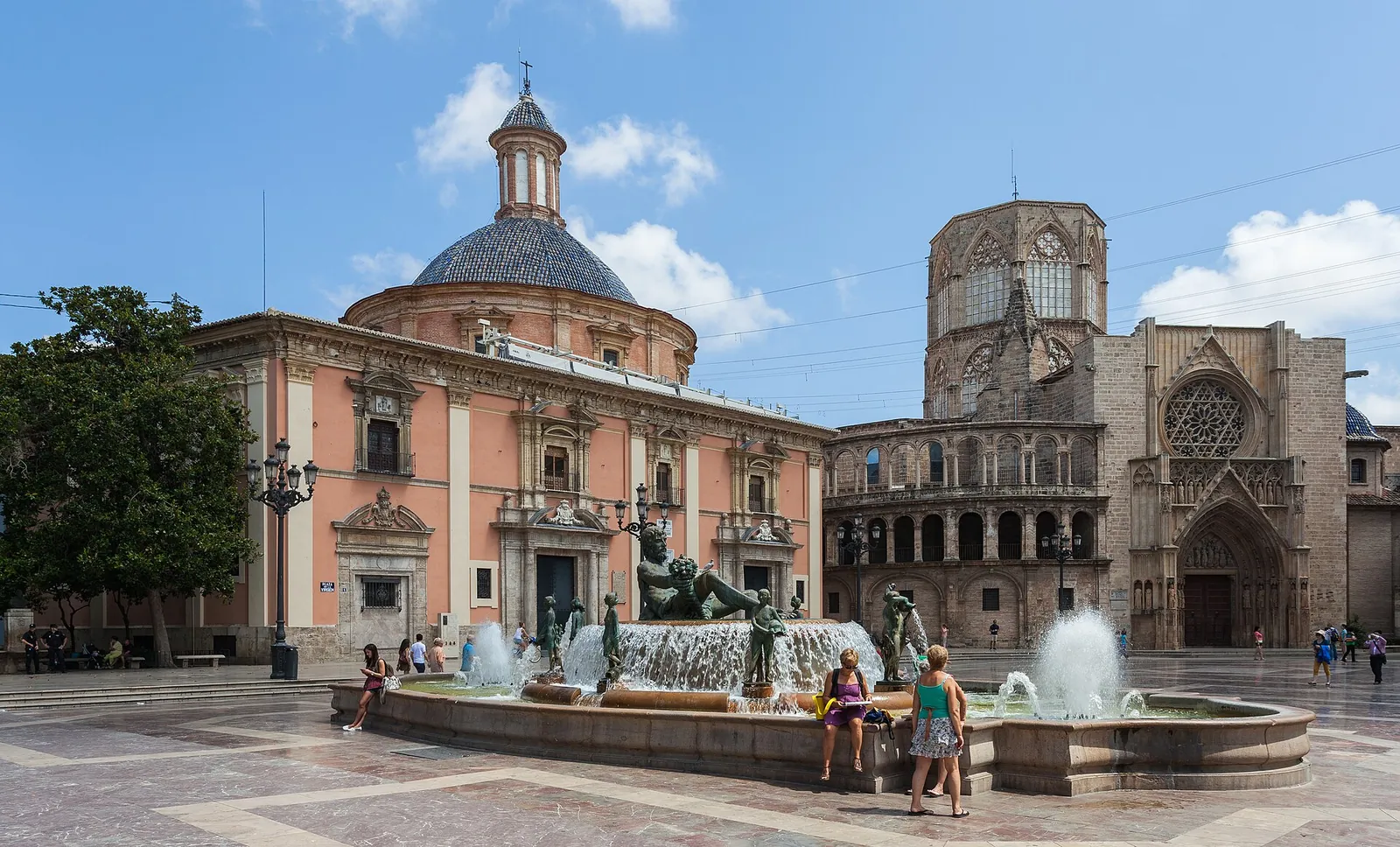
Step out of the Cathedral into Plaza de la Virgen, right beside it, one of the prettiest squares in Spain, with the Basilica of the Virgen de los Desamparados and the Turia fountain. From there, it is about 10 minutes’ walk north to the Torres de Serranos, the massive 14th-century city gate. Visit València lists it as open Monday to Saturday 10:00 to 19:00 and Sundays and holidays 10:00 to 14:00, with last entry 30 minutes before closing. Admission is EUR 2 (reduced EUR 1), and free on Sundays, public holidays and with the Valencia Tourist Card. Access can be limited in rain, fog or strong wind. Climb up for golden-hour views over the Turia Gardens.
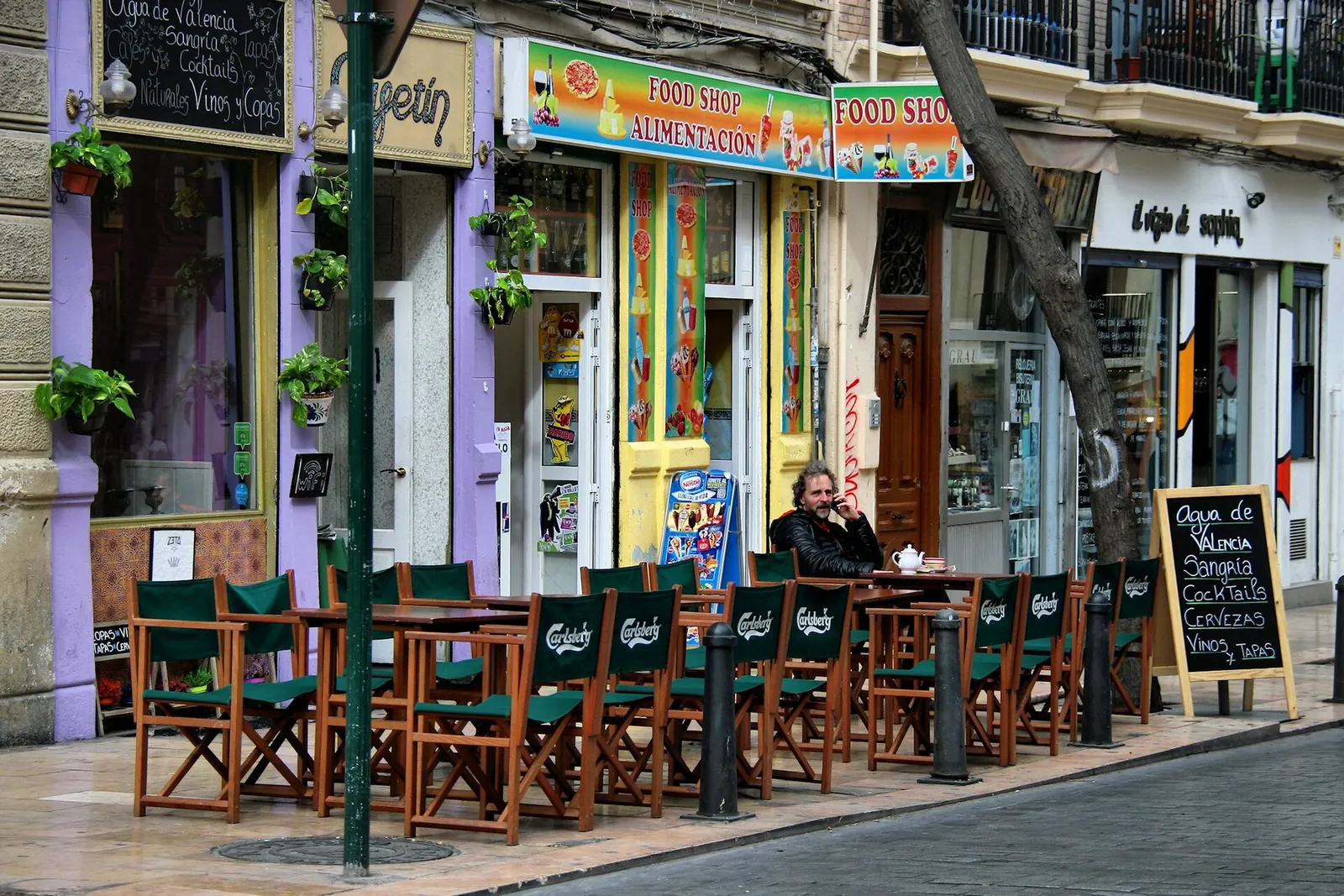
Finish in the Barrio del Carmen, the old town’s bohemian quarter just west of the towers, full of street art, tiny bars and terraces. It is a lovely place for a first night of tapas.
Day 2: The Turia Gardens and the City of Arts and Sciences
Morning
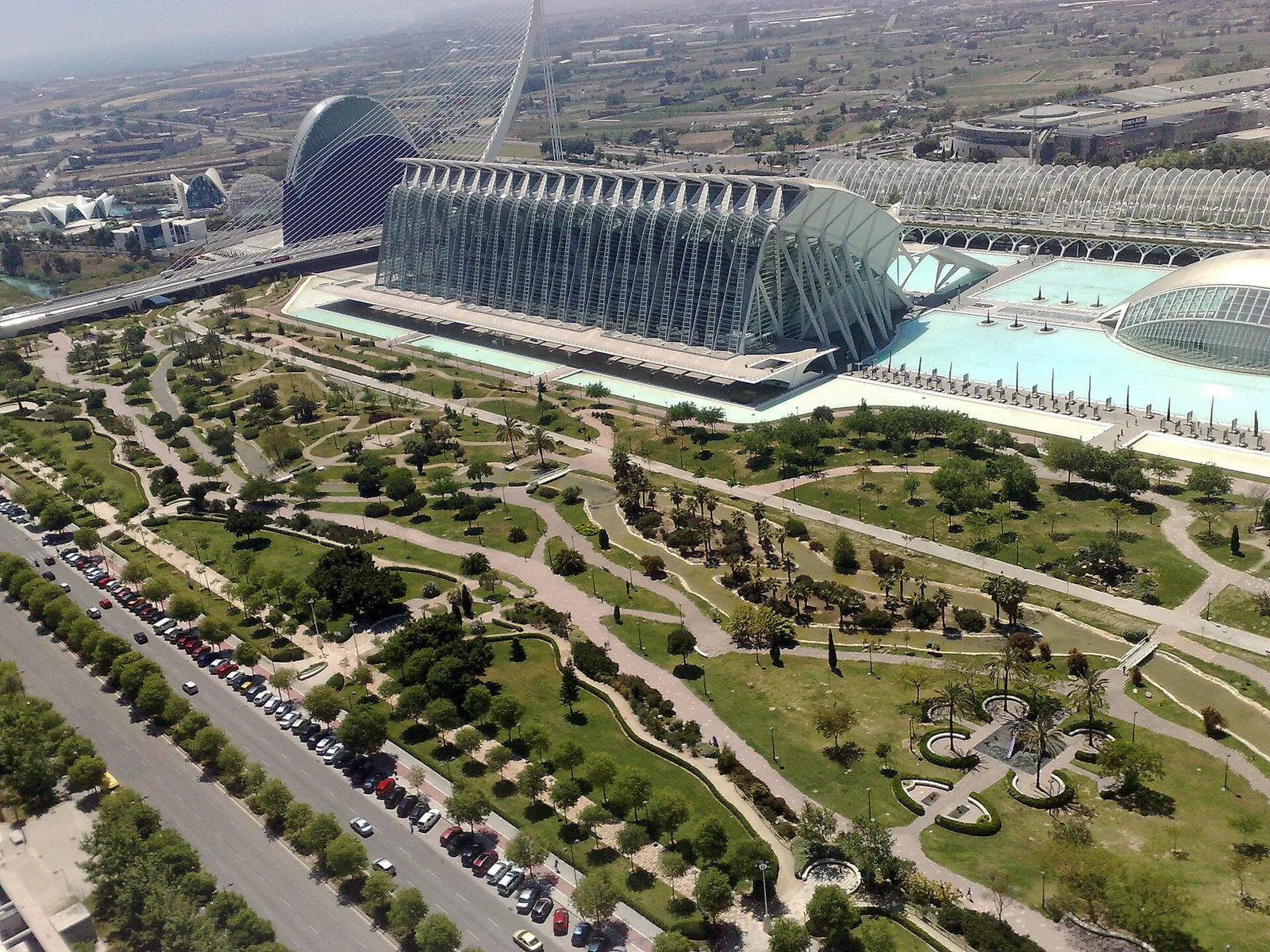
This is the day for a lovely green walk along a river that is no longer there. After a major flood in 1957, the Turia was diverted and its old bed became the Jardín del Turia, a 9 km ribbon of parkland, running tracks, playgrounds and orange trees that curves around the old town.
From the Torres de Serranos, drop down into the gardens and stroll south-east. It is roughly 4 km to the City of Arts and Sciences, or about an hour on foot at an easy pace with photo stops, passing under old stone bridges. To save your legs, ride a bus part of the way. The giant Gulliver playground, a reclining figure children can climb, sits near the end of the walk and is a favourite with families.
Afternoon
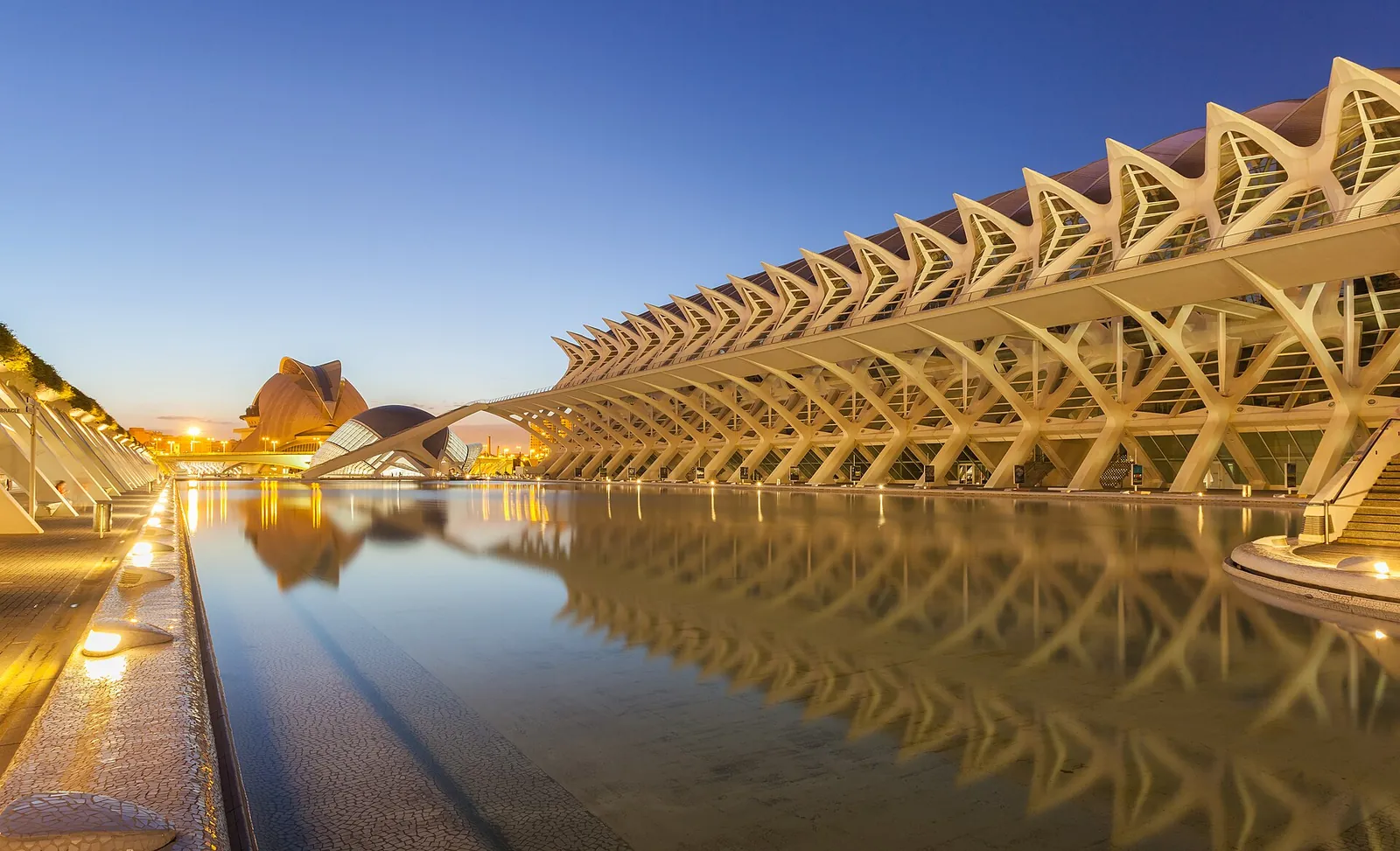
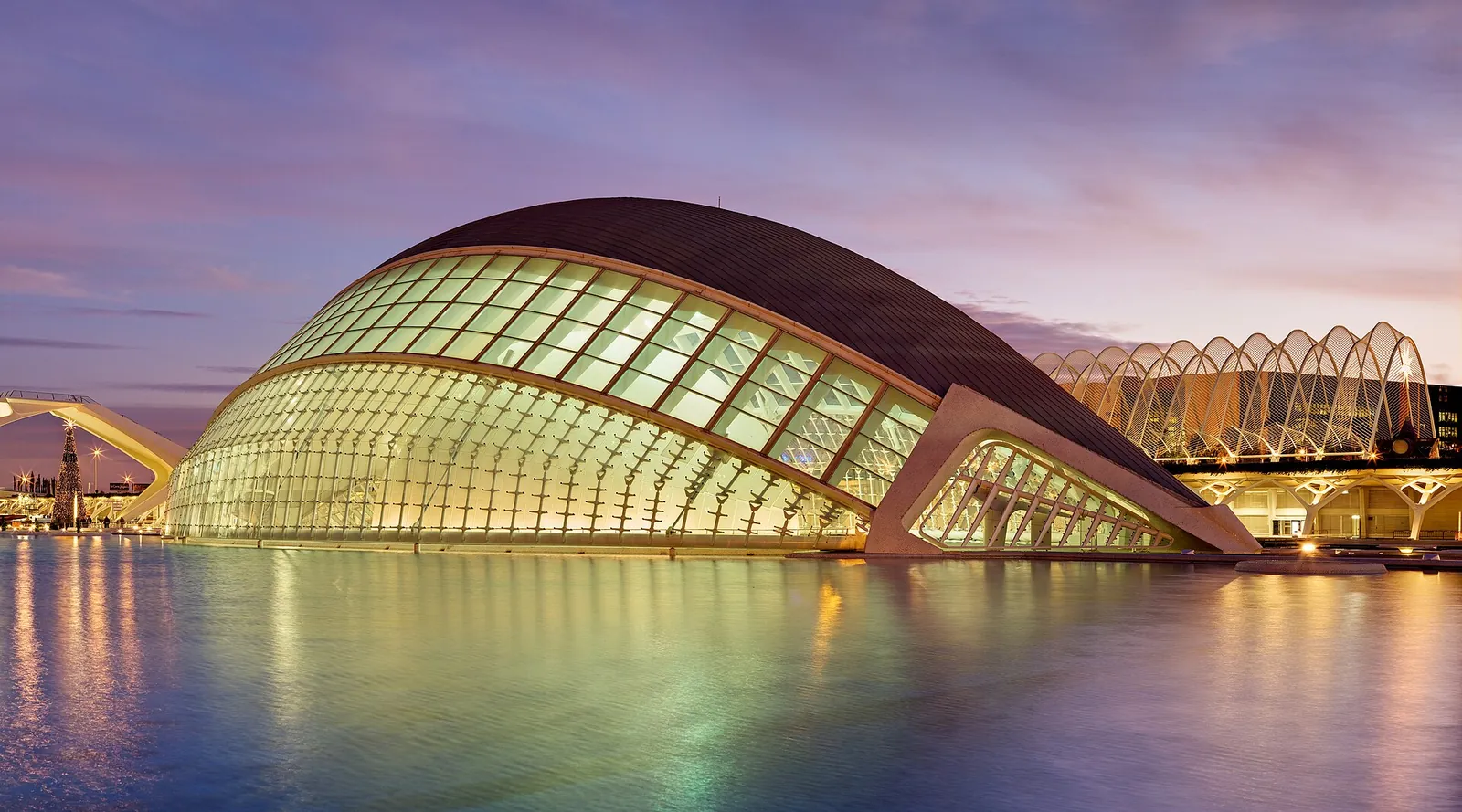
You arrive at the Ciutat de les Arts i les Ciències (City of Arts and Sciences), the dazzling complex of white, curved buildings by Santiago Calatrava and Félix Candela. Walking around the reflecting pools and the Umbracle garden walkway is free, and it is worth an hour on its own.
Choose one or two paid venues:
- Museu de les Ciències, the hands-on science museum shaped like a whale skeleton.
- Hemisfèric, an IMAX-style dome cinema shaped like a giant eye.
- Oceanogràfic, a huge aquarium complex, with sharks, belugas and Mediterranean habitats. Allow at least 3 hours.
Ticket prices are set by date: the official tariff page asks you to select your day in a calendar to see the price and opening hours, so check the official site for your date rather than relying on a fixed figure. The official page confirms these reduced-rate rules: children aged 4 to 12, over-65s and pensioners pay the reduced fare, under-4s enter free, and students get 15% off the general fare at the ticket office with a valid card. Ticket offices close one hour before the Museu de les Ciències closes. Combined tickets for several venues are available, and the Valencia Tourist Card gives a discount. If you go to the Oceanogràfic, buy online in advance and arrive at opening time.
Evening
Head west to Ruzafa (Russafa), about 20 to 25 minutes on foot from the complex, or a short bus ride. This former working-class district is now Valencia’s trendiest neighbourhood, with independent cafés, vermouth bars and international restaurants around its covered market. It wakes up late, so dinner after 21:00 is perfectly normal here.
Day 3: The beach and the Albufera lagoon
Morning
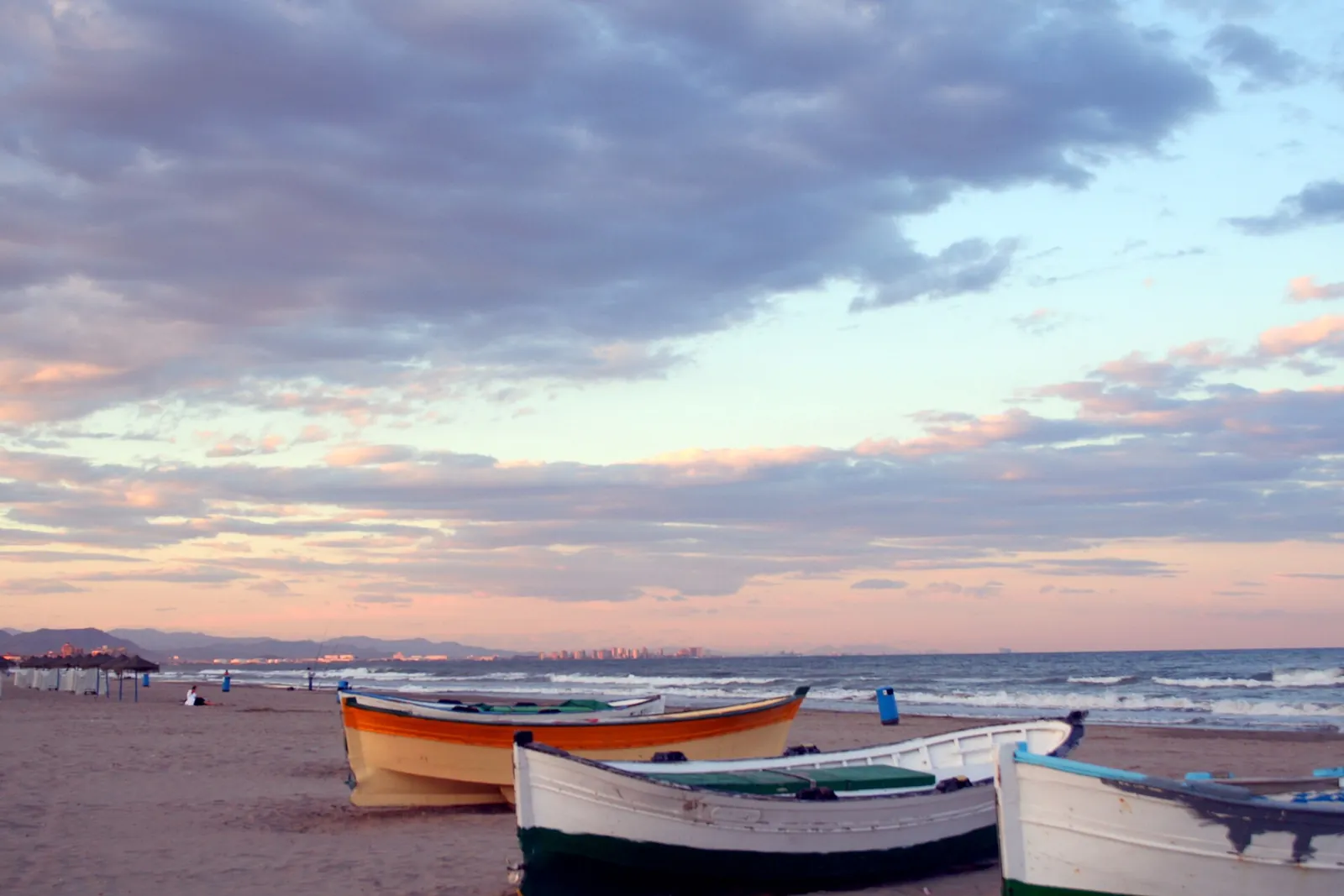
Grab your sunglasses and save your appetite: take the metro or tram east to the coast and the old fishermen’s quarter of El Cabanyal, where low houses are covered in colourful tiles. Wander a few streets, then walk out to Malvarrosa and Las Arenas beaches, a wide sandy seafront with a long promenade.
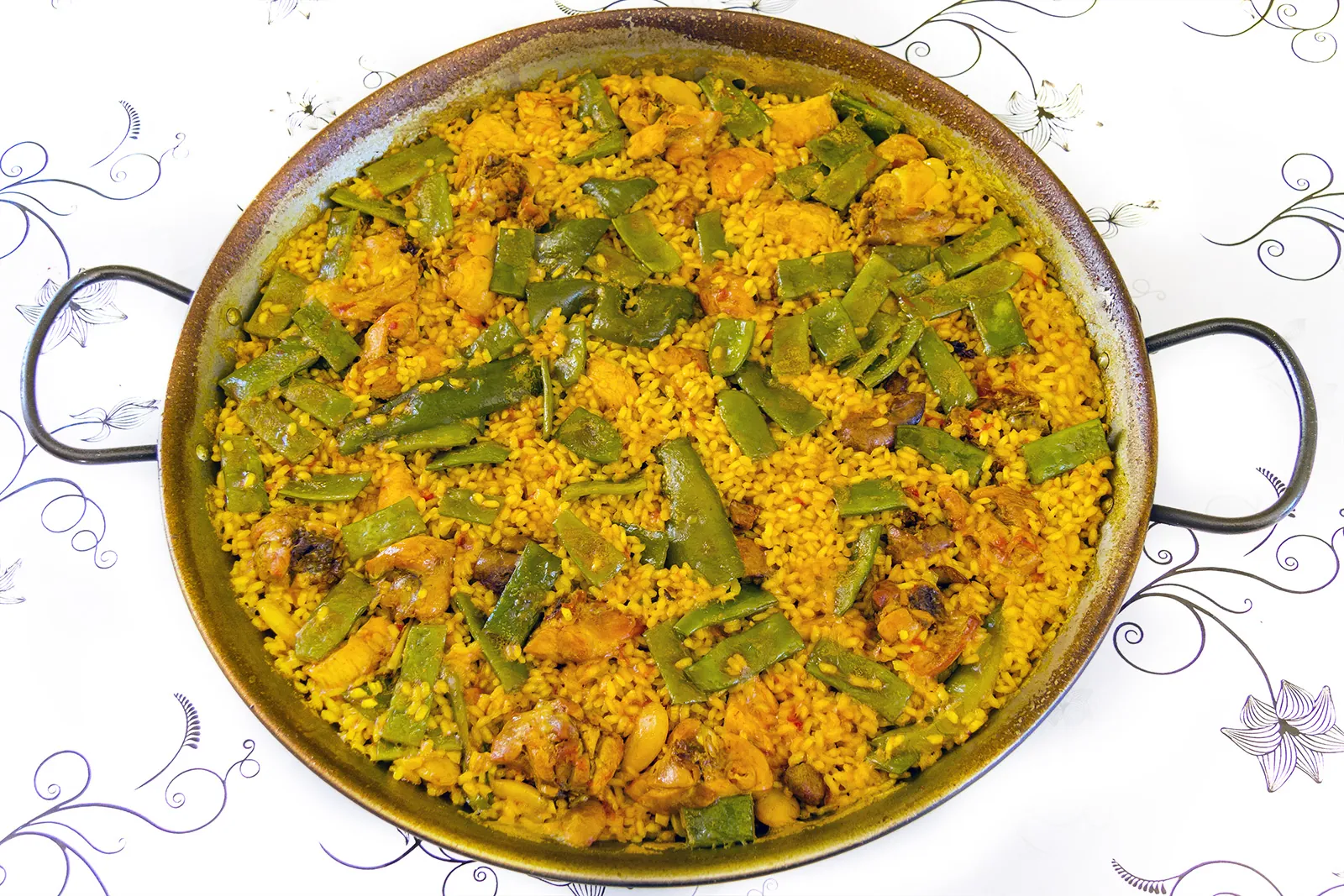
For lunch, the beachfront restaurants along the promenade are famous for rice dishes. Authentic Valencian paella uses chicken, rabbit and green beans; seafood versions and arròs negre (black rice with squid ink) are also classics. Many restaurants cook rice to order for a minimum of two people, so expect a 20 to 30 minute wait. Traditionally, Valencians eat paella at lunchtime, not dinner.
Afternoon
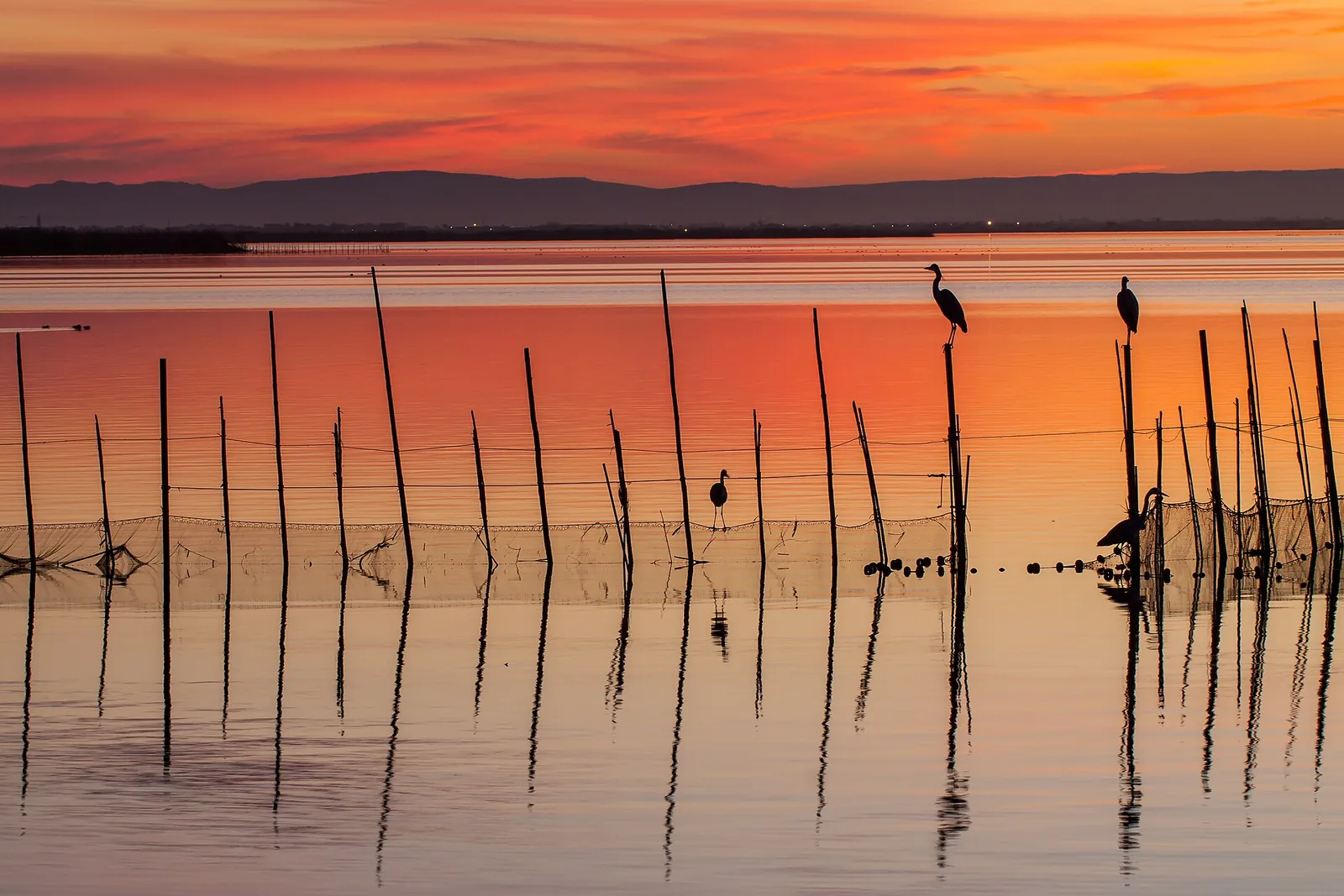
In the afternoon, go back to the city and catch the bus out to El Palmar, a village in the heart of the Albufera Natural Park, a freshwater lagoon ringed by rice paddies. Visit València says El Palmar is 20 km from the city and recommends EMT bus 25, which is free with the Valencia Tourist Card. It also advises the bus over cycling because the road is narrow. Check the EMT timetable before you go, especially the time of the last bus back, which matters on short autumn and winter days.
Evening
The classic way to end a Valencia trip is a boat ride on the lagoon at sunset. Traditional flat boats called albuferencs leave from the landing stage in El Palmar, and the light over the water and rice fields is spectacular. Boat trips are sold by local operators, so check prices on the spot or with the Visit València shop, which lists a combined boat ride and paella experience from EUR 26. Have an early dinner in El Palmar, where the restaurants specialise in rice and eel dishes, then take the bus back to the city.
Getting there and getting around
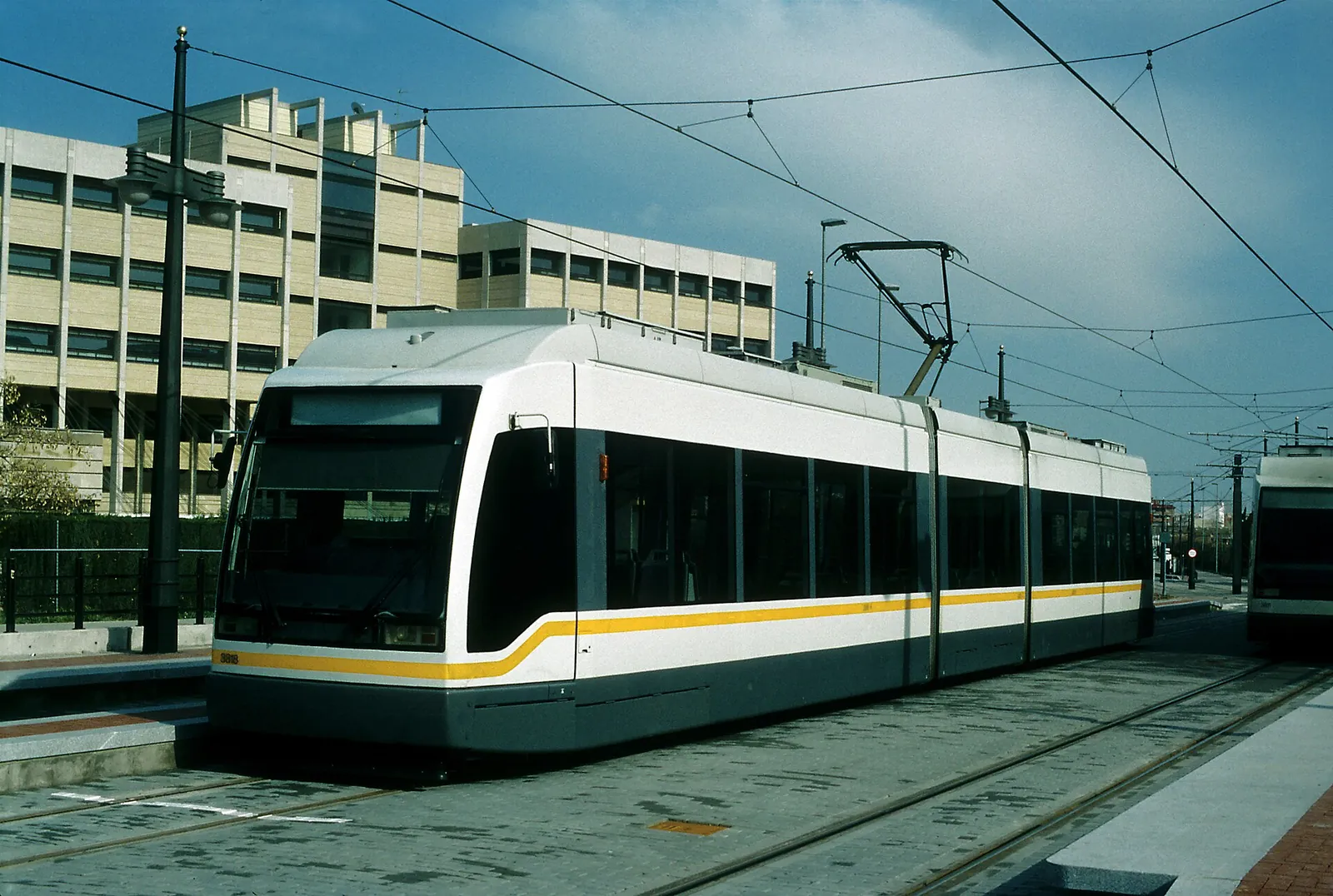
From the airport. Valencia Airport is linked to the city by Metrovalencia lines 3 and 5. Visit València lists departures from the airport every 15 to 20 minutes and a journey time of about 20 minutes to the centre. A single ticket for zones A and B+ (airport) costs EUR 4.80, plus a rechargeable support card that costs EUR 1.10 for the cardboard version (the plastic card costs more). Metrobus line 150 also serves the airport. For taxis, use only the official rank outside arrivals; check current fares with the official sources before you travel.
Getting around. The old town is best on foot. For longer hops, Valencia has EMT city buses, metro and tram lines. Visit València lists urban metro single fares from EUR 1.50 (zone A or B) plus the support card. EMT bus fares and multi-trip tickets are set by the city council and revised periodically, so check the current price on the official EMT site before you travel.
Valencia Tourist Card. The official card includes unlimited travel on EMT buses, metro and tram (zone AB), Metrobus and Renfe commuter trains, including airport trips on metro lines 3 and 5 and Metrobus line 150. It also gives free entry to municipal monuments such as the Silk Exchange and the Serranos and Quart towers, plus discounts at the Cathedral, the City of Arts and Sciences and the Oceanogràfic. Official adult prices are EUR 17 (24 hours), EUR 24 (48 hours) and EUR 30 (72 hours), with a 10% discount when bought online (EUR 15.30, EUR 21.60 and EUR 27). It activates on first use.
Where to stay
- Ciutat Vella (old town, including El Carmen): best for first-timers who want to walk to the Cathedral, the market and the Silk Exchange. Lively at night, especially in El Carmen, so ask for a quiet room.
- Ruzafa: for food lovers and night owls, with a younger, creative vibe and great restaurants. A pleasant walk to both the old town and the City of Arts and Sciences.
- Near the City of Arts and Sciences: modern, quieter and spacious, good for families planning a long Oceanogràfic day. You will rely more on buses for the old town.
- El Cabanyal and the beachfront: for a seaside feel and morning swims in summer. Connected to the centre by tram and bus, but further from the old town sights.
Budget
Prices below are taken from the official sources listed above and are per adult.
| Item | Typical cost |
|---|---|
| Airport metro, single (zones A and B+) | EUR 4.80, plus EUR 1.10 card on first purchase |
| Metro urban single (zone A or B) | EUR 1.50, plus card |
| Cathedral cultural visit (with museum and audioguide) | EUR 12 (reduced EUR 6) |
| Miguelete tower | EUR 3 (reduced EUR 2) |
| Lonja de la Seda | EUR 2 (free Sundays and holidays) |
| Torres de Serranos | EUR 2 (free Sundays and holidays) |
| City of Arts and Sciences venues | Varies by date: check the official calendar |
| Valencia Tourist Card, 72 hours | EUR 30 (EUR 27 online) |
| Albufera boat ride with paella (Visit València shop) | From EUR 26 |
The per-day figure in the summary covers the core sights and public transport on days 1 and 3. It excludes accommodation, meals, flights, the Oceanogràfic and other City of Arts and Sciences tickets, and a stand-alone boat ride, which operators price themselves.
Practical tips
- Plan the market day. The Mercado Central is closed on Sundays, so do day 1 Monday to Saturday. On Sundays, the Silk Exchange and the Serranos towers are free but close at 14:00.
- Cathedral timing. The Cathedral is free for worship only outside cultural-visit hours, and the paid visit has several closing days a year. On Sundays the cultural visit starts only at 14:00. Dress respectfully: shoulders and knees covered is the safe choice in any church.
- Late meals. Lunch is usually 14:00 to 15:30 and dinner from 21:00. Many kitchens close between services.
- Fallas. In March, the city hosts the Fallas festival, with giant sculptures, fireworks and huge crowds. Book rooms early and expect crowds and street closures.
- SIM and data. Buy an eSIM before you fly, or a local SIM in town (bring your passport).
- Money. The currency is the euro. Cards are widely accepted, but carry a little cash for small market stalls.
- Visa and entry. Spain is part of the Schengen Area, and entry rules depend on your passport and residence. Check the official guidance from Spain’s Ministry of Foreign Affairs (https://www.exteriores.gob.es) and the EU’s official travel portal (https://travel-europe.europa.eu) well before booking.
Heads-up
Valencia is a relaxed and welcoming city, and a little awareness keeps it that way. These points come from the UK government’s official travel advice for Spain.
- Pickpockets. The advice warns travellers to be alert to street crime, noting that thieves use distraction techniques and often work in teams. Take extra care at airports when collecting or checking in luggage, in busy squares and on crowded transport. Do not keep all your valuables in one place.
- Fake police. Genuine officers may ask to see ID, but they will not ask for your wallet or purse. If someone does, walk into a shop or busy area and decline.
- Taxis. Use only official, licensed taxis, from marked ranks or booked through official channels.
- Money exchange. Use banks or official exchange offices to avoid counterfeit notes.
- Flash flooding. Heavy autumn rain can cause flash flooding and travel disruption in eastern Spain. Check the warnings from AEMET, Spain’s meteorological agency, before and during your trip, and follow local authorities. On red-alert days, some venues close: the City of Arts and Sciences has closed buildings early during a rain alert.
- Summer heat. From June to September, temperatures and humidity can be high. Walk the Turia Gardens early, carry water and plan indoor sights for midday.
FAQ
Are 3 days enough for Valencia?
Yes, for the old town, the City of Arts and Sciences and the coast at a comfortable pace. A fourth day suits a slower beach day.
Do I need to book anything in advance?
Not much. The Cathedral, Miguelete, Silk Exchange and Serranos towers are easy to visit on the day. The Oceanogràfic is the one we suggest booking online in advance, as City of Arts and Sciences prices and hours vary by date.
Is the Holy Grail really in Valencia Cathedral?
The Cathedral keeps a chalice that tradition venerates as the Holy Grail, displayed in the Chapel of the Holy Chalice. You can see it as part of the paid cultural visit.
Is the Valencia Tourist Card worth it?
For this plan, usually yes: it covers the airport metro, bus 25 to El Palmar and city transport, plus free or discounted entry at most sights on this route.
Where should I eat paella?
Paella is a lunchtime dish in Valencia. The beachfront restaurants near Malvarrosa and the restaurants of El Palmar in the Albufera are the traditional places to try it, cooked to order.
Sources
Prices, hours and rules change. We checked these on 1 November 2026; please confirm on the official page before you book.
- Catedral de Valencia: Horarios y tarifas (visita cultural and Miguelete)
- Ciutat de les Arts i les Ciències: Tarifas y horarios
- Visit València: La Lonja de la Seda
- Visit València: Torres de Serranos
- Visit València: Metro y tranvía de València
- Visit València: Valencia Tourist Card
- Visit València: El Palmar, el corazón de L'Albufera
- Mercado Central de Valencia (official site)
- Ajuntament de València: Mantenimiento de tarifas EMT primer semestre 2026
- GOV.UK: Spain travel advice, Safety and security
Photo credits (10)
- City of Arts and Sciences glowing at blue hour: Diego Delso, CC BY-SA 3.0, via Wikimedia Commons
- Colourful stalls under the Mercado Central roof: Diego Delso, CC BY-SA 3.0, via Wikimedia Commons
- Plaza de la Virgen with the Basilica and the Turia fountain: Diego Delso, CC BY-SA 3.0, via Wikimedia Commons
- The green Turia Gardens leading to the City of Arts and Sciences: Areyes108, CC BY-SA 4.0, via Wikimedia Commons
- The Hemisfèric reflected in its pool at dusk: Diliff, CC BY 2.5, via Wikimedia Commons
- Fishing boats on Las Arenas beach at sunset: Manuel M. Vicente from Spain, CC BY 2.0, via Wikimedia Commons
- Herons and a fiery sunset over the Albufera lagoon: Pepe Serrador, CC BY-SA 4.0, via Wikimedia Commons
- A pan of classic paella valenciana with green beans: Jan Harenburg, CC BY-SA 4.0, via Wikimedia Commons
- A Metrovalencia tram waiting at a stop: Falk2, CC BY-SA 4.0, via Wikimedia Commons
- Café terraces on a colourful Barrio del Carmen street: Jorge Franganillo, CC BY 3.0, via Wikimedia Commons
More Spain itineraries
 3 days
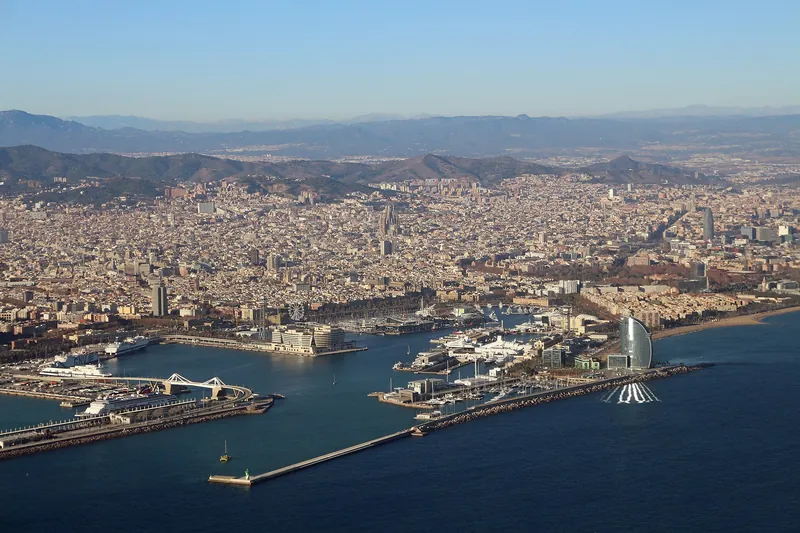
3 Days in Barcelona: A Day-by-Day Itinerary
A 3-day Barcelona itinerary: Gothic Quarter and El Born, Sagrada Família, Passeig de Gràcia, Park Güell and Montjuïc, with verified 2026 tickets.
 3 days
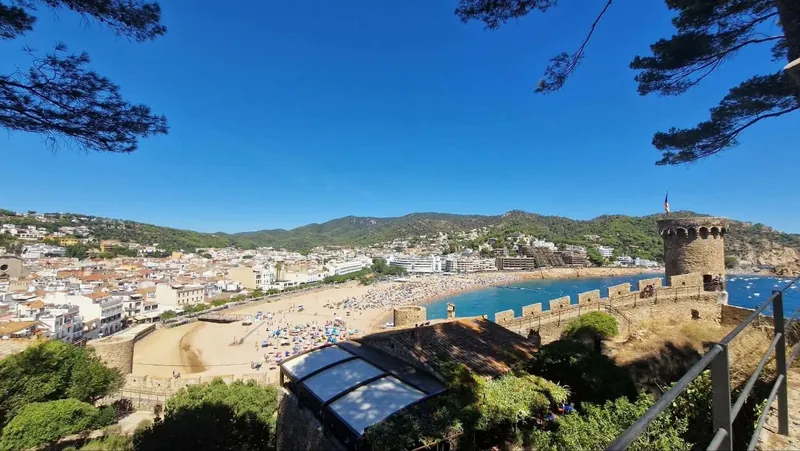
3 Days in Lloret de Mar: A Lads' Weekend on the Costa Brava
A first-hand 3-day Lloret de Mar weekend: Barcelona airport transfer, a rooftop pool at Gran Hotel Flamingo, a day in Tossa de Mar and where to go out.
 3 days
3 Days in Madrid: A Day-by-Day Itinerary
A 3-day Madrid itinerary: Royal Palace and old town, Prado and Retiro, Reina Sofía and Thyssen, with verified ticket prices and transfers.
Compare all Spain itineraries →
This is a researched plan, not a personal trip report. How we research · Affiliate disclosure