
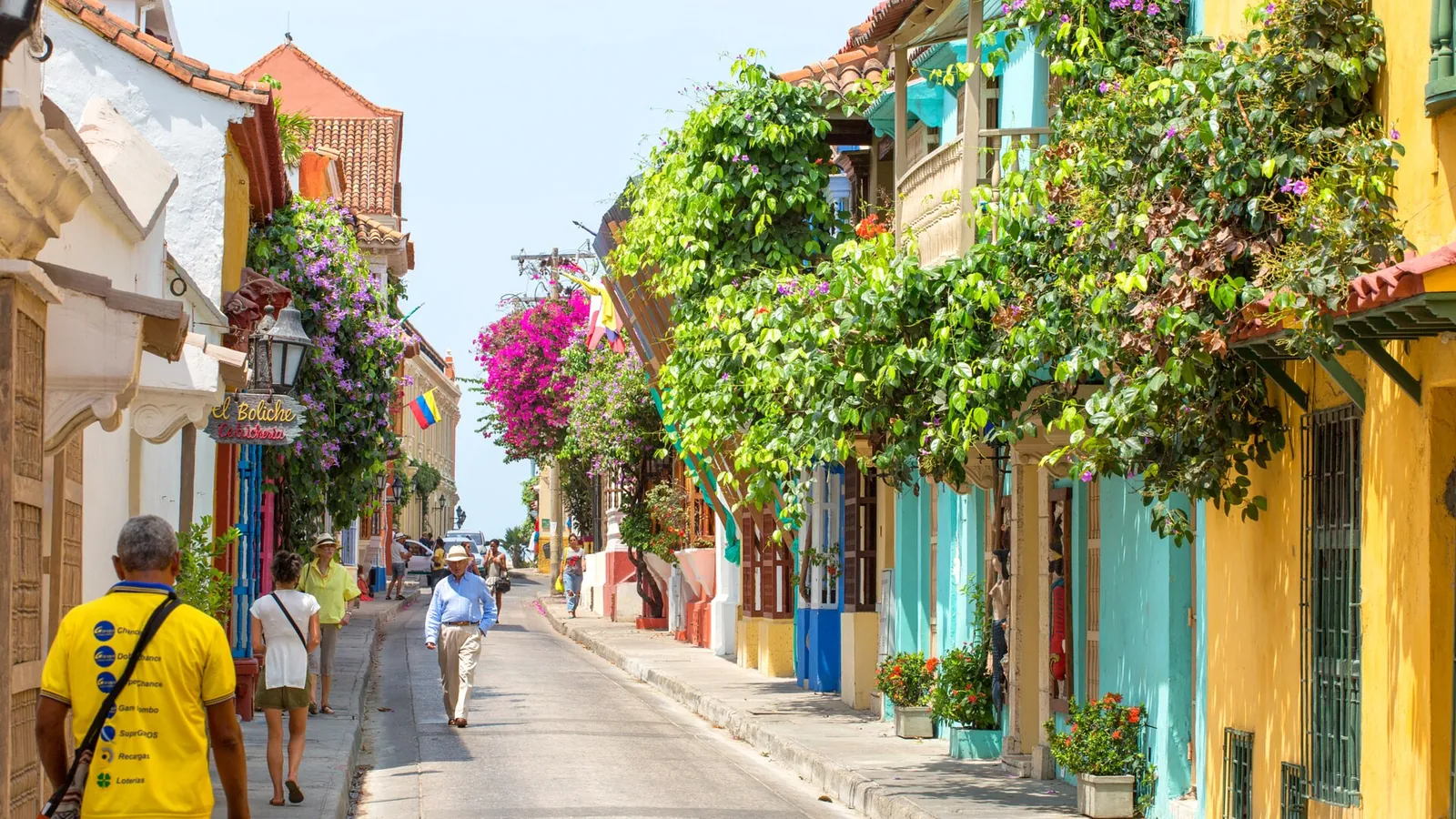
4 Days in Cartagena, Colombia: A Day-by-Day Itinerary
A 4-day Cartagena itinerary: the Walled City and Palace of the Inquisition, San Felipe fortress and Getsemaní, a Rosario Islands boat day, then Bocagrande.
- 🗓️ Trip length
- 4 days
- ☀️ Best time
- Late November to late April (drier, breezier months)
- 💰 Daily spend
- COP 30,000-80,000 for sights and fees (boat trips, taxis, stay and meals extra)
- ✅ Facts checked
- 1 November 2026
Get ready for the Caribbean at its most colourful. Cartagena de Indias gives you a walled colonial city of balconies dripping with bougainvillea, a hilltop fortress often called the greatest Spanish fort in the Americas, a street-art neighbourhood that comes alive after dark, and turquoise water at the Rosario Islands an hour or so offshore. Colombia Travel, the country’s official tourism site, notes that the historic centre was declared a UNESCO World Heritage Site in 1984 and is ringed by old walls that took almost two centuries to build, finished in 1796 to keep out pirates.
This plan suits first-timers who want history, beach time and good food without rushing. Day 1 covers the Walled City and the Palace of the Inquisition, Day 2 climbs the Castillo San Felipe de Barajas and the hill of La Popa before an evening in Getsemaní, Day 3 is a boat trip to the Rosario Islands, and Day 4 is a slower beach morning in Bocagrande before your airport transfer.
At a glance
| Day | Area | Highlights |
|---|---|---|
| 1 | Walled City | Clock Tower gate, Plaza de los Coches, Plaza Santo Domingo, Palace of the Inquisition, sunset on the city walls |
| 2 | Fortress, La Popa and Getsemaní | Castillo San Felipe de Barajas, the Convent of La Popa viewpoint, Getsemaní’s street art and Plaza de la Trinidad |
| 3 | Rosario Islands day trip | Boat from Muelle La Bodeguita, Corales del Rosario national park, swimming and snorkelling |
| 4 | Bocagrande and departure | Beach morning, a last walk on the walls, transfer to Rafael Núñez Airport |
One planning rule before you start: work around the heat. Colombia Travel gives an average temperature of about 27°C all year, with high humidity. Do your walking early and late, rest indoors at midday, and keep the island trip for a day with calm seas.
Day 1: The Walled City and the Palace of the Inquisition
Morning
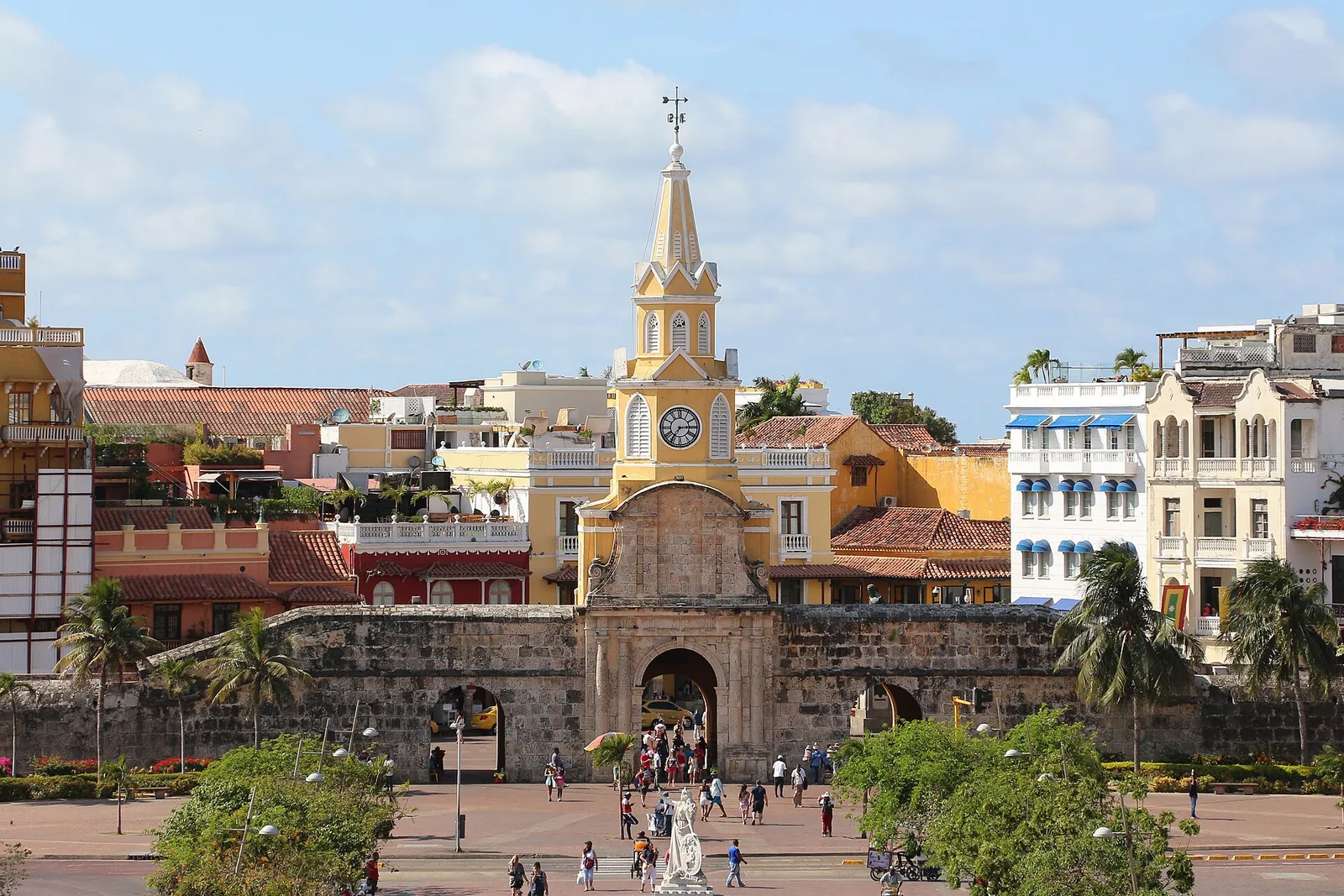
Welcome to Cartagena! Start at the Torre del Reloj (Clock Tower), the main gate into the old town, and step through into Plaza de los Coches, once the site of the slave market and now lined with arcades and sweet stalls. From here, the best plan is simply to wander. The Walled City is compact and flat, and Colombia Travel recommends exploring it on foot.
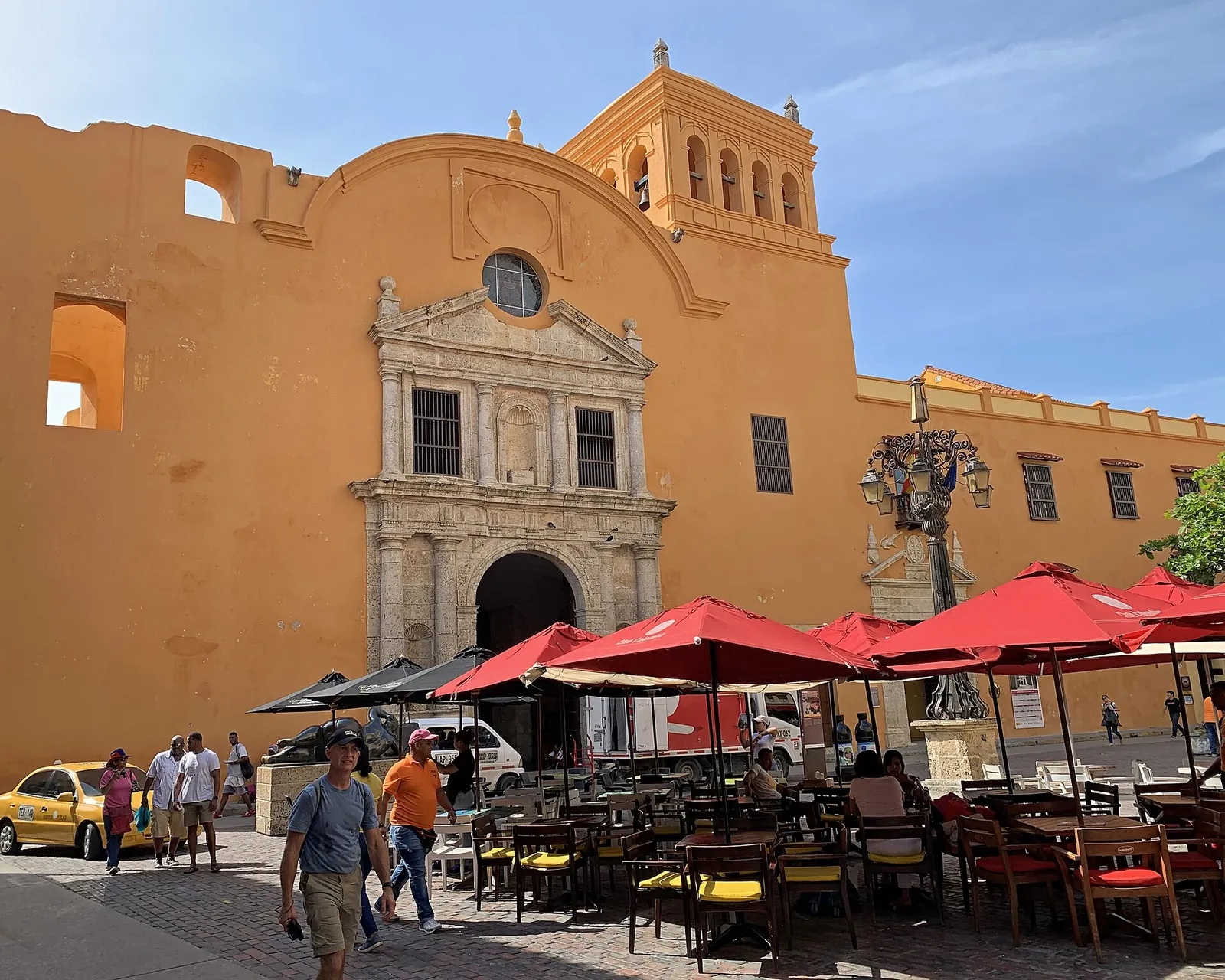
Head for Plaza Santo Domingo, home to the Church and Convent of Santo Domingo, one of the oldest churches in the city, and to Fernando Botero’s reclining bronze woman, a favourite photo stop. Then drift through the side streets of San Diego, the quieter corner of the old town, with its pastel houses and wooden balconies. Go early: the light is softer, the streets are calmer and the heat is still bearable.
Afternoon
After lunch in the shade, walk to Plaza de Bolívar and the Palacio de la Inquisición (Palace of the Inquisition), which houses the Museo Histórico de Cartagena. The building was the seat of the Holy Office tribunal in colonial times, and the museum covers the city’s history from pre-Hispanic times to independence, including the Inquisition itself.
According to the museum’s official site, it opens Monday to Saturday from 9:00 am to 6:00 pm, and on Sundays and public holidays from 10:00 am to 4:00 pm. Adult tickets cost COP 24,000, and the reduced ticket for children, students, teachers and seniors costs COP 20,000. Children under 5 enter free. Allow about an hour and a half.
Plaza de Bolívar itself is one of the shadiest squares in the old town, so it is a good spot to cool down afterwards.
Evening
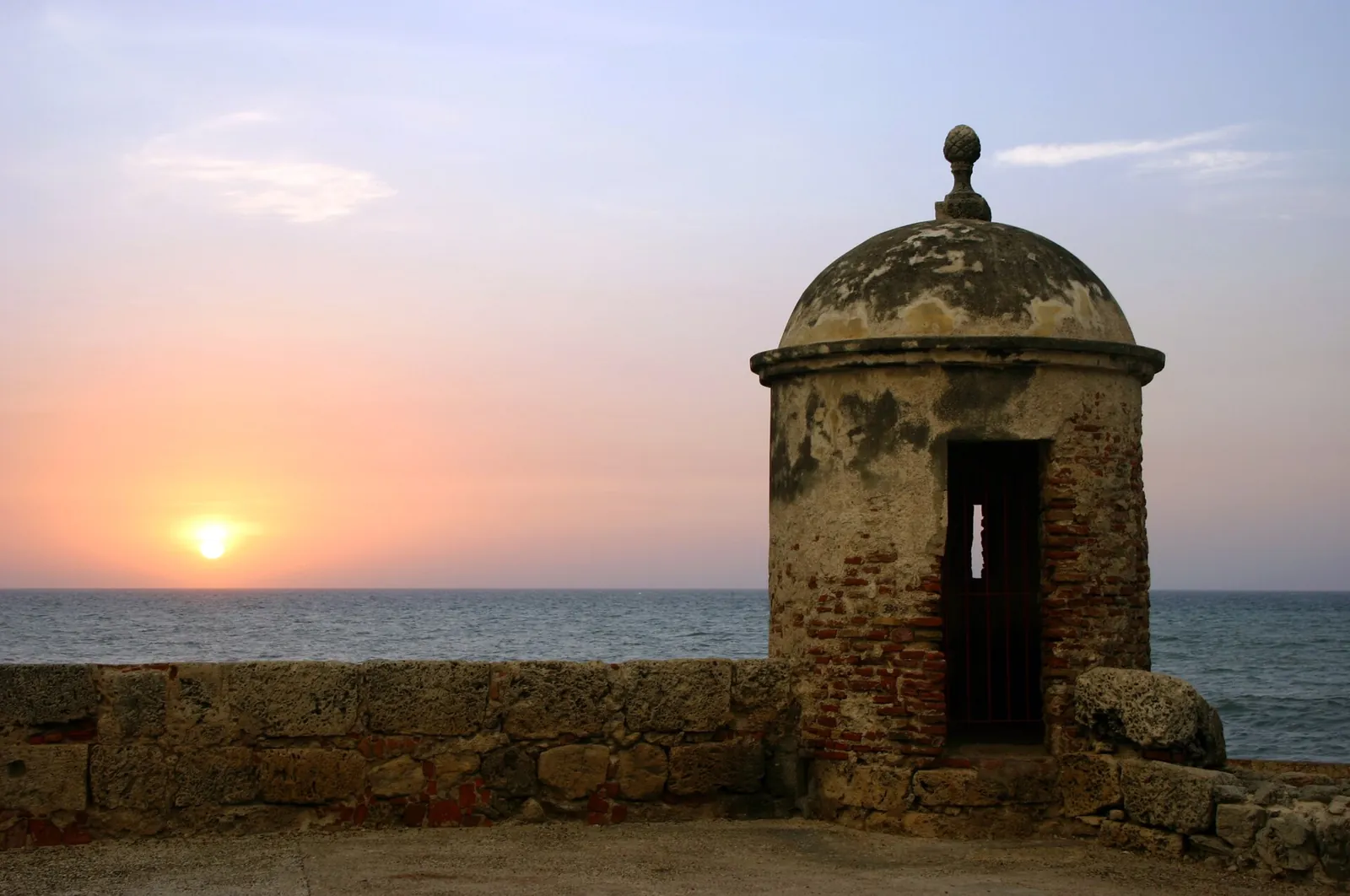
Climb onto the city walls for sunset. The ramparts on the sea side of the old town face west, and walking along the top as the sky turns orange is a classic Cartagena moment. Colombia Travel describes the walls as an 11 km circuit. Then come back down for dinner in the Walled City, where the plazas fill with music and street performers after dark.
Day 2: Castillo San Felipe, La Popa and Getsemaní
Morning
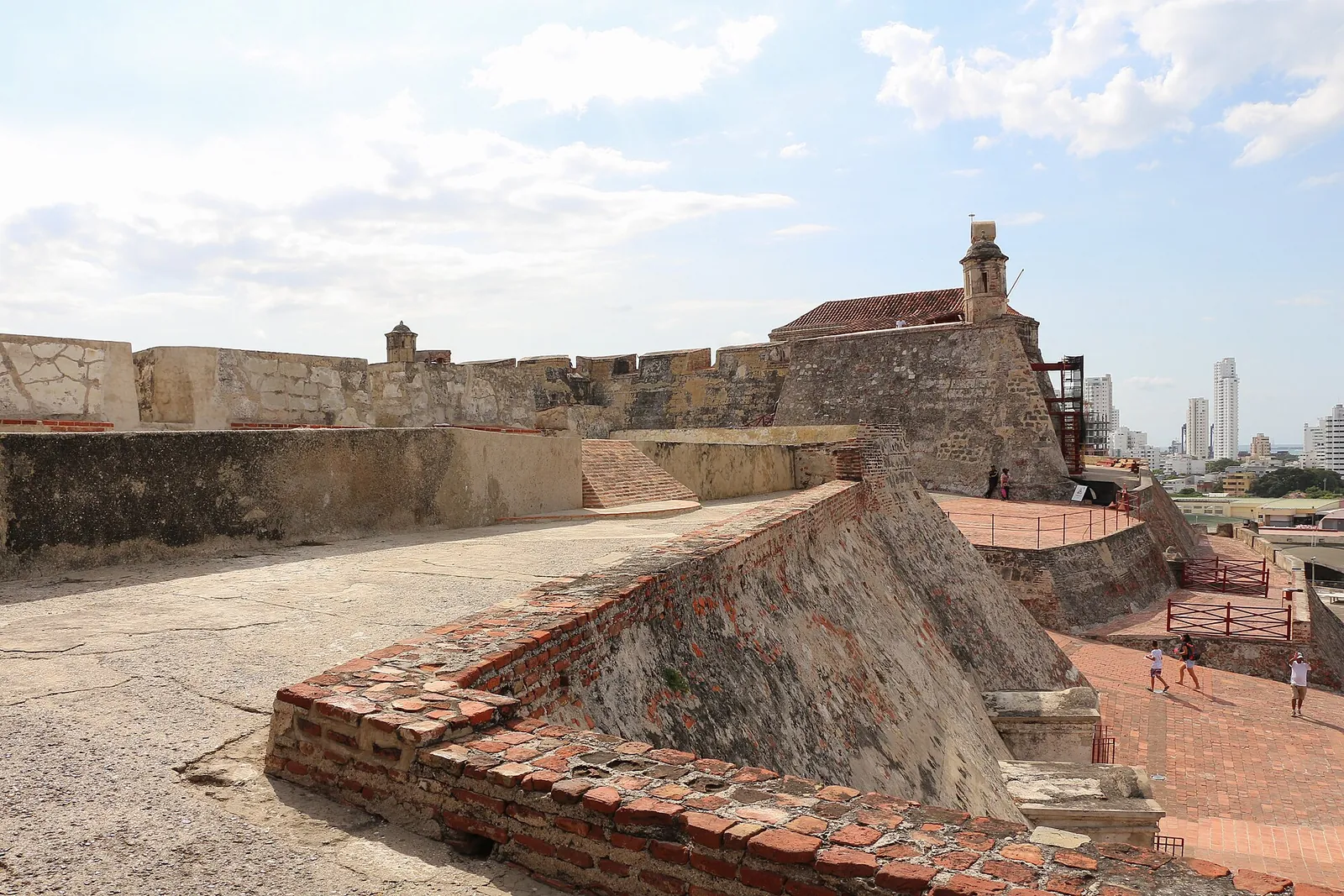
This is the day for Cartagena’s biggest landmark, so start early at the Castillo San Felipe de Barajas, a massive fortress on the San Lázaro hill just east of Getsemaní. Colombia Travel dates it to the 17th century. Inside you can walk the ramparts and explore the narrow tunnels built for defence and communication. Bring water and a hat, because there is very little shade on top.
The fortifications are run by the Escuela Taller Cartagena de Indias (ETCAR) under a mandate from Colombia’s Ministry of Culture. According to El Universal’s February 2026 report on the castle’s 2026 rates, it opens every day from 7:00 am to 6:00 pm. The full ticket costs COP 38,000, Colombians with ID pay COP 33,000, and the reduced ticket for children aged 6 to 13 and students or teachers with a valid card costs COP 16,000. Free Sundays are for Colombian citizens only. ETCAR sells tickets online through its official site, fortificacionescartagena.com.co, so check prices and any closures there before you go. In 2026 ETCAR has also carried out maintenance work on parts of the castle.
Arrive at opening time if you can. The fortress is easily reached on foot from Getsemaní, or by a short taxi ride from the Walled City.
Afternoon
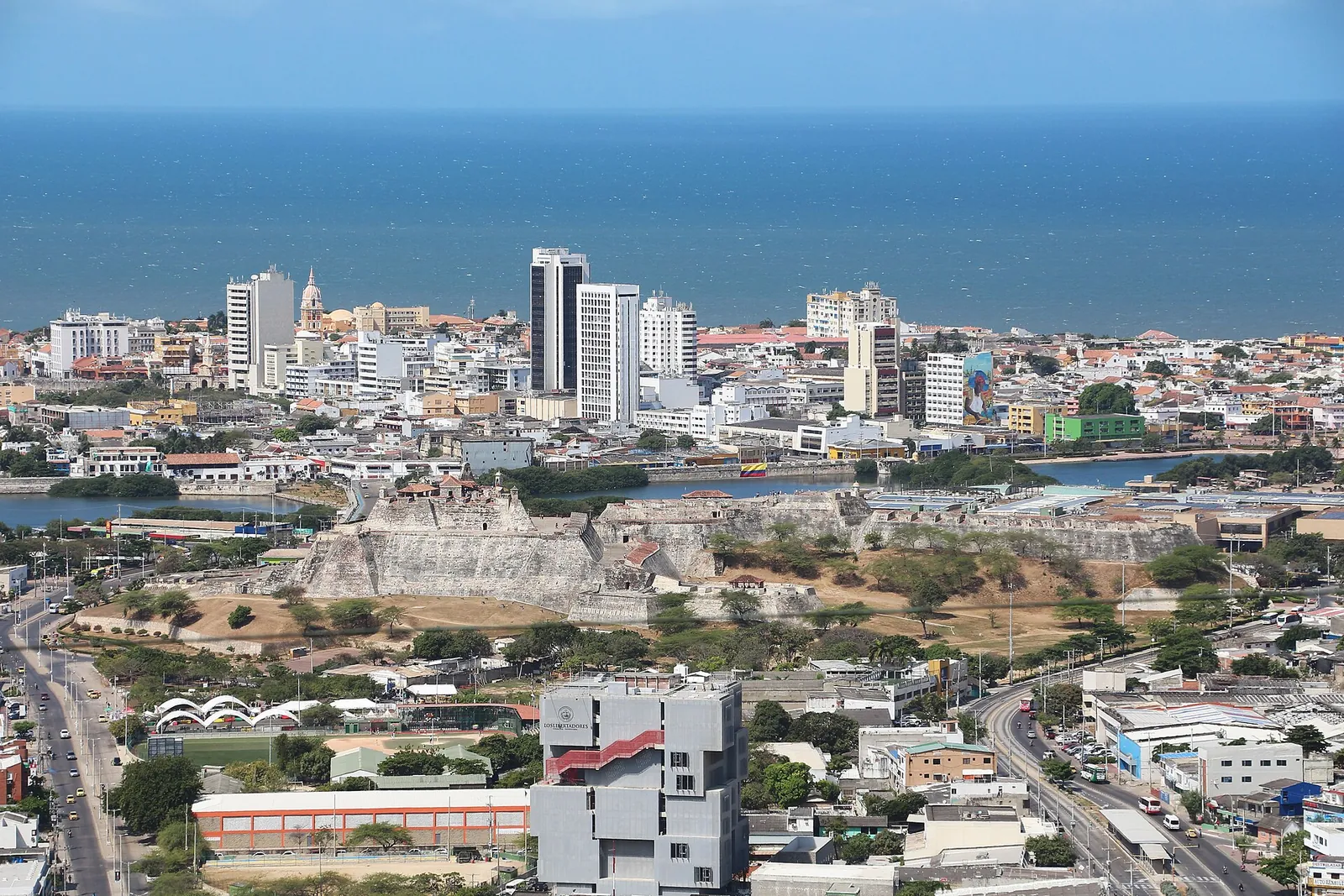
From the castle, take a taxi up to the Convento de Santa Cruz de La Popa, a convent on the highest hill in Cartagena, for sweeping views over the city, the bay and Bocagrande’s towers. Colombia Travel lists it among the city’s main attractions. We could not confirm current opening hours and ticket prices on an official source, so check locally before you go. Do not walk up the hill road: agree a return price with your taxi driver or book a ride through an app, and ask the driver to wait while you visit.
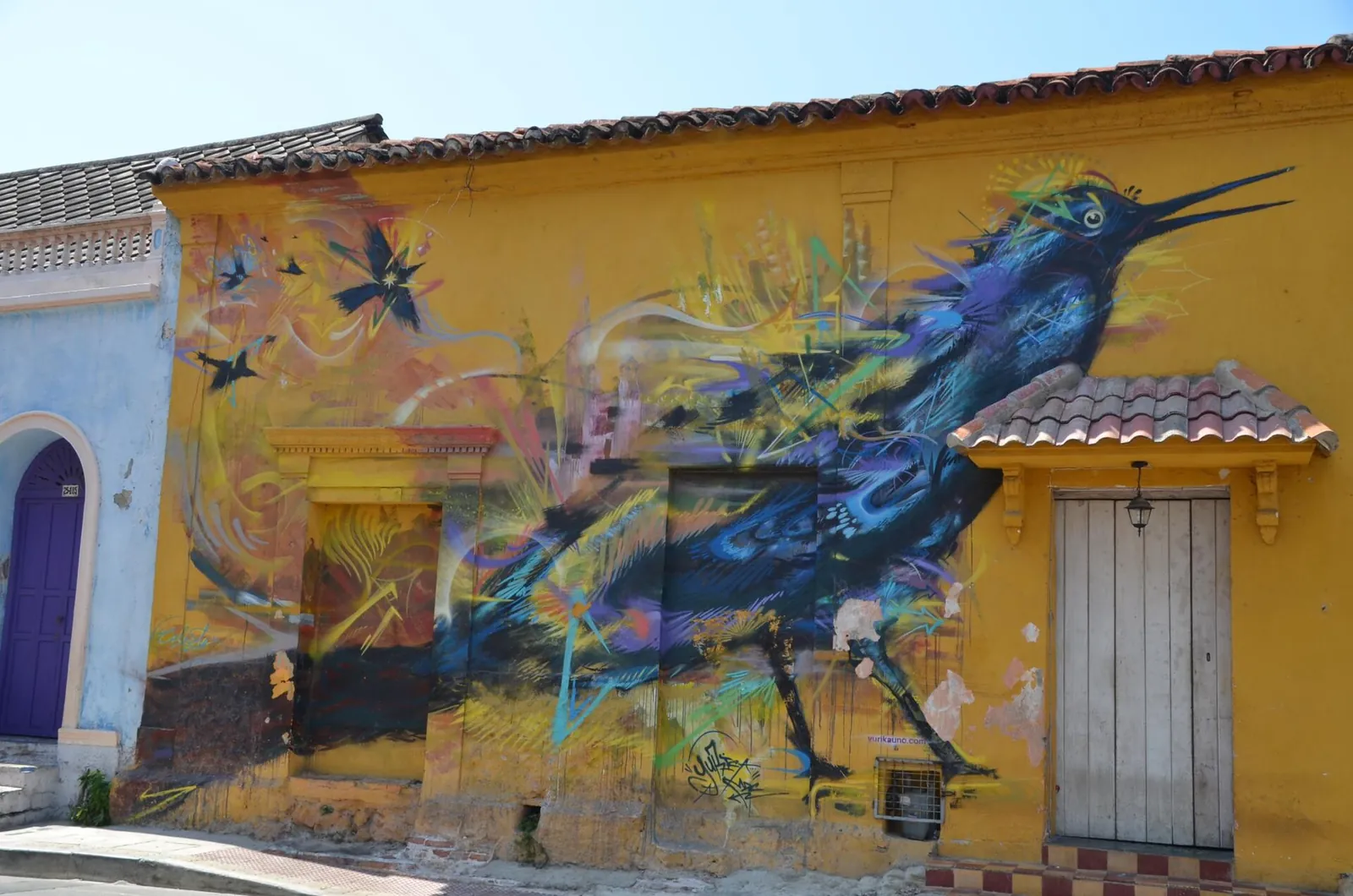
Then head back down to Getsemaní for a late lunch and a long, slow walk. This former working-class neighbourhood just outside the walls is now the city’s most colourful district, and Colombia Travel suggests a graffiti tour here. Look for the murals, the umbrellas and flags strung across the lanes, and the small plazas where locals sit out in the evening.
Evening
Finish at Plaza de la Trinidad, the heart of Getsemaní, where neighbours, street-food stalls and travellers gather as the heat fades. The streets around it are packed with bars and restaurants. Keep an eye on your drink and belongings in busy nightlife areas (see Heads-up).
Day 3: Rosario Islands day trip
Morning
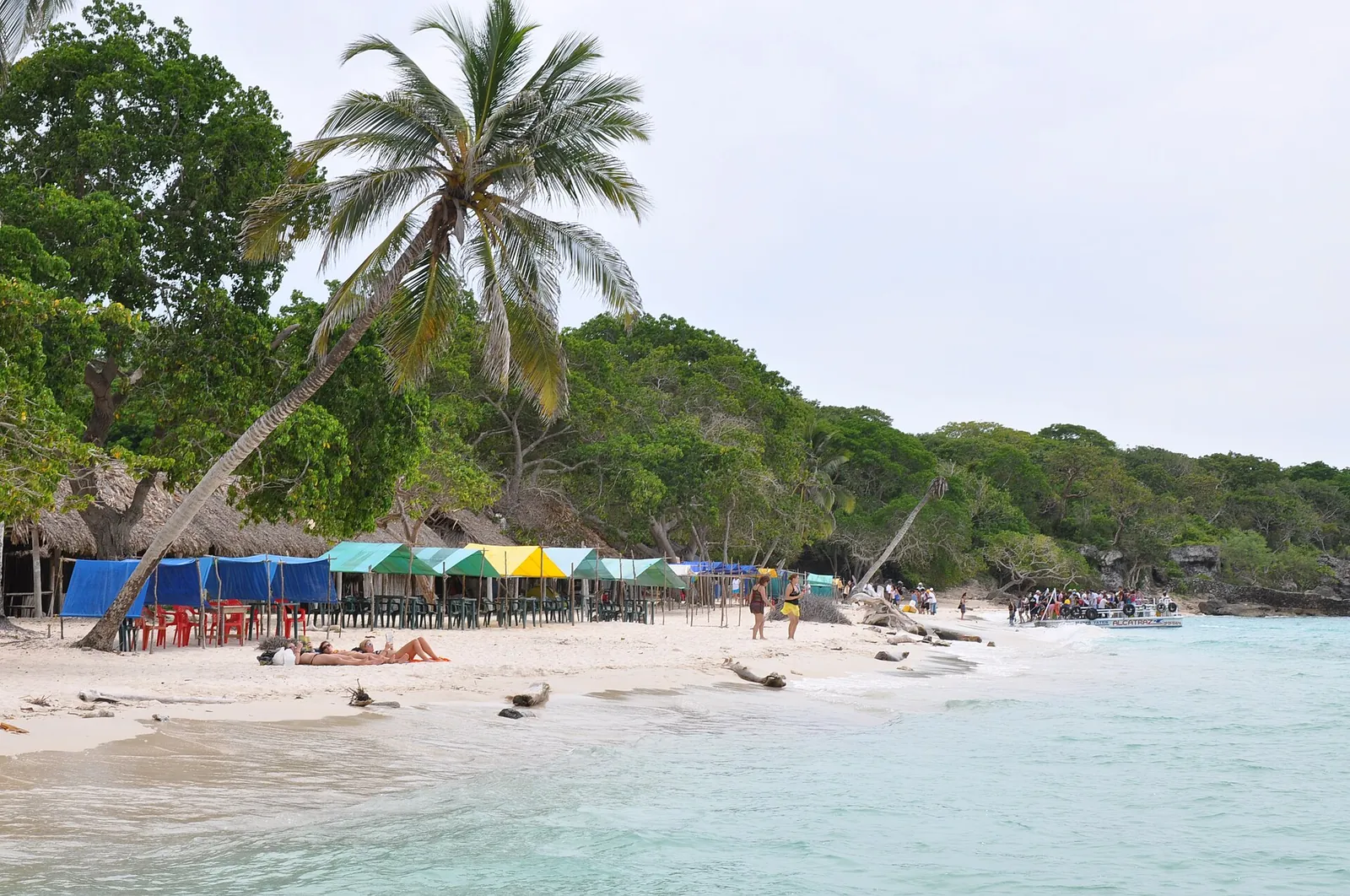
Today is all about the sea. The Rosario Islands are part of the Parque Nacional Natural Corales del Rosario y de San Bernardo, a marine national park protecting coral reefs, seagrass and mangroves southwest of the city. Most visitors go on a day trip by boat, roughly an hour each way depending on the boat and the sea.
Boats leave from the Muelle Turístico La Bodeguita, the tourist pier next to the Walled City. The Colombian maritime authority DIMAR names it the authorised departure point for public passenger transport to the islands, and Cartagena’s tourism body described it in October 2026 as the only authorised pier for tourist departures. Book with a registered operator and avoid touts offering cheap boats from other spots. Arrive early, as departures typically leave in the morning.
Four costs to know about:
- Your boat or tour: sold separately by tour operators, often with lunch and a beach club stop included. Compare what is included before you pay.
- Park entry fee: set each year by official resolution. Parques Nacionales Naturales’ park page currently lists COP 11,000 for the San Bernardo sector, and Colombian press reported 2026 rates of COP 11,000 for the San Bernardo sector and COP 13,500 for the rest of the protected area. Many operators collect it for you. Check the Parques Nacionales site for the current fee.
- Port tax: a separate departure tax is charged at La Bodeguita and is not usually included in tour prices. Some operators list it at around COP 26,500 per person, payable in cash, but we could not confirm the 2026 amount on an official source, so ask your operator and carry cash.
- Mandatory insurance: since March 2026, everyone entering the park must hold accident and assistance insurance from an approved insurer. Parques Nacionales says visitors without it are refused entry, and its cost is separate from the park fee. Ask your operator whether it is included.
Afternoon
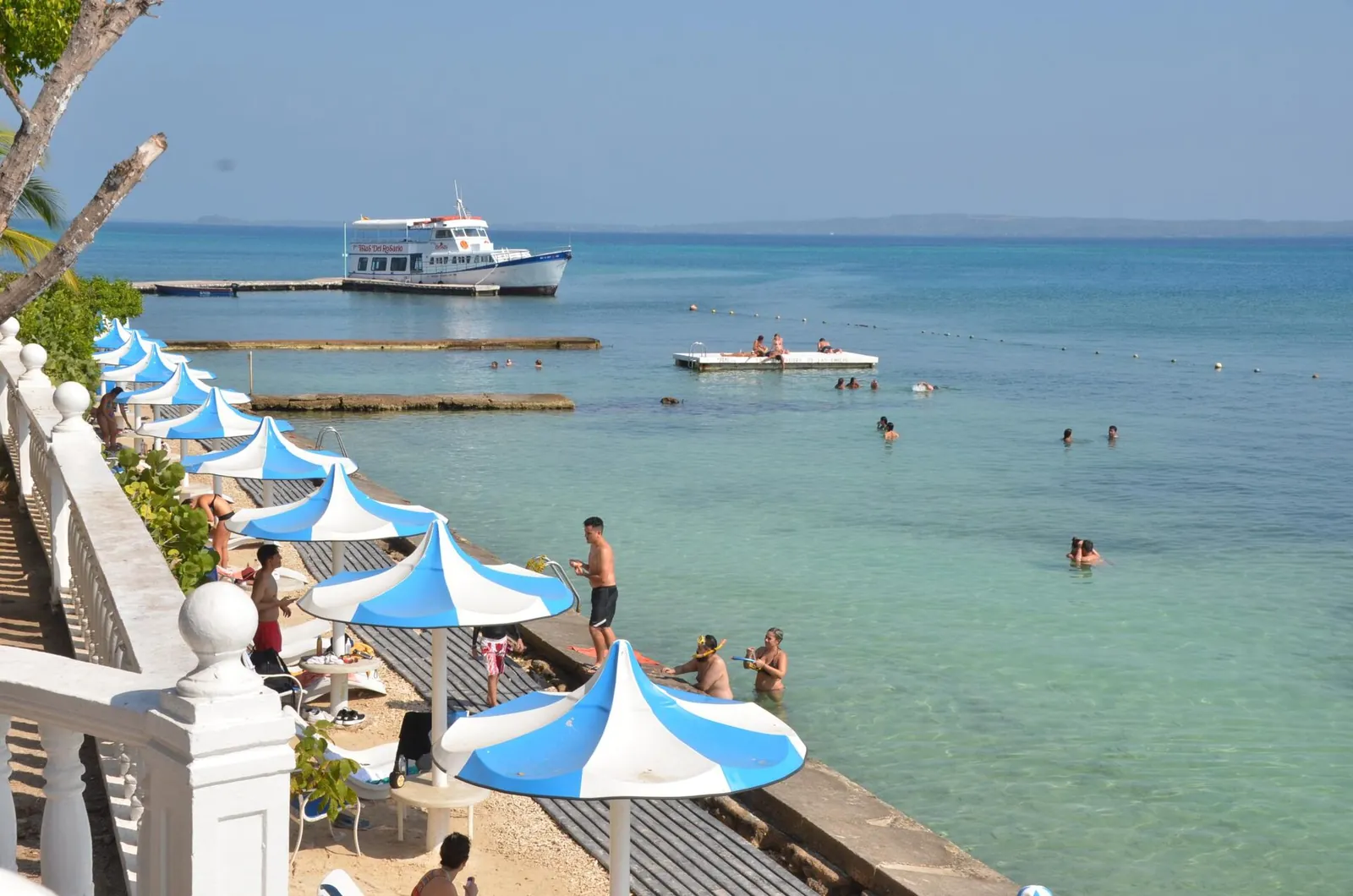
Spend the afternoon swimming, snorkelling and relaxing. Inside the national park, the rules are strict, according to Parques Nacionales: do not touch, step on or anchor on coral, do not collect or buy shells, starfish or coral fragments, take your rubbish back with you, and do not bring single-use plastics into the protected area. Before snorkelling or diving, confirm that your operator uses an authorised site. Carry your ID, and the park also recommends a yellow fever vaccination.
On the boat, wear your life jacket, stay seated, and check that the boat is not overloaded. The crossing can be bumpy when the wind picks up, so sit towards the back if you are prone to seasickness.
Evening
Boats usually return in the late afternoon. After a long day in the sun, have a relaxed dinner near your accommodation and drink plenty of water.
Day 4: Bocagrande and departure
Morning
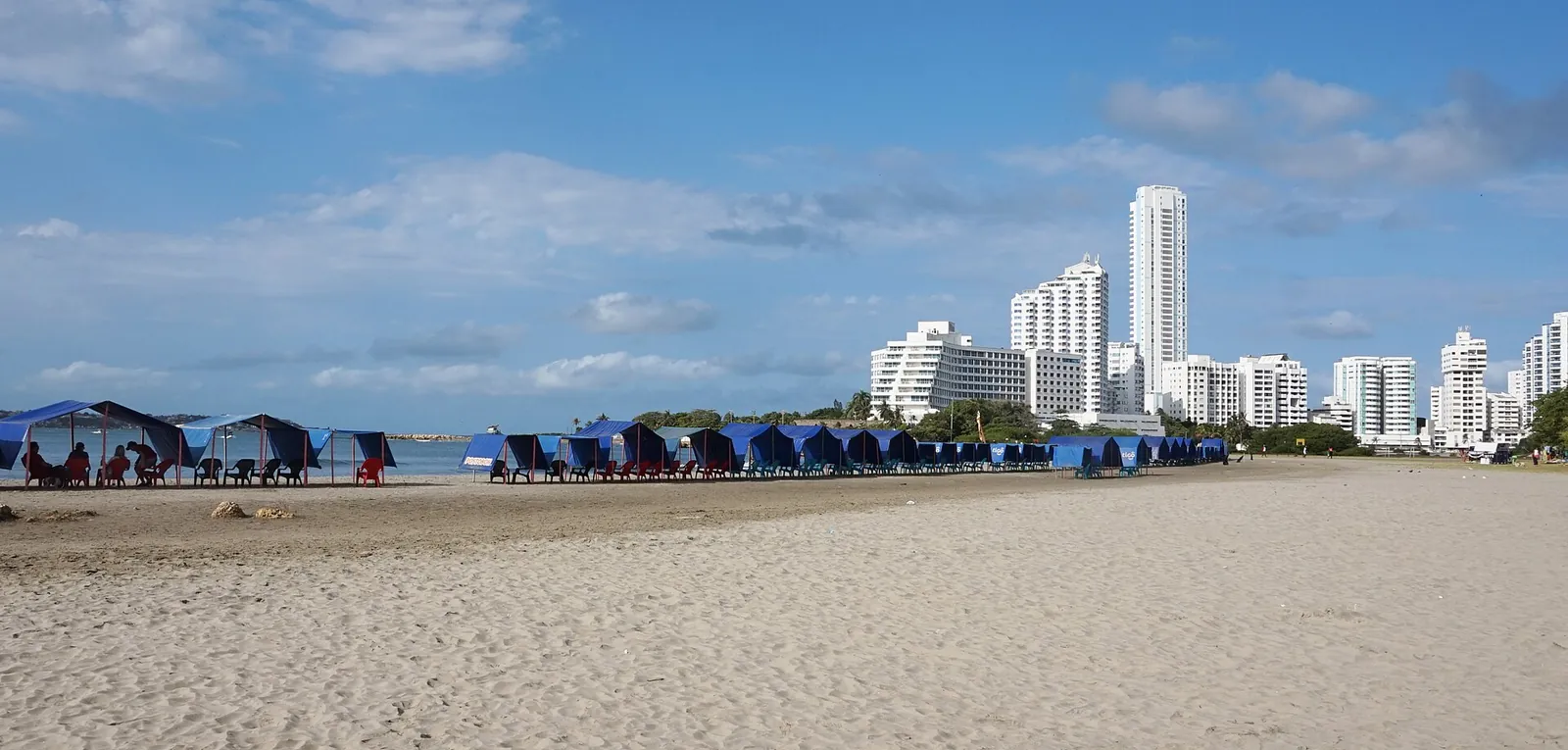
Soak up your last morning in Bocagrande, the peninsula of high-rise hotels south of the old town. Colombia Travel describes it as the city’s most touristy area, with wide beaches, hotels, restaurants, shopping centres and nightclubs. The beach is not as pristine as the islands, but it is handy for a final swim. Expect plenty of beach vendors, and agree any price for chairs, umbrellas or massages before you accept.
Afternoon
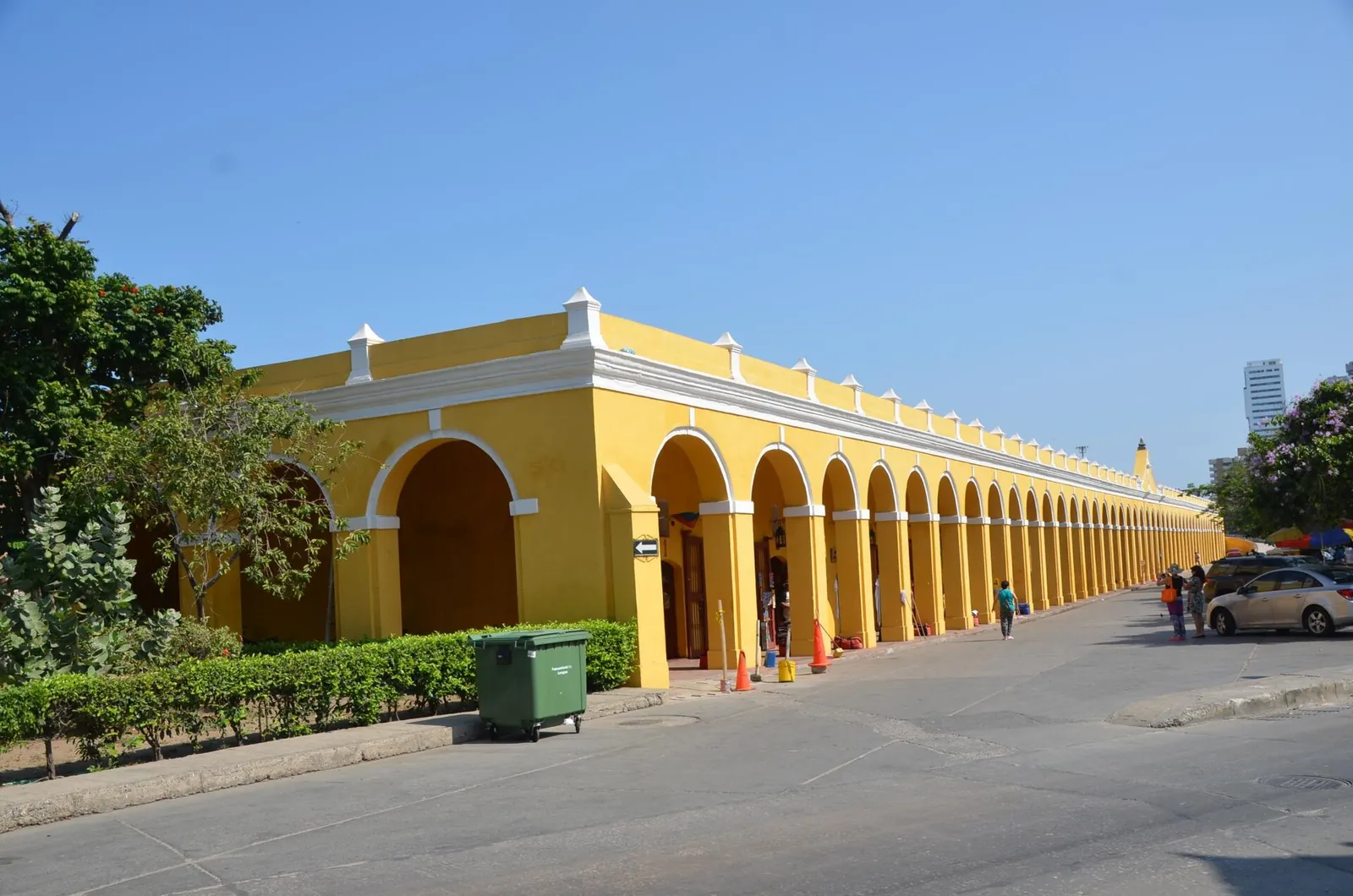
Then head back to the Walled City for a happy last lunch and some souvenir hunting. Las Bóvedas, a row of former vaulted storerooms built into the walls, is now lined with craft and souvenir shops. If you missed anything on Day 1, this is your chance to fill the gap.
Evening
Leave plenty of time for your airport transfer. Rafael Núñez International Airport is in the Crespo neighbourhood, a short drive north of the old town. If you have an evening flight, catch one last sunset from the walls before you go.
Getting there and getting around
From Rafael Núñez International Airport (CTG): The airport is close to the centre, and the ride to the Walled City or Getsemaní typically takes 10 to 20 minutes, a little longer to Bocagrande. Use the authorised taxi rank at the terminal exit rather than drivers who approach you inside the arrivals hall. Taxi fares from the airport follow zone rates set by the city, and Colombian press has reported cases of drivers asking far more than the listed fare, so confirm the price before you get in. Ride-hailing apps also operate in the city. We could not confirm the 2026 zone fares on an official source, so ask at the taxi rank or your hotel.
Getting around: The Walled City and Getsemaní are best explored on foot. For longer hops, such as to La Popa, Bocagrande or the airport, use licensed taxis booked by phone or app, or ask your hotel to call one. GOV.UK says authorised taxis in Colombia are yellow with white plates, and advises against hailing taxis on the street. Agree the fare before you set off.
Entry and visas: GOV.UK says UK visitors can stay up to 90 days without a visa for tourism, must show an onward or return ticket, and should have a passport valid for at least six months after the date they plan to leave. Rules depend on your passport, so check with Migración Colombia or your nearest Colombian consulate. Migración Colombia also offers the Check-MIG online pre-registration form. GOV.UK says it is not required but can speed up entry, and it can be completed between 72 hours and one hour before travel.
Where to stay
- Walled City (Centro and San Diego): The most atmospheric base, with sights on the doorstep and boutique hotels in colonial houses. Ideal for first-timers, though it is pricier.
- Getsemaní: Lively, colourful and good value, with plenty of hostels and small hotels. Walking distance to the old town and the castle. Expect music late into the night.
- Bocagrande: High-rise hotels with beach access and sea views. A short taxi ride to the old town. Good for families and travellers who want a pool and the sea.
Budget
| Item | Typical cost |
|---|---|
| Castillo San Felipe de Barajas, full / reduced | COP 38,000 / COP 16,000 |
| Palace of the Inquisition (Museo Histórico de Cartagena), adult / reduced | COP 24,000 / COP 20,000 |
| Corales del Rosario park fee (2026 press report) | COP 11,000 to 13,500 |
| La Bodeguita port tax | Around COP 26,500 (operator listing, check locally) |
| Mandatory park insurance | Check with your operator or an approved insurer |
| Rosario Islands boat or tour | Check with registered operators |
| Convent of La Popa | Check locally |
| City walls, plazas, Getsemaní, Bocagrande beach | Free |
The paid sights in this plan come to roughly COP 62,000 per adult, plus the island fees on Day 3. Our daily range covers sights and official fees only. It excludes accommodation, meals, drinks, flights, taxis, the airport transfer, the Rosario Islands boat or tour, and the park insurance. Prices change every year, so check the official sites before you go.
Practical tips
- Heat and sun: Start early, rest at midday, and carry water, a hat and high-factor sunscreen. The fortress and the islands have little shade.
- Best season: Colombia Travel recommends late November to late April, when it is drier and the sea breeze cools things down. The city can be visited year-round.
- Book the islands carefully: Use a registered operator departing from La Bodeguita, and check what the price includes (park fee, port tax, insurance, lunch).
- Cash: Carry pesos for the port tax, small purchases and tips. Use ATMs during business hours, ideally inside a bank or shopping centre, as GOV.UK suggests.
- Dress: Light, breathable clothes and comfortable shoes for the walls and the fortress. Cover up a little more for churches and the convent.
- Health: Bring your own insurance. Parques Nacionales asks visitors to the marine park to carry valid health insurance and recommends yellow fever vaccination. Check your vaccinations with a travel health service before you fly.
- SIM and eSIM: An eSIM bought before you fly is easiest. You can also buy a local SIM at an official carrier store in the city.
Heads-up
Cartagena is a joy to explore, and a few street smarts keep it that way. These points come from official sources:
- Petty crime: GOV.UK says pickpocketing, mugging and armed robbery are a problem in major cities, including on the Caribbean coast. Do not carry large amounts of cash or wear expensive-looking jewellery or watches, and keep your phone out of reach in crowds.
- Taxis: GOV.UK reports express kidnappings, assaults and robberies in unlicensed taxis. Use licensed phone or app-based taxis, or book through your hotel or restaurant, and do not hail cabs on the street.
- Drink spiking: GOV.UK warns that criminals use drugs such as scopolamine, sometimes in food, drinks, cigarettes or aerosols, to rob or assault victims. Never leave food or drinks unattended, and do not accept anything from strangers.
- Dating apps: GOV.UK warns that criminals use dating apps to target foreigners travelling alone. Do not invite strangers to your accommodation or go to theirs.
- Fake police: Be wary of people posing as police. If approached, ask to be escorted to the nearest CAI police station.
- Boats: Use only authorised operators from La Bodeguita, wear your life jacket and avoid overloaded boats. Without the mandatory insurance, you can be refused entry to the park.
- Beach vendors: Agree prices before accepting chairs, food, drinks or services on the beach.
- Weather: GOV.UK notes that extreme weather, including heat and heavy rain, can disrupt travel, and that hurricanes and tropical storms, though uncommon, can affect the Caribbean coast.
FAQ
Is 4 days enough for Cartagena?
Yes. Two days cover the Walled City, Getsemaní, the fortress and La Popa at an easy pace, one day goes to the Rosario Islands, and the fourth leaves time for the beach and your transfer.
How much does the Castillo San Felipe cost?
According to the 2026 rates reported by El Universal, a full ticket costs COP 38,000, Colombians pay COP 33,000, and the reduced ticket for children and students costs COP 16,000. It opens daily from 7:00 am to 6:00 pm. Check fortificacionescartagena.com.co before you go.
What fees do I pay for the Rosario Islands?
On top of your boat or tour, expect a national park entry fee, a port tax at La Bodeguita and mandatory accident and assistance insurance. Ask your operator which ones are included, and carry cash for the port tax.
Where do boats to the Rosario Islands leave from?
From the Muelle Turístico La Bodeguita, next to the Walled City. It is the authorised departure point for tourist boats to the islands.
How do I get from the airport to the old town?
Take an authorised taxi from the rank at the terminal exit, or use a ride-hailing app. The trip takes about 10 to 20 minutes. Confirm the fare before you get in.
Do I need to fill in the Check-MIG form?
GOV.UK says it is not required, but it can speed up entry. You can complete it on the Migración Colombia website between 72 hours and one hour before travel.
Sources
Prices, hours and rules change. We checked these on 1 November 2026; please confirm on the official page before you book.
- Cartagena de Indias (Colombia Travel, official tourism site)
- The Walls of Cartagena de Indias (Colombia Travel)
- Fortificaciones de Cartagena (Escuela Taller Cartagena de Indias, fortress operator)
- Entrada gratis al Castillo de San Felipe en 2026: fechas y requisitos (El Universal, 2026 ticket prices and hours)
- Visita, Museo Histórico de Cartagena, Palacio de la Inquisición (official site)
- PNN Corales del Rosario y de San Bernardo (Parques Nacionales Naturales de Colombia)
- Mandatory insurance for visitors to Corales del Rosario (Parques Nacionales Naturales de Colombia)
- Muelle La Bodeguita, authorised departure point for the Rosario Islands (DIMAR, Colombian maritime authority)
- Check-MIG pre-registration form (Migración Colombia)
- Safety and security: Colombia travel advice (GOV.UK, FCDO)
- Entry requirements: Colombia travel advice (GOV.UK, FCDO)
Photo credits (12)
- Bougainvillea-draped colonial street in Cartagena's old town: Alexandre Patrier, CC BY 3.0, via Wikimedia Commons
- The Clock Tower gate into Cartagena's Walled City: Bernard Gagnon, CC BY-SA 4.0, via Wikimedia Commons
- Church of Santo Domingo and its café-filled plaza: Mariordo (Mario Roberto Durán Ortiz), CC BY-SA 4.0, via Wikimedia Commons
- The mighty walls of Castillo San Felipe de Barajas: Bernard Gagnon, CC BY-SA 4.0, via Wikimedia Commons
- A bright bird mural on a yellow house in Getsemaní: Joe Ross from Lansing, Michigan, CC BY-SA 2.0, via Wikimedia Commons
- Palm trees and turquoise water in the Rosario Islands: Jorge Láscar from Australia, CC BY 2.0, via Wikimedia Commons
- Swimmers in clear Caribbean water at the Rosario Islands: Joe Ross from Lansing, Michigan, CC BY-SA 2.0, via Wikimedia Commons
- Bocagrande beach with its high-rise skyline: Bernard Gagnon, CC BY-SA 4.0, via Wikimedia Commons
- The yellow arcades of Las Bóvedas under blue sky: Joe Ross from Lansing, Michigan, CC BY-SA 2.0, via Wikimedia Commons
- Cartagena spread out by the sea, seen from La Popa: Bernard Gagnon, CC BY-SA 4.0, via Wikimedia Commons
- Sunset over a sentry box on Cartagena's city walls: Igvir Ramirez, CC BY-SA 2.0, via Wikimedia Commons
- Colourful fruit stalls on a Cartagena street: Joe Ross from Lansing, Michigan, CC BY-SA 2.0, via Wikimedia Commons
More Latin America itineraries
 4 days
4 Days in Mexico City: A Day-by-Day Itinerary
A 4-day Mexico City itinerary: Centro Histórico, Chapultepec and the Anthropology Museum, Teotihuacan, then Coyoacán and Xochimilco.
 4 days
4 Days in Rio de Janeiro: A Day-by-Day Itinerary
A 4-day Rio plan: Christ the Redeemer by train, Sugarloaf, Museu do Amanhã, beaches and metro tips, with fares and hours checked on official sites in Nov 2026.
 4 days
4 Days in Buenos Aires: A Day-by-Day Itinerary
A 4-day Buenos Aires plan: Plaza de Mayo, Teatro Colón, Recoleta, MALBA and the Costanera Sur reserve, with hours and fares checked on official sites in Nov 2026.
This is a researched plan, not a personal trip report. How we research · Affiliate disclosure