
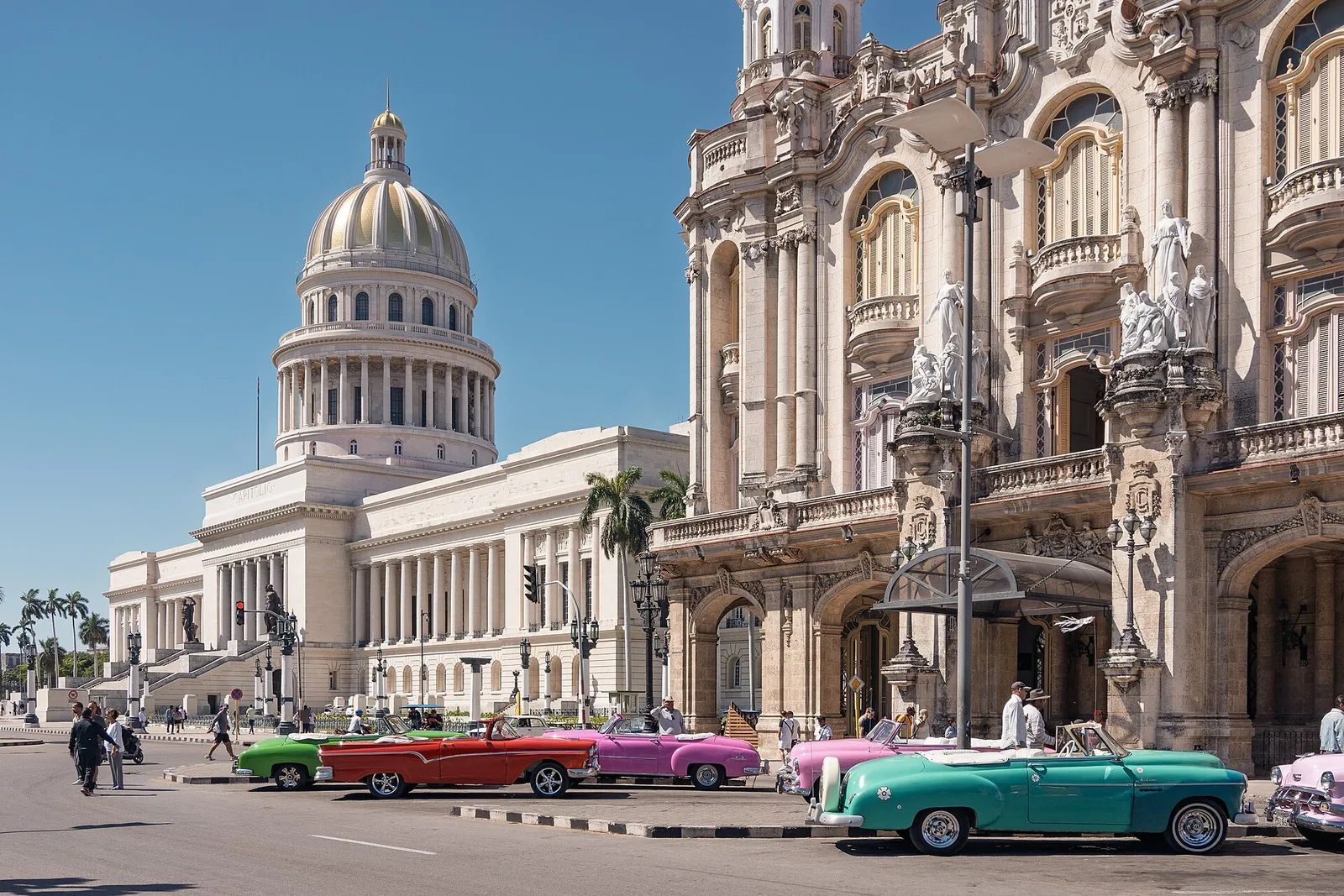
4 Days in Havana: A Day-by-Day Itinerary
A 4-day Havana plan: Old Havana, Centro, Vedado and the harbour forts, with honest notes on power cuts, cash-only payments and government travel advice (Nov 2026).
- 🗓️ Trip length
- 4 days
- ☀️ Best time
- Check current conditions first; hurricane season runs June to November
- 💰 Daily spend
- No verified prices: carry enough cash for the whole stay (see Budget)
- ✅ Facts checked
- 1 November 2026
Get ready for one of the most atmospheric capitals in the Americas: Havana, with its crumbling pastel facades next to restored colonial squares, a sea wall where the whole city gathers at sunset, old forts guarding the harbour and a music-and-art scene that spills into the street. This four-day plan happily walks you through Old Havana, Centro, Vedado and the fortress side of the bay, in an order that keeps transfers short and leaves more time for wandering.
One thing first, because it shapes everything else: Cuba is going through a hard period. Both the UK and Canadian governments currently advise against non-essential travel (details in the Heads-up section). If you have decided to go, or you are planning for later in the year, this itinerary is built to be flexible: every day has a headline area, a few free things around it and room to swap days if the lights go out or a plan falls through. We have deliberately left out opening hours and ticket prices for individual sights, because we could not confirm them on an official page today. Where that matters, we say “check the official site”.
4 days in Havana at a glance
| Day | Area | Highlights |
|---|---|---|
| 1 | Old Havana (Habana Vieja) | Plazas, cathedral square, narrow colonial streets, Malecón at sunset |
| 2 | Centro Habana and the museum quarter | Paseo del Prado, Capitolio area, fine art museum, old streets by day |
| 3 | Vedado and the Malecón | Leafy avenues, Plaza de la Revolución, a long seafront walk, evening music |
| 4 | Across the harbour and the western coast | The fortresses at Morro and La Cabaña, then a flexible art-and-coast afternoon |
Entry requirements
Cuba’s entry rules depend on your passport and they change, so please do not rely on a blog (including this one). Before you travel, complete the arrival form on the official D’Viajeros traveller information portal and check your own government’s current travel advice. GOV.UK’s entry page describes the form as an online arrival form to be completed shortly before arrival, with a QR code sent by email, and advises keeping a printed or downloaded copy in case Wi-Fi is not available. Travellers from some countries, for example the United States, face specific rules from their own governments about travel to Cuba, so look up your home country’s official page before booking anything.
Day 1: Old Havana
Morning
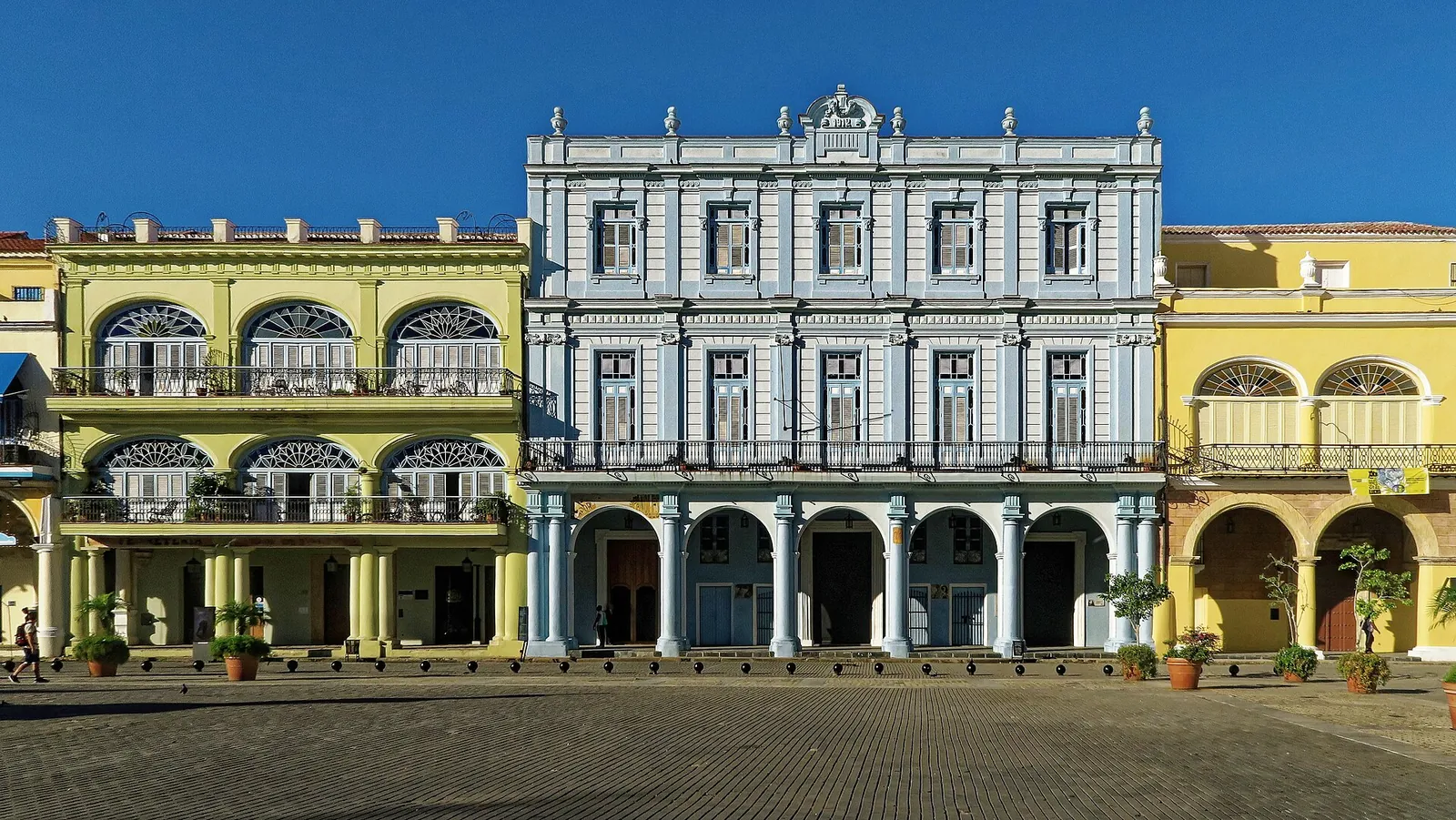
Your first day is all about the old walled core, so start right where Havana started. Begin at Plaza de Armas, one of the main colonial squares, and let the day unfold on foot. From there it is a short stroll through the cobbled lanes to the cathedral square and then to Plaza Vieja. Old Havana is compact: the main squares are a matter of minutes apart on foot, so there is no need for a taxi.
Many of the historic buildings in this part of the city are run as museums. Opening days and entry fees vary from site to site and change, and we could not confirm them today, so check at the door or with your accommodation before planning around a particular museum.
Afternoon
Take a long lunch break in the shade and then keep wandering the side streets rather than racing between sights. Old Havana rewards slow walking: courtyards, balconies, small shops and street musicians are all around you. Keep your phone and camera close in the busiest lanes (see Heads-up).
Evening
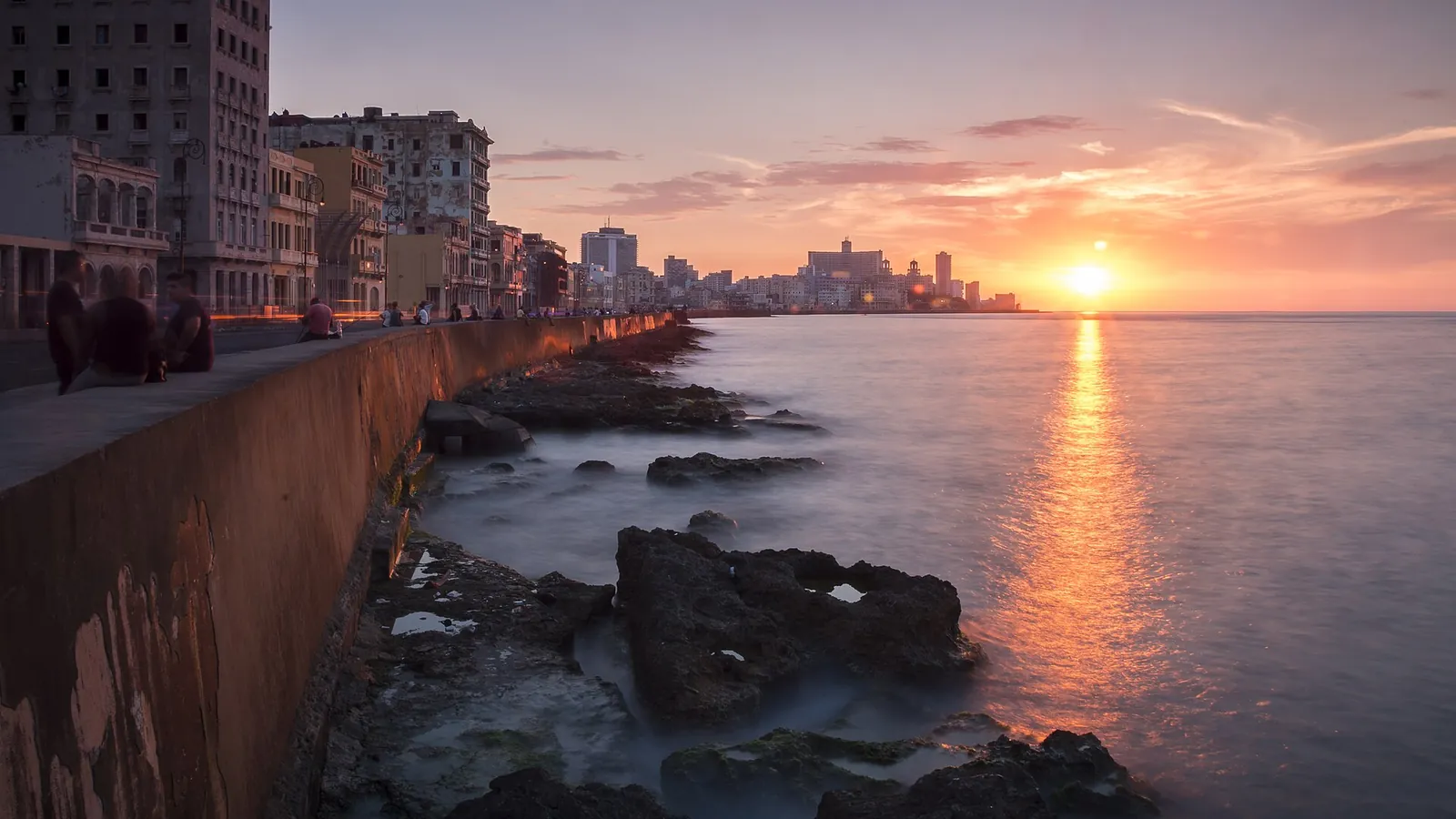
Walk out to the Malecón, the long seafront promenade, for sunset. It is free and it is where the city comes out in the evening. Go with a plan for getting back: arrange a ride through your accommodation instead of hailing a stranger’s car after dark.
Day 2: Centro Habana and the museum quarter
Morning
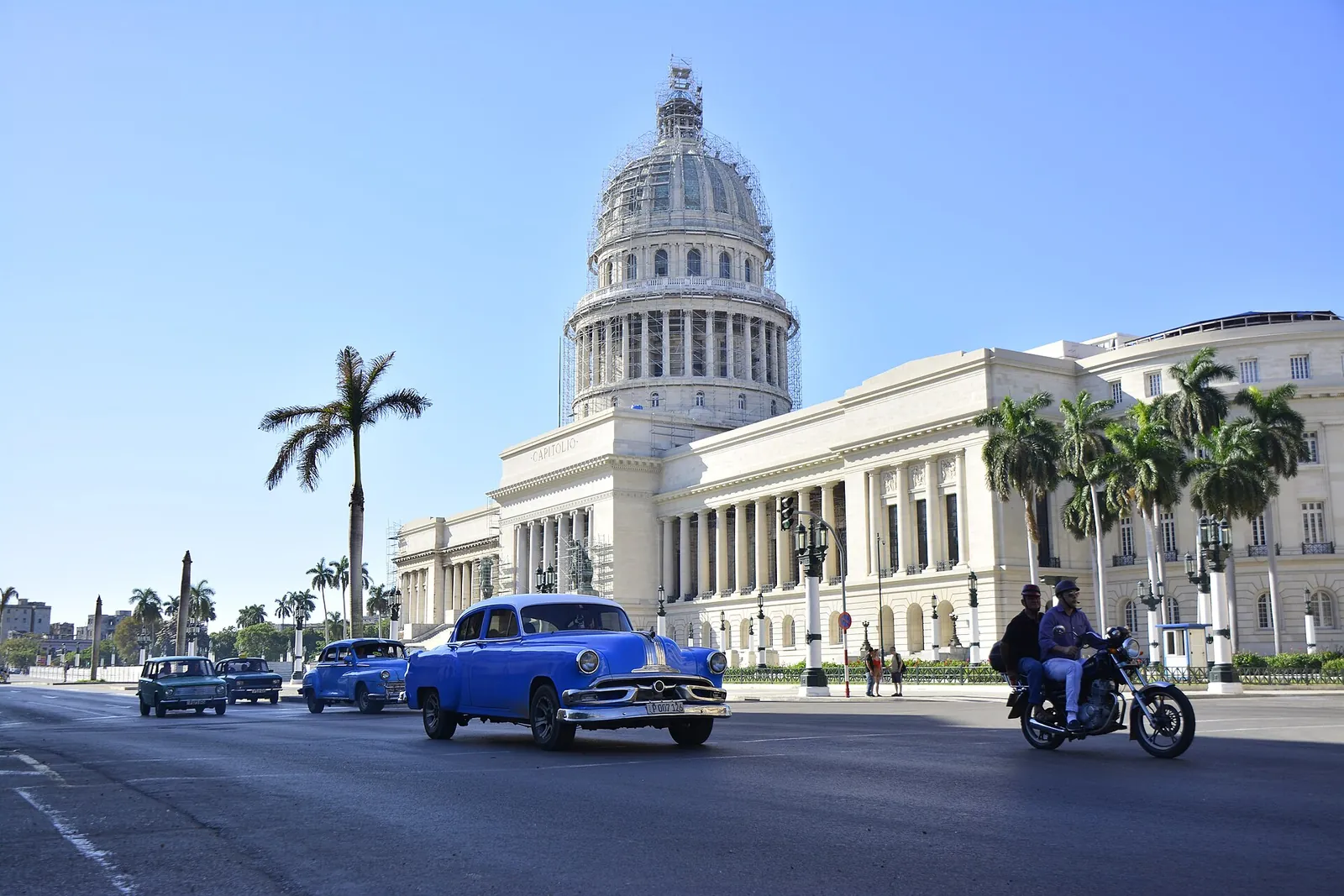
This is the day for grand boulevards and big domes. Stroll along the Paseo del Prado, the tree-lined boulevard that links Old Havana with the Malecón, and continue to the domed Capitolio and its surroundings. You can see the exterior from the street, and it is a good photo stop. Whether the interior is open to visitors, and at what price, is something to check locally.
Afternoon
Art lovers can head for the Museo Nacional de Bellas Artes de Cuba, which is split between two buildings, one devoted to Cuban art and one to art from the rest of the world. We could not open the museum’s own site today, and the pages that search engines return give conflicting hours and prices, so please confirm opening days, hours and admission with the museum before you go. It is a good indoor option for the hottest hours.
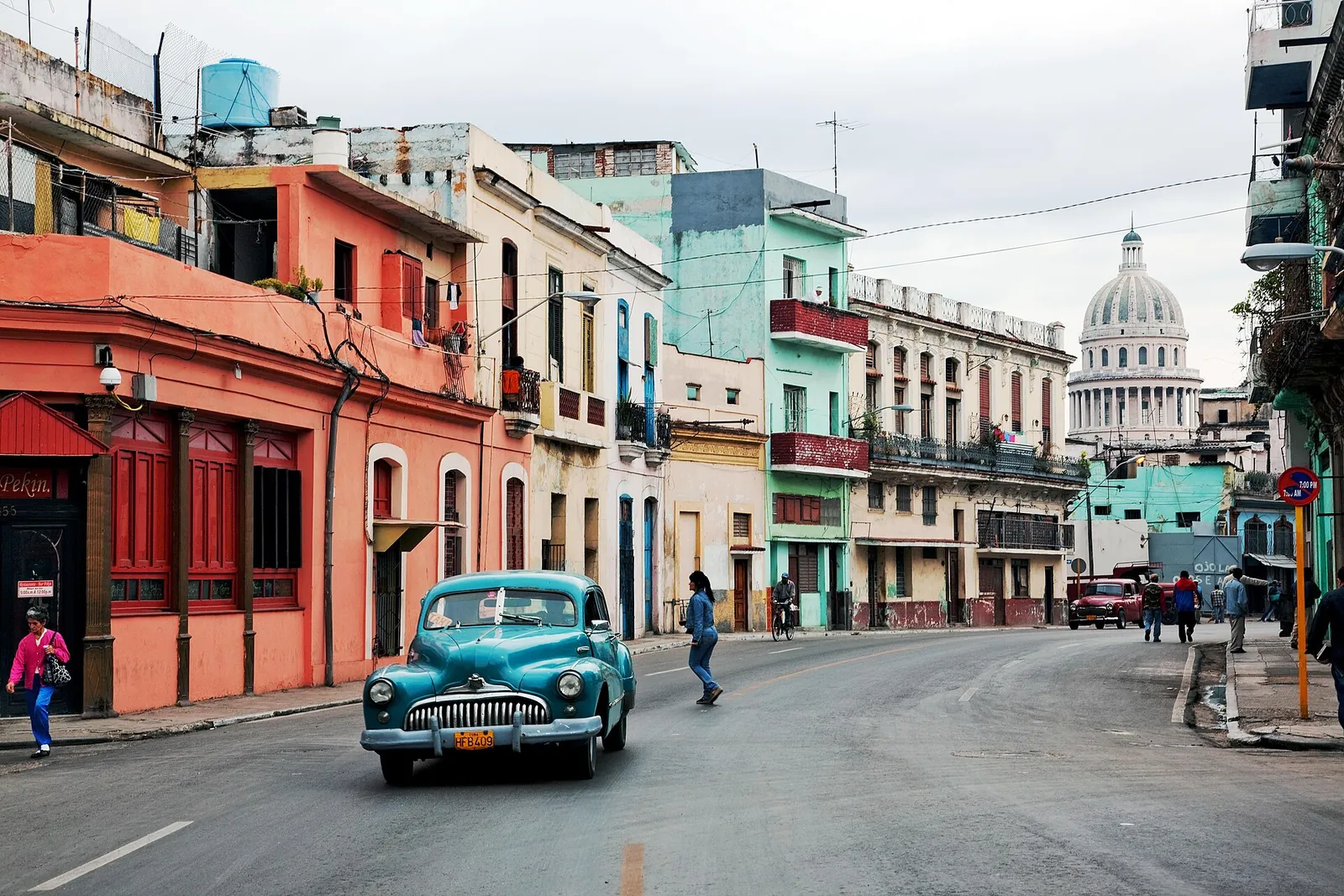
If the museum is closed or you would rather stay outdoors, spend the afternoon wandering Centro Habana: crowded, lively and less polished than Old Havana, with daily life spilling onto the pavements. It is best done in daylight.
Evening
Return to your neighbourhood for dinner. Many restaurants and private homes that serve food are small and run on limited supplies, so have a second option in mind. Charge your phone and torch before you head out in case of an outage.
Day 3: Vedado and the Malecón
Morning
Today you swap cobbles for leafy avenues and sea breezes. Vedado is the leafy residential and cultural district west of Centro. Take a morning walk along its wide avenues, passing mid-century buildings, shaded parks and the university area. The distances are larger here than in the old town, so use your accommodation to arrange a trusted car for the longer hops (see Getting around).
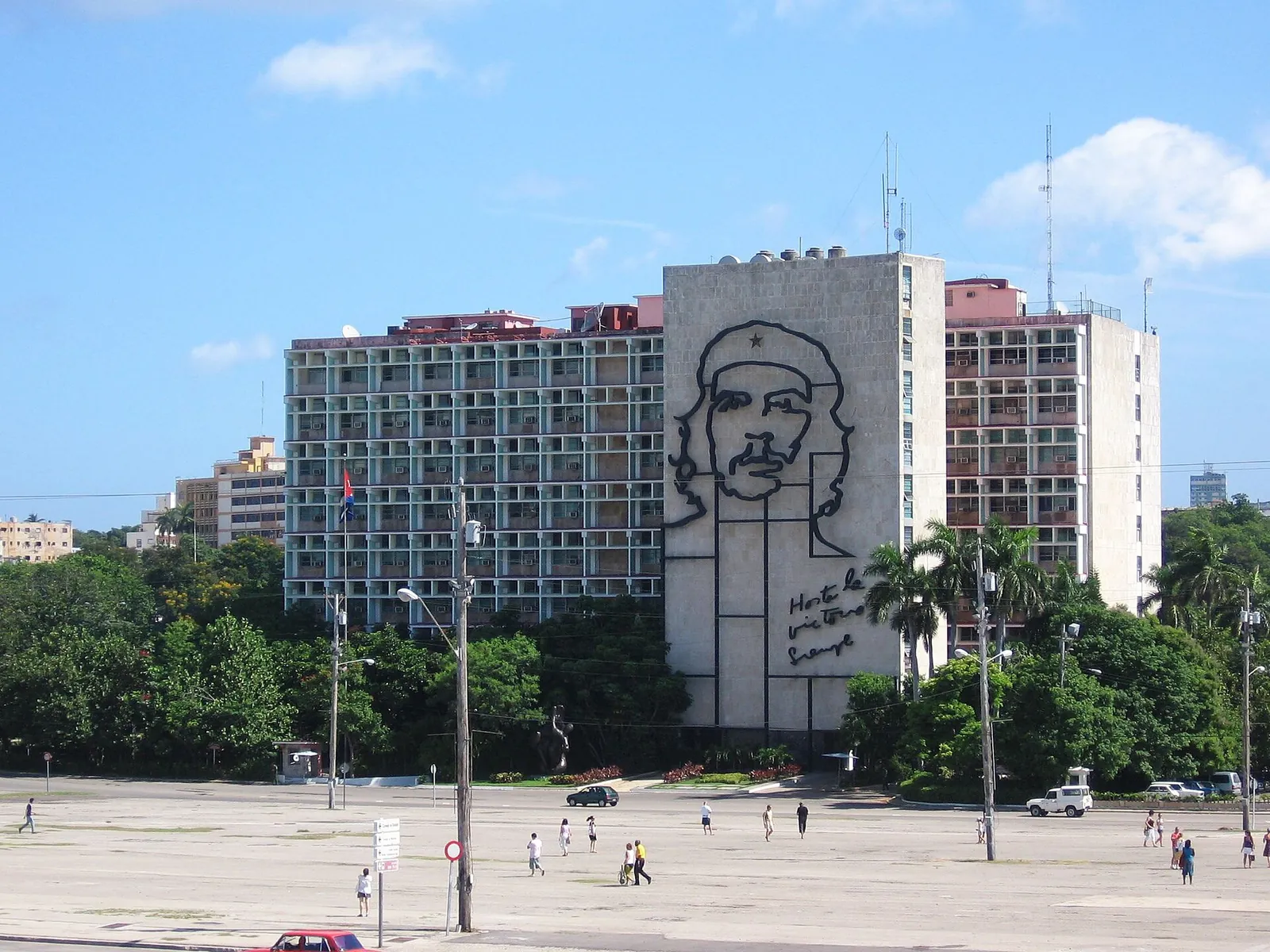
Visit the Plaza de la Revolución, a huge open civic square, mostly as a photo stop. It is an open square, so you can see it from the street.
Afternoon
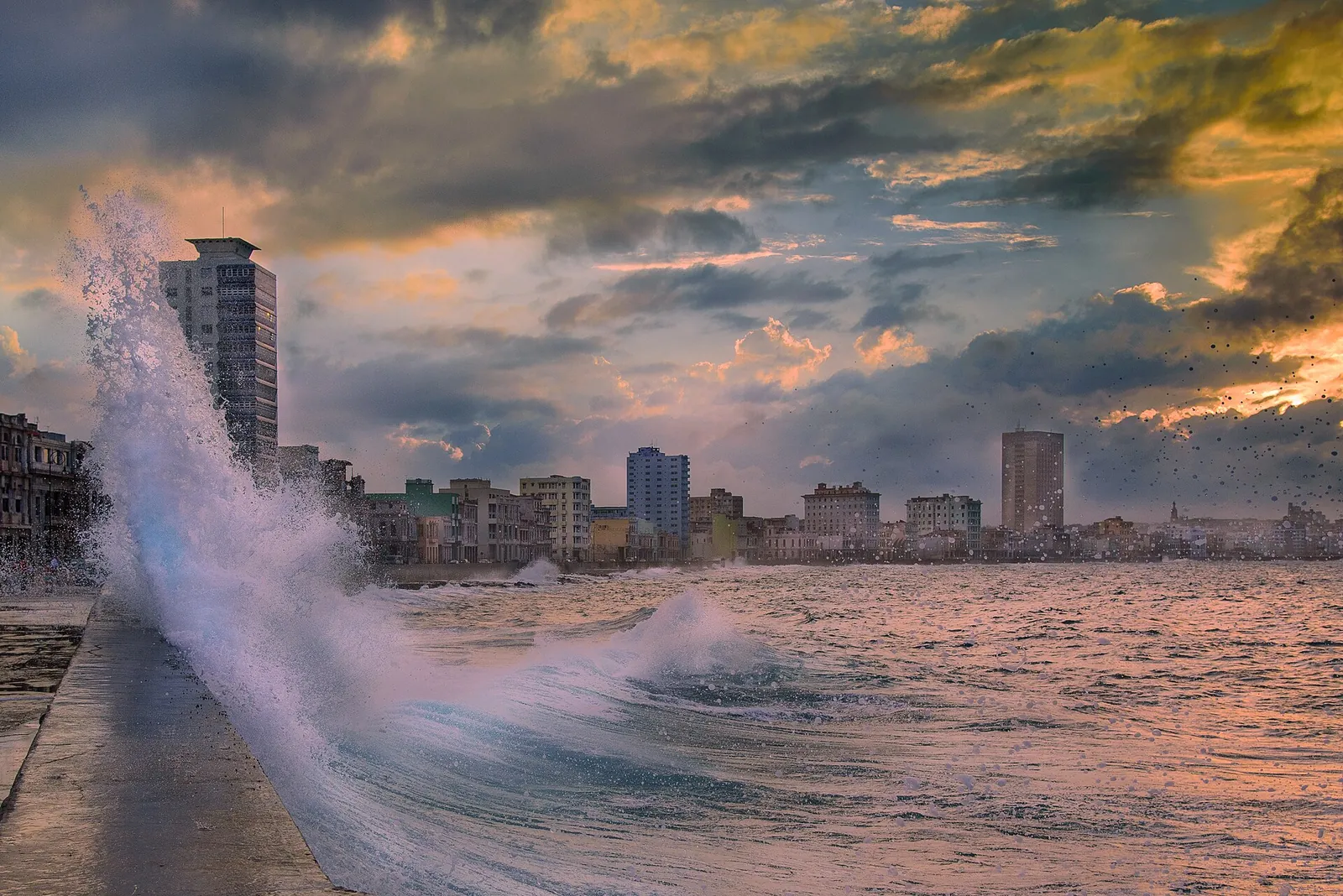
Go back to the sea wall for a long walk along the Malecón, this time through Vedado, where the avenue sweeps along the water. Look for a bench, watch the waves and the passing cars, and take it slowly. This is a free and very Havana way to spend a few hours.
Evening
Vedado has a reputation for live music and small clubs. Venues change often, and many are tied to cash payment, so ask your accommodation for current recommendations that are open on the night you plan to go. Keep the evening short on the street and book the ride home before you set off.
Day 4: The harbour forts and a flexible coast afternoon
Morning
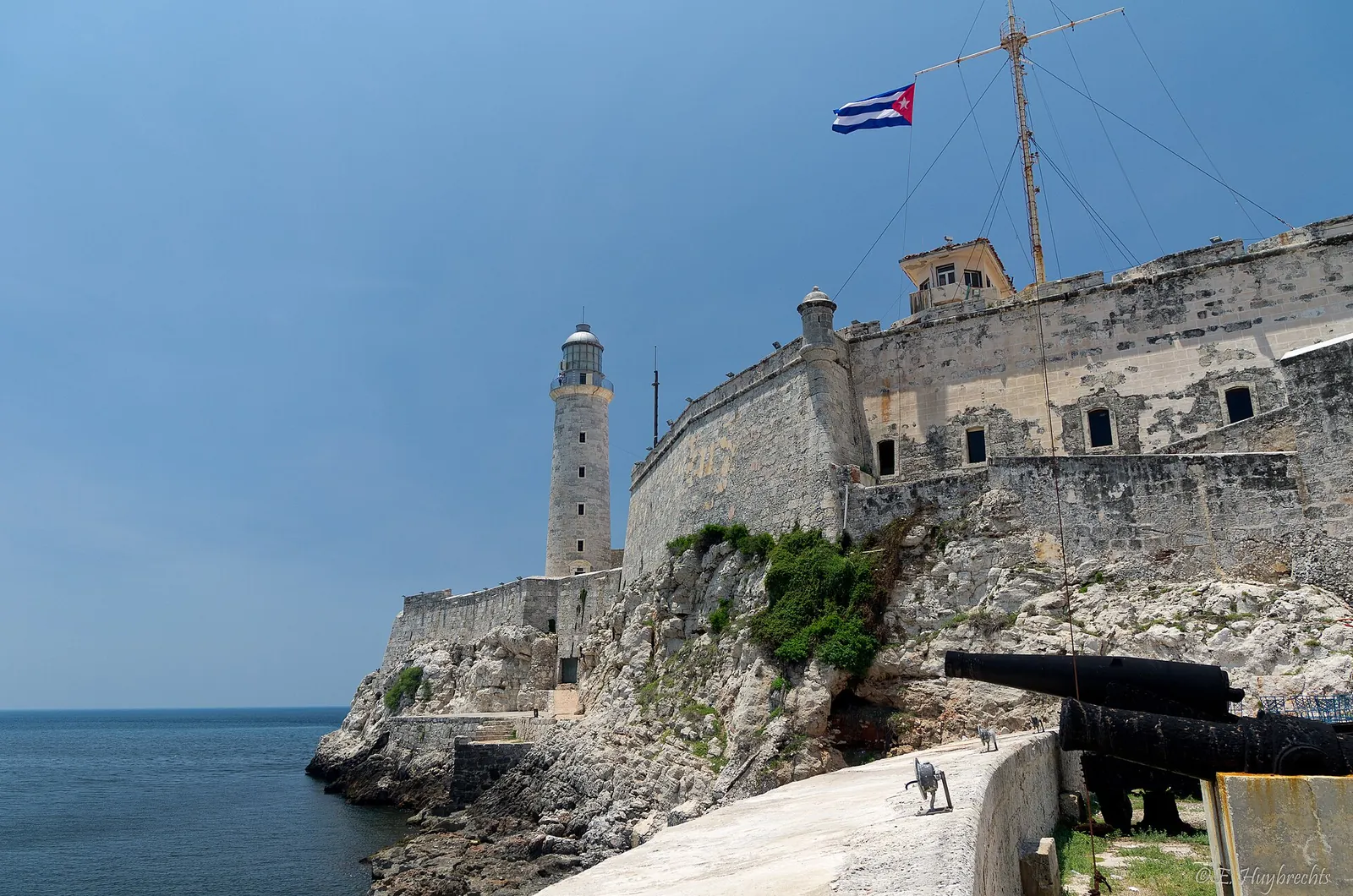
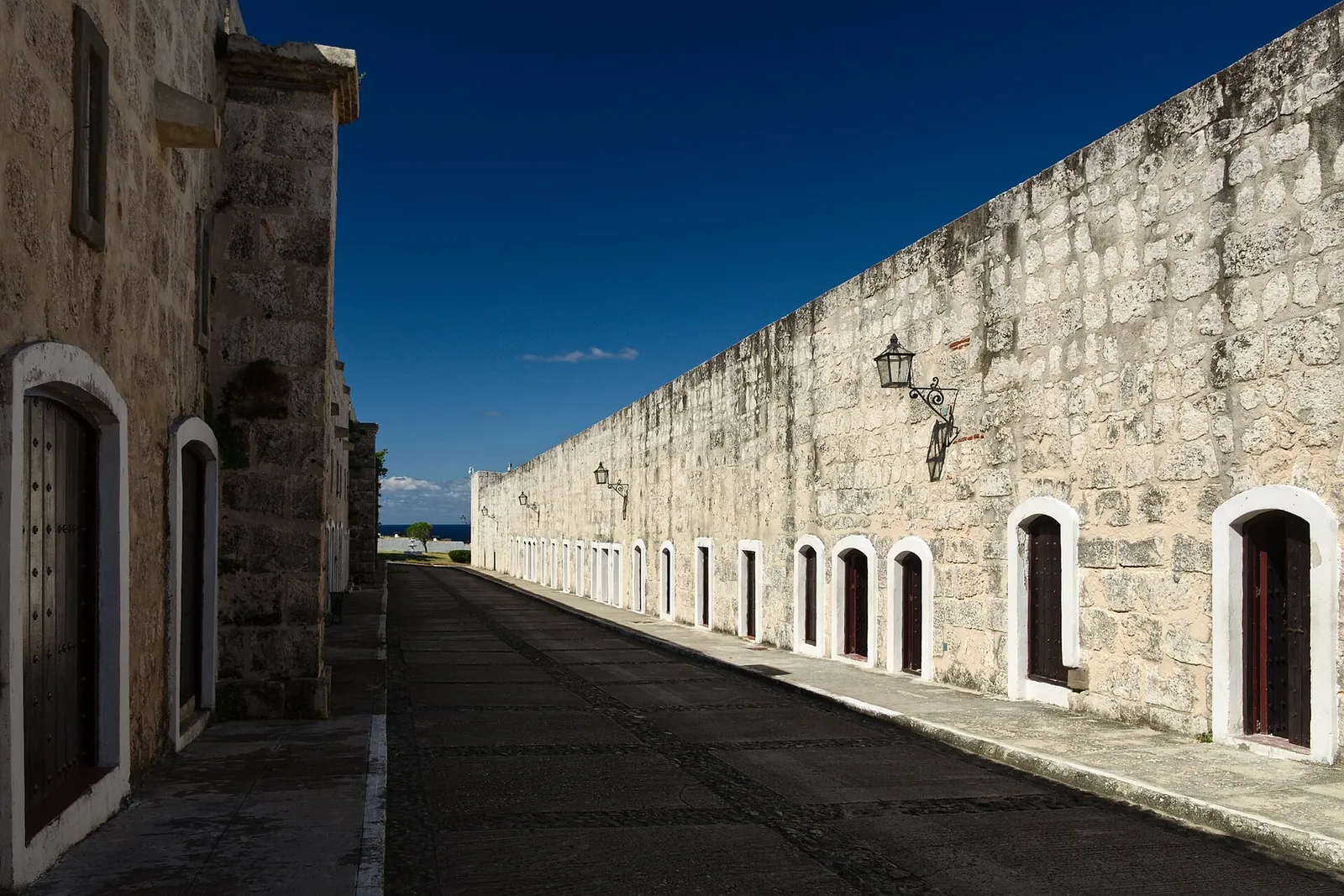
Save your best camera battery for today. Cross the harbour to the fortress side of the bay. The Castillo de los Tres Reyes del Morro and the Fortaleza de San Carlos de la Cabaña guard the harbour entrance, and the views of the Havana skyline from the other side of the water are among the best in the city. Opening hours, ticket prices are not something we could verify today, so confirm them locally the day before. Plan a half day for both forts and bring water and sun protection.
Afternoon
This slot is deliberately loose. With one day of slack in a four-day plan you can make up for a missed sight, or head to the western neighbourhoods and the coast for a change of pace: wide, quiet streets, embassies, big houses and some of the city’s newer art spaces. As with every other opening time in this article, check before you set off, and do not plan more than one stop on this half of the day.
Evening
For your last night, return to Old Havana or the Malecón for a farewell stroll and a leisurely dinner. If you have an early flight, check the airport situation with your airline the day before (see Heads-up).
Getting there and getting around
By air. According to GOV.UK, Cuban authorities have announced that the country’s international airports are without aviation fuel, and only Terminal 3 at José Martí International Airport is currently operating. GOV.UK also lists several airlines that have suspended flights, and the Government of Canada says that all Canadian airlines have suspended service until further notice. Options for leaving could shrink further, so check directly with your airline or tour operator, keep your travel documents valid and be ready to change plans.
From the airport. GOV.UK warns that a small number of criminals pose as tour operators or taxi drivers, including at the airport and around Old Havana. The safest approach is to arrange your first transfer in advance with your accommodation. We could not verify taxi or transfer fares from an official source, so we do not quote any.
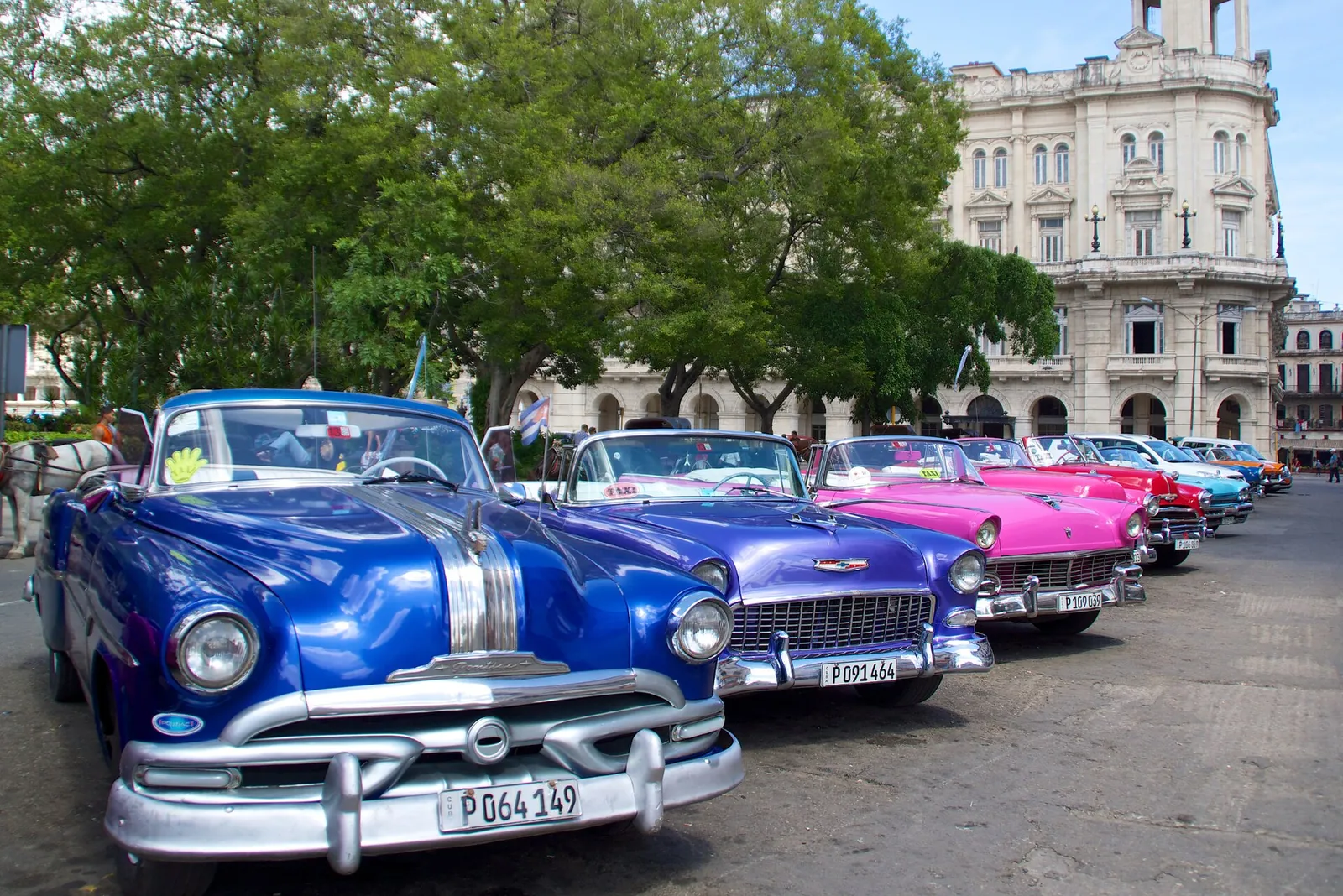
Getting around the city. Old Havana is walkable. For longer trips to Vedado or the forts, ask your accommodation to arrange a driver. GOV.UK warns that private and old classic taxis may not be licensed or have modern safety features, and that tourists have been injured and killed when riding in coco-taxis. We do not recommend coco-taxis. Fuel shortages can also make taxis and buses less predictable, according to the Government of Canada, so build slack into your plans.
Where to stay
We name neighbourhoods, not hotels.
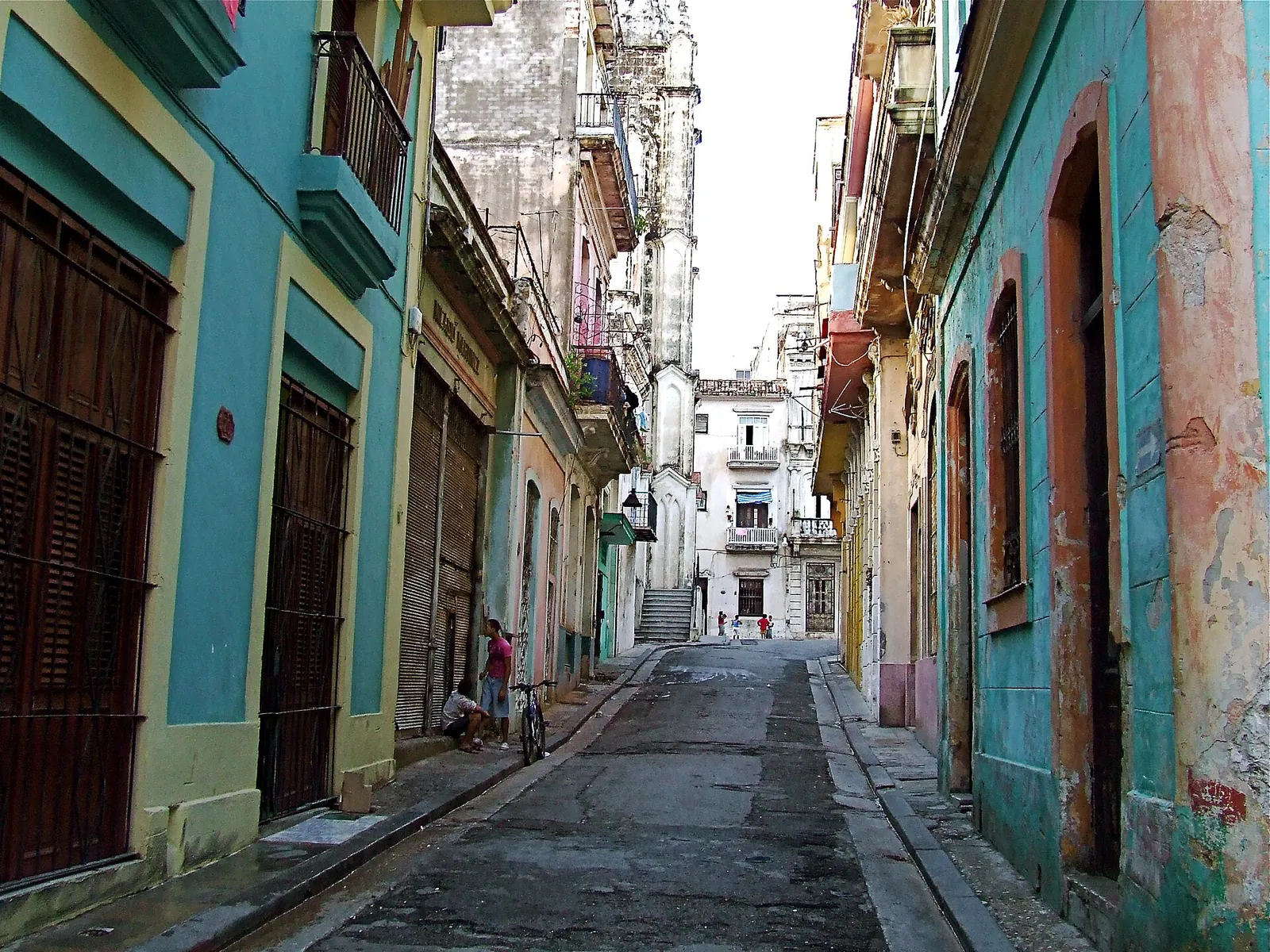
- Old Havana (Habana Vieja). Best for first-timers who want to walk to everything. It is also the area where GOV.UK flags fake taxi drivers and scams, so arrive with a pre-arranged transfer.
- Vedado. Quieter and leafier, with a more residential feel and a good base for evening music. You will need a car for Old Havana.
- Centro Habana. Central and lively, with a more local feel and rougher edges. It suits travellers comfortable with crowds and noise.
- Miramar and the western coast. Calmer, with wide streets. Better for those who value quiet over sightseeing on foot.
Because of electricity and water shortages, ask any host or hotel whether they have a generator and reliable water before you book. The Government of Canada notes that fuel shortages may limit hotel generators.
Budget
We could not confirm prices for sights, meals or transport on an official page today, and Cuba’s money situation is changing quickly, so this table shows what you need to plan for rather than quoting numbers we cannot stand behind.
| Item | What to know |
|---|---|
| Cash for the whole stay | Both GOV.UK and the Government of Canada say to bring enough cash for the entire trip plus an emergency fund |
| Currencies | GOV.UK says US dollars and euros are widely accepted; Canada also recommends USD or euros, with small bills |
| Cards | GOV.UK says international cards such as Visa and Mastercard are no longer accepted and cannot be used at ATMs; Canada gives the date as 6 June 2026 |
| Sights, meals, transfers | Check on the spot or ask your accommodation; we have no verified prices |
| Medical care | GOV.UK says treatment must be paid for up front in foreign currency, most likely USD, and card payments are not accepted |
| Excluded | Flights, accommodation, travel insurance, souvenirs |
Heads-up
Havana can be a joyful trip, but please read this before you book. We take everything below from official government travel advice, last checked on 1 November 2026.
- Government advice. GOV.UK says the FCDO advises against all but essential travel to Cuba. The Government of Canada advises avoiding non-essential travel and says to consider leaving while commercial options remain. Check your own government’s advice too.
- Power cuts. GOV.UK says the national electricity grid has collapsed several times and that further collapses are likely. Canada describes long and unpredictable daily power cuts. Plan for dark evenings: carry a torch and a power bank, and download maps and your D’Viajeros QR code before you go.
- Shortages. GOV.UK reports fuel rationing and says water, medicine and basic goods can be scarce. It suggests conserving fuel, water, food and phone charge. Bring any regular medicines with you, and a letter from your doctor can help, according to GOV.UK.
- Protests. GOV.UK says protests have mostly been peaceful but could escalate. Avoid large gatherings and follow local authorities.
- Payments. International cards do not work, so cash is essential (see Budget).
- Scams. GOV.UK says some criminals pose as tour operators or taxi drivers, at the airport and around Old Havana. It also says that only Cadeca exchange houses are authorised for exchanging money, and that unauthorised exchange can lead to a fine or prison. Do not change money on the street.
- Crime. GOV.UK reports a rise in opportunistic crime, including muggings and burglaries, particularly in Havana, though it says crime remains lower than in the UK. Keep valuables out of sight, and avoid walking alone late at night.
- Taxis and roads. Do not use coco-taxis, and be careful with unlicensed private taxis. If you hire a car, GOV.UK says to avoid driving at night.
- Health. GOV.UK says Havana has better medical facilities than the rest of Cuba but that basic medicines are in short supply and the ambulance service is limited. Mosquito-borne illnesses such as dengue and chikungunya are circulating, so use insect repellent. Get travel insurance that explicitly covers Cuba.
- Hurricane season. GOV.UK says the season runs from June to November, and that heavy rain can cause flash floods. Flights can be delayed or cancelled in extreme weather.
- Drones. GOV.UK says you may not bring drones into Cuba, and they are confiscated on arrival.
Practical tips
- Dress. Light, breathable clothing, sun protection and comfortable walking shoes suit the cobbles and the heat. Some museums and churches may ask for covered shoulders: check on the day.
- Phone and internet. GOV.UK says internet access can sometimes be blocked during times of political tension. Download offline maps and keep copies of key documents. We could not verify SIM or eSIM options on an official source, so check with your carrier.
- Customs. Declare foreign currency over 5,000 US dollars, GOV.UK says. Meat products, milk and fresh produce cannot be brought in, with some exceptions. GPS should be turned off on phones, tablets and laptops, according to the same page.
- Closing days. Many museums close one day a week, and the day varies. Always check before you set out.
- Pace. Build in slack. Between power cuts and transport shortages, doing fewer things well beats a packed schedule.
FAQ
Is Havana safe for tourists right now?
Both the UK and Canadian governments currently advise against non-essential travel. GOV.UK says opportunistic crime is increasing but remains lower than in the UK. Read the Heads-up section and your own government’s advice, and consider whether your trip is essential.
Can I pay by card?
GOV.UK says Visa and Mastercard are no longer accepted and cannot be used at ATMs, and it advises bringing cash for your whole stay plus emergencies. US dollars and euros are widely accepted, according to GOV.UK. Check your own government’s advice, as this changes quickly.
Do I need a form before arrival?
GOV.UK says travellers must complete the online D’Viajeros arrival form before arrival and show the QR code. Use the official D’Viajeros portal, and check your own government’s advice for any other entry document you may need.
Is four days enough?
It is enough for the main areas of the city at an easy pace. Because power cuts and transport can disrupt plans, treat Day 4 as a flexible buffer.
Can I fly in and out without problems?
Not necessarily. GOV.UK says the international airports lack aviation fuel and that several airlines have suspended flights. Check directly with your airline or tour operator, and do not book non-refundable travel without that confirmation.
Can I bring a drone or my regular medicines?
GOV.UK says drones are not allowed. We could not find a medicine-import rule on the pages we opened, so check with the Cuban embassy or your doctor before travelling.
Sources
Prices, hours and rules change. We checked these on 1 November 2026; please confirm on the official page before you book.
Photo credits (12)
- Colourful classic cars lined up by the Capitolio in Havana: Fraganda, CC BY-SA 4.0, via Wikimedia Commons
- Pastel colonial facades around Plaza Vieja, Old Havana: Burkhard Mücke, CC BY-SA 4.0, via Wikimedia Commons
- Golden sunset over the sea from the Malecón: kuhnmi, CC BY 2.0, via Wikimedia Commons
- The domed Capitolio under a bright blue sky: AndyLeungHK, CC0, via Wikimedia Commons
- Pastel houses and a classic car with the Capitolio dome behind: Falkenpost, CC0, via Wikimedia Commons
- The Che Guevara mural on Plaza de la Revolución: isol, CC BY-SA 3.0, via Wikimedia Commons
- Waves crashing over the Malecón sea wall at dusk: Ashu Mathura from Amsterdam, The Netherlands, CC BY-SA 2.0, via Wikimedia Commons
- The Morro lighthouse and fortress walls above the sea: Emmanuel Huybrechts from Laval, Canada, CC BY 2.0, via Wikimedia Commons
- Long stone walls inside La Cabaña fortress: Rob Oo from NL, CC BY 2.0, via Wikimedia Commons
- A row of shiny vintage convertibles in Havana: Antonio Careses, CC BY 3.0, via Wikimedia Commons
- A quiet Old Havana street of turquoise and pastel houses: Libby norman, CC BY-SA 3.0, via Wikimedia Commons
- Rice and beans with chicken on a colourful plate: Rômulo Ferreira, CC BY 2.0, via Wikimedia Commons
More Latin America itineraries
 4 days
4 Days in Mexico City: A Day-by-Day Itinerary
A 4-day Mexico City itinerary: Centro Histórico, Chapultepec and the Anthropology Museum, Teotihuacan, then Coyoacán and Xochimilco.
 4 days
4 Days in Rio de Janeiro: A Day-by-Day Itinerary
A 4-day Rio plan: Christ the Redeemer by train, Sugarloaf, Museu do Amanhã, beaches and metro tips, with fares and hours checked on official sites in Nov 2026.
 4 days
4 Days in Buenos Aires: A Day-by-Day Itinerary
A 4-day Buenos Aires plan: Plaza de Mayo, Teatro Colón, Recoleta, MALBA and the Costanera Sur reserve, with hours and fares checked on official sites in Nov 2026.
This is a researched plan, not a personal trip report. How we research · Affiliate disclosure