
3 Days in the Loire Valley: A Day-by-Day Itinerary
A 3-day Loire Valley itinerary from Tours: Chenonceau, Amboise and Clos Lucé, then Blois and Chambord, then Villandry's gardens and Azay-le-Rideau.
- 🗓️ Trip length
- 3 days
- ☀️ Best time
- April to June, September to October
- 💰 Daily spend
- EUR 45-60 for chateau tickets and local buses (excl. stay, meals, trains and car hire)
- ✅ Facts checked
- 1 November 2026
Get ready for the land of kings, gardens and fairytale towers! The Loire Valley is where French royalty built its Renaissance palaces, and three days is enough to see the most famous of them without turning the trip into a race: Chenonceau arching over the river Cher, the royal château of Amboise and Leonardo da Vinci’s last home, the double-helix staircase of Chambord, the royal apartments of Blois, the formal kitchen gardens of Villandry and the water-framed facade of Azay-le-Rideau.
This plan uses Tours as its base, because it has the best train links in both directions along the river. Each day covers two chateaux, one big and one smaller, with travel time in between. The honest bit up front: the Loire Valley is spread out, and some of the best sights are not on a railway line. A car makes all three days easy. Trains, local buses and the Loire à Vélo cycle route also work, but they need more planning, and in winter some bus links thin out to a few runs a day. Each day below shows both options.
At a glance
| Day | Area | Highlights |
|---|---|---|
| 1 | Chenonceau and Amboise | Chenonceau’s gallery over the Cher, the Château royal d’Amboise above the Loire, Leonardo da Vinci’s Clos Lucé |
| 2 | Blois and Chambord | The royal château of Blois and its staircase, the vast Chambord estate and its double-spiral staircase, optional Son et Lumière in Blois |
| 3 | West of Tours | The gardens and château of Villandry, Azay-le-Rideau on its island in the Indre |
One planning rule before you start: check the season. Chateau hours change several times a year. From 2 November to 18 December 2026, the Château royal d’Amboise closes at lunchtime (12:30 to 2:00 pm), and the Château de Villandry is closed from 12 to 27 November 2026, though its gardens stay open. Summer brings the longest hours and the most bus services, winter the shortest days and the thinnest timetables.
Day 1: Chenonceau and Amboise
Morning
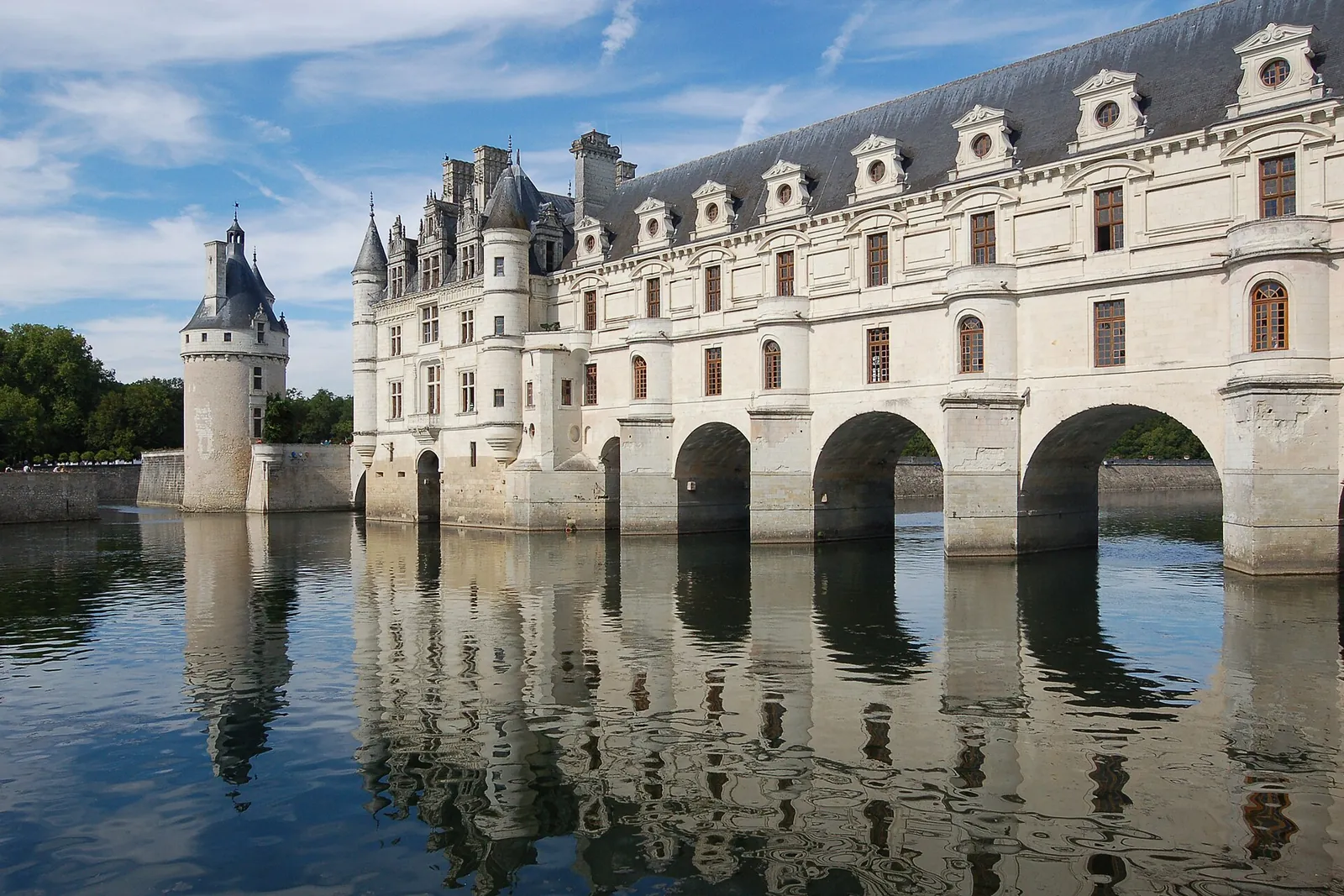
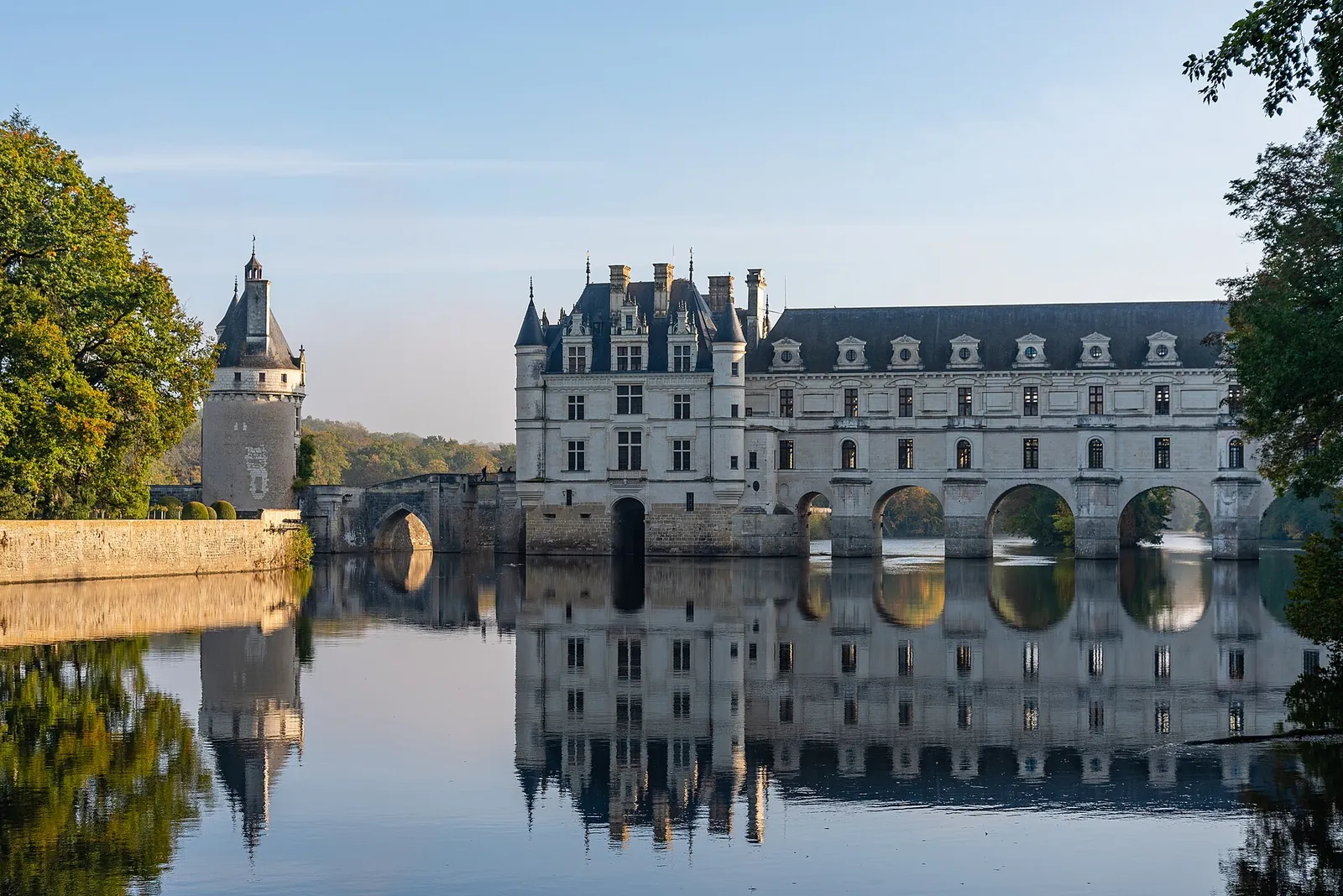
Welcome to the Loire! This is the day for the showstoppers, so start early with the most famous of them all, the Château de Chenonceau, built across the river Cher with a long gallery on arches spanning the water. It is known as the “ladies’ chateau” because of the women who shaped it, from Diane de Poitiers to Catherine de’ Medici.
Without a car, take the TER train from Tours to Chenonceaux: the chateau puts the journey at about 25 minutes and says the station is 400 metres from the ticket office. By car, Chenonceau is about 34 km from Tours.
Chenonceau is open every day of the year. In 2026 the hours are 9:00 am to 6:00 pm from 4 April to 3 July, 9:00 am to 7:00 pm from 4 July to 23 August, 9:00 am to 6:00 pm from 24 August to 27 September, 9:00 am to 5:30 pm from 28 September to 1 November, and mostly 9:30 am to 4:30 pm from 2 November until the Christmas period, with longer hours on some December days. Adult tickets cost EUR 19 with a guide leaflet or EUR 24 with an audioguide; children aged 7 to 18 pay EUR 15, seniors over 65 and students EUR 16, and under-7s go free. Buy on chenonceau.com, the official site. Allow about two hours for the rooms, the gallery and the gardens.
Afternoon
Next up is Amboise, a charming small riverside town dominated by its royal castle. By car it is a short drive. By bike, the France Vélo Tourisme route sheet puts the ride from Amboise to the chateau at 12 km, which is a pleasant half-day leg in good weather. By train there is no direct link, so you usually change in Tours or Saint-Pierre-des-Corps; check SNCF Connect for the day’s connections and allow extra time.
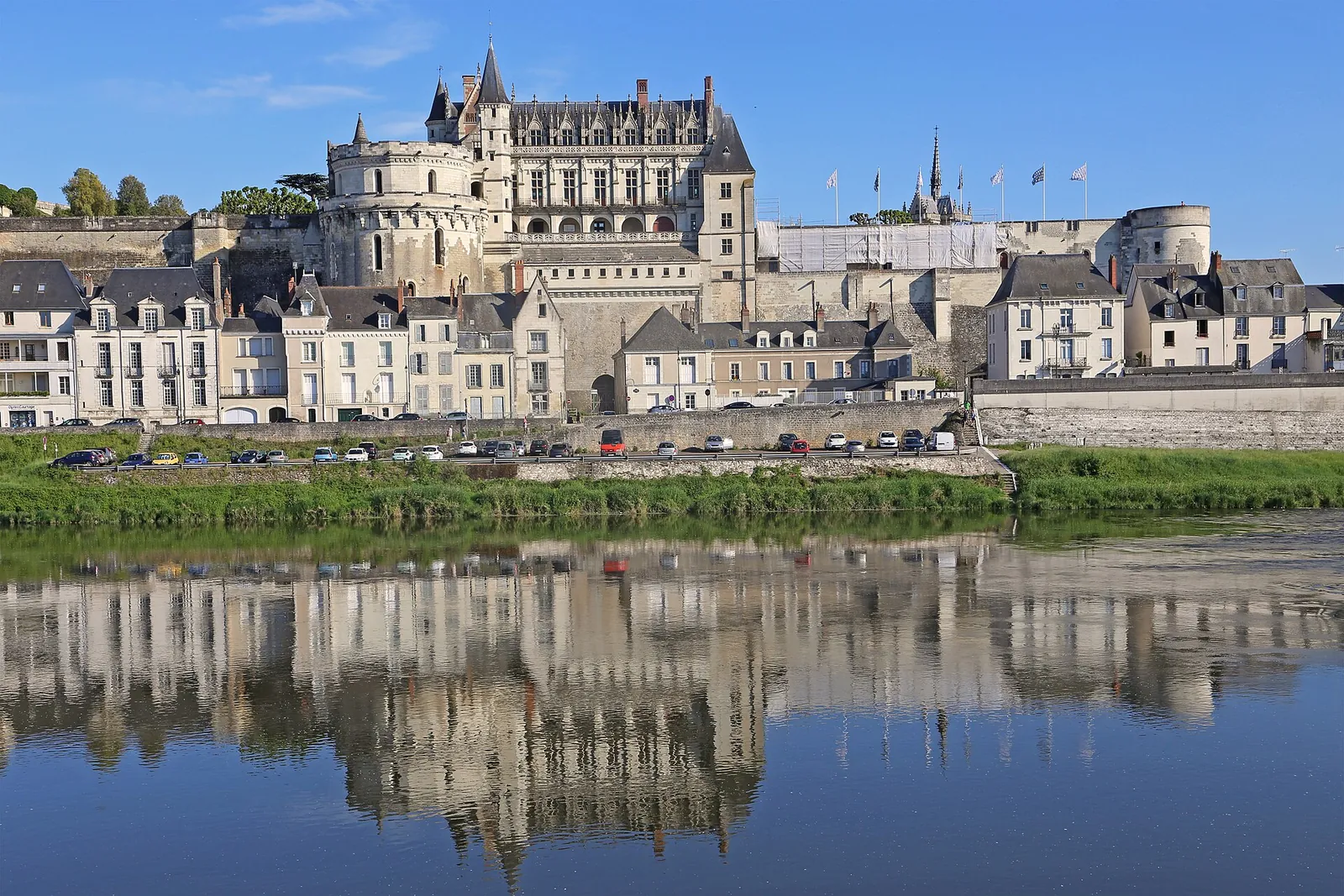
Start at the Château royal d’Amboise, where Charles VIII and Francis I held court and where Leonardo da Vinci is buried in the Chapel of Saint-Hubert. The terraces give one of the best views over the Loire. In 2026 it opens at 9:00 am every day, closing at 7:00 pm in July and August, 6:30 pm in May and June, 6:00 pm in April and September, and 5:30 pm from 1 October to 1 November. From 2 November to 18 December it closes from 12:30 to 2:00 pm and shuts at 5:00 pm. The adult ticket with the HistoPad tablet guide costs EUR 17.30, students pay EUR 14.40, children aged 7 to 18 pay EUR 11, and under-7s are free.
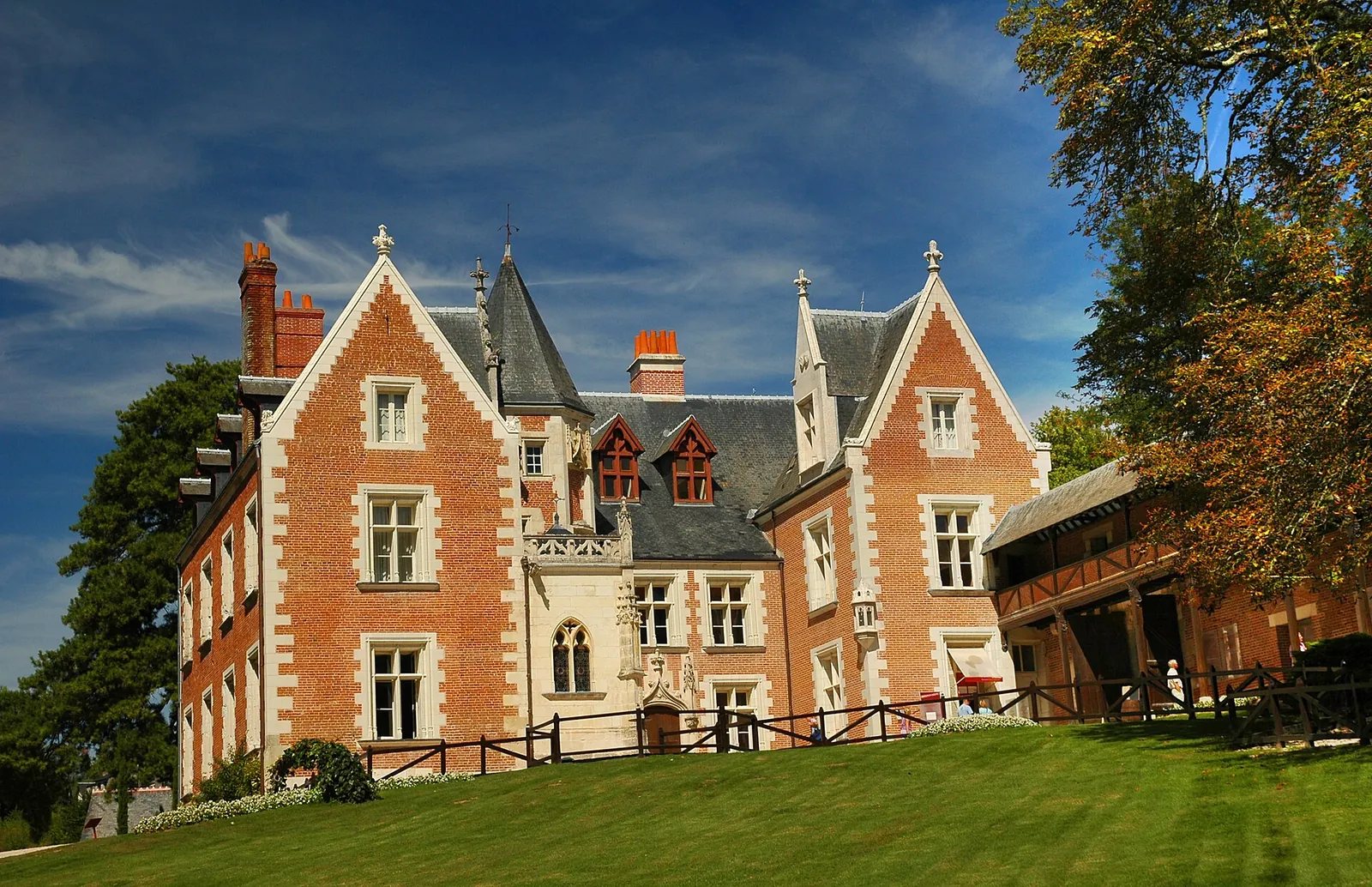
Then walk up the hill to the Château du Clos Lucé, the manor house where Leonardo spent the last years of his life. The house, its park with models of his inventions and the galleries take around two hours. It is open daily except 25 December and 1 January: 9:00 am to 7:00 pm from February to June and in September and October, 9:00 am to 8:00 pm in July and August, 9:00 am to 6:00 pm in November and December, and 10:00 am to 6:00 pm in January. The ticket office closes one hour before the site. Standard admission is EUR 20 for adults, EUR 15 for children aged 7 to 18 and students, and free for under-7s; a family ticket for two adults and two children is EUR 60. During the summer temporary exhibition (6 June to 13 September), adult tickets rise to EUR 25.
Winter tip: if you visit between 2 November and 18 December, do the Château royal in the morning, see Clos Lucé over lunch, and save Chenonceau for the afternoon instead.
Evening
Save your appetite and stay for dinner in Amboise, where the streets below the castle walls are full of restaurants, then head back to Tours by train or car. If you prefer a slower pace, Amboise itself makes a lovely overnight stop.
Day 2: Blois and Chambord
Morning
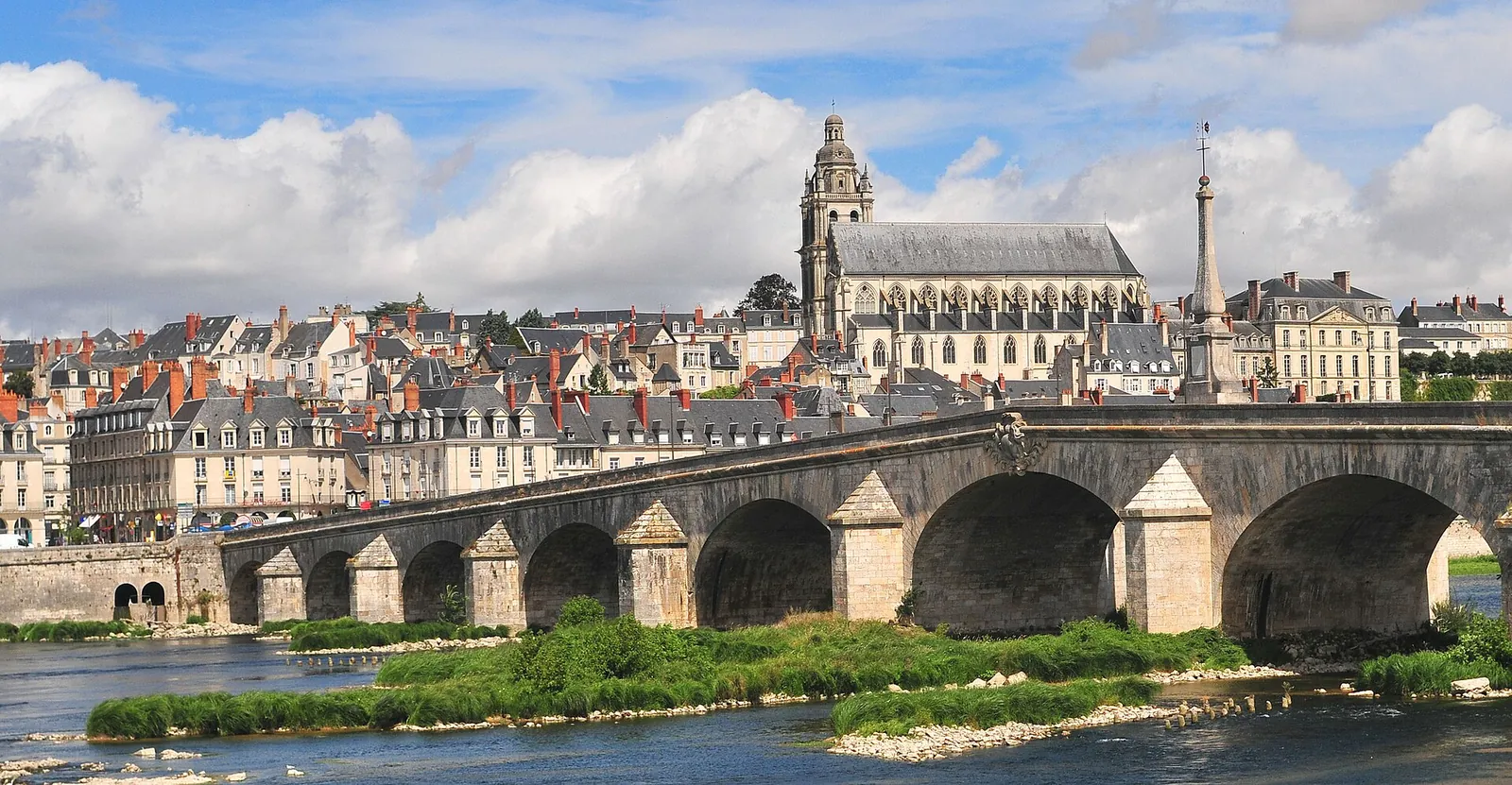
Today is all about royal grandeur. Head east to Blois, on the main Tours to Orléans line. The Château royal de Blois was home to seven kings and ten queens of France, and its wings show four architectural styles around one courtyard, from Gothic to classical. The star is the open spiral staircase of the Francis I wing.
In 2026 the chateau opens 9:00 am to 6:30 pm from 1 April to 30 September, 9:00 am to 6:00 pm from 1 to 16 October, 9:00 am to 6:30 pm from 17 October to 1 November, 10:00 am to 5:00 pm from 2 November to 18 December, and 10:00 am to 6:00 pm from 19 December to 3 January 2027. It is closed on 1 January and 25 December, and last entry is 30 minutes before closing. Tickets cost EUR 16 full, EUR 12 reduced and EUR 8 for ages 6 to 17, with a HistoPad or brochure included; under-6s are free. No timed booking is needed. Combined tickets with the Son et Lumière show or the Maison de la Magie opposite cost EUR 24.
Afternoon
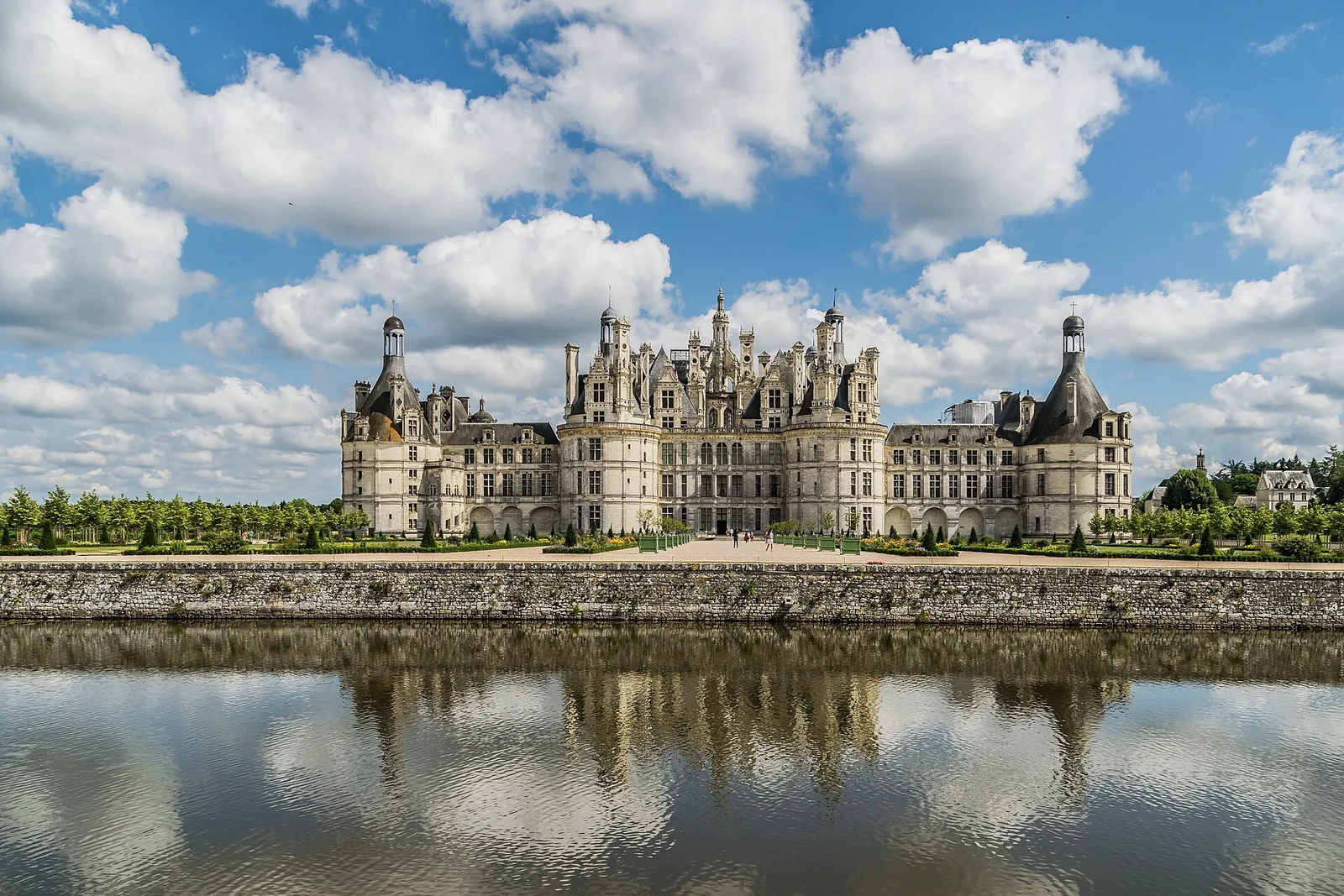
Now for the jaw-dropper, the giant: the Château de Chambord, the largest chateau in the Loire, set in a walled forest estate. Francis I built it as a showpiece, and its famous double-spiral staircase lets two people climb without ever meeting. Go up to the roof terraces for the forest of chimneys and towers.
Getting there is the trickiest part of this plan. By car, Chambord’s site puts it about 25 minutes from Blois. Without a car, Chambord is served by Rémi line 2 from Blois SNCF station towards Lamotte-Beuvron. The chateau lists the fare at EUR 3.30 single or EUR 6.60 return, paid to the driver by card or cash, and the bus carries up to six bikes. Be careful with the timetable: outside summer this is a regular regional line with only a handful of runs, several aimed at school times, and the network switches to a separate summer timetable. Check remi-centrevaldeloire.fr for your date before you commit, and have a taxi as a backup. Cyclists can also use the Loire à Vélo, which crosses the Chambord park for about 6 km, according to the chateau.
Chambord is open every day except 1 January and 25 December. In 2026 the hours are 9:00 am to 6:00 pm from 28 March to 1 November, and 9:00 am to 5:00 pm from 2 November to 18 December. Prices depend on where you live. Since 14 January 2026, an experimental scheme charges EUR 21 for nationals and residents of the European Economic Area and EUR 31 for everyone else (reduced EUR 18.50 and EUR 28.50 with proof). Under-18s, EU citizens under 26 and long-term EU residents aged 18 to 25 enter free. Gardens are included. Allow at least two and a half hours, more if you want to walk or cycle in the estate.
Evening
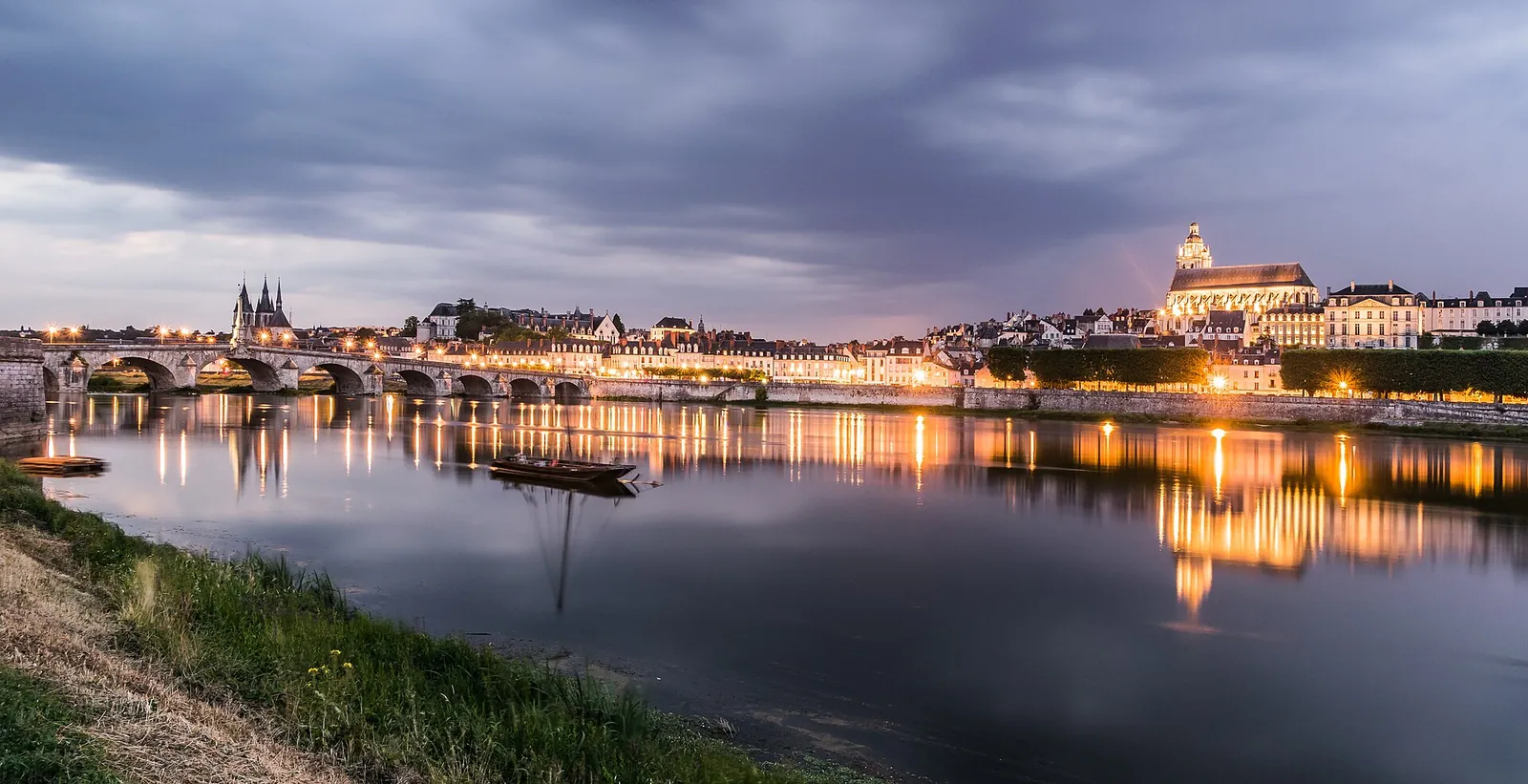
Back in Blois, the magical Son et Lumière show projects the chateau’s history onto the courtyard walls on spring and summer evenings. Tickets cost EUR 13 full, EUR 11 reduced and EUR 8 for ages 6 to 17; the show starts late (around 10:30 pm in summer), so check the dates with the chateau and the last train back to Tours before you book. Outside the season, have dinner in the old town below the castle and take the train back.
Day 3: Villandry and Azay-le-Rideau
Morning
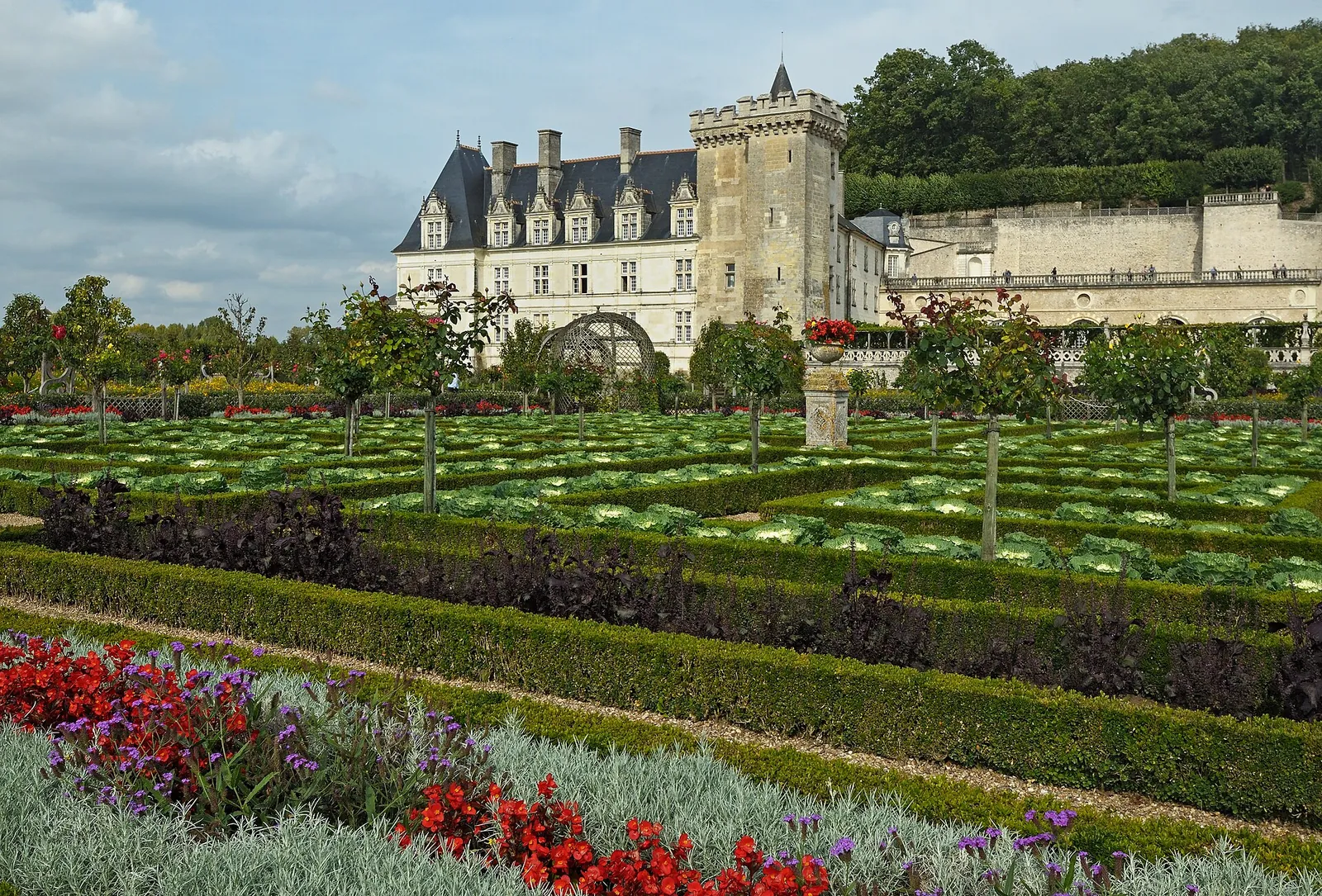
Day three is all about gardens and reflections! Today stays west of Tours. Start at the Château de Villandry, famous above all for its gardens: geometric beds of vegetables, box hedges, a water garden and an ornamental garden laid out in tiers below the castle. The best views are from the belvedere.
By bike, the chateau says Villandry is about 9 miles (around 15 km) from Tours along the Loire à Vélo, which passes about 500 metres from the entrance, and it offers bike parking and left-luggage. By bus, Fil Bleu line 32 runs from Tours to the “Villandry Centre” stop, about 280 metres from the gate; there is also an on-demand minibus (Résabus R5) that you book the day before on filbleu.fr.
The gardens are open every day except 25 December, from 9:00 am to 7:00 pm April to September and with shorter hours in the colder months. The chateau rooms follow their own calendar: 9:00 am to 6:00 pm from April to June and in September, 9:00 am to 6:30 pm in July and August, and closed for winter breaks (in 2026, 5 January to 6 February and 12 to 27 November). Château and gardens cost EUR 14 for adults and EUR 8 for ages 8 to 17 and students under 26; gardens only cost EUR 8.50 and EUR 5.50. Under-8s are free, and an audio guide adds EUR 4.
Afternoon
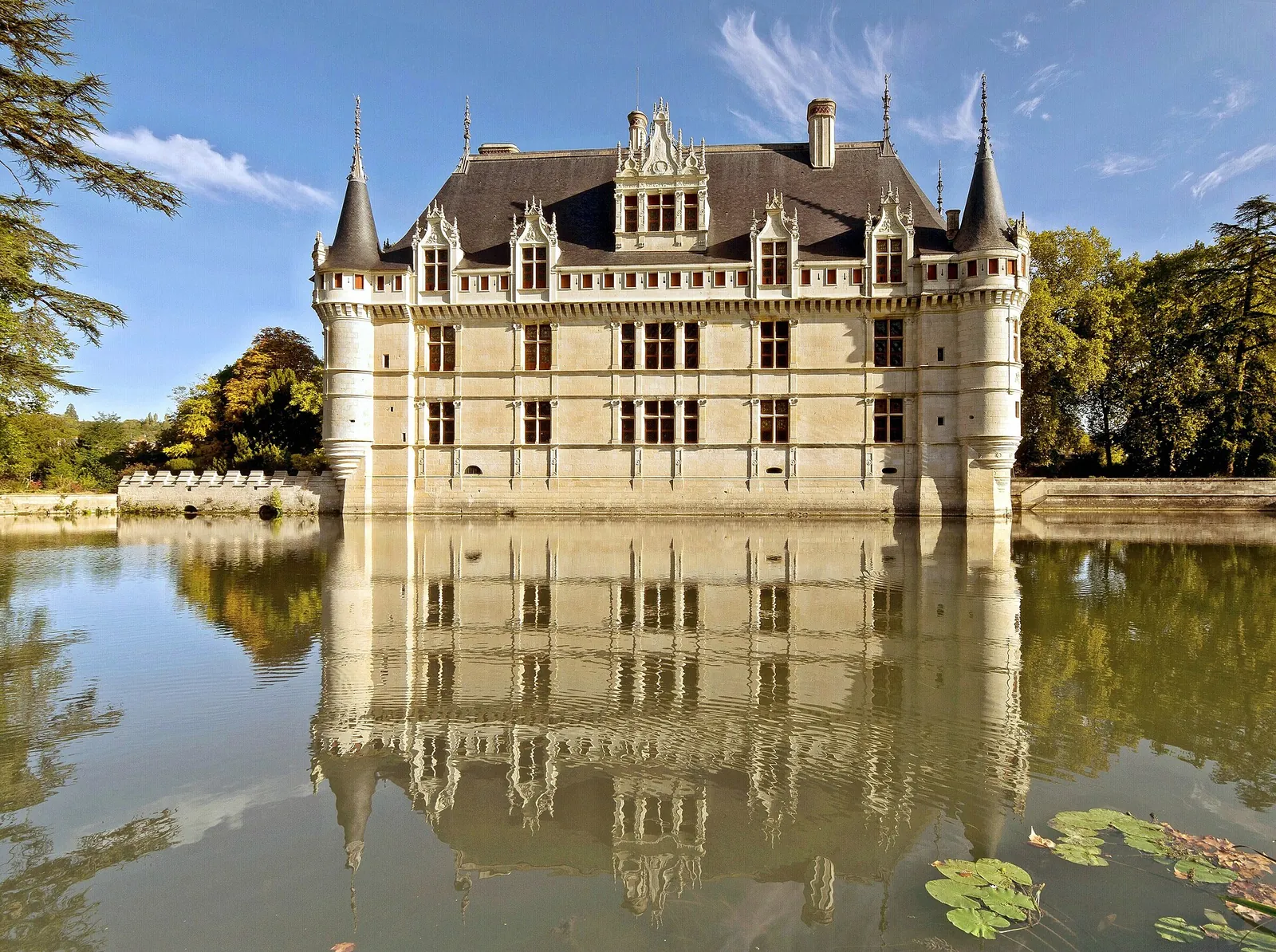
Continue to the lovely Château d’Azay-le-Rideau, a Renaissance gem set on an island in the river Indre, its facade reflected in the water around it. By car it is a short hop from Villandry. Without a car, return to Tours and take the train on the Tours to Chinon line to Azay-le-Rideau; the chateau says the station is about 2.1 km from the castle, so allow a 25 to 30 minute walk.
In 2026 it opens 9:30 am to 6:00 pm from April to June and in September, 9:30 am to 7:00 pm in July and August, and 10:00 am to 5:15 pm from October to March, with last entry one hour before closing. It is closed on 1 January, 1 May and 25 December. Full price is EUR 16 from April to September (check the winter rate on the official site), and with an SNCF ticket under five days old you pay EUR 13 in that period. Entry is free for under-18s and for EU nationals and regular non-European residents of France aged 18 to 25, and for everyone on the first Sunday of January, February, March, November and December.
Evening
Take the train or drive back to Tours for a happy last dinner around Place Plumereau, the old town square lined with half-timbered houses and busy terraces.
Getting there and getting around
From Paris: Tours and Saint-Pierre-des-Corps (the TGV station just outside Tours) have high-speed links from Paris Montparnasse, and Amboise and Blois are on the slower line from Paris Austerlitz. Check SNCF Connect for times and fares.
By car: This is the easiest way to see the Loire in three days. Distances between chateaux are short, most have car parks, and a car lets you combine Chenonceau and Amboise or Villandry and Azay-le-Rideau without backtracking through Tours. Book hire early in summer.
By train and bus: Workable but slower. The TER covers Tours to Chenonceaux (about 25 minutes), Amboise, Blois and Azay-le-Rideau. Chambord depends on Rémi line 2 from Blois station (EUR 3.30 single), and Villandry on Fil Bleu line 32 from Tours. Bus timetables change with the school year and the summer season, so check before every trip and build in a backup.
By bike: The Loire à Vélo is a signed, mostly flat cycle route along the river, and it passes close to Villandry, Amboise and through the Chambord park. Distances on this plan are manageable for regular riders (Amboise to Chenonceau is about 12 km), but doing all six chateaux by bike in three days is too much for most people. A good compromise is to cycle one day (Tours to Villandry, or Amboise to Chenonceau) and use trains or a car for the rest. Bike hire is available in Tours, Amboise and Blois, with e-bikes common.
Where to stay
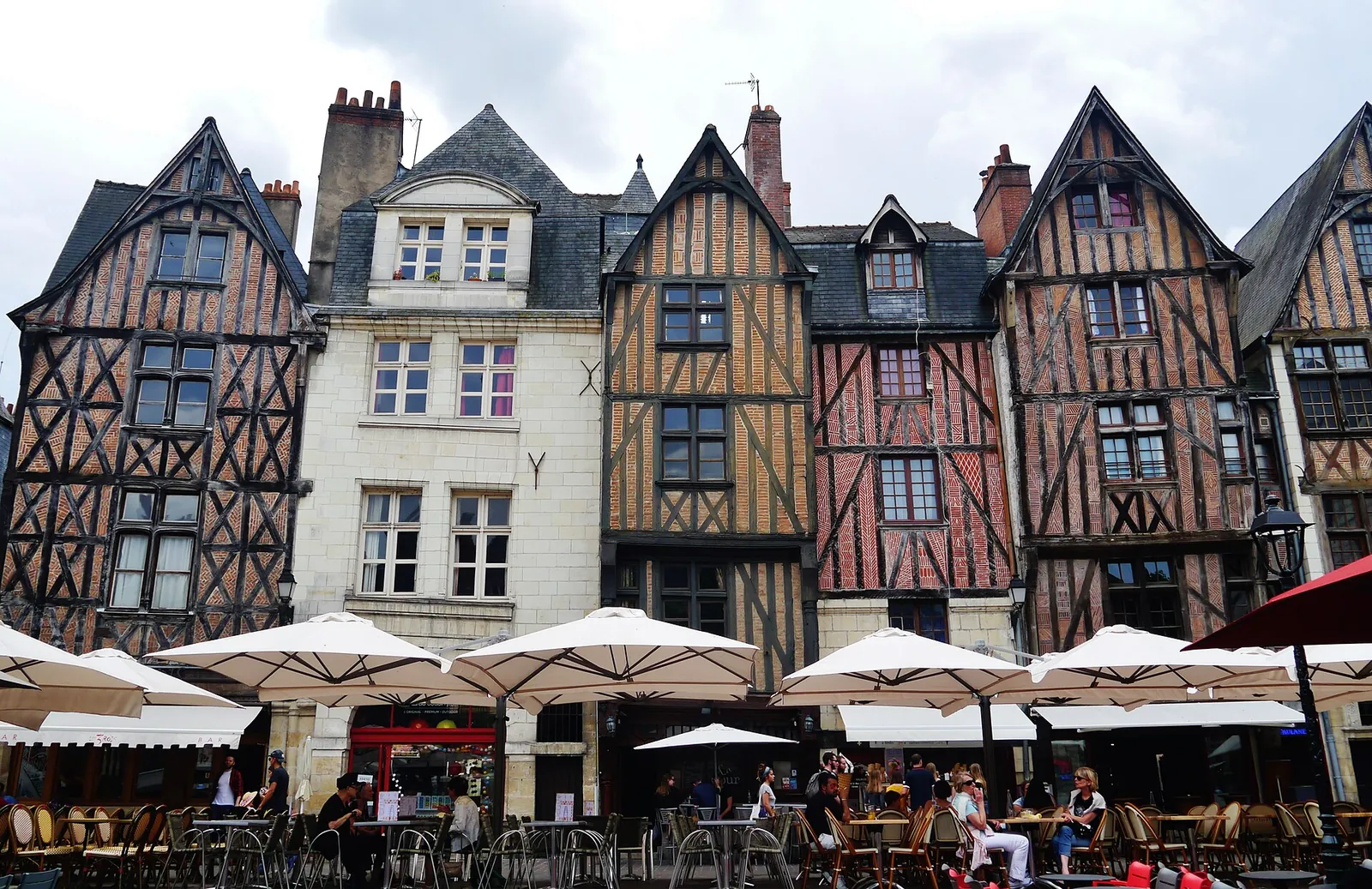
- Tours, around the station and Place Plumereau: The most practical base for this plan, with trains east and west and plenty of restaurants. Good for car-free travellers.
- Amboise: Small, charming and right between Chenonceau and Blois. Ideal if you have a car and want evenings by the river.
- Blois: A good alternative base if you want to spend more time around Chambord and Cheverny. Swap Day 3 for the chateaux east of Blois if you stay here.
Budget
| Item | Typical cost |
|---|---|
| Chenonceau, adult with leaflet / with audioguide | EUR 19 / EUR 24 |
| Château royal d’Amboise with HistoPad, adult | EUR 17.30 |
| Clos Lucé, adult (EUR 25 during the summer exhibition) | EUR 20 |
| Château royal de Blois, adult | EUR 16 |
| Blois Son et Lumière, adult / combined with the chateau | EUR 13 / EUR 24 |
| Chambord, EEA resident / non-EEA visitor | EUR 21 / EUR 31 |
| Villandry, château and gardens / gardens only | EUR 14 / EUR 8.50 |
| Azay-le-Rideau, adult (April to September) | EUR 16 |
| Rémi line 2 Blois to Chambord, single / return | EUR 3.30 / EUR 6.60 |
| TER trains, Fil Bleu bus, car or bike hire | Check SNCF Connect, filbleu.fr and hire firms |
All six chateaux come to about EUR 123 per adult for EEA residents and about EUR 133 for other visitors, before the Son et Lumière and local transport. The daily range in our summary covers chateau tickets and local buses only. It excludes accommodation, meals, drinks, TER and TGV train tickets, car or bike hire, fuel and the overnight tourist tax charged by your accommodation. Under-18s and many young EU visitors get free or reduced entry, so families should check each chateau’s free categories.
Practical tips
- Check hours for your exact dates: Every chateau publishes its own seasonal calendar, and winter brings lunch closures (Amboise) and closed periods (Villandry’s château rooms).
- Buy tickets on official sites: Third-party resellers often add a mark-up, so book on each chateau’s own website.
- Bring proof of residence or age: At Chambord the price depends on whether you live in the EEA, and several chateaux give free entry to young EU visitors.
- Start early: Chenonceau and Chambord are busiest from late morning, especially in July and August.
- Wear good shoes: Chambord’s staircases and roof terraces, Amboise’s ramps and the walk from Azay-le-Rideau station add up.
- SIM and eSIM: EU roaming applies for European SIMs. Other visitors can buy a local SIM or an eSIM before arrival.
- Visa and entry: Rules depend on your nationality. Check the official France-Visas website (france-visas.gouv.fr) well before you travel.
Heads-up
The Loire Valley is calm and safe, but a few things are worth knowing so nothing spoils your trip:
- Pickpockets: The UK government’s travel advice for France warns that thieves often work in pairs, one distracting you while the other takes from your bag, around stations, transport and tourist sites. Keep your bag closed and in front of you, especially on busy trains and at the big chateaux in summer.
- Security: The same advice rates the terrorism threat in France as high and lists crowded places and transport hubs as possible targets. Expect bag checks at chateau entrances and follow staff instructions.
- Strikes: Rail strikes can be called at short notice in France and can disrupt the TER. If your plan depends on trains, check the news the evening before and keep a taxi number handy.
- Car break-ins: Do not leave luggage or valuables visible in parked cars at chateau car parks.
- Emergencies: Call 112 for emergency services.
FAQ
Is 3 days enough for the Loire Valley?
Yes, for the highlights. Three days covers six of the best-known chateaux at two a day. With a fourth day, add Cheverny near Blois or Chaumont-sur-Loire with its garden festival.
Can I visit the Loire chateaux without a car?
Yes, but plan around the timetables. Chenonceau, Amboise, Blois and Azay-le-Rideau are reachable by TER train, Villandry by Fil Bleu bus or bike, and Chambord by Rémi line 2 from Blois station, which runs only a few times a day outside summer. A car saves the most time.
Why does Chambord cost more for some visitors?
Since January 2026, Chambord has trialled a two-tier price: EUR 21 for nationals and residents of the European Economic Area and EUR 31 for other visitors. Under-18s and EU citizens under 26 enter free.
Can I cycle between the chateaux?
The Loire à Vélo route makes short legs easy, such as Amboise to Chenonceau (about 12 km) or Tours to Villandry. Cycling the whole plan in three days is too far for most visitors, so mix bike days with trains or a car.
When is the best time to visit?
Spring (April to June) and early autumn (September to October) bring good weather, long opening hours and fewer crowds than July and August. Winter is quiet and cheaper, but hours are shorter and some sights close for a few weeks.
Sources
Prices, hours and rules change. We checked these on 1 November 2026; please confirm on the official page before you book.
- Opening times 2026 (Château de Chenonceau, official site)
- Ticket prices 2026 (Château de Chenonceau, official site)
- How to get here (Château de Chenonceau, official site)
- Horaires et tarifs 2026 (Château royal d'Amboise, official PDF)
- Access and opening times (Château du Clos Lucé, official site)
- Prices (Château du Clos Lucé, official site)
- Préparer sa visite (Château royal de Blois, official site)
- Opening hours and rates (Domaine national de Chambord, official site)
- Getting to the château (Domaine national de Chambord, official site)
- Rémi line 2 Blois to Lamotte-Beuvron via Chambord, timetable from 3 November 2025 (Rémi Centre-Val de Loire)
- Prices, opening times, how to get there (Château de Villandry, official site)
- Practical information (Château d'Azay-le-Rideau, official site)
- Amboise to Montlouis-sur-Loire stage, La Loire à Vélo (France Vélo Tourisme)
- The châteaux of the Loire Valley by bike (Touraine Val de Loire tourism)
- Safety and security: France travel advice (GOV.UK, FCDO)
Photo credits (12)
- Château de Chenonceau reflected in the river Cher under a blue sky: Wladyslaw (talk), CC BY-SA 3.0, via Wikimedia Commons
- Chenonceau's arches and Marques tower mirrored in the calm Cher: Antoine Montulé, CC BY-SA 4.0, via Wikimedia Commons
- The royal château of Amboise above the Loire on a sunny day: W. Bulach, CC BY-SA 4.0, via Wikimedia Commons
- Clos Lucé, Leonardo da Vinci's red-brick manor in Amboise: Nadègevillain, CC BY-SA 3.0, via Wikimedia Commons
- Blois old town and its stone bridge over the Loire: Mike McBey, CC BY 2.0, via Wikimedia Commons
- Chambord's towers and chimneys reflected in the water: Krzysztof Golik, CC BY-SA 4.0, via Wikimedia Commons
- Blois glowing along the Loire at dusk: Krzysztof Golik, CC BY-SA 4.0, via Wikimedia Commons
- Flower beds and kitchen gardens in front of Château de Villandry: Ввласенко, CC BY-SA 3.0, via Wikimedia Commons
- Azay-le-Rideau reflected in the river Indre: Rolf Kranz, CC BY-SA 4.0, via Wikimedia Commons
- Bikes lined up by flower boxes in a Loire Valley village: Cjp24, CC BY-SA 4.0, via Wikimedia Commons
- Half-timbered houses and café terraces on Place Plumereau, Tours: Zairon, CC BY-SA 4.0, via Wikimedia Commons
- Sainte-Maure-de-Touraine goat cheese on a slate board: Coyau, CC BY-SA 3.0, via Wikimedia Commons
More France itineraries
 3 days
3 Days in Nice and the French Riviera: Itinerary
A 3-day Nice itinerary: Old Town and Castle Hill, Matisse and Chagall in Cimiez, Villefranche, then Èze and Monaco by bus and train.
 3 days
3 Days in Paris: A Day-by-Day Itinerary
A 3-day Paris itinerary: Notre-Dame and Sainte-Chapelle, the Louvre, the Arc de Triomphe, the Eiffel Tower and Montmartre.
 3 days
3 Days in Lyon: A Day-by-Day Itinerary
A 3-day Lyon itinerary: Vieux Lyon traboules and Fourvière hill, the Presqu'île and Croix-Rousse, then Les Halles, Tête d'Or park and Confluences.
Compare all France itineraries →
This is a researched plan, not a personal trip report. How we research · Affiliate disclosure