
8 Days in Rome, Florence and Venice: A Day-by-Day Itinerary
An 8-day Italy plan: 3 days of ancient Rome and the Vatican, 3 days of Florence's art, then 2 days on Venice's canals, linked by fast trains.
- 🗓️ Trip length
- 8 days
- ☀️ Best time
- April to June and September to October
- 💰 Daily spend
- EUR 25-60 for sights and local transport, plus trains, rooms and meals
- ✅ Facts checked
- 18 November 2026
Get ready for the classic Italian journey: ancient ruins and baroque piazzas in Rome, Renaissance masterpieces in Florence and a city built on water in Venice. Fast trains link all three, so you spend your time exploring rather than travelling, and each city gets enough days to enjoy at an easy pace.
This plan suits first-time visitors to Italy who want the big highlights with time left for long lunches and evening strolls. You get three days in Rome, a morning train to Florence on Day 4, two and a half days there, and a final train to Venice for Days 7 and 8. A few museums close on Mondays or Sundays, so we’ve arranged the days around that; check your start day against the notes below.
At a glance
| Day | Area | Highlights |
|---|---|---|
| 1 | Rome: ancient city | Colosseum, Roman Forum, Palatine Hill |
| 2 | Rome: Vatican | Vatican Museums, Sistine Chapel, St Peter’s Basilica |
| 3 | Rome: centro storico | Pantheon, Trevi Fountain, Galleria Borghese |
| 4 | Train to Florence | Duomo square, Palazzo Vecchio, Piazza della Signoria |
| 5 | Florence: the Uffizi | Uffizi Gallery, the Arno, Ponte Vecchio |
| 6 | Florence: Oltrarno | Pitti Palace, Boboli Gardens, Piazzale Michelangelo |
| 7 | Train to Venice | Grand Canal by vaporetto, Doge’s Palace, St Mark’s Square |
| 8 | Venice: hidden corners | Rialto, Cannaregio, quiet canals |
Day 1: Ancient Rome
Morning
Start with Rome’s most famous monument. The 24h ticket for the Colosseum, Roman Forum and Palatine costs EUR 18 (EUR 2 for EU citizens aged 18 to 24). Booking a timed Colosseum slot is mandatory, sales open 30 days before your visit, and every ticket is in your name, so bring photo ID. From 25 October 2026 to 28 February 2027 the Colosseum opens 8:30 to 16:30, with last entry at 15:30; the Forum and Palatine area opens at 9:00.
Afternoon
Use the same ticket for the Roman Forum and the Palatine Hill, where emperors once lived. The ticket allows one entry to the Forum and Palatine within the 24-hour window, so you can take your time and break for lunch.
Evening
Walk up to Piazza Venezia and the Capitoline Hill for golden-hour views over the Forum, then head to Monti for dinner.
Day 2: The Vatican
Morning
Go early to the Vatican Museums, home of the Sistine Chapel. A full ticket is EUR 20, plus EUR 5 for skip-the-line online booking on the only official site, tickets.museivaticani.va (the museums warn about lookalike sites). They open Monday to Saturday, 8:00 to 20:00 (last entry 18:00). On Sundays they are closed, except the last Sunday of the month, when entry is free from 9:00 to 14:00 and queues are long. Plan this day for Monday to Saturday.
Afternoon
Walk round to St Peter’s Basilica, open 07:00 to 19:00 from 26 October 2026 to 28 March 2027. The dome climb opens 7:30 to 17:00 in the winter months, with a lift option or stairs only; check prices and book on the basilica’s official site. Dress modestly, covering shoulders and knees.
Evening
Cross the Tiber to Trastevere for a lively evening of cobbled lanes and trattorias.
Day 3: Pantheon, Trevi and the Borghese
Morning
Start at the Pantheon, the best-preserved building of ancient Rome. Tickets cost EUR 7 (EUR 2 for ages 18 to 25, free under 18), and it opens daily 9:00 to 19:00 (last entry 18:30). Booking is optional. From there it’s a short walk to Piazza Navona and the Trevi Fountain, beautiful early before the crowds.
Afternoon
Book a slot at the Galleria Borghese for Bernini’s breathtaking sculptures and Caravaggio’s paintings. Tickets cost EUR 18 (EUR 13 for the last shift), and visits run in timed shifts of up to two hours. It’s open Tuesday to Sunday, 9:00 to 19:00 (last entry 17:45) and closed on Mondays. Tickets are in your name, and only small bags (up to 21 x 15 cm) are allowed inside.
Evening
Stroll through the Borghese Gardens to the Pincio terrace for sunset over Piazza del Popolo.
Day 4: Train to Florence
Morning
Take a fast train from Rome to Florence. Italo lists Rome to Florence in about 1 hour 30 minutes. Book on the Italo or Trenitalia official sites; booking ahead usually gets better fares.
Afternoon
Drop your bags and head for Piazza del Duomo, with the cathedral, Giotto’s bell tower and the Baptistery. Climbing the dome or the bell tower requires a pass booked on the official Duomo ticket site; check prices and times there. Continue to Piazza della Signoria and the Palazzo Vecchio: the museum costs EUR 18 (EUR 12 reduced, under 18 free), open 9:00 to 19:00 except Thursday (9:00 to 14:00), with last tickets one hour before closing.
Evening
Walk to the Arno for sunset over the Ponte Vecchio, then enjoy a Florentine dinner.
Day 5: The Uffizi and the Arno
Morning
Spend the morning at the Uffizi Gallery, with Botticelli, Leonardo, Michelangelo and Raphael. A single ticket costs EUR 25 on the day or EUR 29 when bought in advance (the advance rate secures your time). The Uffizi opens Tuesday to Sunday, 8:15 to 18:30 (ticket office closes 17:30) and is closed on Mondays. If you’ll also see Pitti and Boboli, the PassePartout 5 Days at EUR 40 covers all three.
Afternoon
Visit the Galleria dell’Accademia to see Michelangelo’s David; check hours and book on its official site. Then wander towards San Lorenzo and the Central Market for an afternoon snack.
Evening
Cross the river to Santo Spirito, a relaxed square with local bars and restaurants.
Day 6: Oltrarno, Pitti and the best view in town
Morning
Spend the morning at the Pitti Palace (EUR 16 on the day, EUR 19 in advance) and its Boboli Gardens (EUR 10 on the day, EUR 13 in advance), or buy the Pitti and Boboli combined ticket (EUR 22 / EUR 25).
Afternoon
Explore the artisan workshops of the Oltrarno, then climb up to Piazzale Michelangelo.
Evening
Stay at Piazzale Michelangelo for sunset: the whole city glows below you. Walk back down for your last Florentine dinner.
Day 7: Train to Venice
Morning
Take the train from Florence to Venice. Italo lists Florence to Venice in about 2 hours 15 minutes. Get off at the island station (Venezia Santa Lucia), not at Mestre on the mainland.
Afternoon
Buy a vaporetto pass and ride a waterbus along the Grand Canal to St Mark’s Square: it’s the best introduction to Venice. Visit the Doge’s Palace, open 9:00 to 18:00 from November to March (last entry 17:00). Check ticket prices and book on the official MUVE site. Visit St Mark’s Basilica next door; check entry times, prices and dress rules on its official site and dress modestly.
Before your trip, check whether the Venice access fee for day-trippers applies on your dates on the official city site (overnight guests have their own rules there).
Evening
Wander away from St Mark’s into the quieter lanes of Castello for dinner.
Day 8: Rialto and Cannaregio
Morning
Visit the Rialto Market in the morning, then cross the Rialto Bridge.
Afternoon
Explore Cannaregio, a lived-in neighbourhood of canals, bridges and small bars. Get lost on purpose: it’s the best way to see Venice.
Evening
Head to the airport or station, or enjoy a final sunset over the lagoon.
Getting there and getting around
Rome airport. The Leonardo Express runs non-stop from Fiumicino to Roma Termini in 32 minutes, every 15 minutes, for EUR 14. City public transport tickets are not valid on it.
Around Rome. A BIT ticket costs EUR 1.50 and is valid for 100 minutes (one metro ride). ATAC also sells 24-hour (EUR 8.50), 48-hour (EUR 15) and 72-hour (EUR 22) tickets for unlimited rides within Rome. Validate every ticket before you travel; the UK government warns of on-the-spot fines.
Trains between the cities. Italo lists Rome to Florence in about 1 hour 30 minutes, Florence to Venice in about 2 hours 15 minutes, and Rome to Venice in about 4 hours. Book on the Italo or Trenitalia official sites.
Florence. The centre is walkable. A city bus ticket costs EUR 2 and is valid for 90 minutes in Florence. The T2 tram links the airport with the city centre in about 20 minutes, from 05:00.
Venice. A single vaporetto ticket costs EUR 9.50 (75 minutes), so passes quickly pay off: 1 day EUR 25, 2 days EUR 35, 3 days EUR 45. Airport transfers are an add-on to the pass (+EUR 7 one way, +EUR 13 return), bought at the same time.
Where to stay
Rome: Monti or the area around Termini for easy transport; the centro storico or Trastevere for atmosphere. Florence: Santa Maria Novella for the station; Santa Croce or Oltrarno for a quieter, more local feel. Venice: Cannaregio for calm and good value; San Marco and Castello to be close to the main sights.
Budget
| Item | Typical cost |
|---|---|
| Colosseum, Forum and Palatine (24h) | EUR 18 |
| Vatican Museums (+ online booking) | EUR 20 + EUR 5 |
| Pantheon | EUR 7 |
| Galleria Borghese | EUR 18 |
| Rome 72-hour transport ticket | EUR 22 |
| Leonardo Express (Fiumicino to Termini) | EUR 14 |
| Uffizi (on the day / in advance) | EUR 25 / EUR 29 |
| Uffizi, Pitti and Boboli PassePartout (5 days) | EUR 40 |
| Palazzo Vecchio museum | EUR 18 |
| Florence city bus | EUR 2 |
| Venice vaporetto 2-day pass | EUR 35 |
Sights and local transport come to roughly EUR 25-60 per person per day. Excluded: flights, the trains between cities, accommodation, meals, city tourist taxes (usually paid at the hotel), and tickets we couldn’t confirm today (St Peter’s dome, Duomo passes, Accademia, Doge’s Palace, St Mark’s Basilica, the Venice access fee).
Practical tips
- Closing days. Vatican Museums: Sundays (except the last Sunday). Uffizi and Galleria Borghese: Mondays. Palazzo Vecchio: short hours on Thursdays.
- Book ahead. Colosseum slots, the Vatican Museums, the Borghese and the Uffizi are much easier with advance tickets.
- Carry ID. Colosseum and Borghese tickets are in your name, and the UK government advises carrying photo ID at all times.
- Dress for churches. Cover shoulders and knees at St Peter’s, St Mark’s and other churches.
- Entry rules. Italy is in the Schengen area. Check visa requirements for your nationality on Italy’s official visa portal before you travel.
Heads-up
- Pickpockets. The UK government notes higher levels of petty crime, especially bag-snatching and pickpocketing, in city centres and at major sights. Keep valuables close and don’t carry them all together.
- Fines for behaviour. Sitting on monument steps, eating or drinking next to main churches, and stepping into public fountains can be fined, and the UK government names Florence and Rome specifically.
- Validate tickets. Unvalidated public transport tickets mean on-the-spot fines.
- Licensed taxis only. Use official taxis with a roof sign, or book by phone or app.
- Street traders. Buying from unlicensed street sellers can get you fined.
- Strikes. Transport and museum strikes happen at short notice; check the operators’ sites before travel days.
FAQ
Is 8 days enough for Rome, Florence and Venice?
Yes, for a first visit. Three days in Rome, about two and a half in Florence and two in Venice covers the essentials at a comfortable pace.
How do I travel between the three cities?
By fast train. Italo lists about 1 hour 30 minutes from Rome to Florence and about 2 hours 15 minutes from Florence to Venice.
Do I need to book the Colosseum in advance?
Yes. A timed Colosseum slot is mandatory, tickets are in your name, and sales open 30 days before your visit.
Which days should I avoid for the big museums?
Sundays for the Vatican Museums (except the last Sunday of the month) and Mondays for the Uffizi and the Galleria Borghese.
Is a Venice vaporetto pass worth it?
Usually yes. A single ride costs EUR 9.50, while a 1-day pass costs EUR 25 and a 2-day pass EUR 35.
Do I have to pay to enter Venice?
Day-trippers may have to pay an access fee on certain dates. Check the official city site for your dates; overnight guests follow separate rules there.
Sources
Prices, hours and rules change. We checked these on 18 November 2026; please confirm on the official page before you book.
- Parco archeologico del Colosseo: Orari e biglietti
- Parco archeologico del Colosseo: 24h Colosseo, Foro Romano, Palatino
- Vatican Museums: Tickets and fares
- Vatican Museums: Opening hours
- St Peter's Basilica: Opening hours
- Ministero della Cultura: Pantheon
- Galleria Borghese: Visita
- ATAC: BIT and Rome tourist tickets
- Trenitalia: Leonardo Express
- Italo: Home (journey times between cities)
- Gallerie degli Uffizi: Tickets and fares
- Gallerie degli Uffizi: The Uffizi (hours)
- Musei Civici Fiorentini: Palazzo Vecchio, orari e biglietti
- Autolinee Toscane: Urban ticket, Florence
- Gest Tramvia: Airport tram
- AVM Venezia: Urban fares and tourist travel cards
- Palazzo Ducale (MUVE): Biglietti e orari
- UK FCDO: Italy travel advice, safety and security
More Italy itineraries
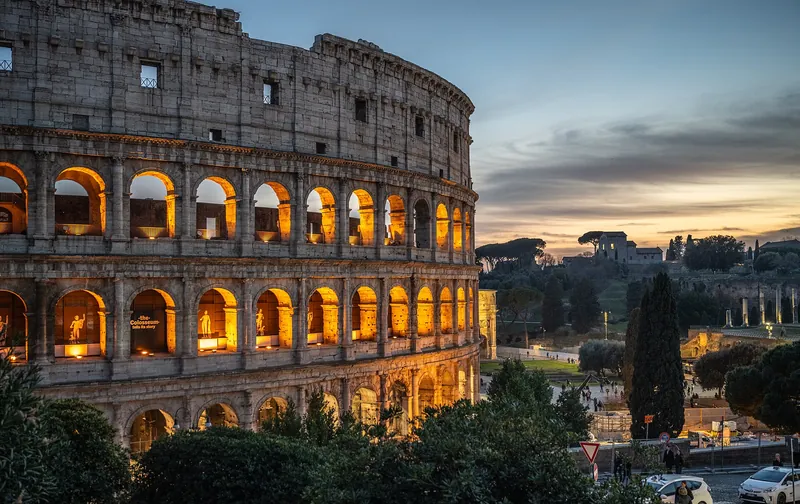 7 days
7 Days in Rome: Itinerary with Ostia, Tivoli and Orvieto
A 7-day Rome itinerary: Colosseum, Vatican, Pantheon and Borghese, plus day trips to Ostia Antica, Tivoli's villas and Orvieto.
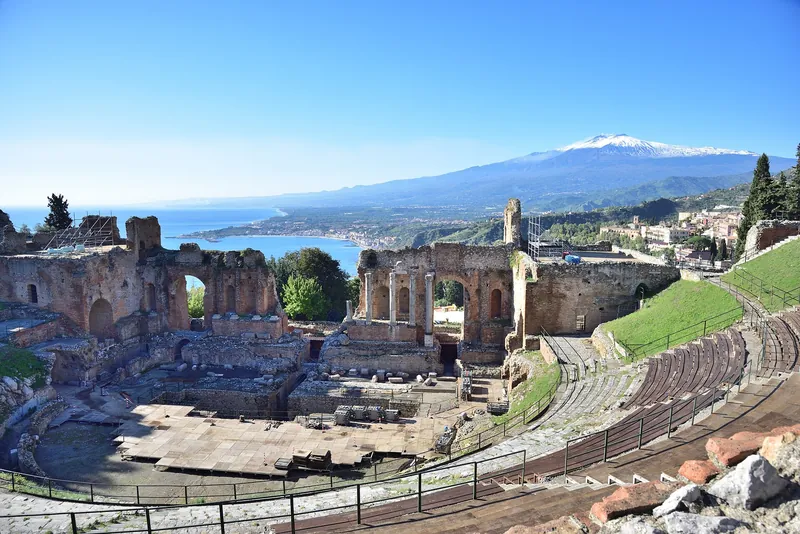 7 days
7 Days in Sicily: A Day-by-Day Itinerary by Train
A 7-day Sicily itinerary from Palermo to Taormina via Cefalù, Agrigento and Siracusa, with checked ticket prices, train times and booking tips.
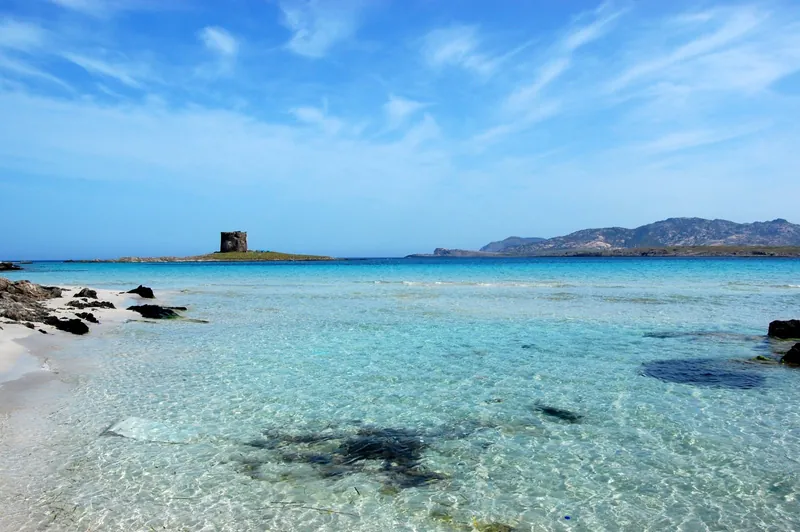 6 days
6 Days in Sardinia: A Road-Trip Itinerary from Cagliari to Alghero
A 6-day Sardinia road trip: Cagliari, Nora, the Su Nuraxi nuraghe, Tharros and the Sinis coast, Bosa, Alghero, Neptune's Grotto and La Pelosa beach.
Compare all Italy itineraries →
This is a researched plan, not a personal trip report. How we research · Affiliate disclosure