
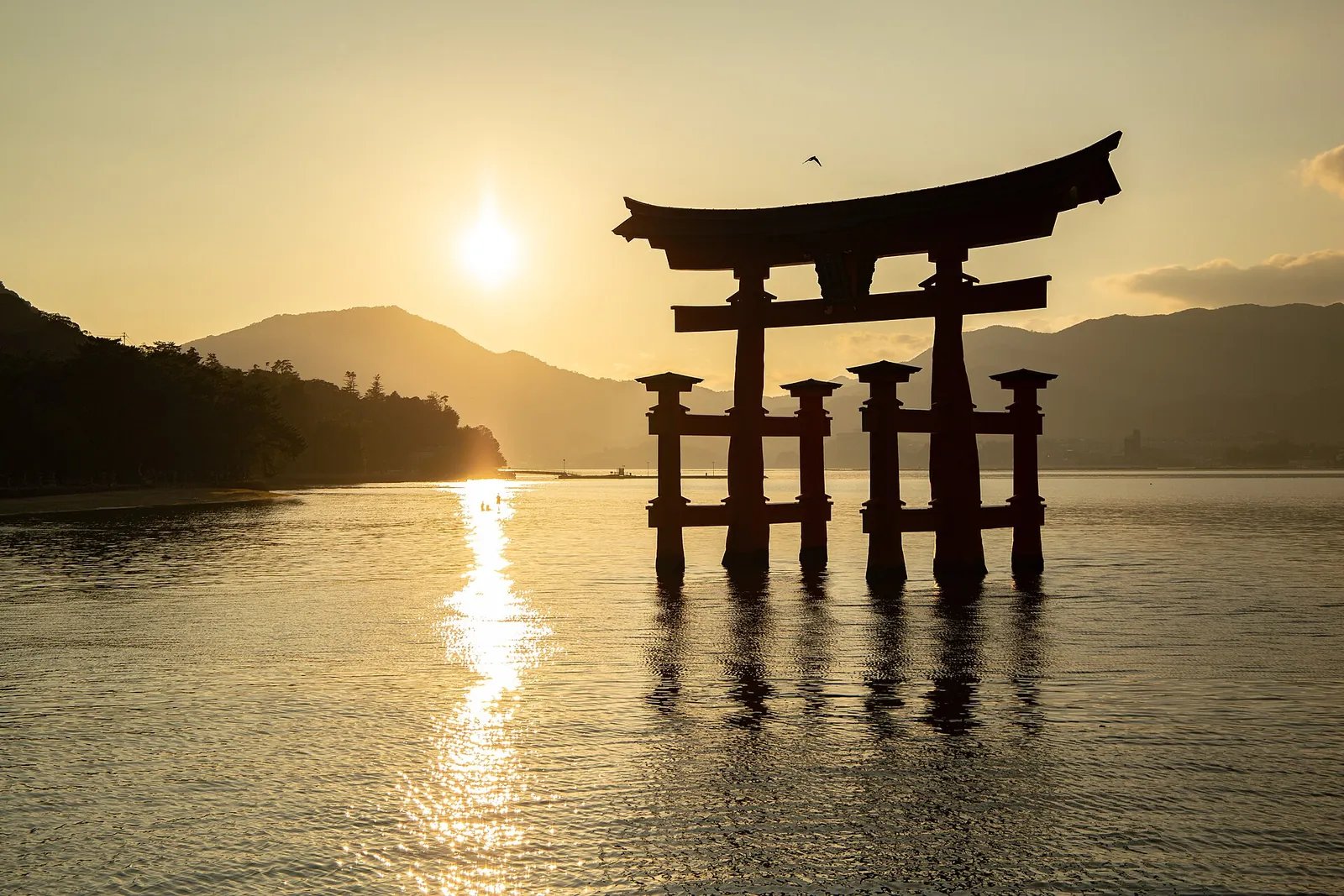
2 Days in Hiroshima and Miyajima: A Day-by-Day Itinerary
A 2-day Hiroshima and Miyajima itinerary: the Peace Memorial Park and Museum, Shukkeien garden and the castle grounds, then Itsukushima Shrine and Mount Misen.
- 🗓️ Trip length
- 2 days
- ☀️ Best time
- March to May and October to November
- 💰 Daily spend
- JPY 1,000-4,000 for sights, ferries and local transport (excl. stay and meals)
- ✅ Facts checked
- 1 November 2026
Get ready for two unforgettable days: one of the most moving journeys in Japan, followed by one of its most beautiful. The city that was destroyed by the atomic bomb on 6 August 1945 is today a green, lively place of rivers, trams and excellent food, with the Peace Memorial Park at its heart. Just offshore, the island of Miyajima offers the famous great torii gate rising from the sea, wandering deer, forested mountain trails and grilled oysters on every corner.
This plan is perfect for first-time visitors who want the essentials without rushing. Day 1 is Hiroshima itself: the Peace Memorial Park and Museum in the morning, then a calmer afternoon in the Shukkeien garden and the castle grounds. Day 2 is Miyajima, with Itsukushima Shrine and a ride up Mount Misen. Prices are in Japanese yen (JPY) and were checked on official sites on 1 November 2026.
At a glance
| Day | Area | Highlights |
|---|---|---|
| 1 | Central Hiroshima | Peace Memorial Park, Atomic Bomb Dome, Peace Memorial Museum, Shukkeien garden, Hiroshima Castle grounds, okonomiyaki dinner |
| 2 | Miyajima island | Ferry past the great torii, Itsukushima Shrine, Omotesando shopping street, Mount Misen by ropeway, evening torii views |
One planning note before you start: the Hiroshima Castle main keep is closed. The castle’s official site says the concrete keep, rebuilt in 1958, closed in March 2026 because of concrete deterioration and ageing facilities. You can still admire it from outside, and the reconstructed Ninomaru buildings and the grounds stay open. Older guides that list a keep ticket and museum are out of date.
Day 1: Peace Memorial Park, Shukkeien and the castle grounds
Today is about the heart of Hiroshima: a deeply moving morning, then a green, peaceful afternoon among gardens and moats.
Morning
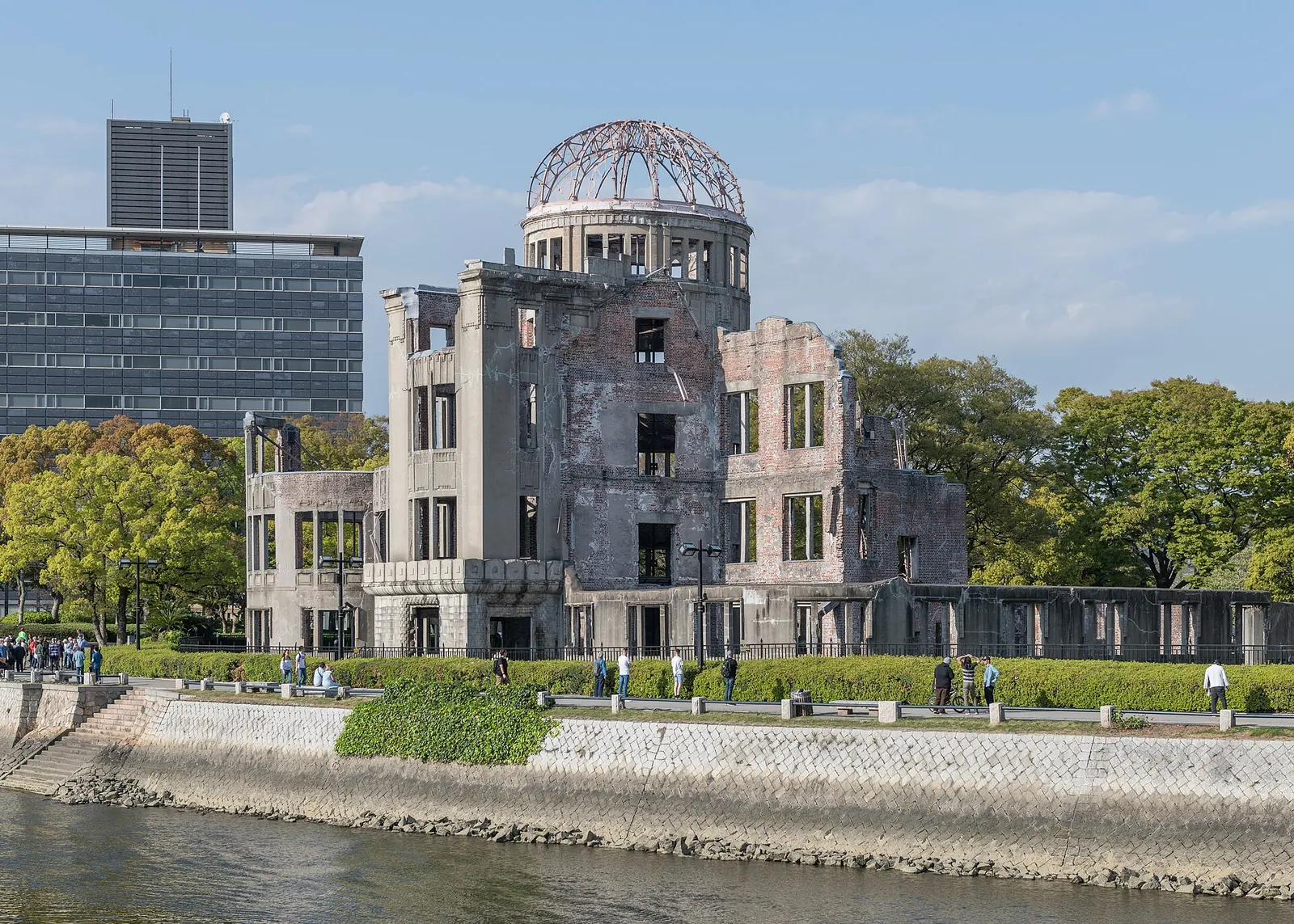
Start at the Atomic Bomb Dome (Genbaku Dome), the skeletal ruin of the former Hiroshima Prefectural Industrial Promotion Hall, now a UNESCO World Heritage Site. It stands on the riverbank opposite the park and is viewed from outside only, free and at any hour. The Hiroden tram stop Genbaku Dome-mae is right beside it.
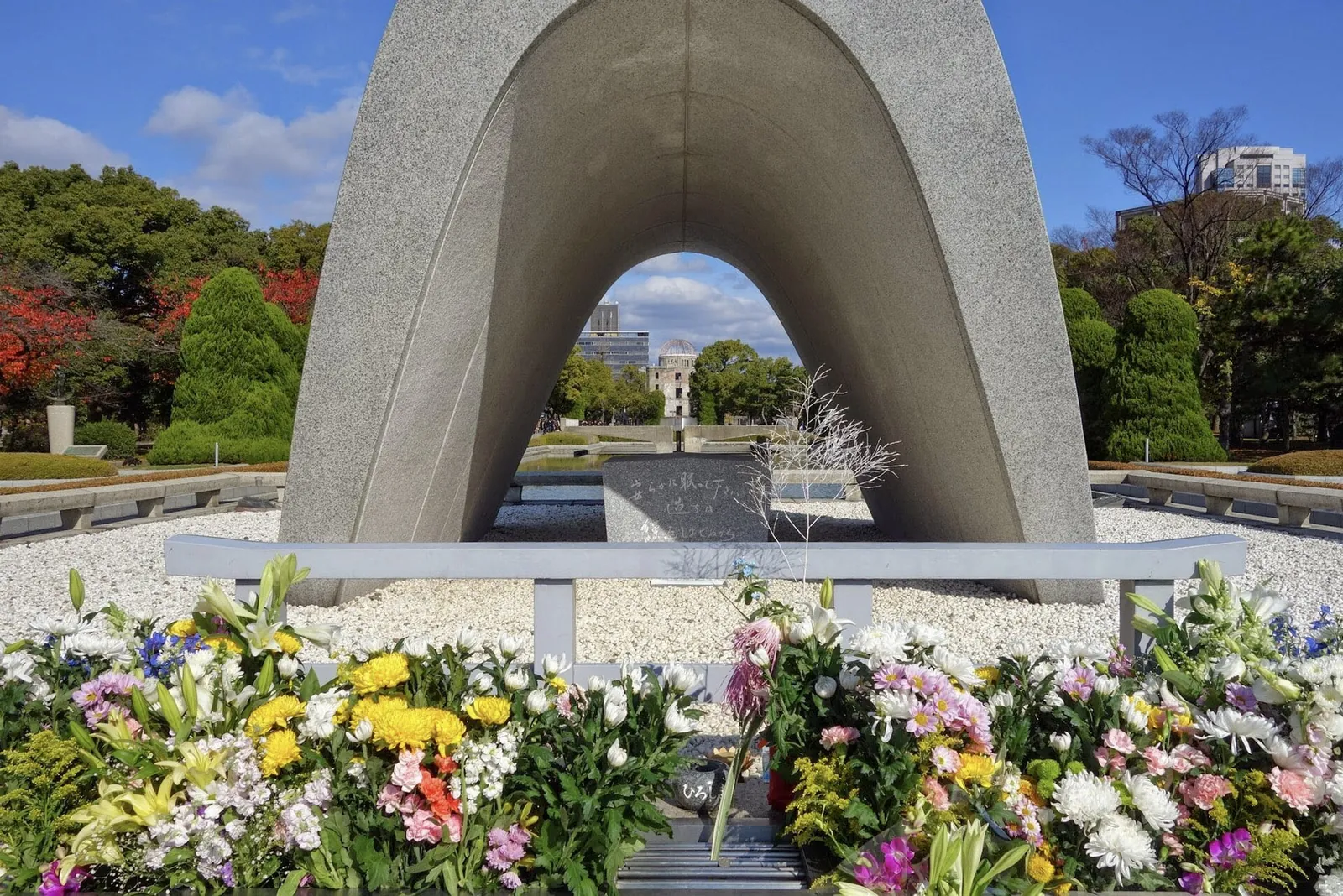
Cross the Motoyasu Bridge into Peace Memorial Park. Walk past the Children’s Peace Monument, hung with thousands of paper cranes folded and sent from around the world, the Flame of Peace and the Cenotaph for the A-bomb Victims, which is aligned so that the Dome appears framed through its arch. The park itself is free and open all the time. Free volunteer guides from the Hiroshima Peace Volunteers lead tours of the museum and the park monuments; see the museum’s Guide Services page for how to request one.
Then step into the Hiroshima Peace Memorial Museum. Give it at least two hours; many visitors need a quiet moment afterwards, so do not schedule anything tight right after. The museum’s official hours are:
- March to July: 7:30 am to 7:00 pm
- August: 7:30 am to 8:00 pm (until 9:00 pm on 5 and 6 August)
- September to November: 7:30 am to 7:00 pm
- December to February: 7:30 am to 6:00 pm
It is closed on 30 and 31 December, and the museum also lists a closure in mid-February, so check the exact dates if you travel then.
Admission is refreshingly low: JPY 200 for adults (college students and up), JPY 100 for high school students, and free for junior high school students and younger. Visitors aged 65 and over pay JPY 100 on showing their passport.
About timed entry: there is no general timed ticket, but there is one rule worth knowing. To enter the permanent exhibition in the early slot (7:30 to 8:30 am) or during the last hour of the day (5:30 to 6:30 pm from September to November, 4:30 to 5:30 pm from December to February, 5:30 to 6:30 pm from March to July, and 6:30 to 7:30 pm in August), you need a prior online reservation. Outside those windows you can simply buy a ticket at the door. Arriving at about 8:30 am without a booking is a good way to beat the tour groups that build up by late morning.
The audio guide is well worth it. It runs for about 70 minutes, is rented on the first floor of the East Building, and costs JPY 500 per unit. Large bags are not allowed in the exhibition rooms; coin lockers are on the first floor of the East Building. Non-flash photography for personal use is allowed, but tripods and selfie sticks are not.
Afternoon
After the museum, have lunch in the city centre around Hondori, the covered shopping street a few minutes east of the park.
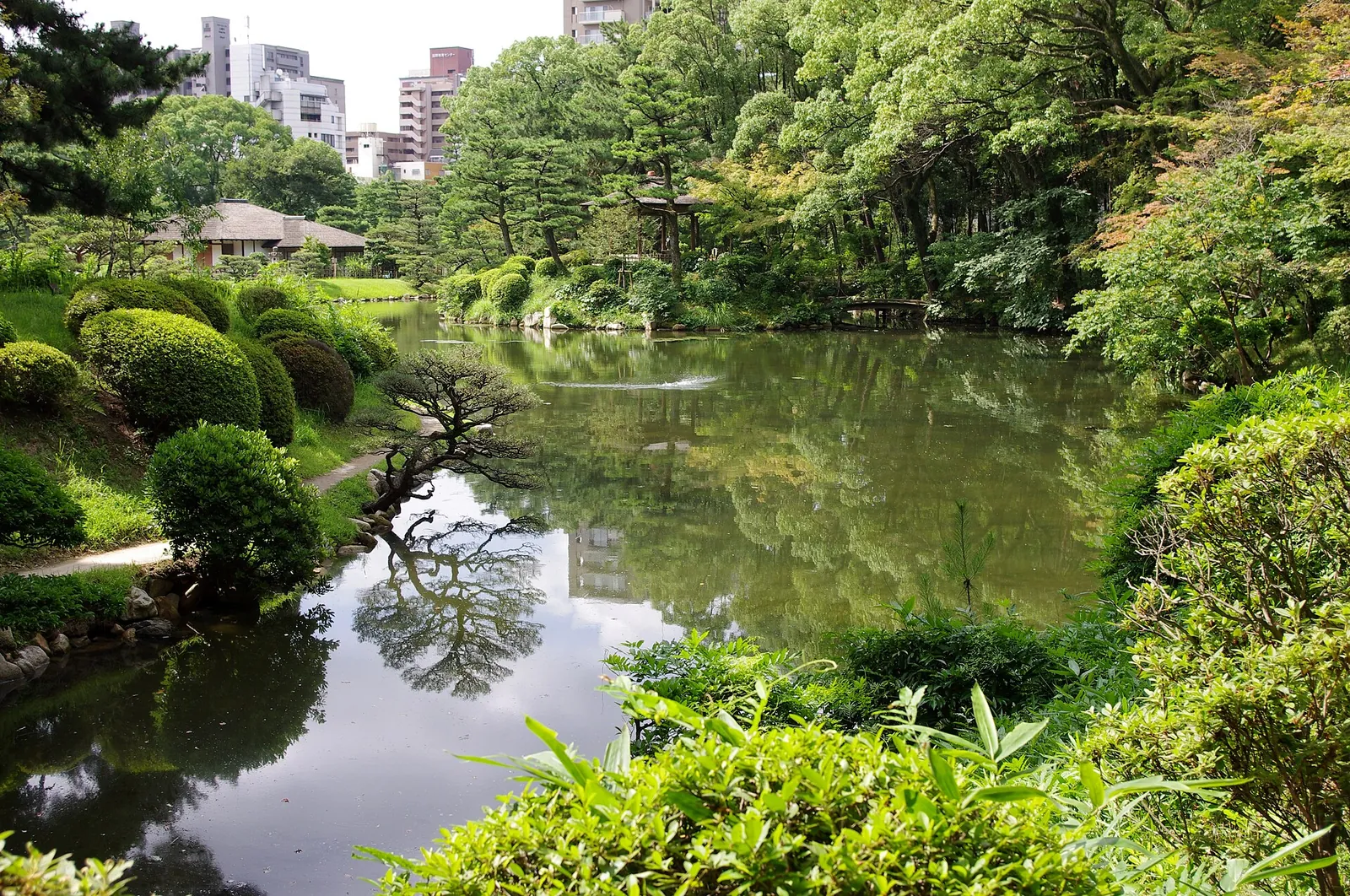
Then take the tram or walk about 25 to 30 minutes north to Shukkeien, a strolling garden laid out from 1620 for Asano Nagaakira, the lord of Hiroshima. Paths wind around a central pond with islands, tea houses and little bridges, and it feels a world away from the traffic outside. The garden opens daily from 9:00 am to 6:00 pm (last entry 5:30 pm) from 16 March to 15 September, and from 9:00 am to 5:00 pm (last entry 4:30 pm) from 16 September to 15 March. It is closed from 29 to 31 December.
Admission is JPY 350 for adults and JPY 150 for university students; high school students and younger, and visitors aged 65 and over with ID, enter free. A combined ticket with the Hiroshima Prefectural Art Museum next door costs JPY 660 for adults. Entry is free for everyone on Greenery Day (4 May) and Culture Day (3 November).
From Shukkeien it is roughly a 15-minute walk west to the Hiroshima Castle grounds, set inside a wide moat. As noted above, the main keep is closed, but you can photograph it from outside, walk the grounds freely and visit the reconstructed Ninomaru buildings near the main gate. According to the castle’s official site, Ninomaru opens from 9:00 am to 5:30 pm from April to September and from 9:00 am to 4:30 pm from October to March, with last entry 30 minutes before closing, and admission is free. Ninomaru lists its own closing days, including 29 to 31 December, so check the calendar on the castle site.
Evening
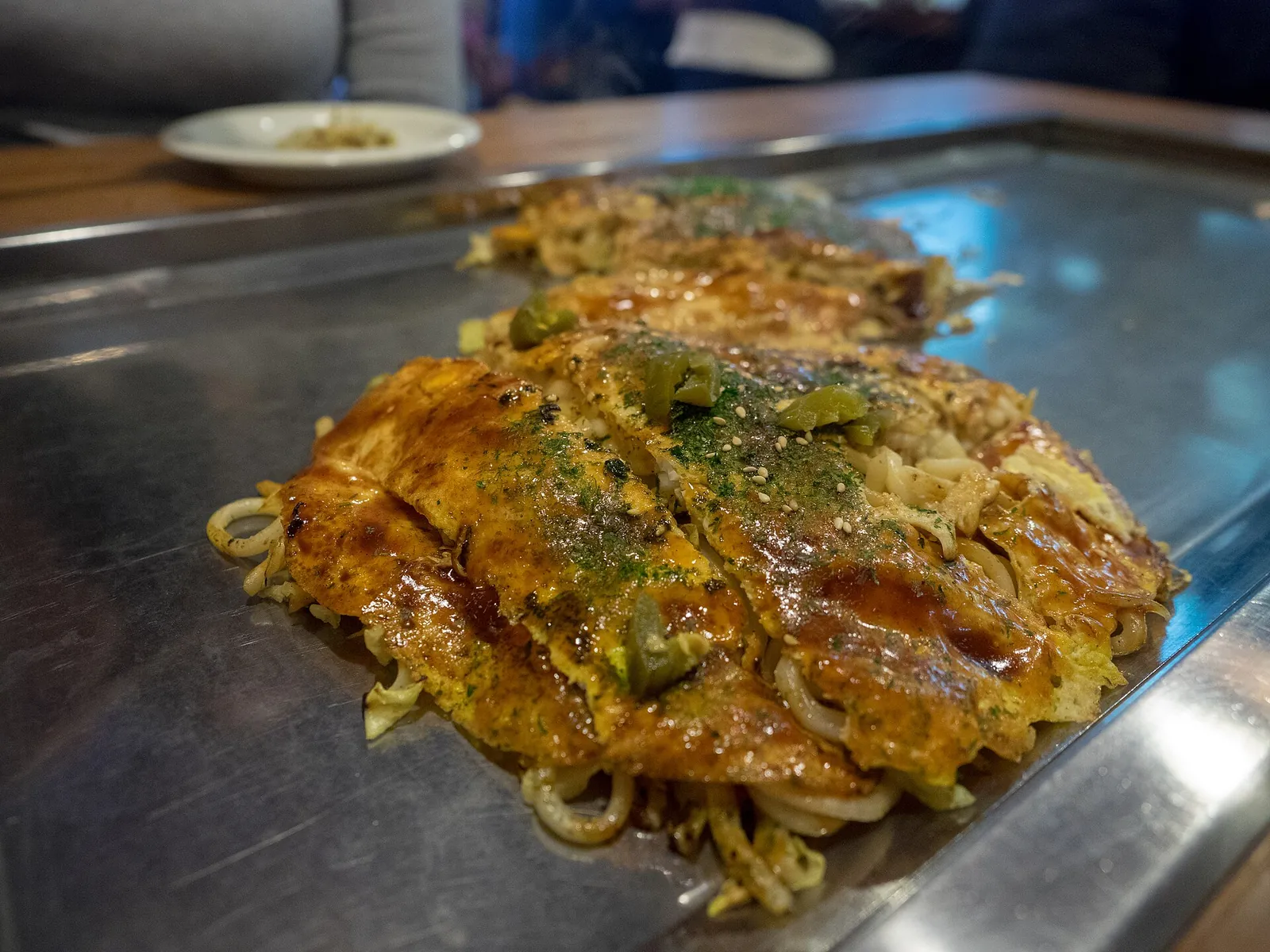
Dinner in Hiroshima means okonomiyaki, the local version of the savoury pancake, layered with cabbage, noodles and egg and cooked on a hotplate in front of you. The city centre has many small specialist counters; look around Hondori and the Nagarekawa area. If you have energy left, walk back to the Peace Memorial Park after dark, when the Dome is lit up and the park is calm.
Day 2: Miyajima, Itsukushima Shrine and Mount Misen
This is the day for the island: a floating shrine, friendly deer, mountain views and snacks on every corner.
Morning
Get an early start, because Miyajima is busiest from late morning. There are two main ways to reach the island.
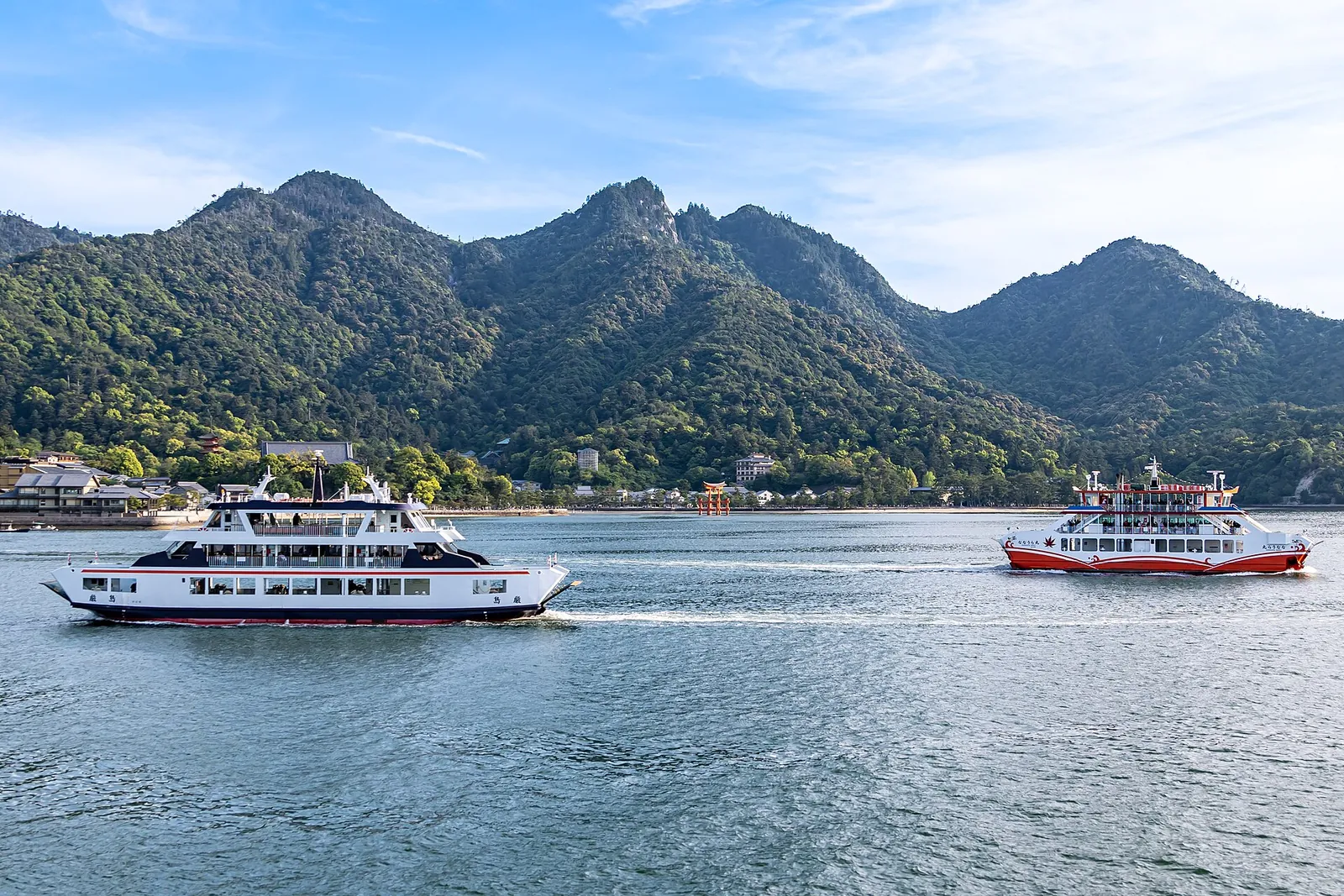
- Via Miyajimaguchi: take the JR Sanyo Line from Hiroshima Station to Miyajimaguchi (roughly 25 to 30 minutes), or the slower but scenic Hiroden tram line 2 to Hiroden-miyajima-guchi. From the pier, take a short ferry crossing of about 10 minutes. Two companies run this crossing; the JR West Miyajima Ferry lists a one-way adult fare of JPY 180 (JPY 90 for children), accepts IC cards and is covered by the Japan Rail Pass. Its ferries route close to the great torii, which gives you a lovely first view from the water.
- Direct from the city: the Aqua-net Hiroshima World Heritage Sea Route runs from a pier beside the Peace Memorial Park straight to Miyajima in about 45 minutes. Aqua-net raised the adult one-way fare to JPY 2,400 (JPY 1,200 for children) from 1 October 2025; check the current fare on the official site. Advance booking for your departure time is recommended, and the timetable can be affected by tides on the river section.
Miyajima Visitor Tax: since 1 October 2023, anyone arriving on the island by boat pays a visitor tax of JPY 100 per person per visit (a one-year option costs JPY 500). Residents, commuters and preschool children are exempt. The JR ferry states that the tax is charged separately from the fare, so expect to pay it at the ticket machine or counter at the pier.
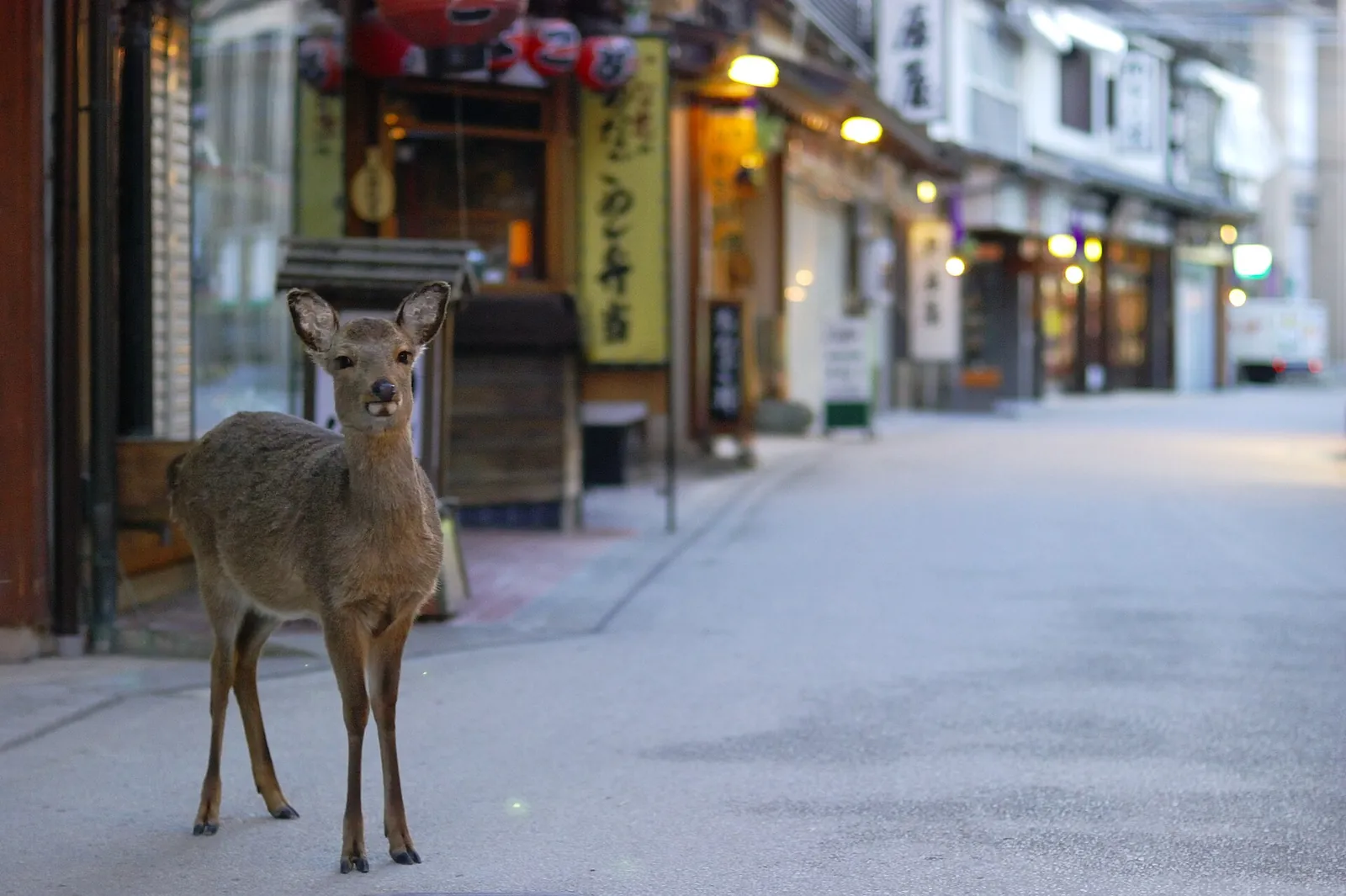
On arrival, follow the waterfront path past the island’s famously relaxed deer. They are wild animals: do not feed them, and keep paper maps and snacks out of reach, as they will happily eat both.
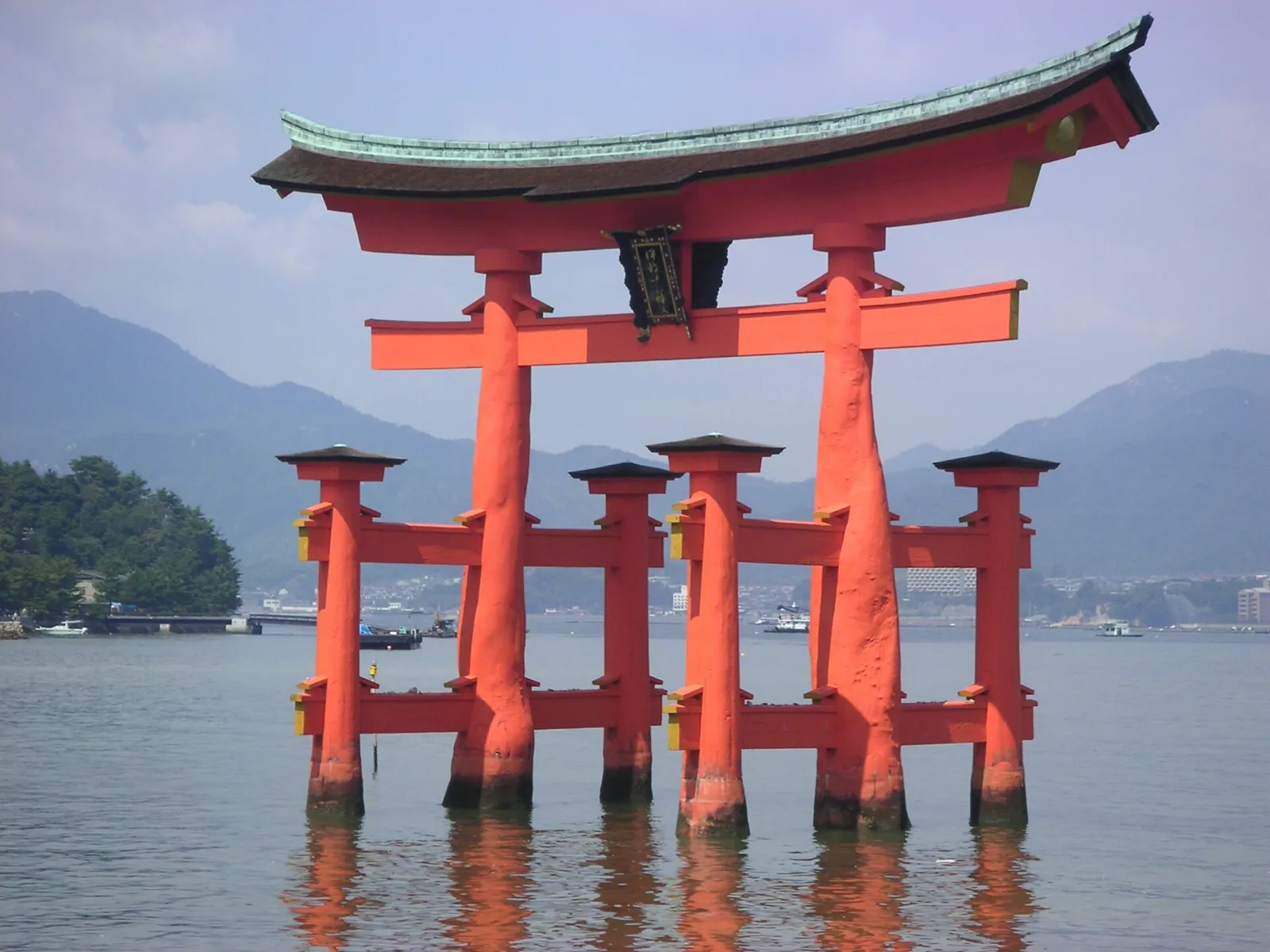
Head straight to Itsukushima Shrine, a UNESCO World Heritage Site founded, according to the shrine, in 593 and rebuilt in its present form by Taira no Kiyomori in 1168. Its vermilion corridors stand over the water at high tide, and the great torii (Otorii) rises from the bay in front. Official opening hours are 6:30 am to 6:00 pm from 1 March to 14 October, 6:30 am to 5:30 pm from 15 October to 30 November, and 6:30 am to 5:00 pm in December, with slightly different hours in January and February. Admission is JPY 300 for adults, JPY 200 for high school students and JPY 100 for elementary and junior high school students. A combined ticket with the Treasure Hall costs JPY 500 for adults, and the shrine notes that credit cards are not accepted, so carry cash. The floorboards have small gaps, so wear flat, comfortable shoes.
Tides change everything here. At high tide the torii seems to float; at low tide you can walk out onto the sand to its base. Check the tide table on the Miyajima tourist association site before you go and plan the shrine visit around the view you want.
Afternoon
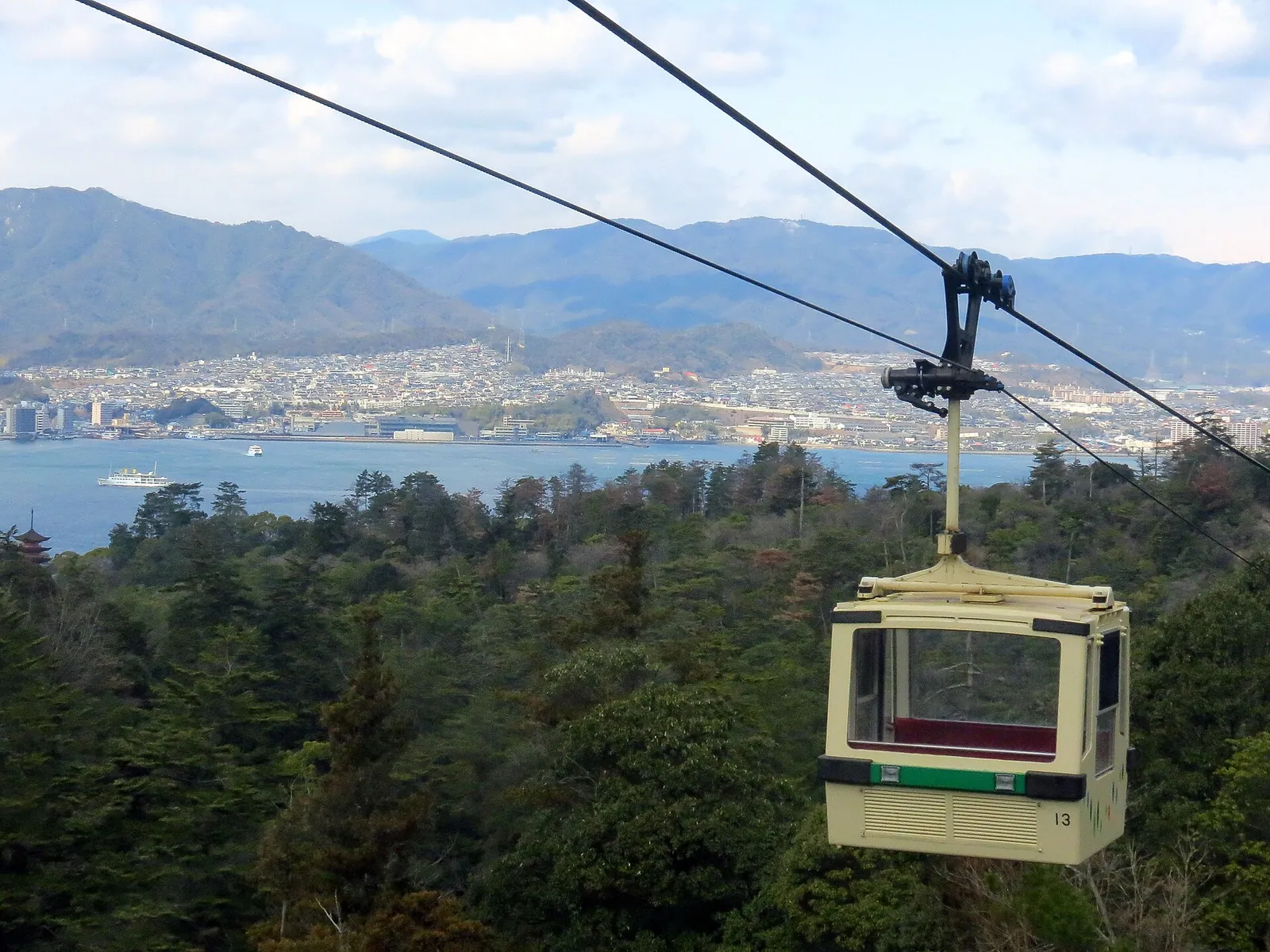
Walk up through the Momijidani park area (or take the free shuttle bus from near the ferry pier, which runs about every 20 minutes from 9:50 am) to the Miyajima Ropeway. It combines a small-gondola line and a larger funicular-style car to reach Shishiiwa Station high on Mount Misen, with views across the islands of the Seto Inland Sea.
The ropeway currently operates from 9:00 am to 4:00 pm, with the last return departure at 4:30 pm. A round trip costs JPY 2,000 for adults and JPY 1,000 for children (one way JPY 1,100 and JPY 550). Two important notes from the official site:
- Reservations on specific days: advance online booking is required on designated peak days, which are published on the ropeway’s homepage for the next three months. Check whether your date is one of them.
- Suspensions: service stops in strong wind and thunder, and for periodic maintenance twice a year, around February and July.
From Shishiiwa Station, a walking trail continues to the summit of Mount Misen; allow roughly an hour or more for the round trip on foot from the station, as the path is rocky and has many steps. Bring water and wear proper shoes. Many visitors take the ropeway up and hike down one of the mountain trails instead, which takes considerably longer, so only do this if you have plenty of daylight.
Back in town, stroll Omotesando, the covered shopping street, for grilled oysters, momiji manju (maple-leaf shaped cakes) and anago-meshi (conger eel on rice).
Evening
Most day visitors leave by late afternoon, and the island becomes much quieter. If you can, stay for sunset and watch the torii from the waterfront as the light fades; it is lit up after dark. Then take a ferry back to Miyajimaguchi and the train to Hiroshima, or stay overnight on the island for a peaceful morning walk before the crowds return. Check last ferry times on the operators’ timetables.
Getting there and getting around
Entry and visas
Many nationalities can visit Japan visa-free for short tourist stays, but the rules depend on your passport. Check the JNTO visa page and the Ministry of Foreign Affairs of Japan before you book. Always carry your passport in Japan.
Shinkansen from Osaka and Kyoto
Hiroshima is on the Sanyo Shinkansen. The fastest Nozomi and Mizuho trains take roughly 1 hour 20 to 1 hour 30 minutes from Shin-Osaka and about 1 hour 40 minutes from Kyoto, with Hikari and Sakura services a little slower. Check current times and fares on JR West or the SmartEX app, and reserve seats in busy seasons.
Japan Rail Pass notes
- The Japan Rail Pass covers Hikari and Sakura trains on this route. Using Nozomi and Mizuho requires a special ticket issued only to pass holders, at extra cost; check the official JAPAN RAIL PASS site for current conditions.
- The pass covers the JR Sanyo Line to Miyajimaguchi, and the JR West Miyajima Ferry states that it accepts the Japan Rail Pass. It does not cover the Hiroden trams or the Aqua-net boat.
- The Miyajima Visitor Tax is charged separately even with a pass.
Getting around Hiroshima
- Hiroden trams: Hiroshima’s streetcars charge a flat JPY 240 for adults and JPY 120 for children, including the Miyajima Line, according to Hiroden. Tickets are not sold; you pay when you get off, with exact change or an IC card. Day passes exist; check prices on the Hiroden site, as they have changed recently.
- On foot: the Peace Memorial Park, Hondori, Shukkeien and the castle are all within walking distance of each other.
- Hiroshima Station to the Dome: a short tram ride, at the standard flat fare.
Where to stay
- Around Hiroshima Station: the most practical base for Shinkansen arrivals and the JR train to Miyajimaguchi. Plenty of business hotels.
- Hondori and Hatchobori: central, close to the Peace Memorial Park, restaurants and nightlife. A great choice for first-timers.
- Near the Peace Memorial Park: quiet evenings and an easy walk to the Aqua-net pier for the direct boat to Miyajima.
- On Miyajima: traditional ryokan inns and a few hotels. Pricier, but you get the island at dawn and after the day crowds leave.
Budget
| Item | Typical cost |
|---|---|
| Peace Memorial Museum (adult) | JPY 200 |
| Museum audio guide | JPY 500 |
| Shukkeien (adult) / with Prefectural Art Museum | JPY 350 / JPY 660 |
| Hiroshima Castle grounds and Ninomaru | Free (main keep closed) |
| Hiroden tram, single ride (adult) | JPY 240 |
| JR West Miyajima Ferry, one way (adult) | JPY 180 |
| Aqua-net, Peace Park to Miyajima, one way (adult) | JPY 2,400 (check official site) |
| Miyajima Visitor Tax | JPY 100 per visit |
| Itsukushima Shrine (adult) / with Treasure Hall | JPY 300 / JPY 500 |
| Miyajima Ropeway round trip (adult) | JPY 2,000 |
| Shinkansen from Osaka or Kyoto | Check JR West |
The paid sights in this plan come to roughly JPY 1,050 on Day 1 (with the audio guide and Shukkeien) and around JPY 2,700 on Day 2 (shrine, ropeway, visitor tax and two JR ferry crossings), plus local transport. Taking the Aqua-net boat one way adds about JPY 2,200 compared with the JR ferry. The daily range covers sights and transport within the region only. It excludes accommodation, meals, the Shinkansen and any local accommodation taxes.
Practical tips
- Book the museum’s early slot if you are an early riser: entry from 7:30 to 8:30 am needs an online reservation; otherwise just arrive after 8:30 am.
- Check the ropeway reservation days: on designated peak days, Mount Misen needs an advance booking.
- Check the tides: the torii looks completely different at high and low tide.
- Carry cash: Itsukushima Shrine does not accept credit cards, and small food stalls often prefer cash.
- Use an IC card: ICOCA, Suica and similar cards work on Hiroden trams, JR trains and the JR ferry.
- Be respectful in the Peace Memorial Park: it is a memorial. Keep voices low near the Cenotaph and in the museum.
- Wear good shoes: the Mount Misen trails are steep and rocky, and the shrine’s floorboards have gaps.
Heads-up
Hiroshima and Miyajima are safe, friendly and easy to visit, and a few simple habits keep it that way.
- Check your medicines before you fly. The UK government’s travel advice for Japan warns that some common medicines, including certain cold and flu remedies and some painkillers, are illegal to bring into Japan. Check with the Japanese embassy in your country before you pack.
- Carry your passport. Visitors must carry their passport at all times, and police can ask to see it.
- Do not feed the deer. Miyajima’s deer are wild. Keep food and paper away from them and give them space, especially in autumn.
- Watch the weather. Japan is in a major earthquake zone, and typhoon season runs from June to December. Ferries and the ropeway can stop in high winds, so leave slack in your plans. Follow staff instructions in a disaster.
- Take summer heat seriously. July and August are hot and humid. Start early, drink plenty of water and rest in the shade.
- Nightlife caution: the same UK advice warns about drink spiking and inflated bills in nightlife areas across Japan. Do not follow touts into bars and check prices before ordering.
- Emergencies: call 110 for police and 119 for fire and ambulance.
FAQ
Is 2 days enough for Hiroshima and Miyajima?
Yes. One day covers the Peace Memorial Park and Museum plus Shukkeien and the castle grounds, and a second day is right for Miyajima with time for the ropeway. Add a night on Miyajima if you want the island at its quietest.
Can I go inside Hiroshima Castle?
Not the main keep. The castle’s official site says it closed in March 2026 because of structural deterioration. The grounds and the reconstructed Ninomaru buildings remain open and free.
Do I need to book the Peace Memorial Museum?
Only for the early slot (7:30 to 8:30 am) and the last hour of the day, which require an online reservation. At other times you can buy a ticket at the entrance for JPY 200.
How much is the Miyajima visitor tax?
JPY 100 per person per visit, introduced on 1 October 2023, or JPY 500 for a year. Residents, commuters and preschool children are exempt. It is paid on top of the ferry fare.
Does the Japan Rail Pass cover the Miyajima ferry?
Yes, the JR West Miyajima Ferry accepts the Japan Rail Pass. The Aqua-net boat and the Hiroden trams are not covered, and the visitor tax is always extra.
Do I need to book the Miyajima Ropeway?
Only on designated peak days, which the ropeway lists on its official homepage for the coming three months. On other days you can buy tickets at Momijidani Station.
Sources
Prices, hours and rules change. We checked these on 1 November 2026; please confirm on the official page before you book.
- Hiroshima Peace Memorial Museum: Hours and Admission
- Hiroshima Peace Memorial Museum: Guide Services and audio guides
- Shukkeien Garden: Opening hours and admission (official site, Japanese)
- Hiroshima Castle (official site, Japanese): main keep closure and Ninomaru hours
- Itsukushima Shrine: Hours and admission
- Miyajima Ropeway: Hours, fares and facilities
- Miyajima Ropeway: Today's operation and reservation days
- JR West Miyajima Ferry: Fares
- Aqua-net Hiroshima: World Heritage Sea Route (Peace Park to Miyajima)
- Hiroshima Electric Railway (Hiroden): Streetcar fares
- Ministry of Internal Affairs and Communications: consent to the Miyajima Visitor Tax (Japanese PDF)
- Japan Rail Pass: About the JAPAN RAIL PASS (official site)
- Japan National Tourism Organization: Japan visa requirements
- UK FCDO: Japan travel advice, safety and security
- UK FCDO: Japan travel advice, health
Photo credits (9)
- The great torii of Itsukushima Shrine glowing at sunset: Ian G Shingler, CC BY-SA 4.0, via Wikimedia Commons
- The Atomic Bomb Dome on the riverbank under blue sky: DXR, CC BY-SA 4.0, via Wikimedia Commons
- Lush green trees reflected in the Shukkeien garden pond: Jakub Hałun, CC BY-SA 4.0, via Wikimedia Commons
- The vermilion great torii standing in the bay at Miyajima: Unknown, Public domain, via Wikimedia Commons
- A Miyajima Ropeway gondola gliding above the forest and sea: redlegsfan21, CC BY-SA 2.0, via Wikimedia Commons
- Ferries crossing to Miyajima below Mount Misen: Naokijp, CC BY-SA 4.0, via Wikimedia Commons
- A friendly deer on a quiet Miyajima shopping street: Richard Fisher from London, UK, CC BY 2.0, via Wikimedia Commons
- Hiroshima-style okonomiyaki sizzling on the hotplate: Ajay Suresh from New York, NY, USA, CC BY 2.0, via Wikimedia Commons
- Flowers at the Cenotaph in Hiroshima Peace Memorial Park: KQuhen, CC BY-SA 4.0, via Wikimedia Commons
More Japan itineraries
 3 days
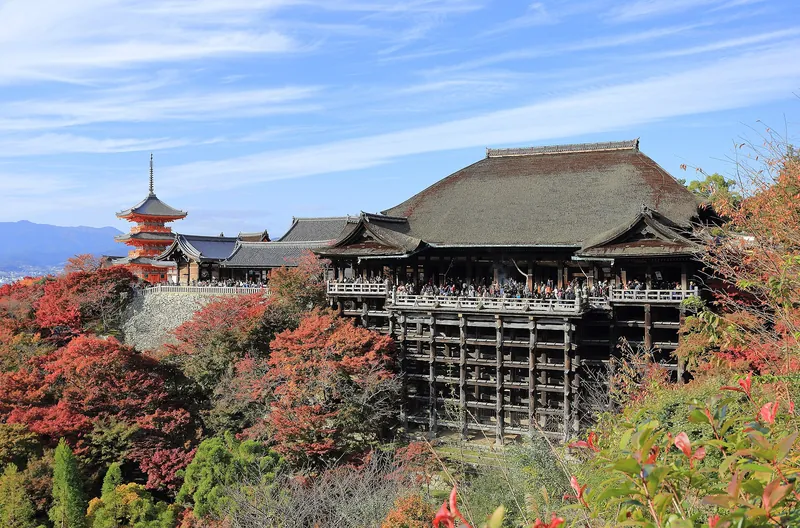
3 Days in Kyoto: A Day-by-Day Itinerary
A 3-day Kyoto itinerary: Fushimi Inari and Kiyomizu-dera, Arashiyama and the Golden Pavilion, then Nijo Castle, Nishiki Market and Ginkaku-ji.
 3 days
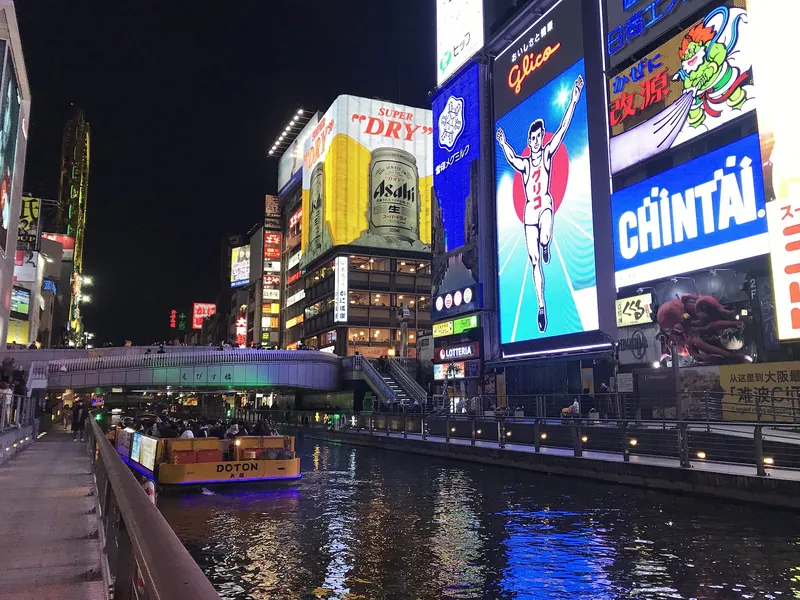
3 Days in Osaka: A Day-by-Day Itinerary
A 3-day Osaka itinerary: Osaka Castle and Dotonbori, Sumiyoshi Taisha, Shinsekai and Abeno Harukas, then Umeda views, fares checked.
 4 days
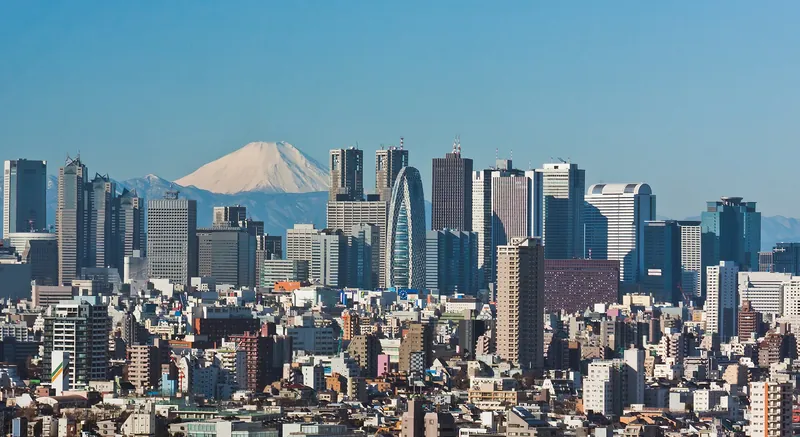
4 Days in Tokyo: A Day-by-Day Itinerary
A 4-day Tokyo itinerary: Asakusa, Skytree and Ueno, Meiji Jingu and Shibuya, Tsukiji, the Imperial Palace and teamLab, then Shinjuku by day and night.
Compare all Japan itineraries →
This is a researched plan, not a personal trip report. How we research · Affiliate disclosure