
7 Days in South Korea: Seoul, Gyeongju and Busan Itinerary
A 7-day South Korea route: 3 days in Seoul, 2 in ancient Gyeongju and 2 in Busan, with verified palace, temple and transport details.
- 🗓️ Trip length
- 7 days
- ☀️ Best time
- April to May and late September to November
- 💰 Daily spend
- Varies widely; see the Budget section for the verified costs we could confirm
- ✅ Facts checked
- 1 November 2026
Get ready for a trip that packs three completely different Koreas into one week: Seoul, where palace gates and hanok lanes sit beside glass towers; Gyeongju, the old Silla capital, where grassy royal tombs roll through town like green hills; and Busan, a port city with painted hillsides, seafood markets and a temple built right on the shoreline.
This plan is perfect for first-time visitors who like a steady pace. You spend three days in Seoul, two in Gyeongju and two in Busan, with one long train hop on Day 4 and another on Day 5. Expect plenty of walking, so bring comfortable shoes. Two palace closing days shape the Seoul part of the plan, and we have flagged them clearly below.
7 days in South Korea at a glance
| Day | Base | Highlights |
|---|---|---|
| 1 | Seoul | Gyeongbokgung, Bukchon Hanok Village, Insadong |
| 2 | Seoul | Changdeokgung and the Secret Garden, Ikseon-dong, Namsan |
| 3 | Seoul | Bongeunsa, COEX, Jamsil and the Han River |
| 4 | Seoul to Gyeongju | KTX train, Daereungwon, Cheomseongdae, Donggung Palace and Wolji at night |
| 5 | Gyeongju to Busan | Bulguksa, Seokguram, KTX to Busan, Gwangalli Beach |
| 6 | Busan | Gamcheon Culture Village, Jagalchi Market, Nampo-dong, Yongdusan |
| 7 | Busan | Haedong Yonggungsa, Haeundae, departure |
Important: Gyeongbokgung is closed on Tuesdays and Changdeokgung is closed on Mondays. If a closing day falls on a public holiday, the palace opens and the closing moves to the next non-holiday. If your arrival date clashes, swap Day 1 and Day 2 or shift Day 3 forward.
Before you go: entry
Entry rules depend on your passport and change from time to time, so we do not summarise them here. Check the official Korean portal for the K-ETA electronic travel authorisation at k-eta.go.kr, apply only through it (the portal itself warns about look-alike agent sites that charge high fees), and apply well ahead: it lists a typical processing time of within 72 hours. Also read your own government’s entry-requirements page, which will mention the free online e-Arrival card and passport validity.
Days 1 to 3: Seoul
Day 1: Gyeongbokgung, Bukchon and Insadong
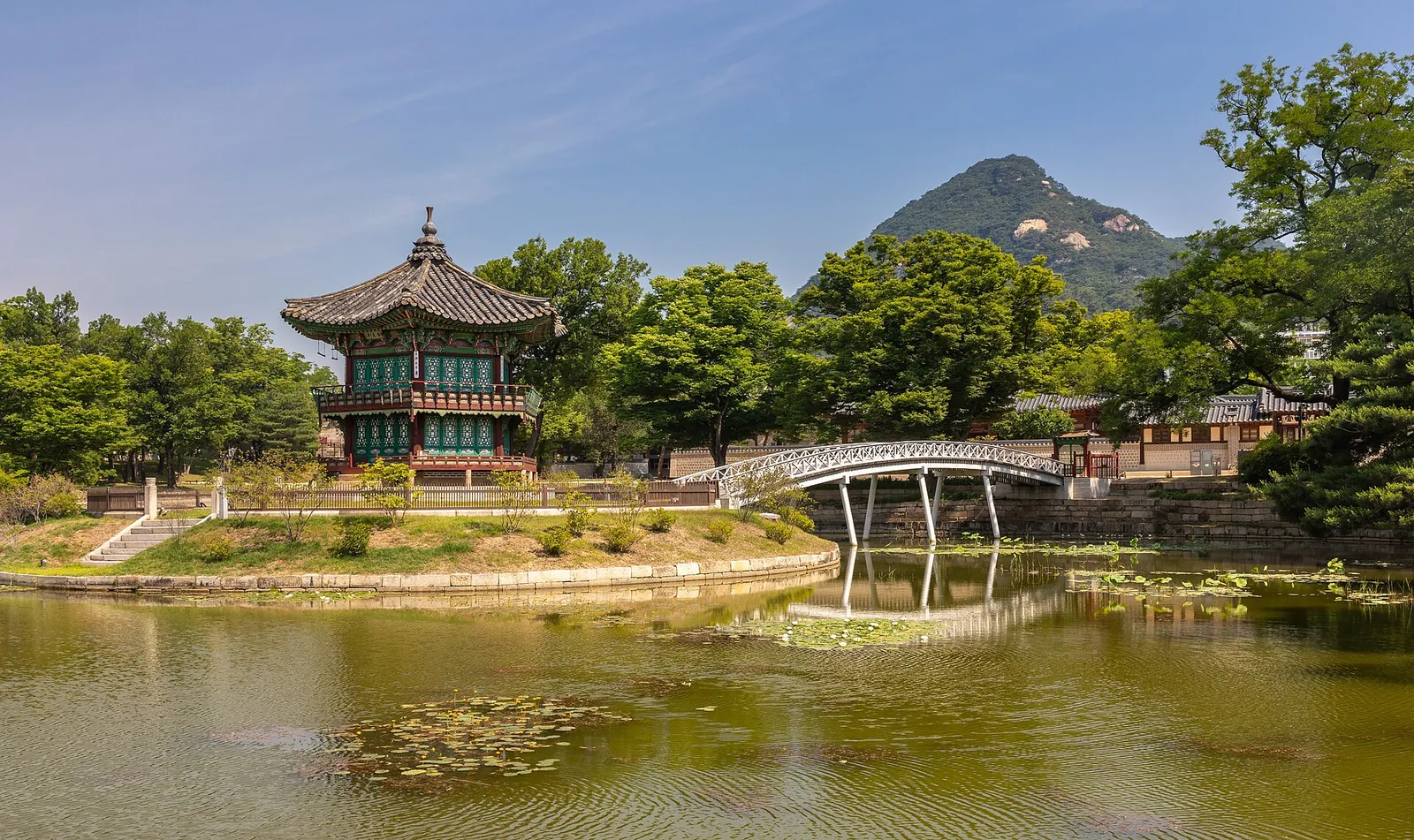
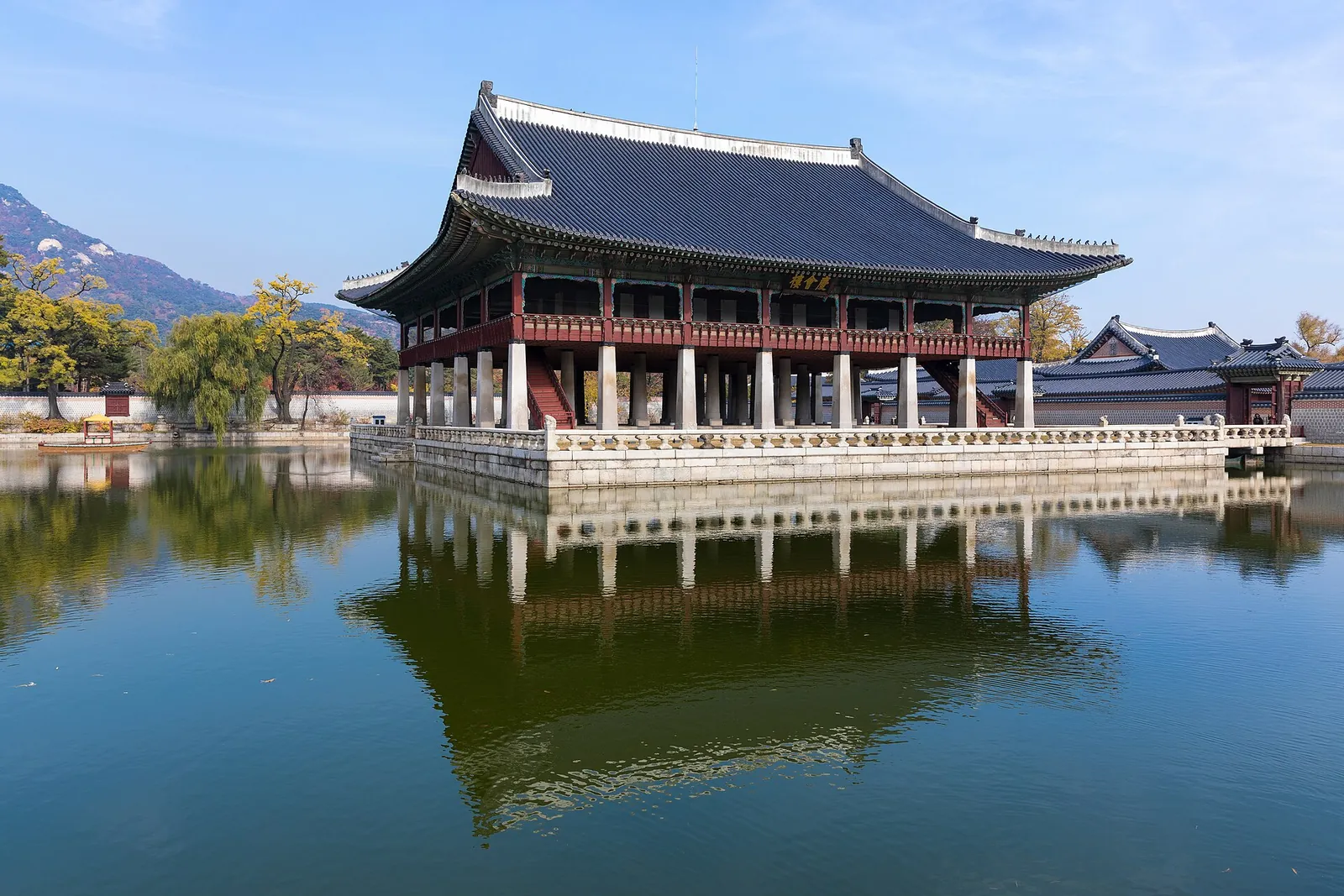
Morning. Kick off your trip in royal style at Gyeongbokgung, the main palace of the Joseon dynasty (Gyeongbokgung station on Line 3, or Gwanghwamun station on Line 5). Arrive near opening time to enjoy the courtyards before the crowds.
According to the Royal Palaces and Tombs Center, hours are 09:00 to 17:00 (last entry 16:00) from November to February, 09:00 to 18:00 (last entry 17:00) from March to May and September to October, and 09:00 to 18:30 (last entry 17:30) from June to August. The foreign adult ticket (ages 19 to 64) is KRW 3,000, and visitors wearing hanbok enter free. Foreigners aged 18 and under or 65 and over are also free.
One time-limited bonus: during the Korea Grand Festival, 29 October to 15 November 2026, Gyeongbokgung is free to enter, except on Tuesdays. In that window, official guided tours also run 30 minutes shorter. Give the palace about two hours.
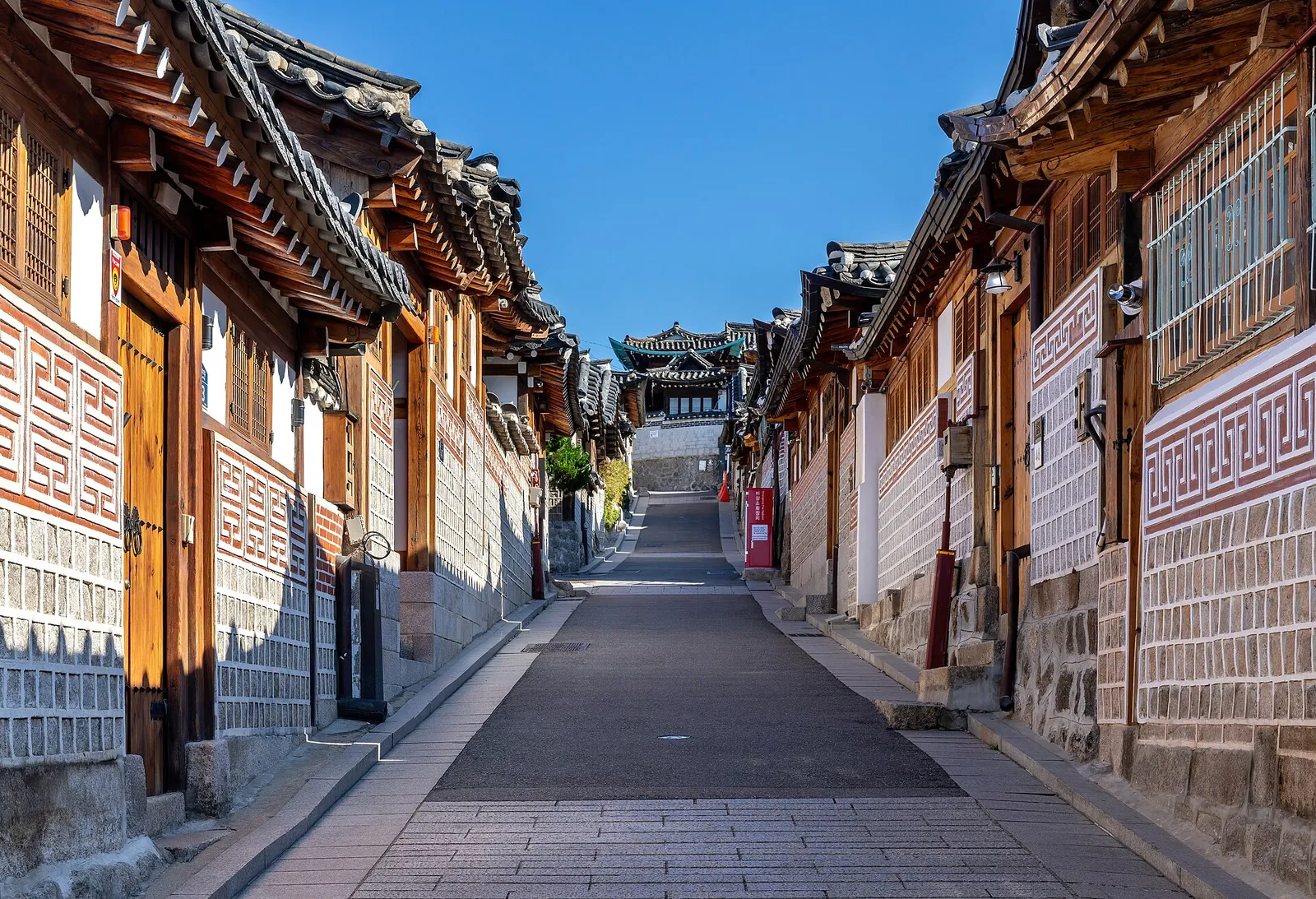
Afternoon. Walk east to Bukchon Hanok Village, a hillside of traditional tiled houses where people really live. Keep your voice down and stay out of courtyards. The Seoul city government’s rules for the Bukchon-ro 11-gil area ban tourist visits between 17:00 and 10:00, with a fine of KRW 100,000, so come after lunch rather than at dawn or dusk. That notice dates from the 2024 to 2025 rollout, so check for updates.
Continue downhill to Insadong for craft shops, tea houses and a late lunch of hanjeongsik, a spread of small dishes.
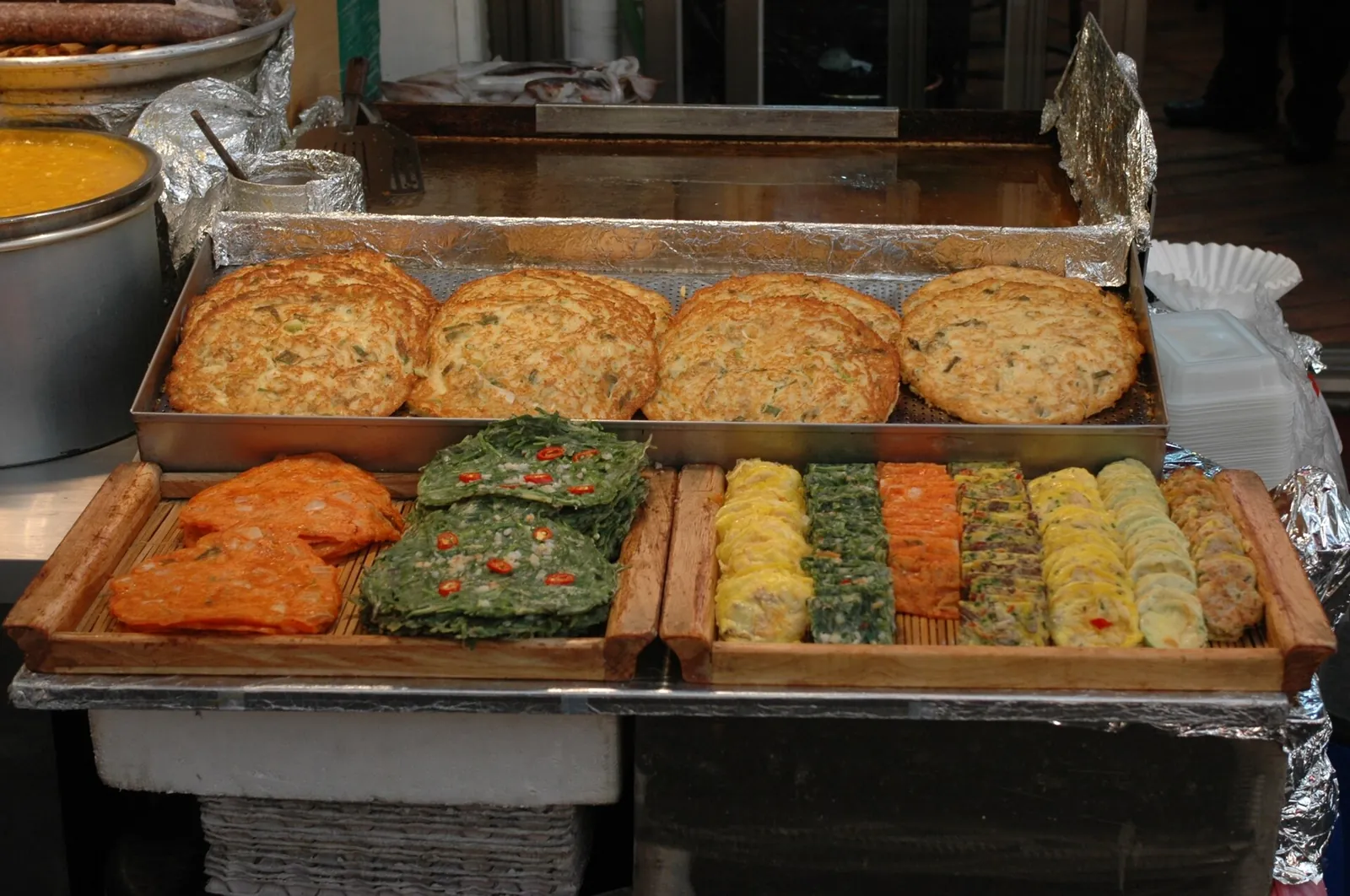
Evening. Stroll the Cheonggyecheon stream and, if you are hungry, finish at Gwangjang Market for mung bean pancakes and knife-cut noodles. Sit at a busy stall and point.
Day 2: Changdeokgung, the Secret Garden and Namsan
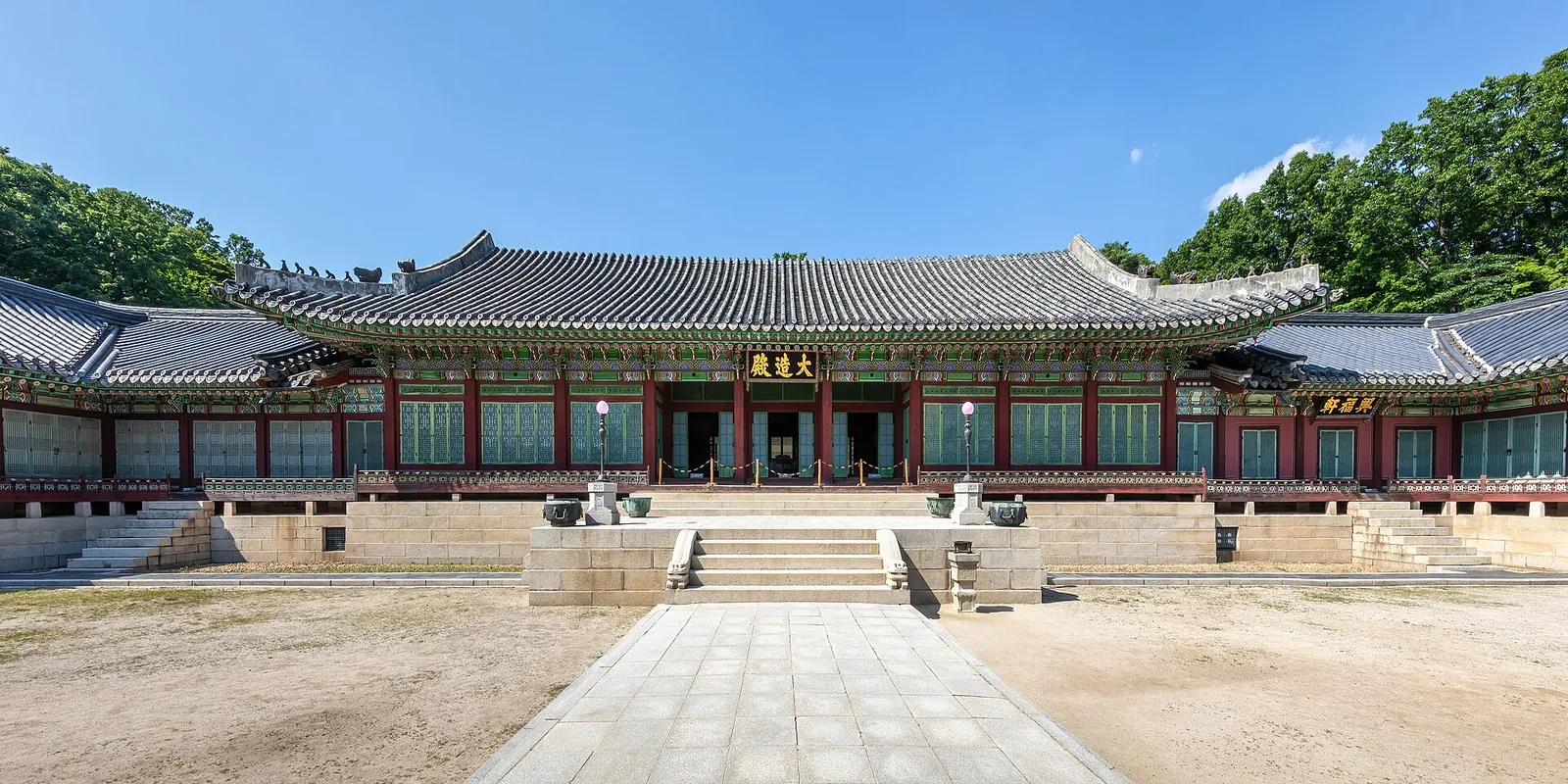
Morning. This is the day for palace gardens, so head to Changdeokgung (Anguk station, Line 3), a royal palace of the Joseon dynasty. Hours are 09:00 to 18:00 (last entry 17:00) from February to May and September to October, 09:00 to 18:30 (last entry 17:30) in summer and 09:00 to 17:30 (last entry 16:30) from November to January.
The main halls cost KRW 3,000 for foreign adults. The Secret Garden (Huwon) is a separate KRW 5,000 ticket and you also need the main-halls ticket. Note that the hanbok free-entry rule is not listed for the garden.
Garden visits are by timed guided tour, about 70 minutes. English tours run Tuesday to Sunday at 10:30, 11:30, 14:30 and 15:30, March to November only. Each session takes 100 people, 50 booked online and 50 sold on site, and late arrivals are not admitted and not refunded. The meeting point is the garden entrance, a walk of 15 minutes or more from the Geumho Gate, so allow extra time. The Okryucheon area of the garden is closed for repairs until further notice. We suggest booking the 10:30 English tour on the official reservation site in advance.
Afternoon. Walk to Ikseon-dong, a maze of hanok turned into cafés and bakeries, for lunch. Then take the subway to Myeongdong for skincare shops and street snacks.
Evening. Walk to the foot of Namsan and head up to N Seoul Tower for the city panorama as the lights come on. Check opening hours and ticket prices on the official N Seoul Tower site, because we could not confirm them today.
Day 3: Gangnam, Jamsil and the river
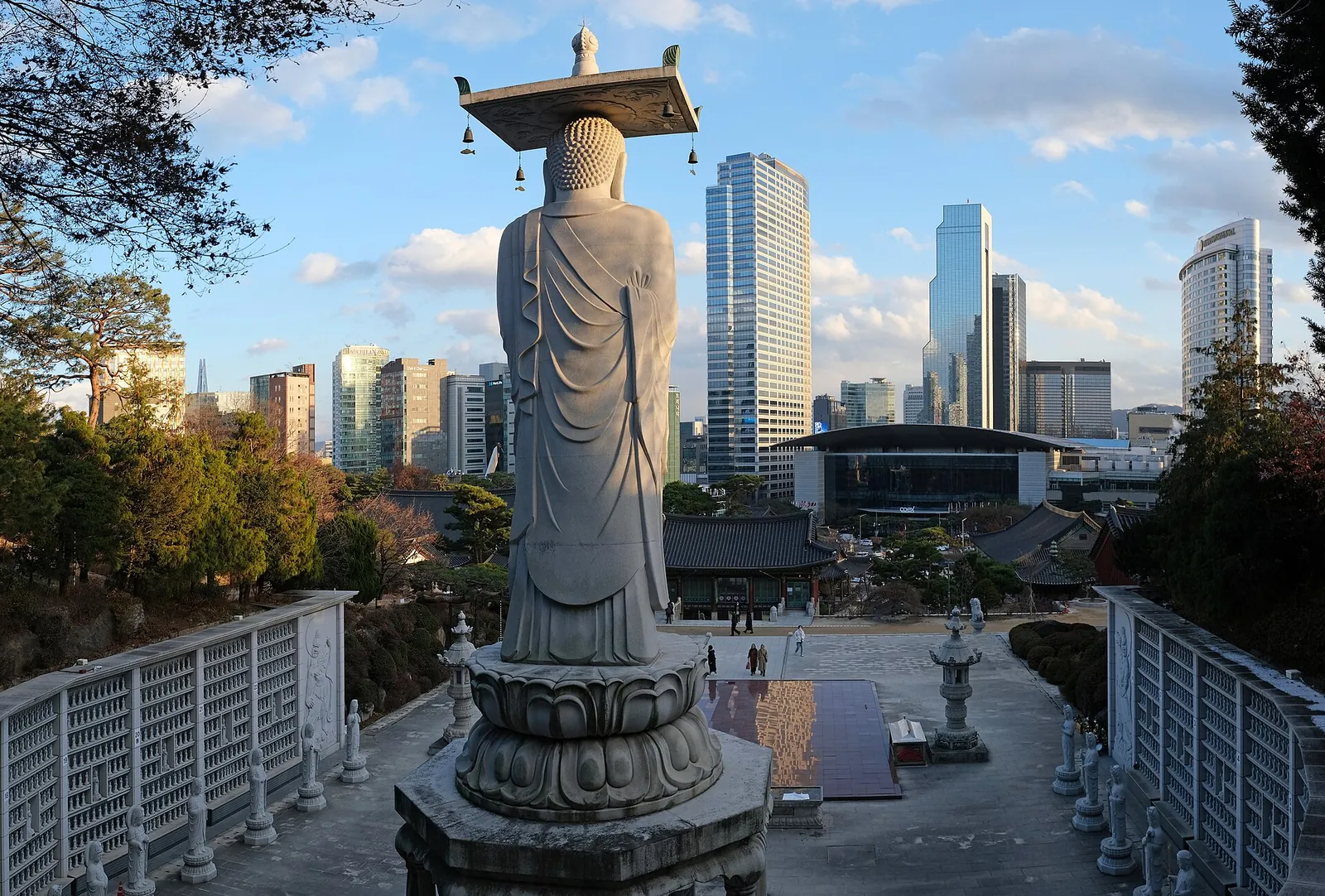
Morning. Get ready for old meets new: visit Bongeunsa, a Buddhist temple that sits opposite the COEX complex (Bongeunsa station, Line 9). Dress modestly and keep your voice low. Cross the road to COEX Mall and its towering Starfield Library.
Afternoon. Take Line 2 to Jamsil for Lotte World Tower and its Seoul Sky observatory. Tickets are timed, so check prices and book on the official Lotte World Tower site. Afterwards, stroll around Seokchon Lake next door.
Evening. Spend the evening along the Han River, where the riverside parks are good for a picnic from a convenience store. If you are visiting between spring and autumn, check the Hangang Park website for the Banpo Bridge fountain show times on the day.
Days 4 to 5: Gyeongju
Gyeongju was the capital of the Silla kingdom, and the historic sights are concentrated in a compact area, which makes it an easy place to explore on foot and by local bus.
Day 4: Train to Gyeongju, royal tombs and a lantern-lit pond
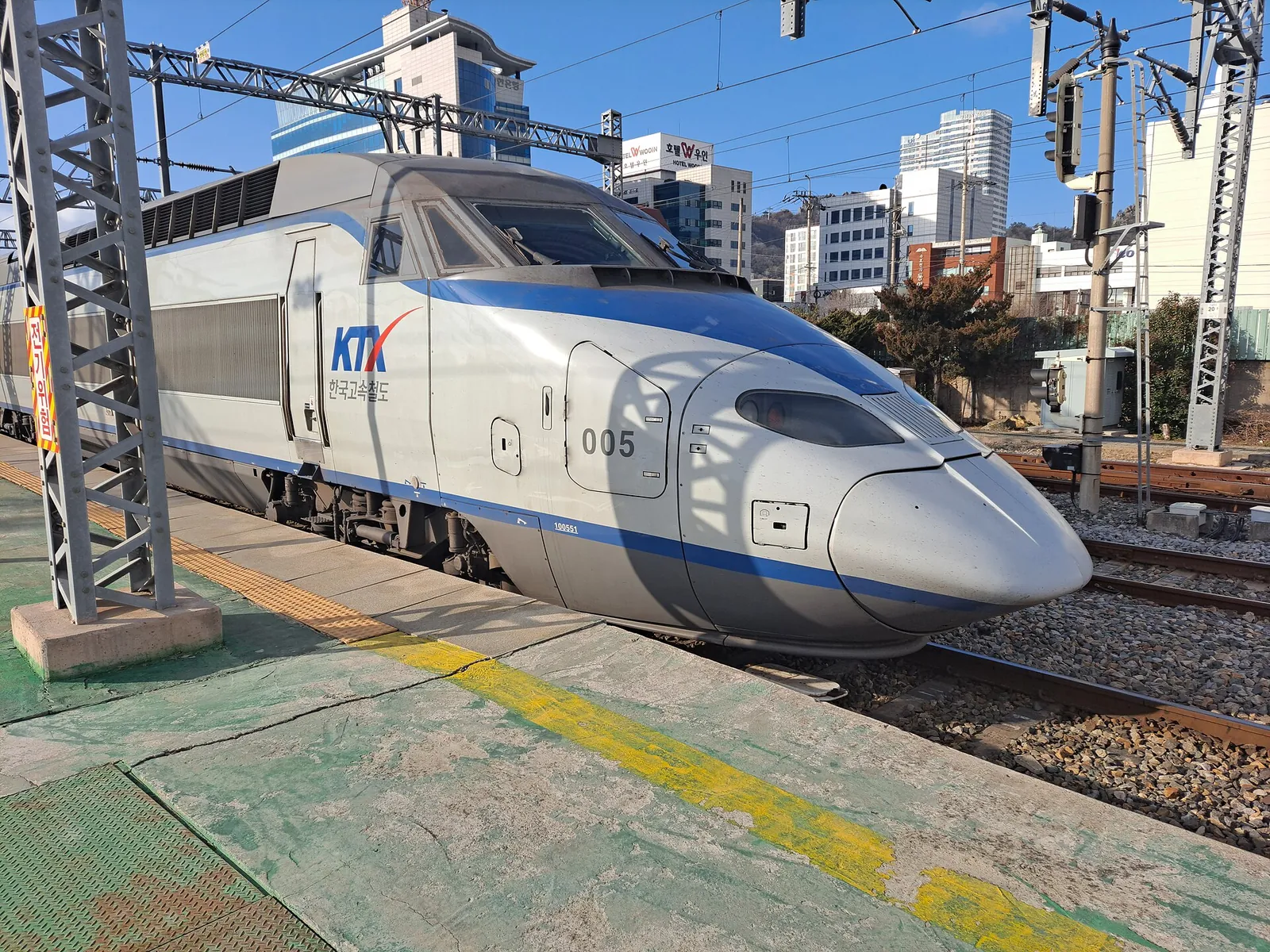
Morning. Time to swap the big city for an ancient kingdom! Take a KTX high-speed train from Seoul. These trains run on the Gyeongbu Line, which VisitKorea describes as connecting Seoul and Busan over 447.1 km. KTX services on this corridor stop at Gyeongju Station (the KTX station formerly called Singyeongju, so you may still see the old name on older guides), which is the stop for Gyeongju. We could not verify today’s timetable, fares or the onward bus or taxi options into town, so check the Korail website and app for the exact train and fare. Tickets can usually be bought from one month ahead, from 07:00, and you can book online, in the KORAIL+ app, at kiosks or at ticket offices. Foreign visitors can also look at the KORAIL Pass; compare it with point-to-point fares for a route this short.
Drop your bags at your accommodation and have lunch in the historic centre.
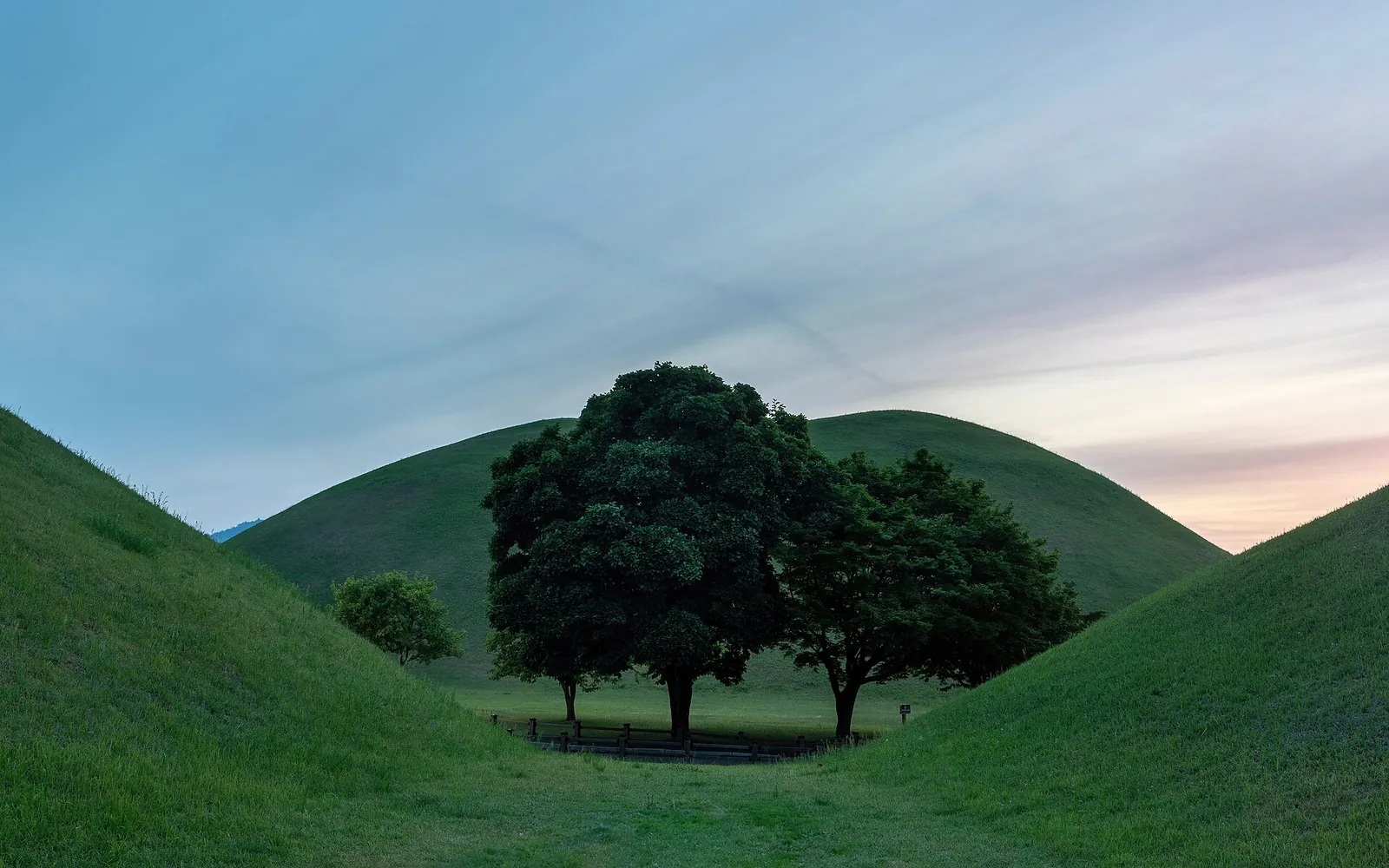
Afternoon. Wander Daereungwon, the tomb complex where grassy mounds of Silla royalty rise among the pines. VisitKorea lists the main gate as open 09:00 to 22:00 (last entry 21:30) and admission at KRW 3,000. Nearby, Cheomseongdae is a famous stone observatory from the Silla era. VisitKorea lists it as free, open 09:00 to 22:00 in summer and 09:00 to 21:00 in winter. We suggest looking at both on a long, unhurried walk. Allow roughly two to three hours and check distances on your map app.
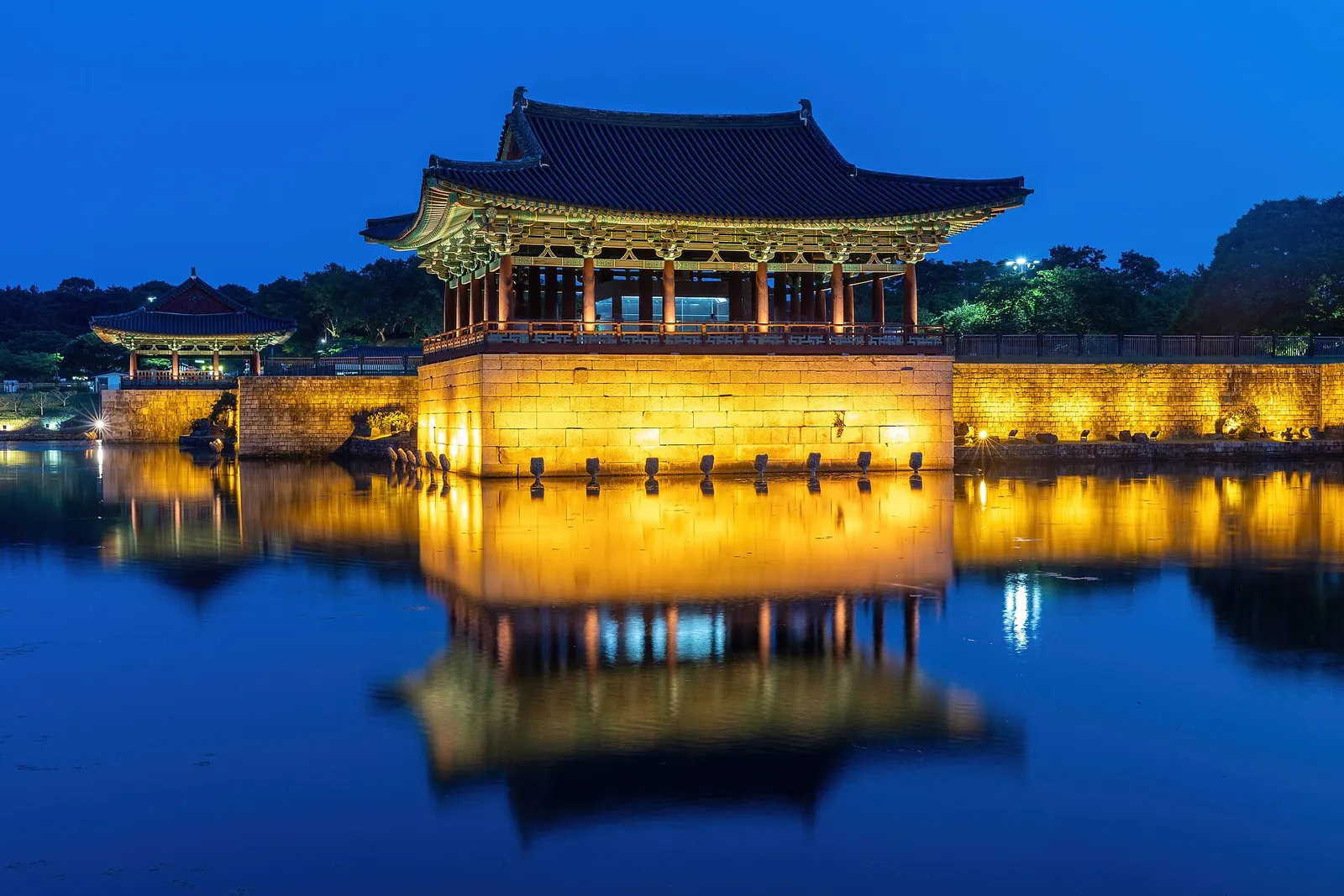
Evening. End at Donggung Palace and Wolji Pond, a Silla-era palace site beside a pond that glows after dark. VisitKorea lists it open all year, 09:00 to 22:00 (last ticketing 21:30), with adult admission of KRW 3,000. Dinner in the nearby streets rounds off the day. If you want museum time, the Gyeongju National Museum is a natural extra, but check its hours on the museum’s official site first.
Day 5: Bulguksa, Seokguram and on to Busan
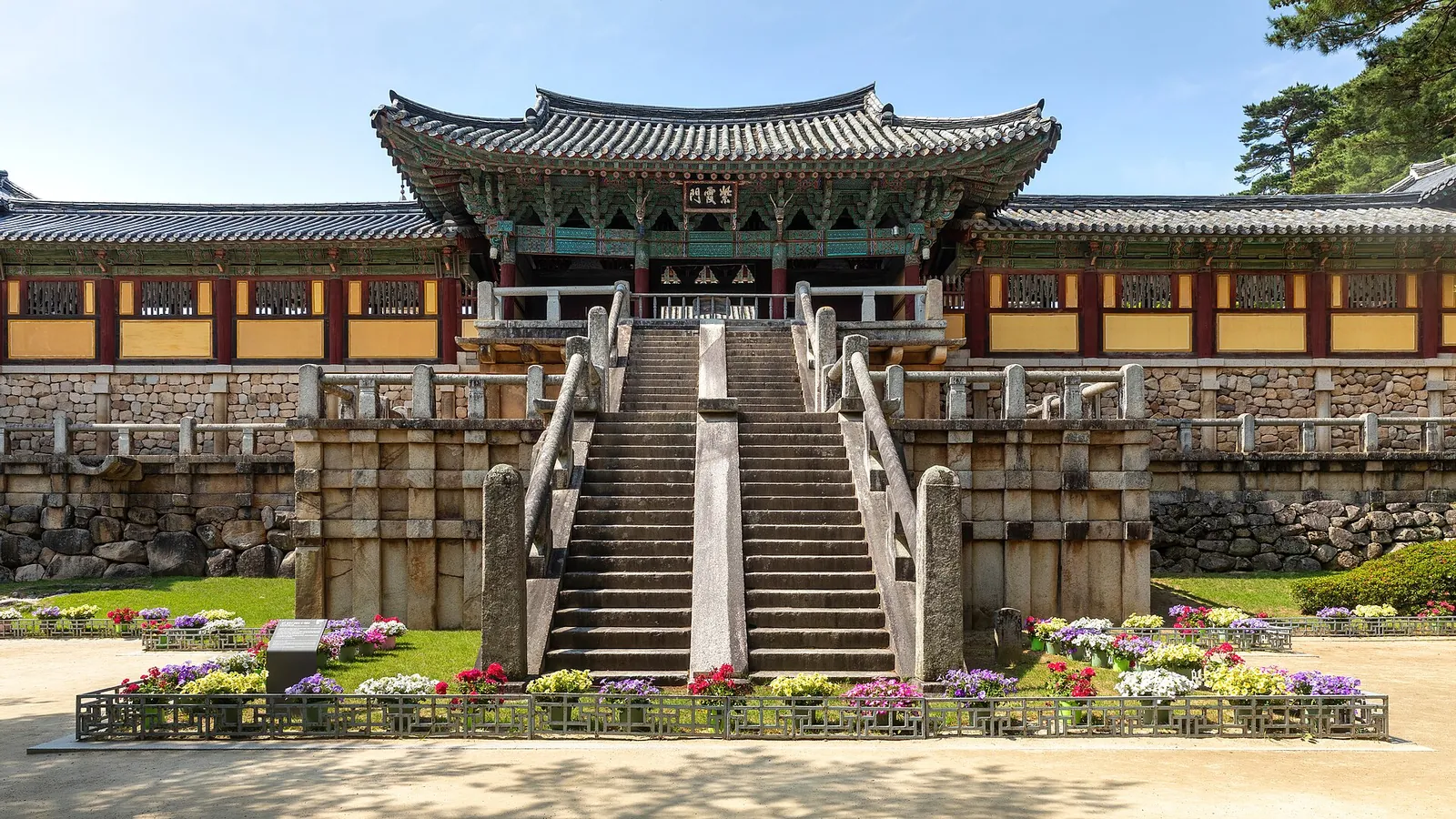
Morning. Rise early, because this morning belongs to Bulguksa Temple and Seokguram Grotto, both UNESCO World Heritage Sites. VisitKorea lists Bulguksa as open 09:00 to 18:00 (exit by 19:00) and Seokguram 09:00 to 17:00, with no closing days and no admission charge. Other travel pages show older fees and slightly different hours, so check the temple’s official site (bulguksa.or.kr) or the national park office on +82-54-746-4747 before you go. We could not verify how best to travel between the town, Bulguksa and Seokguram, so ask the park office or tourist information in town about buses and timings.
Dress modestly and keep voices low, as these are active places of worship.
Afternoon. Collect your bags and take the KTX from Gyeongju Station to Busan, checking the exact timetable and fare on Korail. Settle into your Busan accommodation.
Evening. Head to Gwangalli Beach, where Gwangan Bridge lights up over the bay after dark. Choose a seafront restaurant or sit on the sand and enjoy the view.
Days 6 to 7: Busan
Day 6: Painted hills and the old port
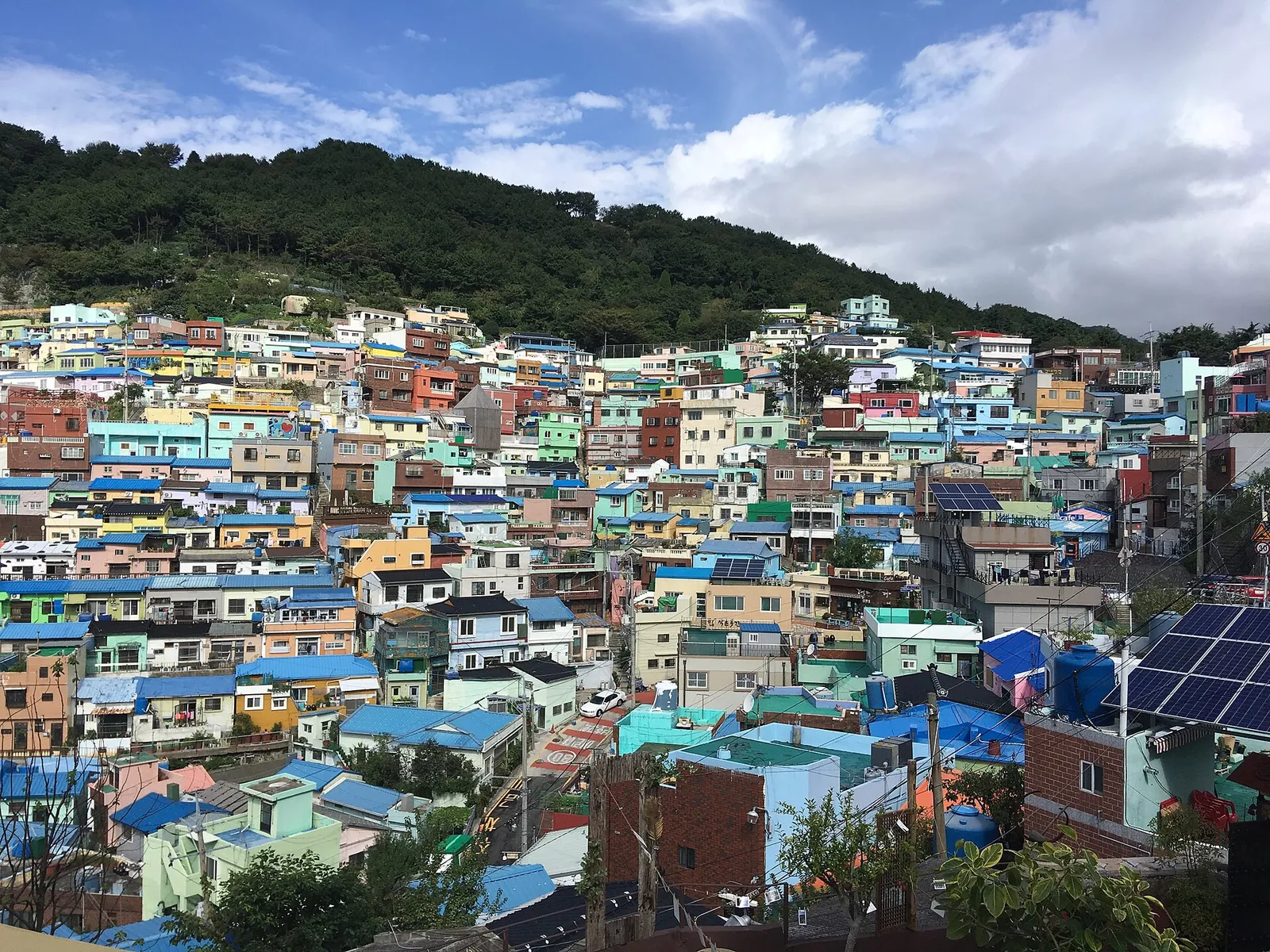
Morning. Start your Busan adventure at colourful Gamcheon Culture Village, a staircase of pastel houses built up the hillside by Korean War refugees and now decorated with murals. VisitKorea lists it as open 24 hours with no closing days and free admission (203 Gamnae 2-ro, Saha-gu). People live here, so keep noise down and avoid peeking into homes. Maps such as Naver Map or KakaoMap tend to be more accurate in Korea than international apps for local bus directions.
Afternoon. Head down to Jagalchi Fish Market by the old port. Opening days can vary, so check the official market information before you go. Right next door, the Nampo-dong streets are great for grazing on street food rather than sitting down for a long lunch.
Evening. Walk up to Yongdusan Park, above Nampo-dong, where Busan Tower looks out over the harbour lights. Check the official site for current hours and ticket prices, and finish with dinner back in the Nampo and Gwangbok-ro area.
Day 7: A temple on the sea and farewell to the coast
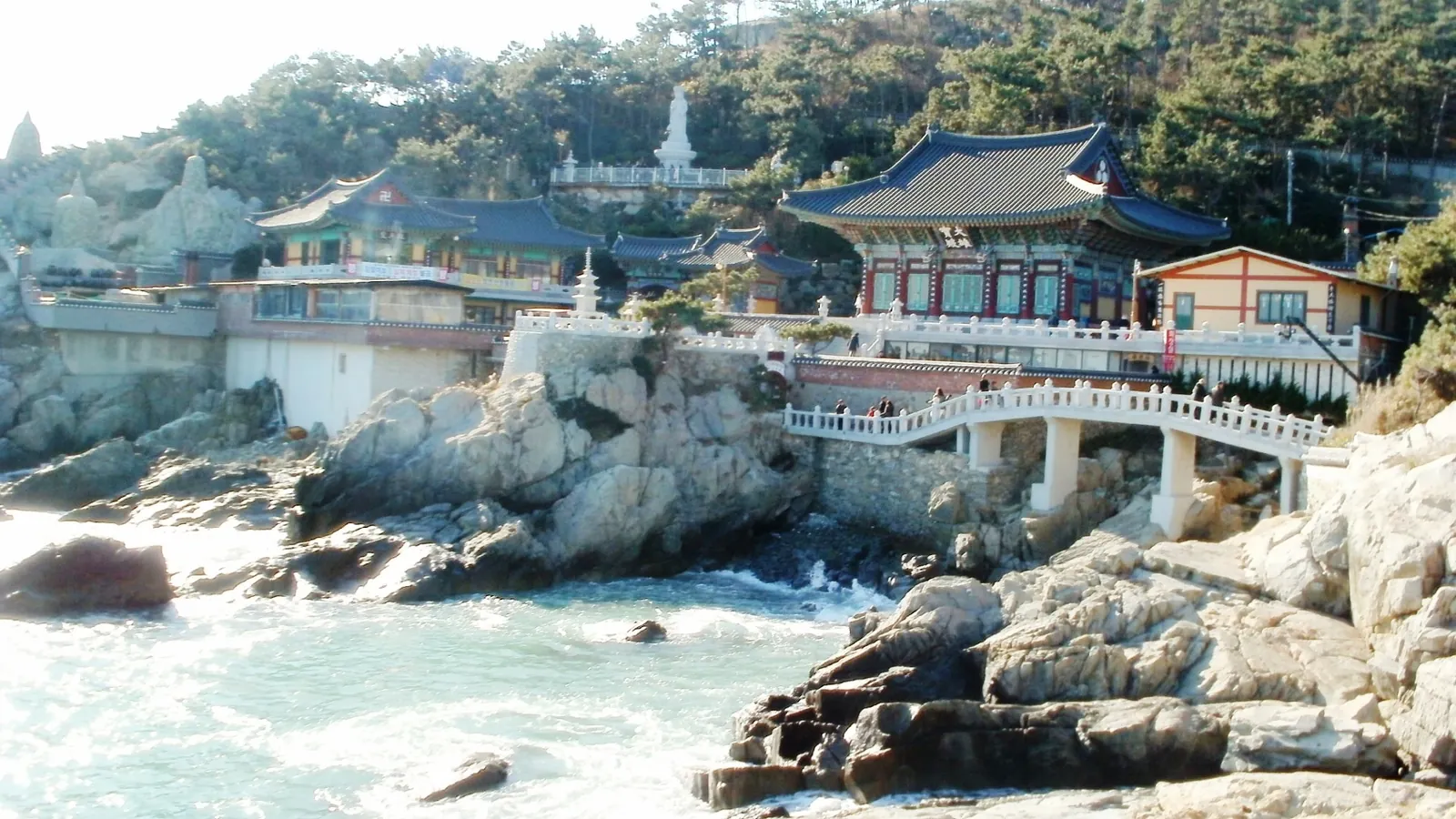
Morning. Save a seaside wonder for your last morning and make an early start for Haedong Yonggungsa Temple in Gijang, a rare Korean temple built on the shoreline. VisitKorea lists it as open every day from 04:30 to 19:20 (last admission 18:50), with free admission. Walk the coastal path around the temple and keep voices low and dress modestly.
Afternoon. Spend the rest of the day on Haeundae Beach, Busan’s best-known sweep of sand. Even outside swimming season, the promenade is lovely for a walk and an ice cream.
Departure. You can fly out of Busan’s Gimhae International Airport or take a train back toward Seoul for an Incheon departure. Check airlines and Korail for options, and consider booking an open-jaw flight (arriving in Seoul and leaving from Busan) so you do not have to backtrack.
Getting there and getting around
From Incheon Airport to Seoul
The AREX Express train runs non-stop to Seoul Station. According to AREX, the journey takes 43 minutes from Terminal 1 and 51 minutes from Terminal 2, and the Express fare for an adult is KRW 13,000 (the standard fare listed is KRW 18,500 from Terminal 1 and KRW 19,100 from Terminal 2). Tickets are sold at the Express customer centres at Seoul Station (B2) and at Terminal 1 and Terminal 2 (B1 level of the transport centre).
Around Seoul
Seoul’s subway is fast and signposted in English. The city’s Climate Card short-term passes cost KRW 5,000 (1 day), 8,000 (2 days), 10,000 (3 days), 15,000 (5 days) and 20,000 (7 days). They cover Seoul subway lines and Seoul city buses but not the Sinbundang Line or regional and airport buses. You buy a physical card and charge the pass at a machine, and it starts immediately after charging, so do not charge it early.
Around Busan
Busan’s urban rail adult fare is KRW 1,600 with a transit card or mobile ticket in the first fare section and KRW 1,800 in the second, or KRW 1,700 and KRW 1,900 with a QR ticket. Check which section your trip falls in on the Busan Transportation Corporation page.
Where to stay
- Seoul, Jongno and Insadong: the historic heart, within walking distance of both palaces and Bukchon. Best for first-timers.
- Seoul, Myeongdong or Hongdae: central, well connected and full of food and shops.
- Gyeongju, near the historic centre: puts the tombs, Cheomseongdae and Wolji within reach on foot, and is ideal for an evening stroll.
- Busan, Nampo or Seomyeon: Nampo suits Day 6 and the old port; Seomyeon is a transport hub; Haeundae or Gwangalli suit beach and night-view lovers.
Budget
We could confirm entry fees, airport train fares and passes below. Food, accommodation, KTX fares and observatory tickets vary widely and were not verifiable today, so check the official sites.
| Item | Typical cost |
|---|---|
| Gyeongbokgung ticket (foreign adult 19 to 64) | KRW 3,000 (free in hanbok, and free 29 Oct to 15 Nov 2026 except Tuesdays) |
| Changdeokgung main halls | KRW 3,000 |
| Changdeokgung Secret Garden | KRW 5,000 (plus main-halls ticket) |
| Seoul Climate Card, 3-day pass | KRW 10,000 |
| AREX Express airport train | KRW 13,000 |
| Daereungwon | KRW 3,000 |
| Donggung Palace and Wolji | KRW 3,000 |
| Cheomseongdae, Bulguksa, Seokguram | Free (per VisitKorea) |
| Gamcheon Culture Village, Haedong Yonggungsa | Free |
| Busan urban rail, one ride | KRW 1,600 to 1,900 |
| KTX trains, N Seoul Tower, Seoul Sky | check the official sites |
Excluded: flights, hotels, food, hanbok rental, shopping and local buses outside Seoul and Busan.
Heads-up
Korea is a safe and welcoming destination, and a few small precautions keep it that way. These come from official sources.
- Crime and nightlife: the UK government says crime against foreigners is rare but there are occasional thefts, and there have been assaults around bars and nightlife areas, so take extra care alone at night.
- Taxis: use legitimate taxis or public transport, and carry your destination written in Korean, since drivers often speak little English.
- Demonstrations: public demonstrations are common and mostly peaceful. Foreign nationals are barred from political activity, so avoid large gatherings.
- Weather and nature: the typhoon season normally runs from June to November. Landslides are possible in hilly areas and forest fires can occur, so follow local warnings and consider the government’s Emergency Ready app.
- Security situation: the situation on the Korean Peninsula can change with little notice. Follow local authorities, and stay away from the demilitarised zone unless on an official tour. If sirens sound during a civil emergency exercise, follow the instructions.
- K-ETA scams: apply only on the official government portal. Other sites offering the service are generally scams.
- Closings and fines: palace closing days and the Bukchon visiting-hours rule above are enforced. The Secret Garden refuses late arrivals without a refund.
Practical tips
- Plan around closing days: Gyeongbokgung closes on Tuesdays; Changdeokgung closes on Mondays.
- Dress modestly at temples and keep your voice down at Bulguksa, Bongeunsa and Haedong Yonggungsa.
- Booking ahead: reserve KTX seats, the Secret Garden English tour and the Lotte World Tower observatory in advance on their official sites.
- Passport: a tourist stay of up to 90 days requires a passport that expires after your departure date, and you need an onward or return ticket.
FAQ
What if my arrival date clashes with a palace closing day?
Swap the days. Gyeongbokgung closes on Tuesdays and Changdeokgung on Mondays, so choose whichever palace is open on your Day 1 and Day 2.
Do I need the KORAIL Pass?
It depends on how many train rides you plan. The pass is for international travellers and comes in 2 to 5 day flexible versions, usable within ten days. Compare it with the price of your individual KTX tickets on the Korail website.
Can I visit Bulguksa and Seokguram on the same morning?
VisitKorea lists them as free and open until 18:00 and 17:00 respectively, so a morning start works. Check the official site and the park office for transport between them.
When is the best time to go?
April to May and late September to November are generally comfortable for walking. Typhoon season runs from June to November, so check forecasts if you travel in the early part of that window.
Sources
Prices, hours and rules change. We checked these on 1 November 2026; please confirm on the official page before you book.
- Royal Palaces and Tombs Center: Visiting hours and regular closing days
- Royal Palaces and Tombs Center: Admission fees
- Royal Palaces and Tombs Center: Guided tours (Changdeokgung Secret Garden)
- Royal Palaces and Tombs Center: Gyeongbokgung October-November 2026 operation notice
- Seoul Metropolitan Government: Bukchon special management area visitor restrictions
- Seoul Metropolitan Government: Climate Card short-term passes
- AREX Airport Railroad: Express train introduction (fare and journey time)
- VisitKorea: Train (KTX, tickets and KORAIL Pass)
- VisitKorea: Gyeongju Bulguksa Temple
- VisitKorea: Seokguram Grotto and Bulguksa Temple (Gyeongju National Park)
- VisitKorea: The Ultimate 2-Day Gyeongju Itinerary (Daereungwon, Cheomseongdae)
- VisitKorea: Donggung Palace and Wolji Pond
- VisitKorea: Busan Gamcheon Culture Village
- VisitKorea: Haedong Yonggungsa Temple
- Busan Transportation Corporation: Urban rail fare guide
- K-ETA: official application portal
- GOV.UK Foreign travel advice: South Korea, Entry requirements
- GOV.UK Foreign travel advice: South Korea, Safety and security
Photo credits (12)
- Gyeonghoeru pavilion reflected in its pond at Gyeongbokgung, Seoul: Frank Schulenburg, CC BY-SA 4.0, via Wikimedia Commons
- Hyangwonjeong Pavilion and its wooden bridge at Gyeongbokgung: Basile Morin, CC BY-SA 4.0, via Wikimedia Commons
- Hanok lane under a blue sky in Bukchon Hanok Village: Basile Morin, CC BY-SA 4.0, via Wikimedia Commons
- Daejojeon Hall at Changdeokgung Palace on a sunny day: Basile Morin, CC BY-SA 4.0, via Wikimedia Commons
- Bongeunsa's Buddha statue facing the Gangnam skyline: kallerna, CC BY-SA 4.0, via Wikimedia Commons
- Grassy royal tombs and trees at sunset in Daereungwon, Gyeongju: Basile Morin, CC BY-SA 4.0, via Wikimedia Commons
- Donggung Palace glowing over Wolji Pond at blue hour: Basile Morin, CC BY-SA 4.0, via Wikimedia Commons
- Bulguksa Temple's stone stairways and flower beds, Gyeongju: Basile Morin, CC BY-SA 4.0, via Wikimedia Commons
- Pastel houses climbing the hillside in Gamcheon Culture Village, Busan: Christophe95, CC BY-SA 4.0, via Wikimedia Commons
- Haedong Yonggungsa Temple perched on the rocky shoreline near Busan: Anna L Martin, CC BY 2.0, via Wikimedia Commons
- Golden mung bean pancakes on a stall at Gwangjang Market: Pfc. Bo Park, 2ID PAO, US Army, Public domain, via Wikimedia Commons
- A KTX high-speed train waiting at the platform: Hajoon0102, CC BY-SA 4.0, via Wikimedia Commons
More South Korea itineraries
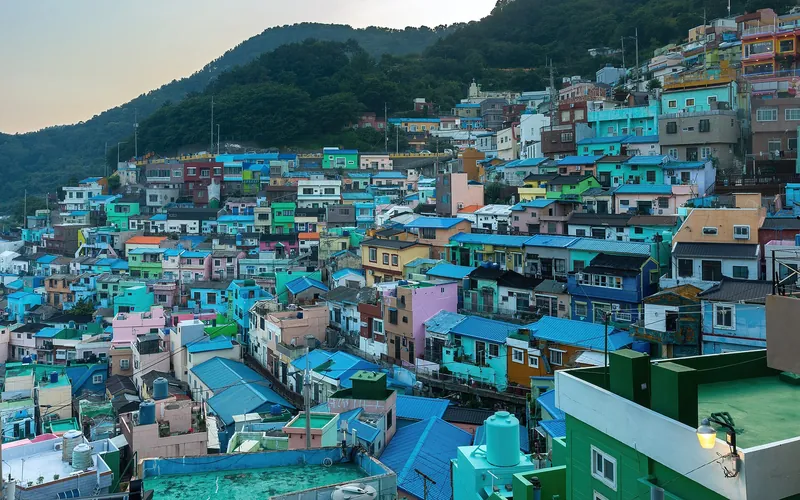 3 days
3 Days in Busan: A Day-by-Day Itinerary
A 3-day Busan itinerary: Gamcheon's painted hillside, Jagalchi market, seaside Haedong Yonggungsa, Haeundae and the Yeongdo cliffs.
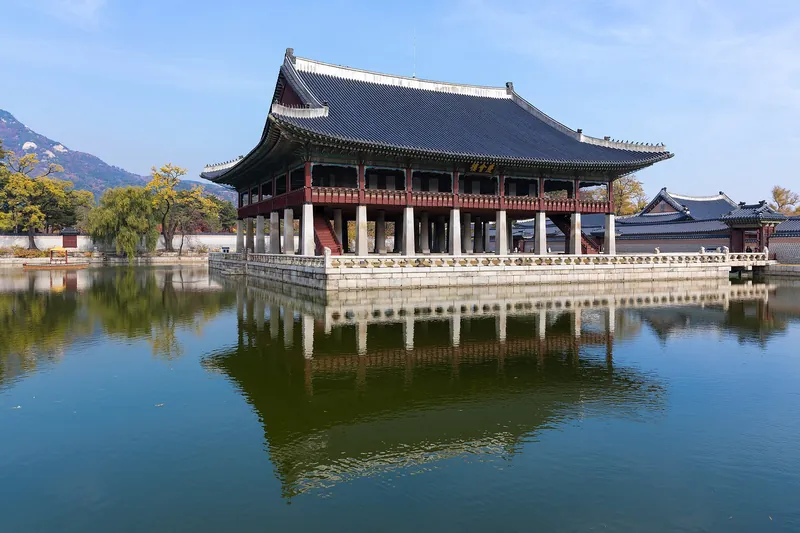 3 days
3 Days in Seoul: A Day-by-Day Itinerary
A 3-day Seoul itinerary: Gyeongbokgung and Bukchon, Changdeokgung's Secret Garden and Namsan, then Gangnam, Lotte World Tower and the Han River.
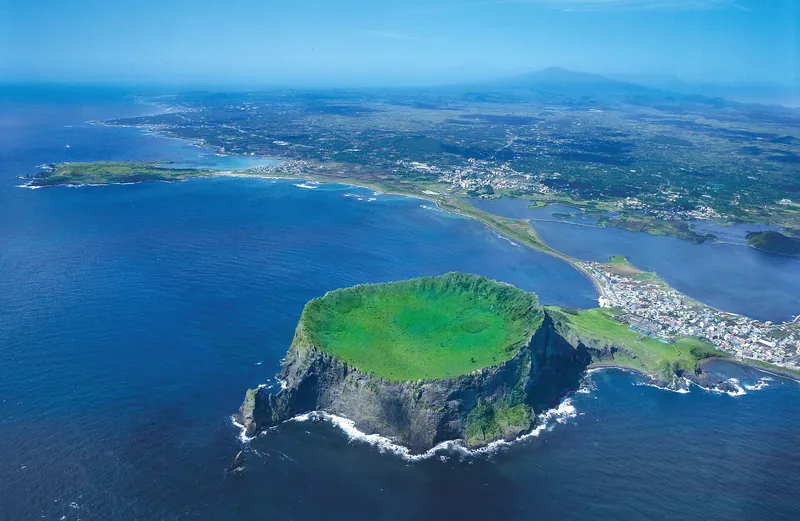 3 days
3 Days in Jeju Island: A Day-by-Day Itinerary
A 3-day Jeju itinerary: sunrise on Seongsan Ilchulbong and the Udo ferry, a booked Hallasan summit hike, then Manjanggul lava tube and Hyeopjae beach.
Compare all South Korea itineraries →
This is a researched plan, not a personal trip report. How we research · Affiliate disclosure